If you’re curious about how ancient Japanese aesthetics blend with daily traditions, this Kyoto Gion Tea Ceremony & Wabi-sabi Walking Tour offers a fascinating look. It’s a well-structured blend of cultural education, historic exploration, and the chance to sip authentic matcha in a setting that feels genuine and immersive.
While it’s not a private experience—expect a group atmosphere—the richness of the sights and insights makes it a worthwhile journey.
Two things we really like about this tour: First, the way it combines visiting historic sites with deepening your understanding of Wabi-sabi, Japan’s beautiful and understated aesthetic. Second, the authentic tea ceremony itself, which isn’t just a show but an integral part of Japanese cultural expression.
The possible drawback? The tour isn’t wheelchair accessible, which might limit some travelers with mobility concerns. Still, for those who enjoy walking through historic districts and appreciating art, this tour hits many right notes.
This experience is ideal for travelers who are genuinely interested in Japanese culture, especially those eager to see, touch, and learn about traditional tea utensils and philosophies. It’s perfect for curious minds who appreciate a slower, more contemplative approach to sightseeing—especially if you’re keen to understand what “Wabi-sabi” really means beyond just a word.
Key Points
 1 / 6
1 / 6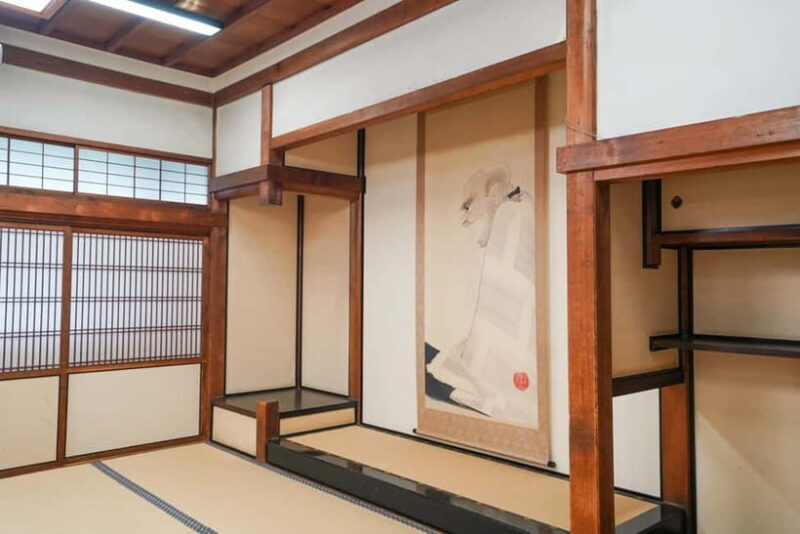 2 / 6
2 / 6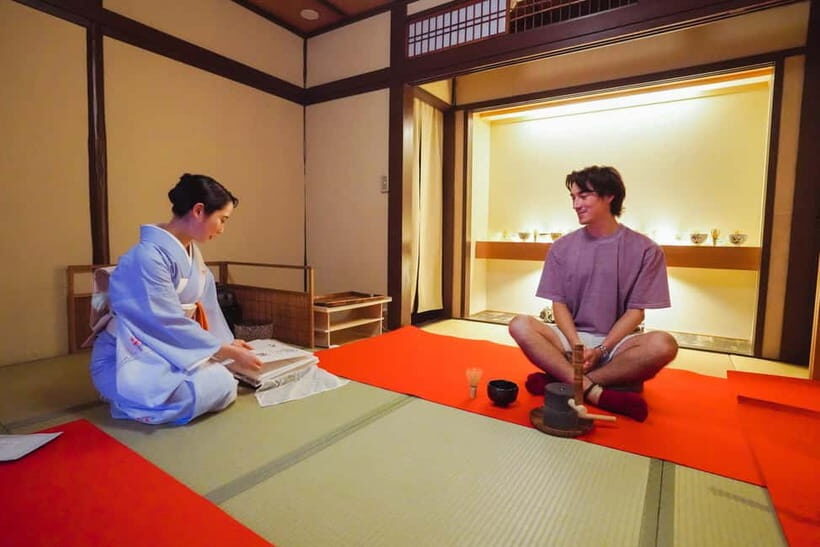 3 / 6
3 / 6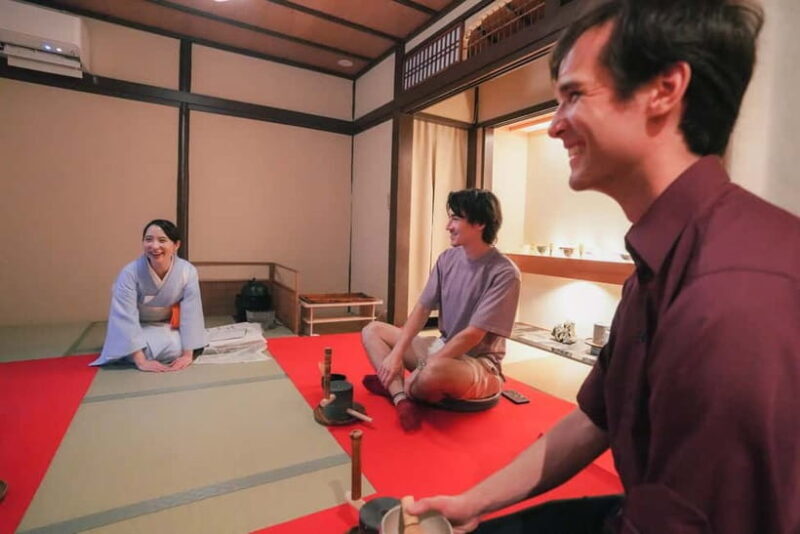 4 / 6
4 / 6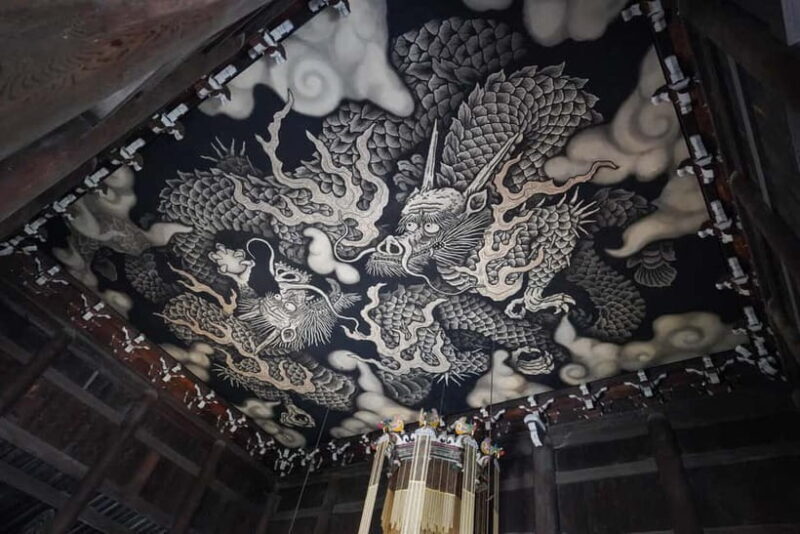 5 / 6
5 / 6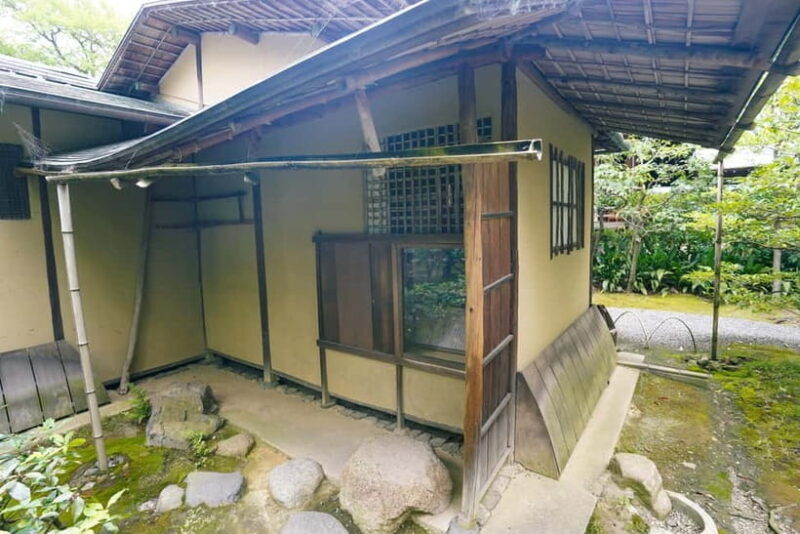 6 / 6
6 / 6- Authentic cultural experience: Visit Kyoto’s oldest Zen temple and learn about Japanese tea traditions.
- Deep aesthetic insight: Explore the concept of Wabi-sabi through art, pottery, and tranquil temples.
- Hands-on participation: Experience a real tea ceremony, complete with matcha and seasonal snacks.
- Historic walking route: Stroll through Gion, Kyoto’s historic geisha district, with a knowledgeable guide.
- All-inclusive value: Entrance fees to two temples and the tea ceremony are included in the price.
- Photographic moments: Photos are provided during the tour, capturing your experience.
What To Expect From This Tour
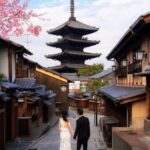
This tour is beautifully designed to show you the heart of Kyoto’s traditional culture. Starting at Gion-Shijo Station, you’ll meet your guide—holding an orange signboard—and set out on foot through one of Kyoto’s most iconic districts. The walk itself is a highlight, revealing the charm of old streets, traditional wooden machiya houses, and secret corners that have remained unchanged for centuries.
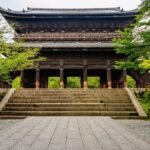
Visit some historic spots with a local guide, including Kyoto’s oldest Zen temple. As you wander, your guide will share stories about the significance of each location, especially how they relate to tea culture and Wabi-sabi aesthetics. The temples you’ll visit are places where Japanese art and philosophy converge—quiet, contemplative spaces ideal for reflection.
Next, you’ll step into a traditional pottery shop to admire Wabi-sabi tea bowls—designed in imperfect, natural forms that highlight beauty in simplicity. These utensils aren’t just functional; they are art pieces that embody the aesthetic ideals of asymmetry, simplicity, and the natural aging process.
At a serene temple, you’ll view Japanese paintings and a Karesansui (dry landscape Zen garden), which visually express the Wabi-sabi notion that beauty can be found in subtlety and imperfection. Your guide will help you understand how these art forms emphasize a sense of tranquility and impermanence.
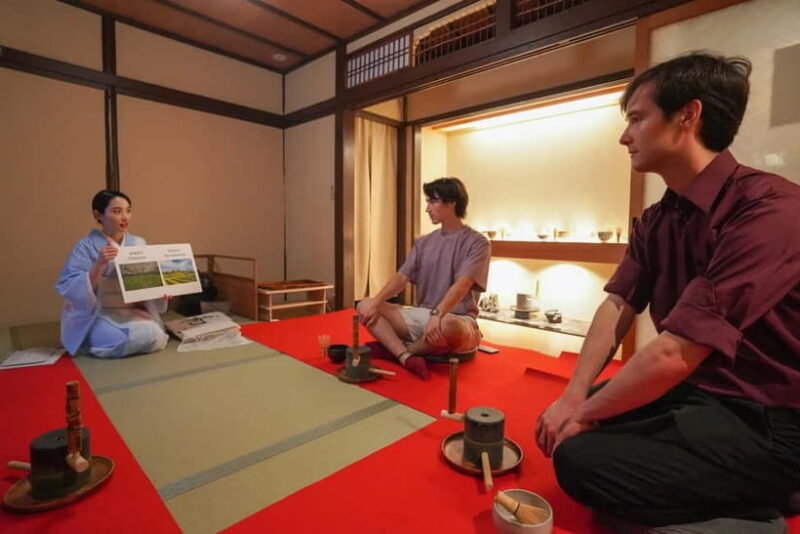
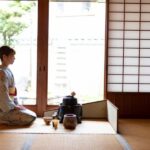
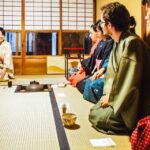
The highlight of the tour is the authentic tea ceremony with a tea master in a traditional setting. Here, you’ll select a seasonally appropriate tea bowl, enjoy a small seasonal snack, and sip on matcha while soaking in the calm, ritualistic atmosphere. This isn’t a mere tasting—it’s a contemplative experience intended to foster an understanding of Japanese aesthetics and philosophy.
You can also read our reviews of more walking tours in Kyoto



The Tea Ceremony Experience
The tea ceremony is the core of this tour. It’s conducted by a knowledgeable tea master in an environment that respects tradition. The ceremony isn’t rushed; it’s a carefully choreographed ritual that emphasizes mindfulness, harmony, and respect. You’ll learn about the utensils used—each with its own story—and how they reflect Wabi-sabi principles.
Tour reviews highlight that this part feels authentic and deeply meaningful. “The guide shared many interesting details,” says one reviewer, while another appreciated that “the tea ceremony was very authentic.” This indicates that the experience isn’t just surface-level; it’s designed to give you a real taste of Japan’s tea culture.
Matching the ceremony with seasonal sweets enhances the sensory connection, reinforcing the beauty found in imperfection and transience. The experience typically lasts around 90 minutes, including the walk and site visits, making it a well-paced culture.
Practical Details and Value
At $77 per person, this tour offers good value considering what’s included—entrance fees to two temples, an authentic tea ceremony, a knowledgeable guide, and photos. For travelers eager to understand Japan beyond the typical sightseeing, this is a very worthwhile investment.
The tour begins at Gion-Shijo Station, a central and easily accessible location. The group size is not explicitly stated, but reviews suggest a friendly, manageable number, allowing for personal interaction and questions.
While the tour does not accommodate wheelchair users or strollers, it remains accessible for most able-bodied travelers interested in walking and exploring. It’s important to arrive on time, as latecomers cannot join or reschedule, and the experience may be canceled in bad weather for safety reasons.
The tour’s pace is leisurely, emphasizing reflection and appreciation rather than hurried sightseeing. Be prepared for the Kyoto climate—hot summers or cold winters—and dress accordingly. The tour ends back at the start point, making it convenient to extend your day in Gion or nearby.
Who Will Love This Tour?
This tour is perfect for curious travelers who want to deepen their understanding of Japanese aesthetics and culture. It suits those interested in traditional arts, Zen Buddhism, or simply looking for a peaceful, contemplative experience in Kyoto.
If you’re someone who appreciates history, art, and meaningful rituals, you’ll find this tour rewarding. It’s especially ideal for travelers who prefer quality over quantity and value authentic experiences over touristy gimmicks.
However, if mobility issues or tight schedules are concerns, you might want to consider other options. But for those ready to walk through history, learn about Wabi-sabi, and taste authentic matcha in a tranquil setting, this tour ticks many boxes.
Kyoto Gion Tea ceremony & Wabi-sabi Walking Tour
FAQ
Is this tour suitable for children?
Yes, children over 6 years old can participate, but younger children must be accompanied outside during the tea ceremony.
Is the tour accessible for wheelchair users?
No, some locations are not wheelchair accessible, and the walking involved might not be suitable for all mobility needs.
What is included in the price?
The price covers the tea ceremony experience, entrance fees to two temples, an English-speaking guide, and photos taken during the tour.
How long does the tour last?
The entire experience lasts around 3 hours, including site visits, walking, and the tea ceremony.
Can I reschedule or cancel?
Yes, free cancellation or rescheduling is available until 24 hours before the tour, providing flexibility for your plans.
Where does the tour start and end?
It starts in front of the Izumo no Okuni Statue outside Gion Shijo Station and ends back at the same meeting point.
Do I need to pay for anything extra?
You only pay for the tour; you do not need to cover additional food or drinks for the guide.
What should I wear?
Dress comfortably for walking and consider the weather. Bring an umbrella or warm clothing depending on the season.
Is this tour suitable for people interested in Japanese art?
Absolutely. The tour includes viewing traditional paintings, pottery, and Zen gardens, all reflecting Japanese aesthetics.
The Kyoto Gion Tea Ceremony & Wabi-sabi Walking Tour offers a beautifully crafted look into Japan’s aesthetic philosophy and traditional tea culture. For travelers who want more than just a snapshot of Kyoto’s sights, this experience provides a chance to see, hear, touch, and taste the essence of Japanese beauty—imperfection, simplicity, and tranquility.
While it may not be suitable for everyone—particularly those with mobility issues—it’s perfect for anyone eager to explore the deeper meaning behind Kyoto’s historic charm. The combination of temple visits, art appreciation, and an authentic tea ceremony makes for an enriching cultural experience that will resonate long after you leave.
If you’re seeking a calm, insightful journey through Kyoto’s spiritual and artistic soul, this tour is an excellent choice. It’s a gentle yet profound way to connect with Japanese traditions and appreciate the subtle beauty of Wabi-sabi—an experience you’ll likely remember fondly for years to come.
You can check availability for your dates here: