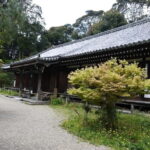
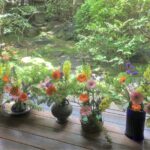
If you’re looking to add a touch of Japanese elegance and artistry to your Kyoto visit, the Ikebana flower arrangement tour might catch your eye. Offered by Tondaya, Co., Ltd., this experience promises a blend of hands-on craft and cultural insight, set within a 140-year-old Kyoto townhouse. It’s a chance to spend an hour not just observing, but creating and understanding the delicate art of Ikebana.
We’re keen to highlight what makes this tour appealing: the chance to engage directly with a traditional craft and the opportunity to explore a beautifully preserved Machiya—Kyoto’s classic wooden townhouses. But it’s also worth noting some criticisms, mostly about perceived value, from previous reviews.
This tour best suits those who appreciate authentic cultural activities, enjoy creating something personal, and are curious about traditional Japanese architecture.
Key Points
- Authentic Cultural Experience: Hands-on Ikebana lesson in a historic Kyoto townhouse.
- Architectural Charm: Explore a well-preserved Machiya with its traditional design.
- Seasonal Flowers: Focus on using and arranging seasonal blooms, adding a natural element.
- Photogenic Setting: Your finished arrangement can be photographed in front of the garden.
- Flexible Timing: Starts vary, so check availability for your preferred time.
Price and Value: At $100, it’s a modest fee for a quick cultural activity, though some feel the experience may not always match the cost.
- Key Points
- An Introduction to the Experience
- Who would this suit best?
- What to Expect: A Detailed Breakdown
- Starting Point and Setting
- The Ikebana Lesson (Approximately 30 Minutes)
- Exploring the Machiya (Approximately 30 Minutes)
- Additional Details and Practical Tips
- Considerations and Criticisms
- Practical Details for Travelers
- Is It Worth It? Analyzing the Value
- Final Thoughts: Who Should Consider This Tour?
- FAQs
- More Tour Reviews in Kyoto Prefecture
An Introduction to the Experience
 1 / 2
1 / 2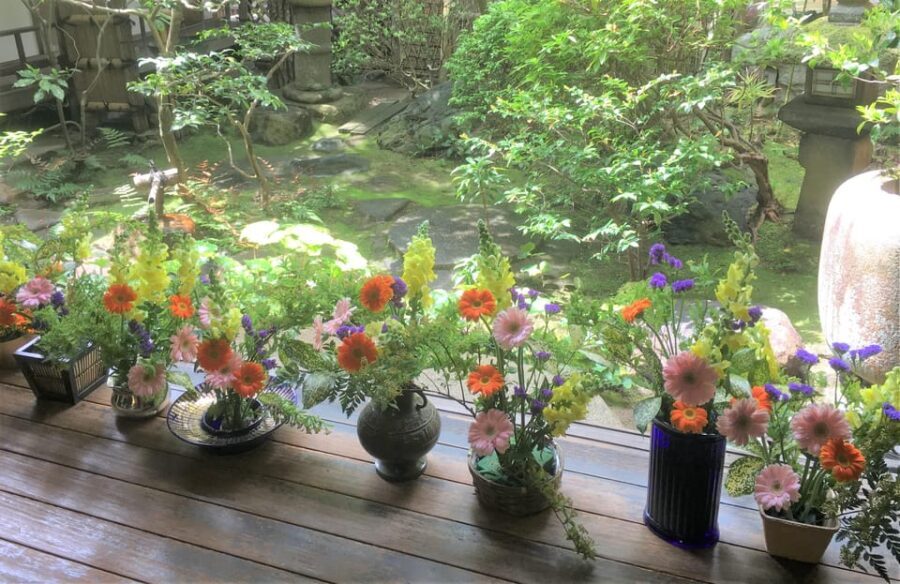 2 / 2
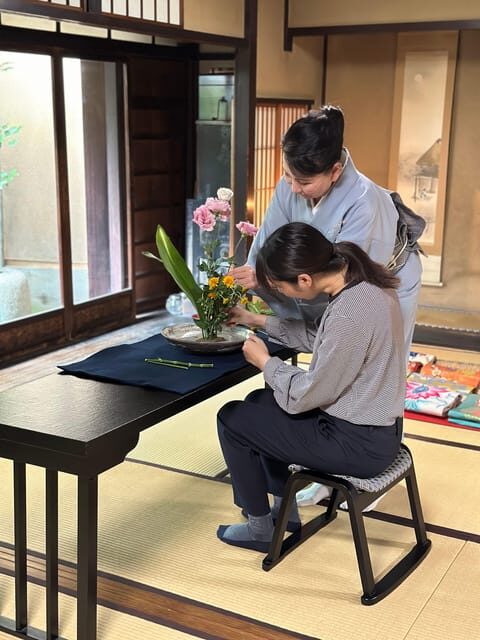
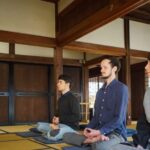
2 / 2This tour is designed for travelers who want a taste of Japanese artistic tradition in a setting that’s as much about history as it is about flowers. You’ll start in a 140-year-old townhouse, a place that visually transports you back in time with its wooden beams, sliding screens, and intimate rooms. Here, you will learn the art of Ikebana, the delicate Japanese flower arrangement that emphasizes balance and harmony.
Two things we particularly like are the chance to learn a traditional craft firsthand and the chance to explore a beautifully preserved Machiya full of historical character. This isn’t a large, commercial workshop; it’s a more personal, intimate setting—ideal for those eager to understand the cultural context behind the art.
However, some critics note that the actual time spent on the craft can feel a bit short, with one reviewer mentioning a “15 min experience” that felt over too quickly. If you’re after a longer, more comprehensive class, this might not be the best fit. Still, if your goal is a quick, authentic peek into Japanese craftsmanship, this tour could suit you well.
You can also read our reviews of more tours and experiences in Kyoto Prefecture.


Who would this suit best?
This experience is ideal for culture enthusiasts, art lovers, and those curious about Japanese architecture. It’s also a good choice for travelers who want a photo-worthy moment and enjoy making a personal souvenir to take home.
What to Expect: A Detailed Breakdown
Starting Point and Setting
The tour begins at a central location in Kyoto, leading you into a traditional Machiya. These townhouses are iconic to Kyoto and reflect a way of life that’s been preserved for generations. Expect wooden beams, tatami mats, and sliding doors—a visual feast for anyone interested in Japanese design.
More Great Tours NearbyThe Ikebana Lesson (Approximately 30 Minutes)
Once inside, you’ll be guided through the basics of Ikebana, a floral art that’s about more than just arranging flowers. It’s about harmony, balance, and seasonality. The class provides materials (flowers and tools), so you don’t need to bring anything besides socks—bare feet aren’t permitted, which is typical for Japanese homes.
The teacher will lead you through the process, often emphasizing seasonal flowers, which change throughout the year, adding a dynamic element to each arrangement. You’ll learn about the significance of each flower and how to position them for aesthetic harmony.
This part of the experience is designed to be accessible; even beginners can produce a pleasing floral arrangement that reflects Japanese aesthetics. After finishing, you’ll have the chance to photograph your work in front of the garden, with its tsuboniwa gardens and seasonal views providing a picturesque backdrop.





Exploring the Machiya (Approximately 30 Minutes)
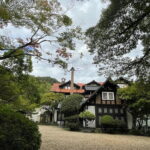
After the flower arranging, the tour continues with a guided exploration of the townhouse’s architecture and history. Built in the Meiji period, the Machiya features three storehouses and six tsuboniwa gardens, which are small courtyard gardens that allow seasonal winds and natural light to flow through.
The guide will provide insights into how these townhouses were used historically, their artistic elements, and their architectural significance. You might find that the flow of wind and seasonal scenery is particularly enchanting during certain times of the year. Feel free to take plenty of photos—this part of the tour is as much about visual appreciation as it is about learning.
Additional Details and Practical Tips
The total duration is about one hour, but since times can vary, it’s best to check availability. Group sizes are typically small or private, enhancing the personal feel of the activity. The cost is $100 per person, which covers all materials and the townhouse tour.
Note that the experience is offered in English and Japanese, making it accessible to most travelers. You’ll want to wear socks, as the tour explicitly states that bare feet are not allowed, respecting the traditional flooring.
Considerations and Criticisms
A common critique comes from a review noting that the experience felt brief—about 15 minutes for the actual flower arrangement. For some, this might seem like a quick snapshot rather than an in-depth lesson. When evaluating the value, consider that the price reflects the materials and the unique setting, but some travelers might prefer a longer or more immersive activity.
Plus, since the experience is focused on seasonal flowers, the specific blooms can vary, which adds unpredictability but also variety—something to keep in mind if you’re seeking a particular flower or detailed instruction.
Practical Details for Travelers
- Duration: About 1 hour (check specific start times)
- Price: $100 per person
- Materials Included: Flowers and tools
- Location: Traditional Kyoto townhouse (Machiya)
- Languages: English and Japanese
- Group Size: Private groups available
- Cancellation Policy: Free cancellation up to 24 hours in advance
- What to Bring: Socks (no bare feet allowed)
Is It Worth It? Analyzing the Value
Given the price, you might wonder if this tour delivers enough for your money. If your goal is a quick but authentic introduction to Ikebana, plus a taste of Kyoto’s traditional architecture, it can be quite satisfying. The setting alone—an old townhouse with gardens and historic features—makes for a memorable backdrop.
However, some reviews suggest that the actual flower arrangement part is brief—a point worth considering if you’re hoping for a more comprehensive class. For those willing to spend a bit more, or looking for a longer workshop, other experiences might offer more in-depth instruction.
That said, the photographic opportunities and the chance to create a personal flower arrangement make this a fun, if somewhat short, cultural activity. It’s particularly suited for photo enthusiasts and those curious about Japanese aesthetics in a historic setting.
Final Thoughts: Who Should Consider This Tour?
This experience is best suited for travelers with a curiosity about Japanese culture, who enjoy hands-on activities, and want a beautiful, memorable souvenir. It’s ideal if you’re in Kyoto for a short visit and want a quick, culturally rich activity that involves creating something with your own hands.
It also appeals to those interested in architecture and history, since the townhouses themselves are a highlight. If you’re looking for a longer, more detailed lesson, or a more elaborate craft experience, you might find this tour a little light on content.
Overall, it offers a charming glimpse into Japan’s floral art and traditional architecture, but keep expectations aligned with the short duration and modest price.
Kyoto: Ikebana (Japanese Flower Arrangement)
FAQs
How long is the tour?
It lasts about one hour, but it’s wise to check the availability for your preferred time because start times can vary.
What does the price include?
The fee covers all materials (flowers and tools) and the guided townhouse tour.
Is this experience suitable for children?
While not explicitly stated, the focus on flower arrangement and traditional settings might be most enjoyable for older children or adults. Please check with the provider if you have younger travelers.
Are there any prerequisites?
You only need to bring socks; no prior experience is required. Bare feet are not permitted, respecting the traditional flooring.
Can I take photos?
Yes, you are encouraged to take pictures of your arrangement in front of the garden and of the townhouse interior.
Is this experience private?
Yes, private groups are available, which can enhance personal attention and a more relaxed atmosphere.
What is the main highlight of the tour?
Most will enjoy the chance to create their own Ikebana arrangement and explore a beautifully preserved Kyoto townhouse.
What if I want to cancel?
You can cancel free of charge up to 24 hours in advance for a full refund.
Does the experience focus on traditional architecture?
Absolutely. The townhouse’s architecture and gardens are integral parts of the tour, providing context and aesthetic pleasure.
To sum it up, this Kyoto Ikebana experience combines the art of floral design with an appreciation for traditional Japanese architecture. It’s a short, charming activity that offers a personal creative moment amid Kyoto’s historic streets. While some may find it a bit brief for the price, those with a genuine interest in Japanese culture, art, and design will likely find it a worthwhile addition to their Kyoto itinerary.
You can check availability for your dates here: