Kyoto: Journey to Manpuku-ji, Uji’s Best-Kept Secret
If you’re exploring the Kyoto area and want to venture beyond the usual temples and tea houses, a guided tour of Manpuku-ji in Uji offers an intriguing glimpse into a lesser-known side of Japanese spirituality and architecture. This isn’t your typical tourist stop — it’s a quiet, contemplative place that feels worlds apart from the bustling streets of Kyoto.
What makes this experience stand out? First, the Chinese Ming dynasty style architecture transports you to a different time and place — rare in Japan, where most temples stick to traditional Japanese designs. Second, the serene atmosphere created by the gentle rustling trees, distant chanting, and the temple’s peaceful layout makes it ideal for anyone craving a quiet moment of reflection.
However, keep in mind that this tour is, at its core, a cultural and architectural exploration. If you’re expecting a lively, hands-on experience or a highly interactive tour, this might feel more contemplative and subdued. It’s best suited for those interested in architecture, history, or a peaceful spiritual setting.
This tour appeals especially to travelers who value authenticity, tranquility, and a deeper understanding of East Asian cultural fusion. If that sounds like your kind of experience, then you’re likely to find this a memorable highlight of your Uji or Kyoto trip.
Key Points
- Unique Architecture: The Chinese Ming dynasty style of Manpuku-ji sets it apart from most Japanese temples.
- Cultural Fusion: Experience a blend of Chinese and Japanese influences from the Edo period.
- Serene Atmosphere: The peaceful grounds and subtle sounds create a tranquil setting ideal for reflection.
- Convenient Location: Just a short walk from Obaku Station, easy to include in a day trip from Kyoto.
- Historical Significance: Founded in 1661 by Chinese monk Ingen Ryuki, it’s the head temple of the Obaku Zen school.
- Authentic Experience: Guided tour includes detailed insights into the architecture and spiritual practices.
Exploring Manpuku-ji: A Hidden Gem in Uji
 1 / 4
1 / 4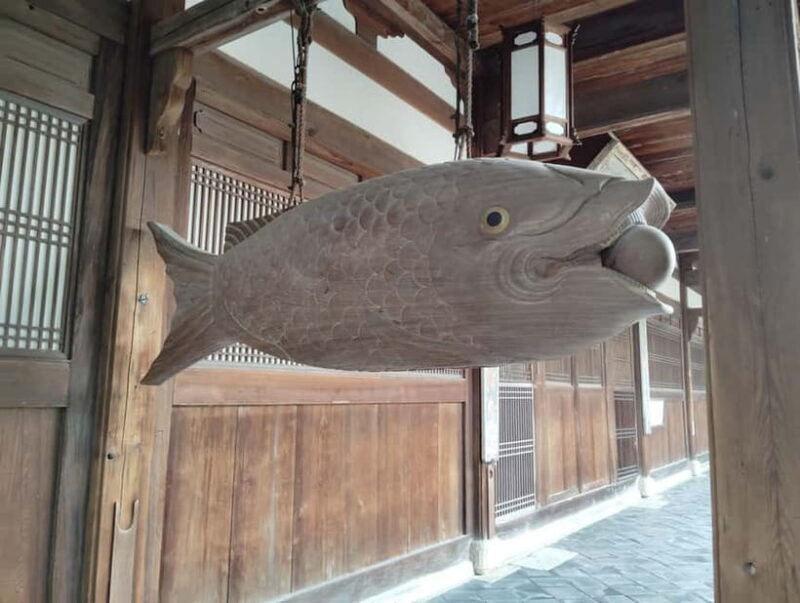 2 / 4
2 / 4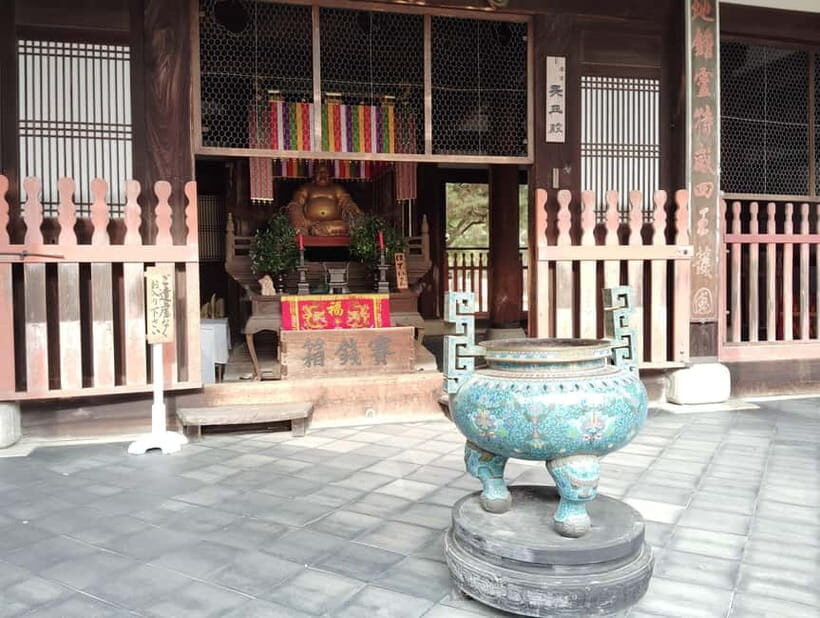 3 / 4
3 / 4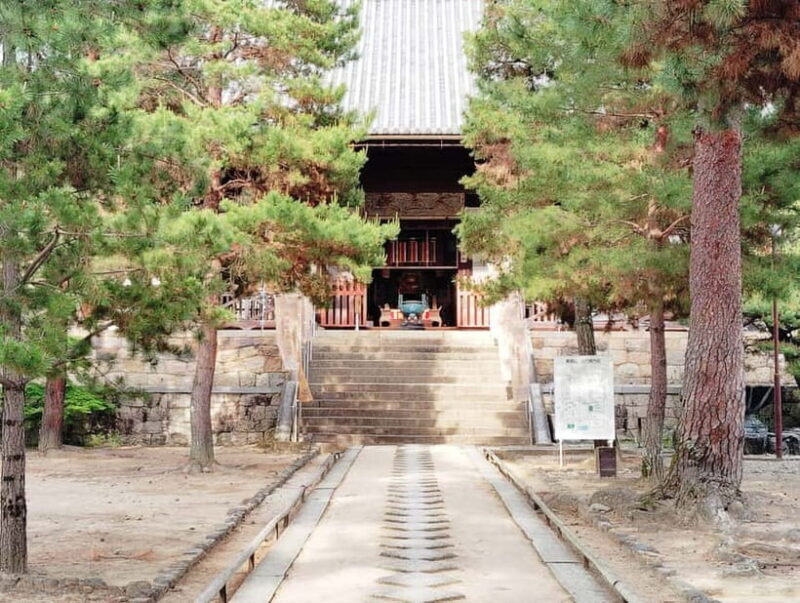 4 / 4
4 / 4Located just a few minutes’ walk from Obaku Station, Manpuku-ji is a quiet treasure for those willing to stray from the crowds. Unlike Kyoto’s more famous temples, this site offers a more intimate, less commercialized experience. Founded in 1661 by the Chinese monk Ingen Ryuki, it represents a pivotal moment in Japanese Buddhist history — the introduction of Chinese-style Zen practices and architecture.
You can also read our reviews of more tours and experiences in Kyoto.
The Architectural Marvels
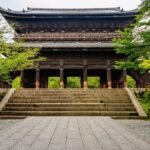
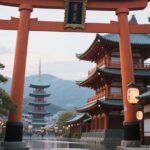
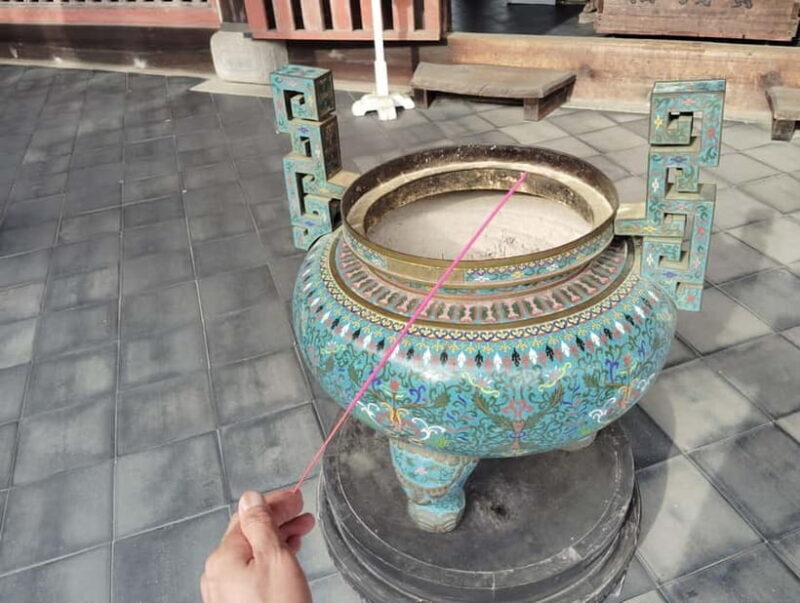
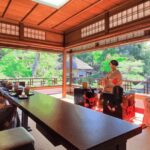
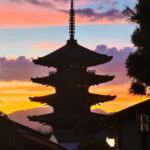
What immediately catches your eye at Manpuku-ji is its Chinese Ming dynasty style architecture. Unlike the typical Japanese pagodas or shoin-zukuri structures, the temple’s design includes symmetrical layouts, vivid vermilion gates, curved rooftops, and lattice windows. These elements evoke a sense of being transported to 17th-century China, which is rare in Japanese temple architecture.
Visitors often express surprise at how vividly these features stand out in Japan. One reviewer noted, “It’s a chance to experience a slice of Chinese-Japanese fusion from the Edo period, in a quiet and contemplative setting that most travelers overlook.” This fusion is not just superficial; it influences the spiritual aura of the place, blending two rich cultural traditions.
The Main Hall and the Buddha
At the heart of the grounds is the Tenno-den Hall, home to a striking statue of Shakyamuni Buddha. Flanked by 18 expressive arhats, the statue embodies a calm authority that’s surprisingly accessible. The hall’s layout and decoration further emphasize the Chinese influence, with vivid colors and elegant architecture.
Guests have described the scene as “peaceful and majestic,” with the soft rustle of leaves and distant chants adding to the atmosphere. The setting doesn’t scream “tourist trap,” but instead whispers “spiritual refuge” — making it ideal for those seeking an authentic, quiet experience.
The Experience
The guided tour lasts roughly an hour, during which your guide will point out architectural details and share stories of Ingen Ryuki’s journey and vision. The experience is as much about mood as it is about facts — you’ll hear the faint echo of monks’ chanting, the crunch of gravel underfoot, and the rustling leaves that seem to hold the temple’s secrets.
One reviewer appreciated the calm, unhurried pace, stating, “It’s not just a visit, it’s a moment of stillness. You leave feeling more grounded.” For many, that’s exactly what they’re after — a peaceful break from the more crowded cultural sites.
More Great Tours NearbyPractical Information & Value
The cost of $51 per person is quite reasonable considering the depth of the experience. The guided tour covers the architecture, history, and spiritual significance, offering good value for those interested in cultural layers rather than just sightseeing. The tour starts promptly at the ticket gate of JR Baku Station, where your guide will hold a yellow “DeepExperience” sign. The tour concludes back at the same meeting point, making logistics straightforward.
The tour is available in English and Japanese, accommodating international visitors comfortably. You can reserve your spot and choose to pay later, providing flexibility in your planning.


Who Will Love This Tour?
This experience is perfect for travelers who prefer authentic, contemplative sights over busy tourist attractions. It appeals especially to those interested in architecture, history, and cross-cultural influences. If you’re in Uji for its famous matcha tea, Byodoin Temple, or riverside walks, adding this quiet temple to your itinerary is easy and rewarding.
It’s also an excellent choice for visitors who want a more intimate, less commercialized experience that offers insight into Chinese influence on Japanese Buddhism. If you’re traveling with a curious mind and a desire for peaceful reflection, this tour will meet those needs well.
Final Thoughts: Is It Worth It?
For $51, the tour offers a surprisingly rich glimpse into a rarely visited corner of Japanese culture. The chance to see a Chinese Ming-style temple in Japan, guided by knowledgeable hosts, makes it a high-value option. You’ll leave with a better understanding of cultural fusion and a peaceful memory that stands apart from the busier Kyoto sights.
This experience is best suited for adventurous travelers who appreciate architecture, history, and serenity. If you’re craving a break from crowds and a taste of East Asian cultural exchange, this tour delivers exactly that — a quiet, meaningful moment in Uji.
Kyoto: Journey to Manpuku-ji, Ujis Best-Kept Secret
FAQ
How do I get to Manpuku-ji?
It’s just a short walk from Obaku Station, making it convenient to include in a day trip from Kyoto or Uji.
What does the tour include?
The guided visit to Manpuku-ji covers the architecture, the main hall with its Buddha statue, and insights into the temple’s history and cultural significance.
Is there an age limit?
The tour is suitable for most ages, especially those interested in history, architecture, or peaceful settings.
Can I pay on the day of the tour?
Yes, you can reserve your spot now and pay later, offering flexibility in your travel plans.
What language options are available?
Tours are offered in both English and Japanese.
How long is the tour?
The guided experience lasts approximately an hour, with the walk and exploration fitting into a manageable timeframe.
Is the experience suitable for those with mobility issues?
While details aren’t specified, the grounds are generally flat and manageable, but it’s best to check with the provider if mobility is a concern.
What should I bring?
Comfortable shoes, a bottle of water, and a camera. Be sure to bring respectful attire, especially if you plan to enter the halls.
Are there any discounts or free cancellations?
You can cancel up to 24 hours in advance for a full refund, making it a flexible option to try if your plans change.
In all, this tour of Manpuku-ji offers a rare opportunity to step into a Chinese-influenced Zen temple in Japan, without the crowds and commercialism of more popular sites. It’s a quiet, authentic journey into cultural fusion and spiritual tranquility — perfect for travelers seeking a meaningful, off-the-beaten-path experience in Uji.
You can check availability for your dates here: