Planning a quick yet enriching visit to Kyoto? This Kyoto Morning Tour offers a well-rounded glimpse of the city’s most iconic UNESCO World Heritage sites in just under five hours. Designed for travelers with limited time, it packs in history, architecture, and stunning gardens, all with expert guidance.
Whether you’re visiting for a brief stopover or just want a taste of Kyoto’s highlights, this tour promises a convenient and informative experience.
What we love about this tour is its balanced itinerary—covering three major sights efficiently—and the knowledgeable guides who bring local history alive. Another plus: transportation is provided, easing the challenge of navigating Kyoto’s sometimes confusing streets and opening hours.
However, a potential drawback is that some sites might be closed during your visit, which is common in Japan but worth noting when planning your day.
This tour suits travelers who crave a structured overview of Kyoto without sacrificing quality or depth. It’s ideal if you want to see the highlights quickly, understand their significance, and have a comfortable, hassle-free experience. If you’re after a leisurely stroll or want to explore off the beaten path, you might prefer a more specialized or flexible option. But for efficient sightseeing, this tour hits the spot.
- Key Points
- What to Expect from the Tour
- Nijo Castle: The Birthplace of Feudal Power
- Kinkakuji Temple: Japan’s Iconic Golden Pavilion
- Kyoto Imperial Palace: The Former Imperial Residence
- Transport and Logistics
- The Experience: Pros and Cons
- Is This Tour Worth It?
- FAQ
- More Morning in Kyoto
- More Tours in Kyoto
- More Tour Reviews in Kyoto
Key Points
 1 / 4
1 / 4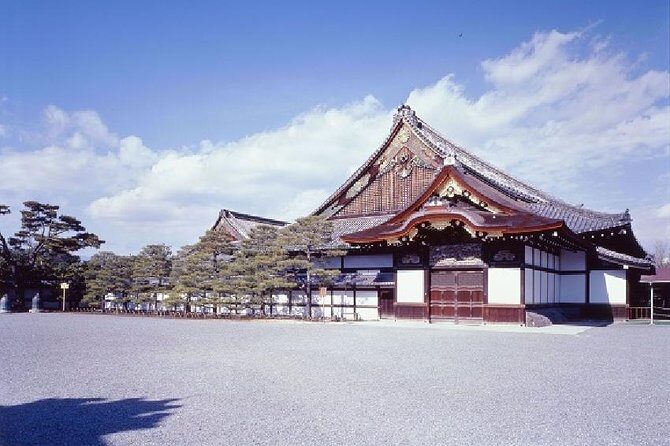 2 / 4
2 / 4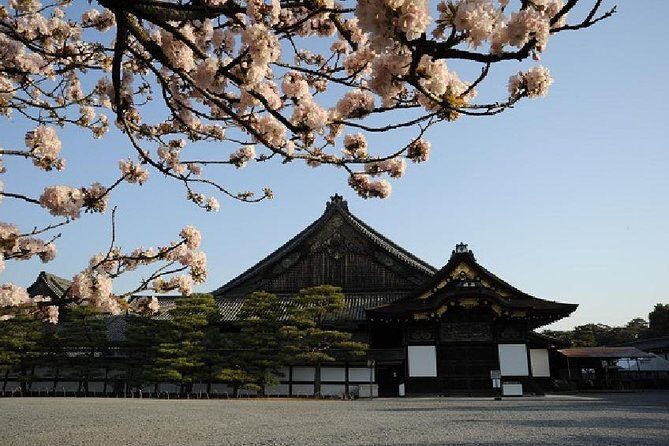 3 / 4
3 / 4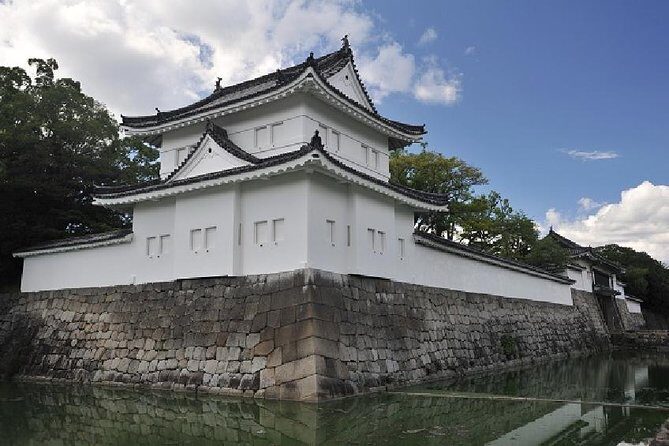 4 / 4
4 / 4- Time-efficient: Covers three top UNESCO sites in under five hours
- Expert guidance: Knowledgeable guides enrich the experience with historical insights
- Convenient transport: All site-to-site travel is by air-conditioned vehicle
- Inclusive pricing: Entrance fees and transport are included, offering good value
- Limited walking: Ideal for travelers who prefer to see sights without extensive walking
- Possible closures: Sites like the Imperial Palace may be closed on certain days, replaced with alternatives
What to Expect from the Tour
This half-day itinerary is thoughtfully designed to give you a whirlwind overview of Kyoto’s most celebrated heritage sites. You’ll start early, meeting at the designated spot near Kyoto Station, with the tour beginning around 8:20am. From there, the journey unfolds with stops at Nijo Castle, Kinkakuji Temple (Golden Pavilion), and the Kyoto Imperial Palace or an alternative shrine if the Palace is closed. Each site is selected for its historical importance and visual appeal, making this a perfect primer for deeper exploration later.
You can also read our reviews of more tours and experiences in Kyoto
Nijo Castle: The Birthplace of Feudal Power
Your first stop is Nijo Castle, a UNESCO site built in 1603 for the Tokugawa shogunate. The design is both practical and elegant, with five interconnected structures built from Cypress wood. What makes this site extra special is its Ninomaru Palace, with its famous “nightingale floors” that chirp when walked upon—originally a security feature. Inside, the gold leaf-adorned rooms and detailed carvings give a real sense of the power and artistry of early Edo Japan.
Many reviewers point out how the guide’s commentary makes this visit engaging. One noted, “KC was a great guide full of information,” making the history come alive as you walk through the gardens and the palace interiors. Keep in mind that the tour does not include entry to the Honmaru Palace or the Painting Gallery, which would require a longer visit.
Kinkakuji Temple: Japan’s Iconic Golden Pavilion
Next, you’ll head to Kinkakuji, undoubtedly Kyoto’s most photographed sight. The Golden Pavilion, covered in shimmering gold leaf, reflects perfectly in the pond surrounding it—a sight that’s even more stunning in person. Here, you’ll have around 45 minutes to stroll through the beautiful Japanese gardens and admire the intricate architecture of the temple.
Many visitors find this stop a highlight due to its visual impact and tranquil setting. Several reviews mention the serenity and the impressive craftsmanship: “The Golden Pavilion was a special visit,” and others appreciated the peaceful gardens. Its popularity means it’s often crowded, but the guided visit helps you navigate the site efficiently.
Kyoto Imperial Palace: The Former Imperial Residence
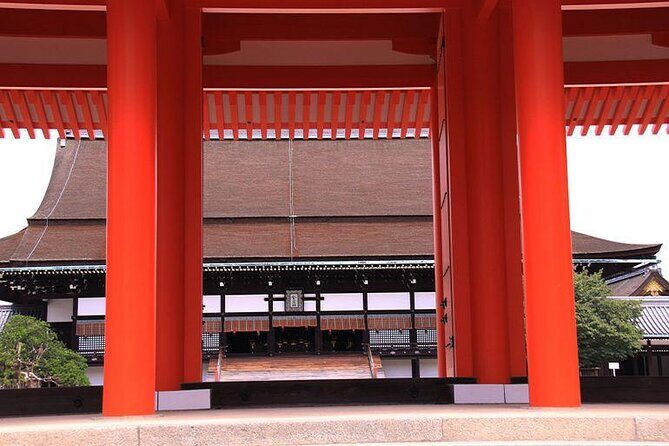
Your final stop is the Kyoto Imperial Palace, which served as the residence of Japan’s emperors until 1868. The tour includes a view of the former site of imperial enthronements and the elegant simplicity of the buildings. The guided commentary offers insights into imperial ceremonies and architecture.
However, the tour is aware that the Palace’s interior is sometimes closed. On days when that happens, the guide will take you to Kitano Tenmangu Shrine, famous for its main hall being a national treasure and its seasonal blossoms—plum in spring and autumn leaves later in the year. Reviewers have mixed feelings about the Palace’s accessibility, with some disappointed that they couldn’t go inside but still appreciating the external views.
Transport and Logistics
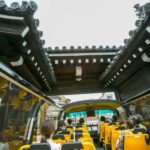
All transportation between sites is by air-conditioned vehicle, which makes for a comfortable ride, especially in Kyoto’s often humid weather. The group size can be up to 40 travelers, but most reviews mention feeling well-managed and not overly crowded. The tour concludes back at Kyoto Station, making it easy to continue your day or catch a train elsewhere.
The Experience: Pros and Cons
Many travelers praise the expert guidance and the stories told along the way. “KC was a great guide full of information,” one reviewer notes, highlighting the value of having an engaging expert to bring the sites alive. The inclusion of admission fees and transport in the price offers good value, especially compared to the costs of visiting these sites individually.
However, some reviews point out potential issues. The closure of the Imperial Palace on certain days can be disappointing, and some visitors found the schedule a bit rushed—only about 40 to 50 minutes at each site—so don’t expect a leisurely pace. The bus can be crowded, and the visits to some sites may involve a bit of walking or standing, so comfortable shoes are advisable.
A few reviews mention logistical hiccups, like difficulty finding the meeting point or confusion when the itinerary switches to alternative sites. Still, the tour operator generally responds quickly, and many travelers appreciated the well-organized plans and the friendly guides.
Is This Tour Worth It?
Considering the $86.08 price tag, including entrance fees and transportation, this tour offers solid value for travelers wanting a compact, guided introduction to Kyoto. It’s perfect for those with limited time who want to see the iconic sights without the hassle of planning individual visits. The guided aspect helps you understand the significance of each site, making your sightseeing more meaningful.
The group size, the transport logistics, and the well-curated itinerary make it a convenient option for first-timers or those who prefer a structured experience. That said, if you desire to explore deeper or avoid scheduled visits to sites that might be closed, you might want to consider customizing your own day or joining a private tour.
This experience is best suited for travelers who want a quick but rundown of Kyoto’s major UNESCO sites. It’s ideal if you prefer guided tours that handle all logistics, want to avoid long walks or public transport, and value insightful commentary from knowledgeable guides. It’s also a good fit for those short on time but eager to see the highlights with minimal fuss.
If you’re a history buff or photographer looking for a more relaxed pace or access to interior areas, you might find this tour a bit rushed and somewhat limited in scope. But for efficient, informative sightseeing, it’s hard to beat.
This Kyoto Morning Tour offers a practical and well-organized way to glimpse the city’s most famous landmarks. The included transport and guides make it a hassle-free way to see three UNESCO World Heritage sites in a half-day, saving you the trouble of navigating Kyoto’s busy streets and complex entry procedures.
The highlights—Nijo Castle’s historic interiors, Kinkakuji’s shimmering gold, and the symbolism of the Imperial Palace—are effectively showcased. Many visitors appreciate the guides’ engaging commentary, which makes the sightseeing more meaningful.
Of course, no tour is perfect; closures and a slightly brisk pace are the main caveats. But if you’re after value, convenience, and a solid introduction to Kyoto, this tour is a smart choice—especially if you’re visiting Japan on a tight schedule.
Kyoto Morning Tour (Round Trip from Kyoto)
FAQ
Will I see inside the Imperial Palace?
Not always. If the Palace is closed on the day of your tour, you’ll visit Kitano Tenmangu Shrine instead, which is also worth seeing.
How long is the tour?
Approximately 4 hours and 40 minutes, including brief stops at each site and transportation.
Are entrance fees included?
Yes, all site entrance fees are covered in the tour price.
Can children join this tour?
Yes, children up to 5 years old can participate free of charge but will not be assigned a bus seat. For a seat, a child rate applies.
What if sites are closed?
The tour may substitute other attractions, like Nishi Hongan-ji Temple, with no refund for these changes. The itinerary is subject to site availability.
Is this tour suitable for people with mobility issues?
While transport is provided, some walking and standing are involved, so it may not be ideal for those with significant mobility challenges.
This guided half-day tour of Kyoto offers a practical, engaging way to see the city’s most iconic UNESCO sites without overextending your schedule. With a good balance of guided insights and sightseeing, it’s perfect for travelers who want to make the most of a short stay while still experiencing the essence of Kyoto.