This tour offers a fascinating glimpse into Kyoto’s deep-rooted tea traditions combined with the city’s charming streets and historic temples. It’s designed for travelers eager to go beyond the usual sightseeing and dive into the subtle beauty of Wabi-sabi, the Japanese aesthetic valuing imperfection and transience, all within the atmospheric Gion district.
What we love about this experience is its perfect blend of cultural storytelling and hands-on participation. You’ll enjoy a thoughtfully curated walk through Kyoto’s storied streets, rich with history and hidden corners, culminating in an authentic tea ceremony led by a master. The second big plus? The guides are genuinely knowledgeable, sharing insights that bring the city’s traditions to life.
A possible consideration is the tour’s pace—it’s quite walking-intensive, so comfortable shoes are a must, especially in the humid summer. Also, some travelers might find the schedule tight if they prefer more leisurely exploration. But overall, this tour suits those curious about Japanese culture, art lovers, and anyone who appreciates the quiet grace of traditional ceremonies.
- Key Points
- An In-Depth Look at the Kyoto Tea Ceremony and Gion Wabi-sabi Walking Tour
- Introduction to the Tour Experience
- Why This Tour Offers Great Value
- The Itinerary Breakdown
- Stop 1: Gion and Matcha Shop
- Stop 2: Kennin-ji Temple
- Stop 3: Artisanal Tea Tools at 24 Tsukimichi
- Stop 4: Ishibe Alley
- Stop 5: Kyoto Rakusai
- Stop 6: Entoku-in Temple
- Stop 7: Kyo-yaki Pottery at Zengoro
- Final Stop: The Tea Ceremony at Chayu
- What to Expect
- Authenticity, Value, and Cultural Depth
- The Wabi-sabi Touch
- Who Will Love This Tour?
- The Sum Up
- FAQ
- More Walking Tours in Kyoto
- More Tours in Kyoto
- More Tour Reviews in Kyoto
Key Points
- Authentic Cultural Experience: Combines historical walks with a traditional tea ceremony.
- Expert Guides: Knowledgeable, friendly guides share rich insights into Kyoto’s culture and Wabi-sabi.
- Visually Stunning Stops: Temples, alleyways, and local craft shops provide photogenic moments.
- Hands-On Participation: You get to choose your tea bowl and enjoy an intimate tea ceremony.
- Value for Money: Price includes temples, a tea ceremony, and guided insights, making it well worth the cost.
- Small Group Size: Max of 7 travelers ensures a personal experience.
An In-Depth Look at the Kyoto Tea Ceremony and Gion Wabi-sabi Walking Tour
You can also read our reviews of more walking tours in Kyoto


Introduction to the Tour Experience
This walking tour offers a well-rounded taste of Kyoto’s layered culture, focusing on tea tradition and Wabi-sabi aesthetics. While we haven’t taken the tour ourselves, reviews consistently highlight its quality—most notably, the expert guides and authentic experiences.
What stands out immediately is the attention to detail—visiting a famed matcha shop in Gion, exploring a centuries-old temple, and walking down historic alleyways—all with a guide eager to share stories that deepen your understanding of Kyoto’s spiritual and artistic roots.
The conclusion with a real tea ceremony is the tour’s highlight: an opportunity to see and participate in a ritual that’s been part of Japanese life for generations. The blend of sights, storytelling, and hands-on participation makes this more than just a walk—it’s a window into Japanese soulfulness.
The only caveat: this tour runs for about 3.5 hours, and it’s primarily on foot, so expect some walking, sometimes on uneven surfaces, and bring comfortable shoes.
Why This Tour Offers Great Value
At roughly $81, this experience packs in a lot: temples, artisan shops, cultural insights, and a private-style tea ceremony. Considering the inclusion of entrance fees to two temples and the actual tea-making, it’s a comprehensive, cost-effective way to deepen your Kyoto understanding without the hassle of organizing separate visits. Plus, guided photo opportunities and the chance to ask questions make it more engaging.
The Itinerary Breakdown
Stop 1: Gion and Matcha Shop
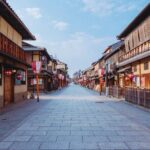
Your journey begins in the famous Gion district, where a knowledgeable guide will introduce you to Kyoto’s historical backdrop. Walking through this traditional district, you’ll visit a renowned matcha shop, learning about the history of Japanese tea and how it’s made.
This stop isn’t just about tasting; it’s about understanding the cultural significance of matcha. Several reviews mention how friendly guides are at explaining the process, making it accessible even for complete beginners. One reviewer fondly recalls the “powerful memories” created during the tea ceremony, emphasizing the emotional depth of this experience.
Stop 2: Kennin-ji Temple
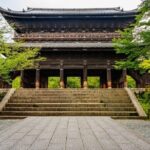
Next, you’ll visit Kennin-ji, Kyoto’s oldest Zen temple, with centuries of history and stunning architecture. The temple’s serene atmosphere and historic significance make it a must-see. Entry is free, and the guide will highlight features like the temple’s role in Japanese Buddhism and architecture.
Reviewers have appreciated the chance to explore a less touristy, more authentic temple, with one noting the “green moss glowing ever greener” in the spring rain—an image that truly captures the peaceful beauty of these sacred spaces.
Stop 3: Artisanal Tea Tools at 24 Tsukimichi
Here, you’ll get a close look at what tea masters use to prepare and serve tea, including traditional pourers and bowls. This stop offers insight into the craftsmanship behind the tea ceremony, making it more meaningful when you finally participate.
Reviewers say this adds a rich layer of understanding, and some mention how they enjoyed seeing the artisan products, which could be a perfect souvenir shopping stop.
Stop 4: Ishibe Alley
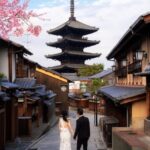
Walking down Ishibe Alley, you’ll feel as though you’ve stepped into a scene from a movie—narrow lanes lined with traditional wooden machiya houses, quiet and atmospheric. The alley’s cultural significance is palpable, and many visitors describe it as a “must-see” for its authentic and nostalgic feeling.
Reviews praise its beauty, with one saying, “you will feel as if you entered a scene from a movie.” The alley is ideal for photography and quiet reflection.
Stop 5: Kyoto Rakusai
This brief stop introduces you to local crafts or souvenirs, giving you a chance to pick up something special to remember the day. Reviewers mention this as a nice addition—an authentic touch that supports local artisans.
Stop 6: Entoku-in Temple
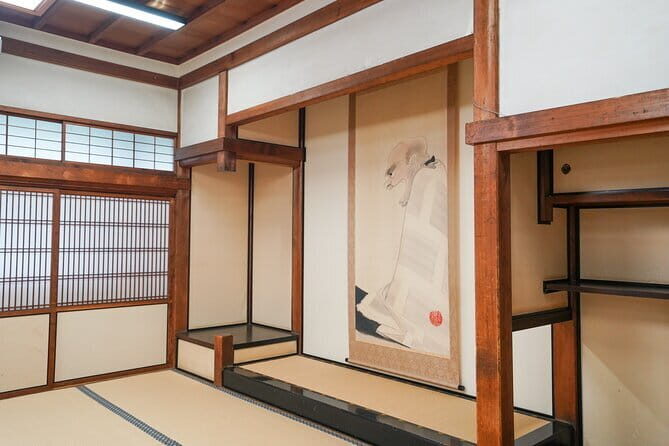
A tranquil Buddhist temple, Entoku-in offers stunning hand-painted sliding doors and beautifully illuminated landscaped grounds. This stop is a highlight for many, providing a peaceful setting for reflection and photos.
The guide will share insights into Zen practices and how the temple’s aesthetics embody Wabi-sabi principles—an appreciation of imperfection and transience. Reviewers note that this was a calming, almost meditative experience.
Stop 7: Kyo-yaki Pottery at Zengoro
You will visit a pottery studio led by a master of Kyo-yaki, a traditional Kyoto ceramic style. Here, you can see artisans at work and learn about Japanese ceramics’ role in tea and daily life.
One reviewer appreciated the artisan products, describing the pottery as “beautiful and functional,” and giving a sense of the craftsmanship that continues today.
Final Stop: The Tea Ceremony at Chayu
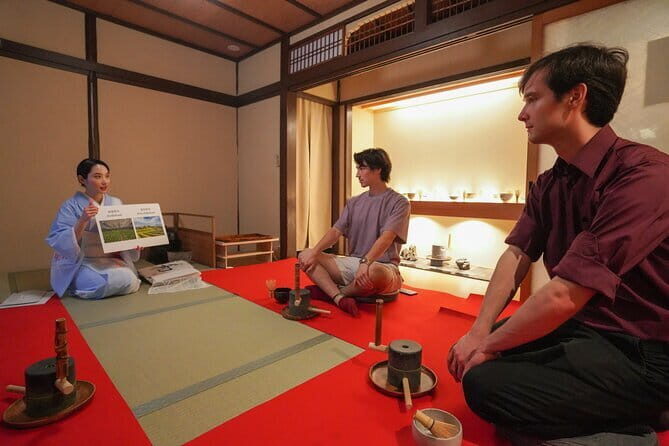
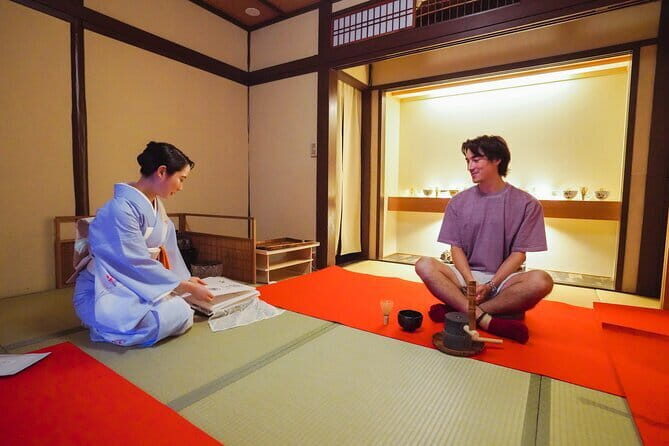
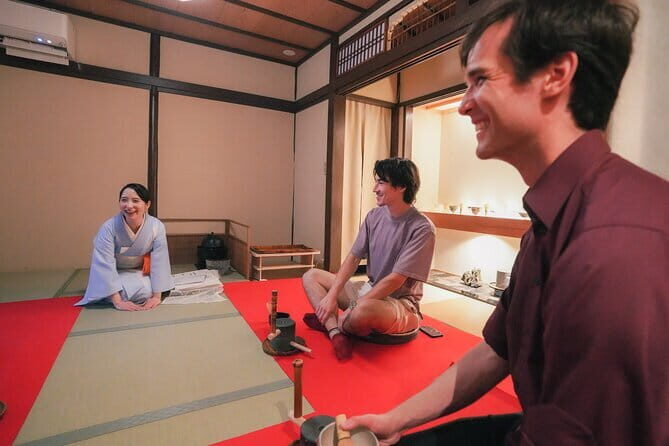
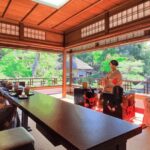
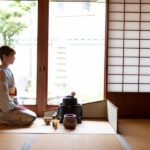
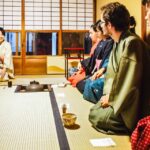
The closing segment is the most memorable: a hands-on tea ceremony led by a master. You’ll select a tea bowl according to the season and taste, enjoy traditional Japanese sweets, and witness the meticulous process of preparing matcha.
Reviewers rave about the relaxing, almost spiritual experience—many mention how it provided a peaceful, calming moment amid their busy trip. One user said, “Time stopped during the Tea Ceremony,” emphasizing its meditative quality.
What to Expect
Throughout the tour, guides are praised for their friendly demeanor, extensive knowledge, and ability to translate cultural nuances into engaging stories. Small groups, typically just 7 participants, foster intimate conversations and personalized attention.
The duration is about 3 hours and 30 minutes, which balances sightseeing with meaningful stops. Expect some walking, so dress comfortably and prepare for Kyoto’s summer heat by staying hydrated and wearing a hat. The tour starts at 1:30 pm from Gion-Shijō Station, making it easy to combine with other afternoon activities.
Authenticity, Value, and Cultural Depth
Many reviews highlight how guides like Hide, Yuna, and Tsukito bring the city’s stories alive, making the experience genuinely personal. Visitors often comment on the knowledgeable guides and the special attention paid to sharing Kyoto’s lesser-known details.
Price-wise, at $81.34, including temple visits, a tea ceremony, and guided insights, the tour offers strong value. The inclusion of a traditional tea experience is a highlight—something that many travelers consider a bucket-list moment—and the small group size enhances the sense of connection and learning.
The Wabi-sabi Touch
Central to this tour is the appreciation of Wabi-sabi—the beauty of imperfection and transience—which guides the philosophy behind the tea ceremony and some temple aesthetics. Many reviewers mention how understanding Wabi-sabi deepened their appreciation for the subtle beauty of Japanese culture and architecture.
Who Will Love This Tour?
This experience is perfect for travelers interested in Japanese culture, tea traditions, and authentic Kyoto experiences. It’s ideal if you want a small-group setting with personal guidance, especially if you enjoy walking and exploring lesser-known streets. Art lovers, history buffs, and those seeking spiritual moments will find this tour especially rewarding.
However, if you prefer a more leisurely pace or dislike walking, consider how much time you might want to spend resting or exploring on your own afterward. The focus on cultural insights also makes it less suitable for those solely interested in sightseeing without engagement.
The Sum Up
This Kyoto Tea Ceremony and Gion Wabi-sabi Walking Tour offers an unforgettable blend of culture, history, and serenity. It’s a chance to see Kyoto from a local perspective, learn about the art of tea, and appreciate the imperfect beauty that Japan cherishes. The guides’ expertise, coupled with the charming stops and meaningful activities, make it a standout experience.
For those who want to go beyond typical tourist sights and truly connect with the soul of Kyoto, this tour delivers. The combination of tastefully curated stops, beautiful scenery, and hands-on participation promises a memorable journey into Japan’s subtle, refined aesthetic.
If you’re a curious traveler, eager to understand Kyoto’s spiritual and artistic heart, this is a highly recommended way to spend an afternoon. Just remember to wear comfortable shoes and bring your sense of wonder—your mind, and perhaps your palate, will thank you.
Kyoto Tea Ceremony and Gion Wabi-sabi Walking Tour
FAQ
What is the meeting point for this tour?
The tour begins at Gion-Shijō Station, specifically at Kawabatacho in the Higashiyama Ward.
How long does the tour last?
Approximately 3 hours and 30 minutes, including walking and stops.
What’s included in the price?
The tour includes visits to two temples, a guided walk, a hands-on tea ceremony, and photos during the tour.
Are guides fluent in English?
Yes, the guides are English-speaking, ensuring clear explanations throughout the experience.
Can I cancel the tour?
Yes, there is free cancellation available up to 24 hours in advance for a full refund.
Is this tour suitable for all ages?
Most travelers can participate, but it involves walking and some physical activity, so comfortable shoes are advised.
How many people are in each group?
The tour group is small, with a maximum of 7 travelers, ensuring a personal experience.
What should I bring?
Bring water, wear a hat in summer, and dress comfortably for walking.
Do I need to prepare anything in advance?
Just arrive on time and be ready to enjoy a cultural journey through Kyoto’s historic streets and tranquil temples.