If you’ve ever dreamed of conquering Africa’s highest peak, the Mount Kilimanjaro via the Lemosho Route is a compelling choice. We’ve gathered insights from travelers who’ve taken this journey with Suricata Safaris—a company praised for professionalism, knowledgeable guides, and authentic experiences.
While we haven’t climbed it ourselves, the detailed itinerary, glowing reviews, and honest descriptions paint a vivid picture of what to expect.
What makes this trek stand out? First, it’s the less-traveled path, meaning you’ll enjoy more solitude and untouched scenery. Second, the emphasis on personalized guidance and expert support makes this a good choice for those who want a well-organized adventure.
On the flip side, it’s a seven-day commitment—which isn’t just a walk in the park—and altitude will challenge even the most fit. Still, if you’re looking for a meaningful, immersive trek with stunning vistas and excellent support, this route could be your best bet. It’s ideal for adventurers with moderate physical fitness seeking a serious challenge but also a chance to connect deeply with nature.
- Key Points
- Starting Point: Arusha and the Journey to Kilimanjaro
- Day 1: Into the Rainforest
- Day 2: Heath and Moorland to Shira One Camp
- Day 3: Passing Lava Tower and Reaching Barranco Camp
- Day 4: Barranco Wall and Karanga Camp
- Day 5: To Barafu Camp
- Day 6: The Summit Attempt
- Day 7: The Final Descent and Return
- Price and Value
- Practical Considerations
- Final Thoughts
- The Best Of Arusha!
- More 7-Day Experiences in Arusha
- More Hiking & Trekking Tours in Arusha
- More Tour Reviews in Arusha
Key Points
- Less crowding on the scenic Lemosho Route offers a peaceful climb with stunning views.
- Expert guides and personalized service contribute to a safer, more enjoyable experience.
- The seven-day itinerary balances acclimatization and adventure, reducing risks of altitude sickness.
- Affordable value at around $2,800 per person for a well-managed, authentic trek.
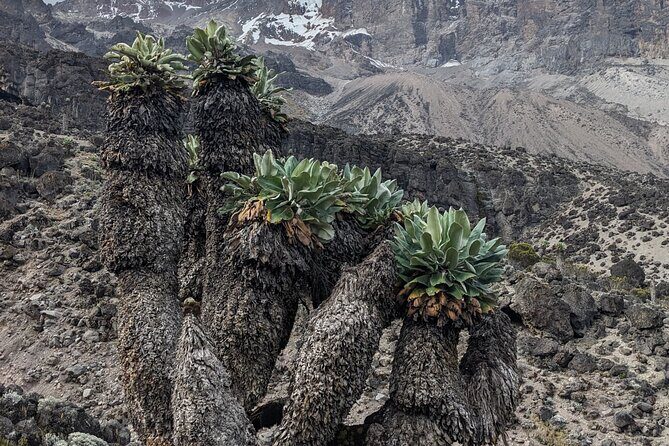
- Incredible scenery from rainforest to alpine deserts, Lava Tower, and the summit at Uhuru Peak.
- Reliable reviews highlight professionalism, friendly staff, and unforgettable views.
👉 See our pick of the Arusha’s 7 Best Tours & Things To Do
Starting Point: Arusha and the Journey to Kilimanjaro
 1 / 4
1 / 4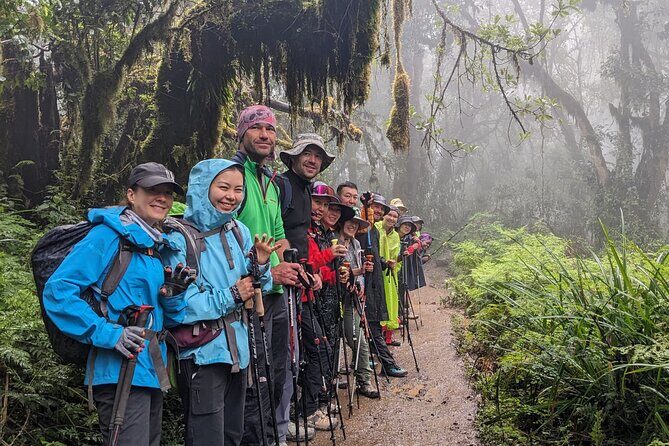 2 / 4
2 / 4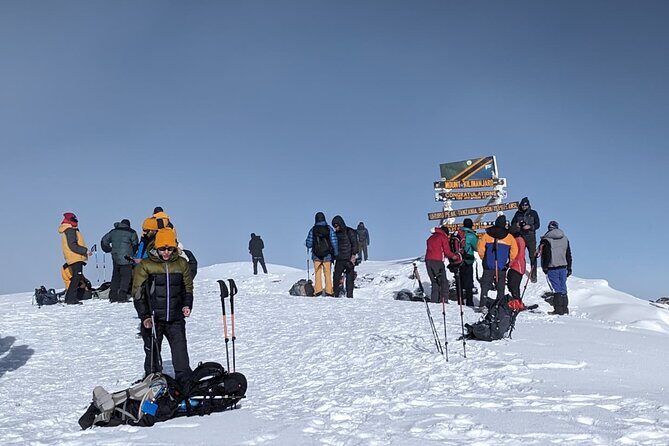 3 / 4
3 / 4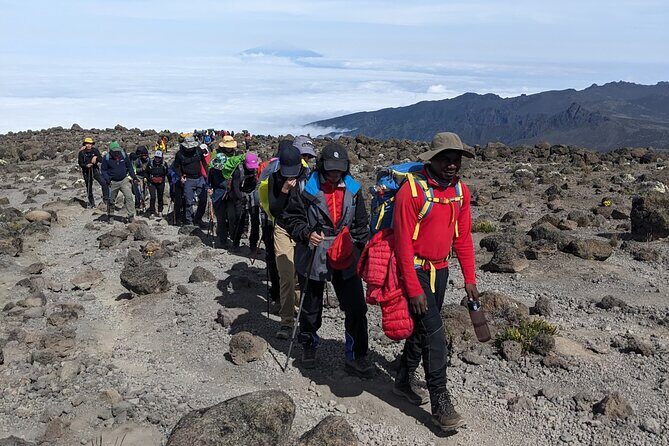 4 / 4
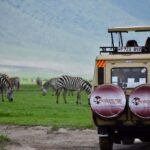
4 / 4Your adventure kicks off in Arusha, a lively base for many Tanzanian safaris and climbs. From there, Suricata Safaris will pick you up and transfer you to the Kilimanjaro National Park, a scenic 1-hour drive in a comfortable 4×4 Land Cruiser. The journey itself offers a glimpse of Tanzanian countryside, setting a relaxed tone for what’s ahead.
The first official stop is Londorossi Gate at 2250 meters, where you’ll get your permits sorted—a simple process that involves registration and payment. Afterward, your group will descend a bit to the Lemosho starting point at 2100 meters. The walk into the rainforest from here is gentle but lush, giving you that first taste of Kilimanjaro’s vibrant ecosystem.
You can also read our reviews of more hiking tours in Arusha
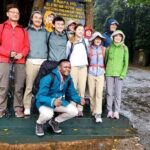
Day 1: Into the Rainforest
The initial climb is about 6 km and takes roughly 3 hours, leading to Mti Mkubwa Camp at 2750 meters. Travelers report that the rainforest walk is a gentle opening to the adventure, with the chance to see diverse flora and possibly some wildlife. The lush surroundings make this a peaceful introduction, with plenty of opportunities to acclimate gradually.
Reviewers love the way guides manage pace and share knowledge of flora and fauna. The scenery feels alive and vibrant—an excellent start that sets the mood for the days ahead.
Day 2: Heath and Moorland to Shira One Camp
This day involves a 13 km hike, gaining 1100 meters in altitude, taking about 6 hours. You’ll traverse the heath and moorland zones, which feel more exposed than the rainforest but equally mesmerizing. The highlight is reaching Shira One Camp at 3500 meters, which offers sweeping views of the surrounding landscape.
Travelers mention that managing the ascent pace is crucial, but the gradual rise helps with acclimatization. The terrain here shifts from lush forest to more open, rocky scenery—perfect for photographers seeking dramatic landscapes.
Day 3: Passing Lava Tower and Reaching Barranco Camp
This long day (about 6-7 hours) covers 10.75 km and involves passing the Lava Tower at 4600 meters. This is key for acclimatization, letting your body adapt to higher elevations. The ascent is challenging but rewarding, with many reviews noting that the experience is well-supported by guides and porters.
Reaching Barranco Camp at 3940 meters, you’ll be tired but ready for the next day’s adventures. Reviewers emphasize that the guides are experienced, making even a long, tough day manageable.
Day 4: Barranco Wall and Karanga Camp
The morning starts with the famous Barranco Wall, an exciting scramble that is often a highlight for trekkers. Although steep, it’s considered manageable with proper guidance, and it offers incredible views of the surrounding volcanoes.
After conquering the wall, your group heads to Karanga Camp, a shorter day of 4.25 km with a light ascent of 250 meters. Reviewers praise the short, manageable hike, giving time for rest and acclimatization. The camp’s close proximity to the summit route makes it an ideal staging point.
You can also read our reviews of more tours and experiences in Arusha
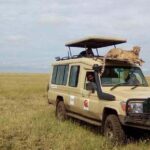
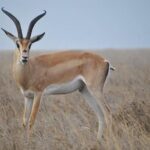
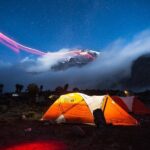
Day 5: To Barafu Camp
This day involves a 3-4 hour hike covering 4.25 km and ascending 600 meters to Barafu Camp at 4600 meters. Expect a hot lunch upon arrival and some rest before an early dinner. Here, the anticipation builds, and many travelers note the camp’s basic but adequate facilities.
Guide comments highlight how important proper rest is before the summit push, which is coming soon.
Day 6: The Summit Attempt
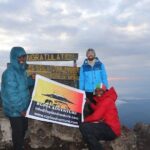
The big day. Usually starting around midnight, you’ll wake up for hot drinks and snacks before the 6-7 hour climb to Uhuru Peak at 5895 meters. The ascent involves around 4.86 km of walking, with a steep 1295-meter climb. The atmosphere is tense but exhilarating, with many describing the experience as life-changing.
The descent from the summit back to Barafu takes about three hours, followed by a hot lunch and then the long walk down through the alpine desert, heath, and rainforest to Mweka Camp at 3100 meters. Reviewers repeatedly mention the fatigue but also the unmatched feeling of achievement.
Day 7: The Final Descent and Return
The last leg is about 3-4 hours down to Mweka Gate at 1800 meters. Passing back through the rainforest, you’ll reflect on your journey. At the gate, successful climbers receive a certificate—a small but meaningful token of your accomplishment.
Afterward, you’ll be transferred back to Arusha, where most travelers feel a mix of exhaustion, pride, and awe.
Authentic guides make all the difference. Multiple reviews praise the professionalism, friendliness, and experience of guides like Fred and Mike. Their knowledge and calm demeanor help keep spirits high, even during the toughest parts.
The scenery is consistently described as breathtaking. From lush rainforests to volcanic deserts and the panoramic views at Lava Tower, the landscape shifts dramatically and offers plenty of photo opportunities.
One reviewer noted that altitude can be a challenge, especially on summit day, but the gradual approach and acclimatization schedule help mitigate risks. The seven-day duration is seen as a good balance—long enough to acclimate, but not so extended that it becomes overly taxing.
Price and Value
At $2,800 per person, this trek is competitive considering the quality of guides, support staff, and logistics. The inclusion of permits, meals, and transport makes it a straightforward package. Many reviewers feel that the value exceeds the price, especially given the personal attention and safety measures.
Practical Considerations
While the trek is manageable for those with moderate physical fitness, altitude remains a challenge. Proper preparation, physical fitness, and a positive attitude are essential. The group size (up to 8 travelers) ensures a more personalized experience, with ample support from guides and porters.
Transportation is comfortable and reliable, and the pickup service adds convenience. The tour runs year-round, with flexible dates, making it accessible for many travelers.
This Kilimanjaro climb is ideal for adventurers seeking a genuine challenge combined with expert support. If you value scenic variety, a quieter route, and a professional team, this trek delivers. It’s particularly well-suited for those with moderate fitness levels who are willing to commit to a week of moderate physical activity.
Travelers who want a balanced, well-organized expedition with plenty of opportunities for rest and acclimatization will find this route rewarding. It’s perfect if you’re looking for a meaningful, authentic experience rather than just a quick summit.
Lemosho Route 7 Days Trekking at Mount Kilimanjaro
Final Thoughts
Climbing Mount Kilimanjaro via the Lemosho Route with Suricata Safaris provides an excellent mix of scenic beauty, expert guidance, and personal achievement. The route’s quieter trails allow for a more intimate experience with nature, while the carefully crafted itinerary supports successful summiting.
The reviews testify to the professionalism and caring attitude of the staff, making this a trusted choice. Though the climb is physically demanding, the support, stunning scenery, and sense of accomplishment make every step worthwhile.
If you’re ready for a genuine adventure that tests your limits and rewards you with unforgettable views and stories, this 7-day Kilimanjaro trek might be your perfect fit.
What is included in the tour cost?
The price covers a certified guide, all meals (breakfast, lunch, dinner), permits, transportation from Arusha, and accommodations at campsites.
Are airport transfers provided?
Yes, pickup is offered, making it convenient to start your adventure without worrying about transportation.
What should I expect at each campsite?
Each campsite provides basic facilities, including tents, meals, and a safe environment for acclimatization and rest.
How challenging is the trek?
It’s suitable for travelers with moderate physical fitness, but altitude can be tough. The route’s design helps with acclimatization, though some days involve steep ascents.
Can I cancel or reschedule?
Yes, free cancellation is available up to 24 hours before the start. Changes less than 24 hours beforehand are not accepted, and refunds are not issued within that window.
What is the best time of year to climb Kilimanjaro?
The tour operates year-round, but generally, dry months are preferred for clearer skies and easier climbs.
Is there a limit on group size?
Yes, the maximum group size is 8 travelers, ensuring personalized attention and better support.