If you’re seeking a chance to step beyond the usual tourist sights and connect with local life in Zambia, the Livingstone: African Village and Foods Cooking Tour offers an authentic window into the everyday. It’s a chance to meet the Toka Leya people, learn how they prepare their traditional foods, and experience their community firsthand. This isn’t a polished museum visit — it’s a living, breathing cultural exchange.
What makes this tour particularly appealing? First, you get to see local life up close, from visiting a village school and clinic to interacting with families. Second, the hands-on cooking experience means you’ll actually learn how to prepare Zambian dishes, not just watch someone else do it. It’s a rare chance for an immersive cultural activity in a setting that offers genuine insight.
Of course, there are considerations. The tour involves active participation in cooking and outdoor touring, so it’s best suited for travelers comfortable with getting their hands dirty and eating with their fingers. Also, if you have food allergies, note that the experience is quite traditional — so check ahead about dietary restrictions.
This experience is ideal for curious travelers eager to understand Zambian village life beyond the usual safaris or luxury lodges. It’s perfect for those who want stories, authentic interactions, and a meaningful meal in a local setting.
If you’re after a genuine cultural exchange and don’t mind a bit of dirt and mess, this tour will leave you with more than just photos — it’ll leave a deeper appreciation for Zambia’s traditions.
- Key Points
- A Closer Look at the Experience
- Starting the Day: From Hotel to Market
- Visiting the Village
- Learning to Cook in the Village
- Dining the Zambian Way
- Wrapping up the Day
- Is It Worth the Price?
- What Travelers Say
- Practical Details
- Who Should Consider This Tour?
- The Sum Up
- FAQ
- The Best Of Livingstone!
- More Cooking Classes in Livingstone
- More Tours in Livingstone
- More Tour Reviews in Livingstone
Key Points
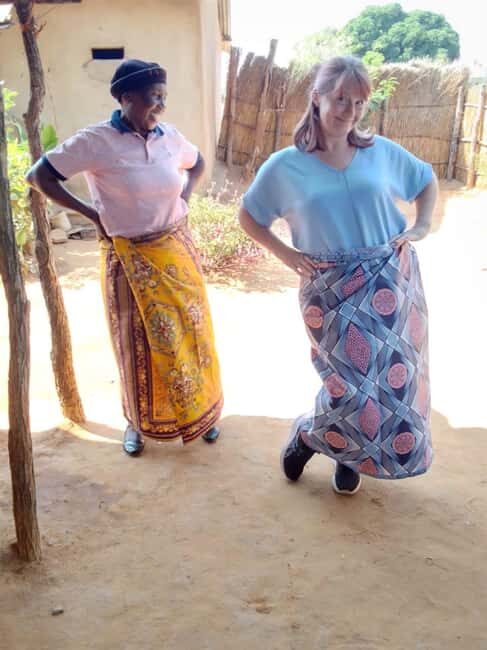
- Authentic cultural experience: Visit a traditional Zambian village, meet local families, and explore their daily lives.
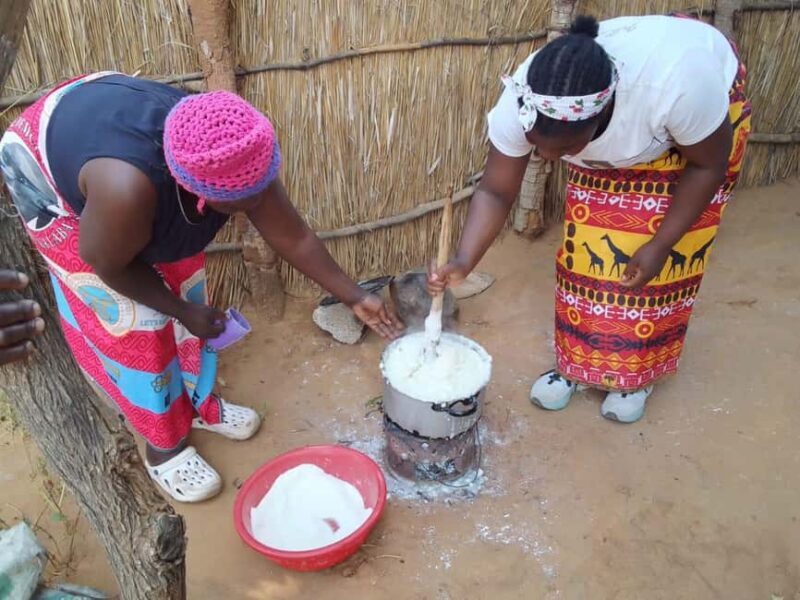
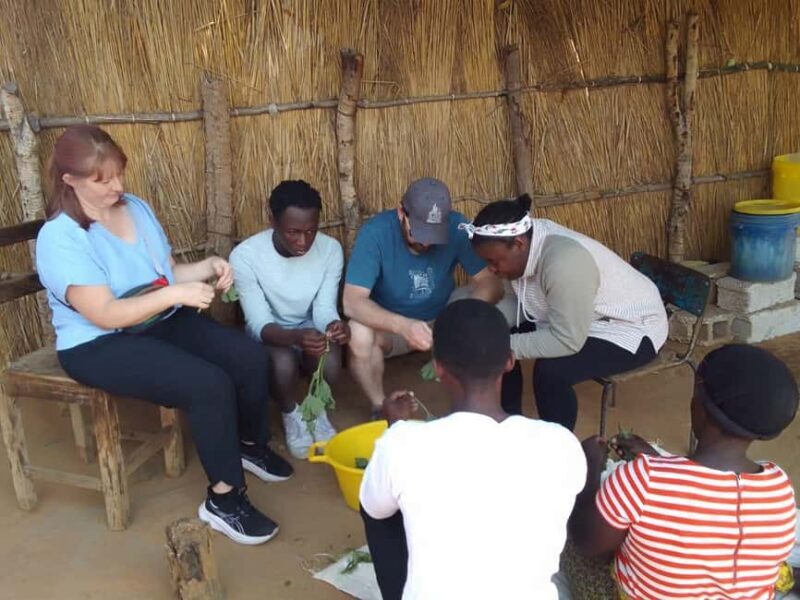
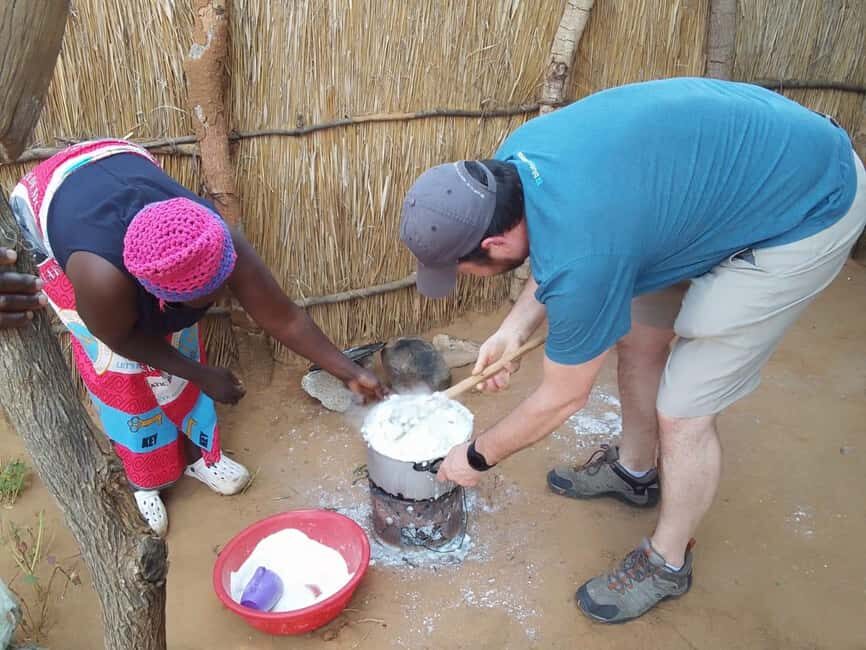
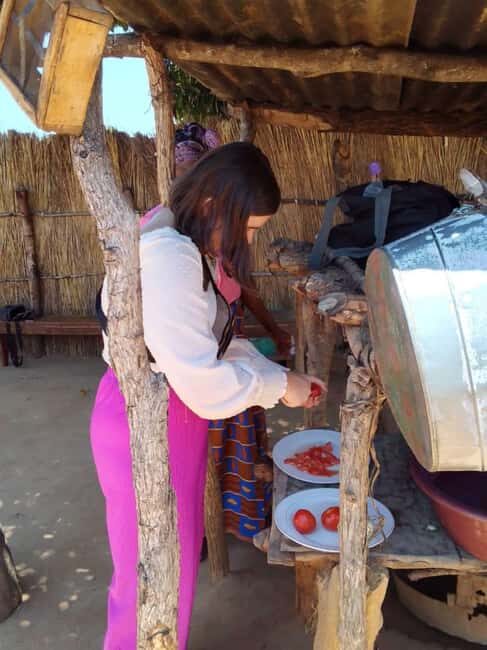
- Hands-on cooking: Participate in preparing traditional Zambian foods over village fire huts.
- Community engagement: Interact with local school children and clinic staff, and give gifts to families.
- Market shopping: Buy local ingredients at Maramba or Dambwa Central markets, gaining insight into Zambian cuisine.
- Traditional dining: Enjoy a meal prepared by villagers, eating with hands in true Zambian style.
- Full-day adventure: Includes transportation, guided tours, and cultural insights for around $150.
👉 See our pick of the Which Livingstone Tours & Things To Do To Choose? We Rank The 16 Best
A Closer Look at the Experience
You can also read our reviews of more cooking classes in Livingstone
Starting the Day: From Hotel to Market
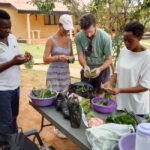
The tour begins with a pickup from your hotel, setting the tone for a day away from the typical tourist trail. The journey to either Maramba or Dambwa Central Markets allows you to see a slice of Livingstone’s everyday life. These markets are lively hubs where local vendors sell fresh foods, spices, and produce — the very ingredients that form the backbone of Zambian cuisine.
We loved the way guides explain the significance of various foods and market customs, turning a simple shopping trip into a mini cultural lesson. Expect to see a variety of local produce, such as sweet potatoes, maize, groundnuts, and traditional greens. This part of the tour is practical and gives you a taste of what you’ll cook later.
Visiting the Village
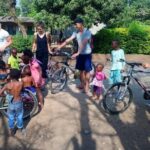
After shopping, your group heads to either Simoonga or Musokotwane African village. Here, the tour becomes personal. You’re welcomed by village guides and leaders, who greet you with traditional customs. The warmth and openness of the villagers shine through, making interactions meaningful.
You’ll tour the village, visiting homes, the clinic, and the school. Many reviews highlight how touching it is to see children excitedly interact with visitors, often asking for gifts or simply sharing their stories. The guide will explain how this community preserves its traditions while navigating modern challenges.
Gifts are a thoughtful part of the experience, with visitors giving items to families and school children. This gesture is appreciated and helps foster genuine exchanges. The village’s layout and daily routines provide a fascinating glimpse into rural life, far from the tourist-centric spots.
Learning to Cook in the Village
The heart of the tour is the cooking lesson. After the village tour, you’ll gather around fire huts where villagers demonstrate how to prepare traditional foods. This isn’t a staged cooking class — it’s participatory. You’ll chop, stir, and help cook over open flames, gaining insight into how villagers have depended on local ingredients for generations.
Expect to learn about specific dishes that are staples in Zambia’s diet, such as nshima (a maize porridge), relish, and possibly other local favorites. The experience of cooking on fire with simple tools heightens the authenticity, and many travelers say it’s surprisingly fun and rewarding.
More Great Tours NearbyDining the Zambian Way
Once your dishes are ready, it’s time to eat. The meal is served in the village homes, and the style is informal and communal. Be prepared to eat with your hands — no forks or knives here — embracing the traditional Zambian way. Many reviews emphasize the joy of sharing a meal in this way, feeling like an honorary villager rather than a tourist.
The food itself is described as tasty and hearty, a true reflection of local flavors. This communal dining fosters a sense of connection with your hosts, making the experience memorable and heartfelt.

Wrapping up the Day
After lunch, you’ll meet with village leaders once more for a traditional farewell. The tour concludes with a drive back to your hotel, often filled with stories and new perspectives. The entire process, from market shopping to village interaction to cooking and dining, offers a comprehensive look at everyday life in rural Zambia.
Is It Worth the Price?
At $150 per person, this tour offers a well-rounded, meaningful experience. It includes transportation, guided visits, the cooking lesson, and gifts, which collectively add up to good value considering the depth of culture. Compared to other activities in Livingstone, which often focus solely on safaris or scenic flights, this tour delivers a different kind of memory — one rooted in real community and tradition.
What Travelers Say
Many past participants rave about the authenticity of the experience. One review noted how “we loved the way the villagers welcomed us and shared their daily routines.” Others mention the joy of learning to cook traditional foods and the warmth of dining together. The opportunity to give gifts to schoolchildren is also highly valued, providing a tangible connection.
However, a few reviewers mention that the tour involves active participation — so it’s not suitable if you prefer a passive sightseeing experience or have dietary restrictions. Also, since it’s a rural village, you might find the environment a bit rustic, which is part of its charm but worth considering.
Practical Details
- Transportation: Included, from your hotel to the market and village.
- Duration: Full-day, allowing ample time for shopping, touring, cooking, and dining.
- Group Size: Typically small, enhancing personal connection.
- Clothing: Wear comfortable clothes that can get dirty, and bring essentials like water, biodegradable sunscreen, and insect repellent.
- Food Restrictions: Not suitable for people with food allergies, given the traditional menu.
- Booking: Keep your plans flexible with “reserve & pay later,” and cancel up to 24 hours before for a full refund.
Who Should Consider This Tour?
This experience is best for travelers who value cultural authenticity over luxury or convenience. It appeals to those interested in community life, traditional foods, and meaningful interactions. If you’re traveling with kids, they’ll likely enjoy the lively village scenes and hands-on cooking. However, it’s not suited for those with specific dietary needs or mobility issues, given the outdoor, active nature of the experience.
The Sum Up
The Livingstone: African Village and Foods Cooking Tour offers a rare glimpse into Zambia’s rural traditions, combining shopping, community visits, and hands-on cooking for a genuinely enriching experience. It’s a wonderful way to see a different side of Zambia — one where local culture is alive and shared through food, stories, and simple kindness.
For travelers eager to connect with local communities, learn new skills, and enjoy authentic home-cooked meals, this tour provides extraordinary value. The warmth of the villagers, combined with the chance to participate actively, makes it a memorable highlight of any trip to Livingstone.
If your idea of travel involves more than just sightseeing and you’re looking for stories and genuine human connections, this tour is a fantastic choice. It’s not just about seeing Zambia — it’s about feeling the heartbeat of its villages.
Livingstone: African Village and Foods Cooking Tour
FAQ
What is included in the tour?
The tour includes a guided village visit, a cooking lesson, a traditional Zambian lunch with villagers, gifts for families and school pupils, transportation from your hotel to the village and back, and a gift for the village chief.
Can I participate in the cooking?
Yes, you’ll actively participate in preparing the meal, helping with chopping, cooking over fire huts, and learning traditional methods. It’s a hands-on experience.
Is the tour suitable for children?
Most likely, yes. Kids will enjoy interacting with children in the village and helping with cooking. However, consider their comfort with outdoor activities and eating with hands.
Are there any restrictions on food allergies?
The tour involves traditional foods, so if you have serious food allergies, it’s best to check with the provider beforehand. It may not be suitable for strict dietary restrictions.
What should I bring?
Bring a camera, water, biodegradable sunscreen, insect repellent, and clothes that can get dirty, as the activities are outdoors and hands-on.
How flexible are the booking and cancellation policies?
You can reserve now and pay later, keeping your plans flexible. Cancellations are accepted up to 24 hours before the tour for a full refund.