The Manaslu Circuit: 9-Day Guided Trek offers an inviting route through some of Nepal’s most captivating mountain scenery and authentic villages. While it’s not the most famous trek in Nepal — that title still goes to Everest or Annapurna — this route rewards travelers with fewer crowds and a chance to see true Himalayan life up close.
It’s perfect for those who want a mix of natural beauty and culture, all wrapped in a moderately challenging adventure.
What we love about this trek is how it balances comfort with authenticity — staying in teahouses that feel like humble homes, while still providing the guidance and logistics that make the journey manageable. Plus, crossing Larkya La Pass at 5,160 meters is a serious highlight, offering spectacular views you’ll never forget.
On the flip side, it’s a longer journey with some demanding elevation changes, so it’s best suited for active travelers with a decent level of fitness. If you’re looking for a trek that’s less touristy but still well-supported, this could be a perfect fit.
Who should consider this adventure? It’s ideal for travelers who want to experience Nepal’s mountains beyond the usual crowds, but who also prefer a guided, organized trip for safety and convenience. If you’re comfortable with some physical challenge and elevation, and eager to explore villages that feel untouched by mass tourism, this trek offers a genuine taste of Himalayan life.
- Key Points
- An In-Depth Look at the Manaslu Trek Experience
- Starting Point and First Days: From Kathmandu to Machha Khola
- Middle Days: Ascending into the Himalayas
- The High Pass: Crossing Larkya La (5,160 meters)
- Return Journey: From Bimtang to Kathmandu
- What’s Included and What’s Not
- Why this matters: The value lies in guided convenience, local expertise, and safety measures — all crucial in high-altitude trekking. The price reflects a comprehensive experience that balances affordability with quality, making it accessible for most active travelers prepared for some physical effort.
- Daily Life on the Trail
- The Cultural Flavor
- The Views and Photography
- Final Thoughts on the Manaslu Circuit
- FAQ
- More Hiking & Trekking Tours in Kathmandu
- More Guided Tours in Kathmandu
- More Tour Reviews in Kathmandu
Key Points
 1 / 4
 2 / 4
 3 / 4
 4 / 4
- Fewer travelers: The Manaslu region sees less foot traffic than Everest or Annapurna, allowing a more intimate experience.
- Cultural authenticity: Trek through Gurung and Tibetan villages that showcase local traditions and lifestyles.
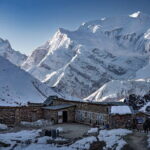
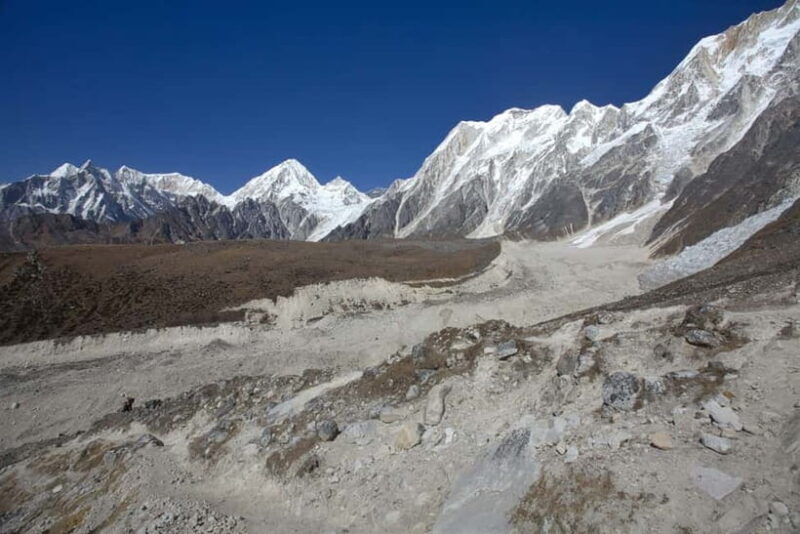
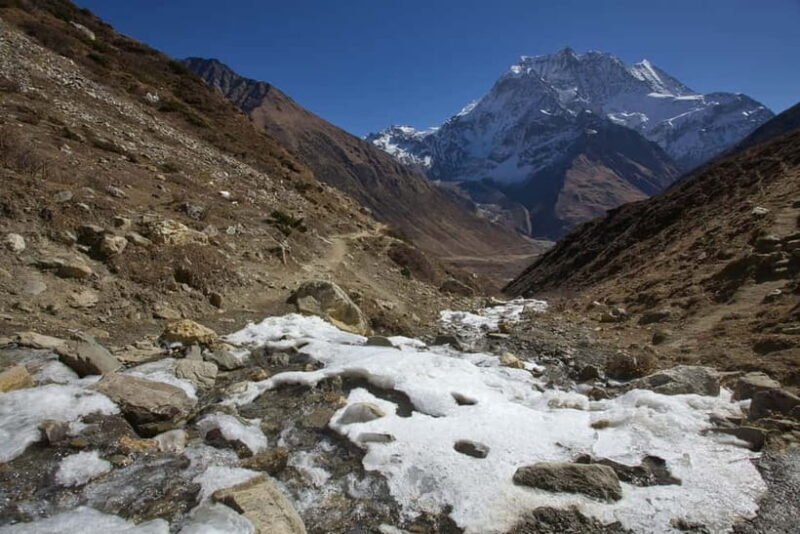
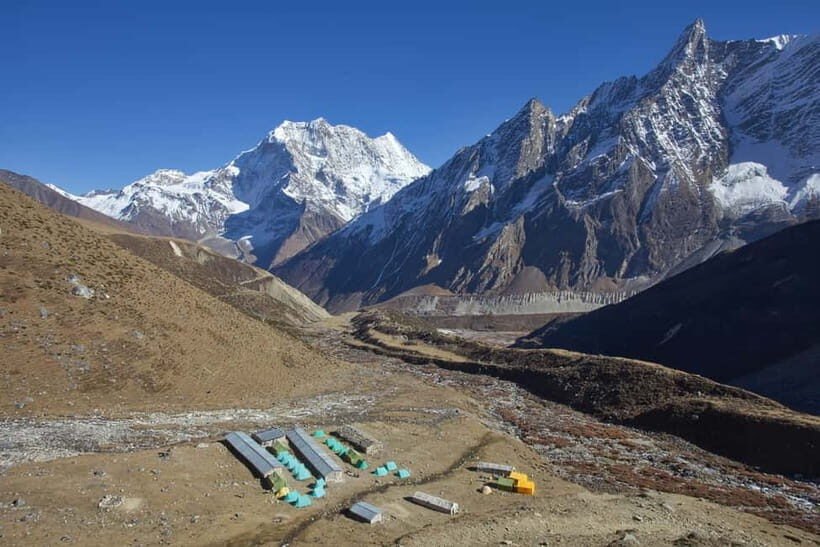
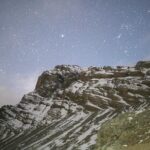
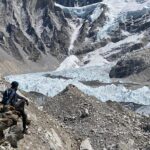
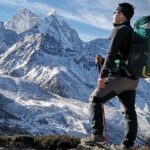
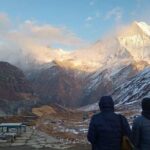
- Breathtaking vistas: Expect stunning views of Manaslu, Ganesh Himal, and the Annapurna peaks.
- Moderately challenging: Requires stamina and proper acclimatization; suitable for active travelers.
- Expert support: Guides and porters help ensure safety, comfort, and logistical smoothness.
- Eco-friendly focus: The trek emphasizes responsible travel practices to preserve the natural beauty.
An In-Depth Look at the Manaslu Trek Experience
You can also read our reviews of more guided tours in Kathmandu
Starting Point and First Days: From Kathmandu to Machha Khola
The journey begins with a drive from Kathmandu, lasting around 7-8 hours, taking you through Nepal’s scenic rural landscape. The bus or private vehicle ride offers glimpses of terraced fields and small villages, setting a calm tone for what’s ahead. Arriving at Machha Khola (870 meters), you’re greeted with fresh mountain air and the feeling that you’re truly entering the wilderness.
The first trekking day takes you from Machha Khola to Jagat (1340 meters). This segment, roughly 6-7 hours, introduces you to the local Gurung villages and lush forests. The trail winds along rivers and terraced fields, providing natural beauty and cultural interest. Reviewers often mention the friendliness of local villagers and the inviting lodges that serve hearty meals after long days.
Middle Days: Ascending into the Himalayas
The trek continues steadily upward, with each day bringing new scenery and village cultures. From Jagat to Deng (1860 meters), you’ll pass through small settlements where Tibetan-influenced traditions thrive. The following days involve climbing through bamboo and rhododendron forests, with some sections requiring careful footing but offering rewarding views.
Travelers often comment on the diverse landscapes — from lush forests to rocky terrain as you gain altitude. The trek to Namrung (2630 meters) introduces you to a more Tibetan-influenced culture, with prayer flags and monasteries dotting the landscape. From there, the path leads to Samagaon (3530 meters), where the views of Mount Manaslu become increasingly prominent.
The High Pass: Crossing Larkya La (5,160 meters)
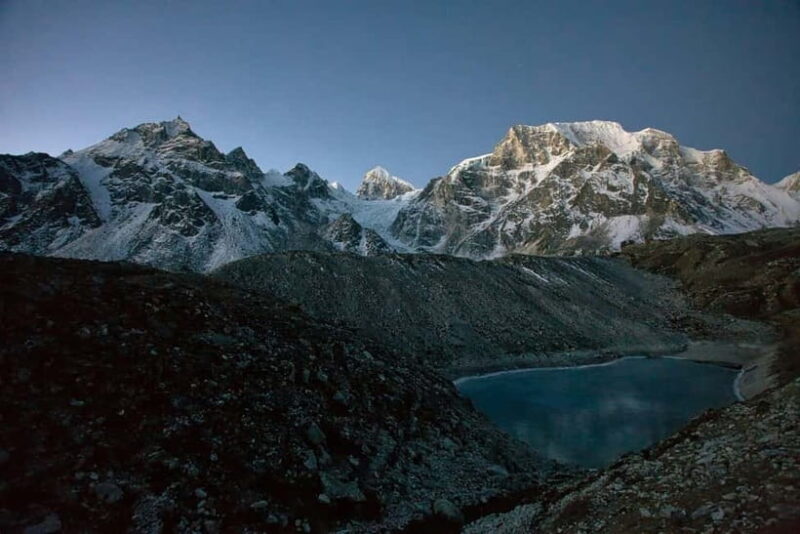
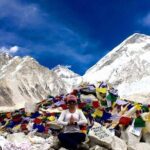
One of the most celebrated parts of the trek is crossing the Larkya La Pass. It’s a demanding climb, taking about 8-9 hours from Bimtang (3720 meters), but the effort is rewarded with panoramic views of snow-capped peaks. The ascent involves some steep sections and requires proper acclimatization, but guides are experienced in managing altitude symptoms.
Reviewers rave about the spectacular vistas at the top. Standing at 5,160 meters, you’ll look out over peaks like Annapurna and Ganesh Himal, with clear blue skies and crisp mountain air. The descent into Dharapani (1900 meters) is a relief, offering lush surroundings and a chance to relax before the journey back.
More Great Tours NearbyReturn Journey: From Bimtang to Kathmandu
The trek winds down with a day from Bimtang to Dharapani, then a drive back to Kathmandu. This 8-9 hour drive takes you through scenic valleys and small villages, allowing reflection on your adventure. After the trek, many travelers enjoy a full-body massage or a relaxing evening at a hotel in Kathmandu, a nice way to unwind after days of exertion.
You can also read our reviews of more hiking tours in Kathmandu
What’s Included and What’s Not
The package at $1,499 per person covers many essentials: all necessary permits (including ACAP, MCAP, and Manaslu Restricted Area Permit), experienced guides, porters, accommodations in teahouses, and full-board meals. Even gear like sleeping bags and down jackets are provided, which is particularly helpful for travelers flying in with limited gear.
The logistics are well-organized: private vehicles for airport transfers, shared jeeps for some sections, and public buses for the return leg. This mix of transport ensures flexibility but keeps costs reasonable. The support team monitors health with twice-daily oximeter checks, helping catch altitude issues early.
What’s not included? International flights, hotel nights in Kathmandu (before or after), extra upgrades like private transport, and personal expenses like drinks or souvenirs. Travelers should budget extra for these and ensure they have good travel insurance, especially since emergency rescue support is included only with valid insurance.
Why this matters: The value lies in guided convenience, local expertise, and safety measures — all crucial in high-altitude trekking. The price reflects a comprehensive experience that balances affordability with quality, making it accessible for most active travelers prepared for some physical effort.
Daily Life on the Trail
Most days involve 5-8 hours of walking, with some longer days like the crossing of Larkya La. The teahouses provide simple but comfortable rooms, often with shared bathrooms. The food, mostly Dal Bhat (rice and lentils), noodles, and local soups, keeps you fueled. Seasonal fruits appear when available, a treat after days of hard trekking.
Guides and porters make the journey manageable, handling logistics and carrying most of the gear. Reviewers often mention their guides’ helpfulness and local knowledge, which greatly enhances the experience. The inclusion of a massage after the trek is a thoughtful bonus, helping tired muscles recover.
The Cultural Flavor
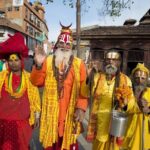
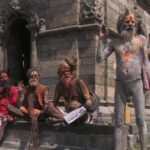
Passing through Gurung and Tibetan villages adds a meaningful cultural dimension. You’ll see prayer flags fluttering, monasteries perched on ridges, and locals dressed in traditional attire. This glimpse into mountain life underscores the authenticity of the trek.
The Views and Photography
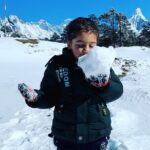
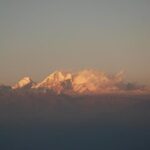
Photographers will love the panoramas from the high passes and villages. Expect crystal-clear mountain views with towering peaks on nearly every day. Bright morning light makes for perfect photos, especially when the peaks are dusted with fresh snow. Many reviews mention the “amazing photo opportunities” and “stunning vistas” that the trek provides.
Final Thoughts on the Manaslu Circuit
This guided trek offers a well-rounded experience: challenging enough to satisfy active adventurers, but supported with logistical ease and safety measures. It strikes a nice balance between authentic cultural exposure and spectacular mountain scenery. The inclusion of experienced guides, porters, and gear makes it accessible, even for those who might worry about the logistical hurdles of remote trekking.
The Larkya La Pass crossing alone is worth the journey — a highlight that’s physically demanding but emotionally rewarding. You’ll come away with a sense of achievement and a treasure trove of memories of Nepal’s rugged beauty and warm villages.
For travelers seeking a quieter, more authentic Himalayan adventure, this trek offers a chance to explore an area less traveled but equally stunning. It’s best suited for those with some trekking experience, good endurance, and a desire to see the Himalayas beyond the usual routes.
The value for the price is quite good considering the logistics, support, and scenery packed into this 9-day trip. It’s a well-organized, culturally enriching trek that’s worth considering if you’re after a genuine Himalayan experience.
Manaslu Circuit: 9-Day Guided Trek with Accommodations
FAQ
Is this trek suitable for beginners?
It’s considered moderately challenging, so while it’s accessible for most active travelers, some previous trekking experience and good fitness are recommended. Proper acclimatization is necessary to avoid altitude sickness.
What kind of transportation is used during the trip?
The journey includes private vehicles, shared jeeps, and public buses, which are arranged for different legs of the trip, making logistics smoother without sacrificing adventure.
Are meals included?
Yes, full-board meals (breakfast, lunch, dinner) are provided at local lodges during the trek, offering hearty, local-style food. Beverages like tea, coffee, and soft drinks are not included.
What gear is provided?
The tour supplies a sleeping bag, down jacket, and duffel bag (which you return after the trek). You’ll need to bring personal trekking gear, warm clothing, and essentials like sunscreen and water bottles.
Do I need special permits?
Yes, the group secures ACAP, MCAP, and Manaslu Restricted Area Permits, which are included in the price. These are necessary to access the restricted region.
Can I extend my stay in Kathmandu or elsewhere?
Yes, but those arrangements are outside the package. You will need to book your accommodations separately and plan accordingly.
To sum it up, this guided Manaslu Circuit trek is a top pick for those craving a balanced blend of mountain adventure, cultural discovery, and guided ease. It offers a chance to see some of Nepal’s most dramatic scenery with the support needed to make it manageable and enjoyable. While it’s not the easiest trek, it’s definitely worthwhile for anyone prepared for some physical challenge and eager to experience a less crowded but equally stunning part of the Himalayas.
You can check availability for your dates here: