If you’re considering a trek up Mount Kilimanjaro, the Marangu Route is often highlighted as one of the most accessible and scenic paths, especially for those new to high-altitude hiking. This route, sometimes called the Coca-Cola Route due to its popularity and relative ease, promises a comfortable experience with huts for accommodation and spectacular views of Africa’s tallest peak.
We’ve gathered insights from those who’ve taken this route, along with honest details to help you decide if it fits your adventure style. While it may not be the most breathtaking route in terms of rugged terrain, it offers an inviting combination of comfort, scenery, and reliable guides.
One thing to keep in mind: while the route is easier, it still demands a decent level of physical fitness and mental readiness. If you’re looking for a manageable yet rewarding climb with authentic touches, the Marangu Route might be just right. This tour suits travelers who value guided support, comfortable accommodations, and a balanced approach to high-altitude trekking.
- Key Points
- Introduction: Who Should Consider the Marangu Route?
- The Itinerary Breakdown: What You Can Expect
- Day 1: Arrival and Transfer to Marangu Gate
- Day 2: Mandara Hut
- Day 3: Horombo Hut
- Day 4: Summit Push to Kibo
- Day 5: Return to Marangu Gate
- What Makes the Marangu Route Special?
- The Challenges and Considerations
- Authentic Reviews and What They Highlight
- Transportation, Group Size, and Duration
- Final Thoughts: Is the Marangu Route Right for You?
- Frequently Asked Questions
- In Summary
- The Best Of Moshi!
- More Tour Reviews in Moshi
Key Points
- Ease of Access: The route is considered less technically challenging, making it ideal for beginners.
- Comfortable Stay: Accommodation in huts rather than tents simplifies logistics and provides warmth.
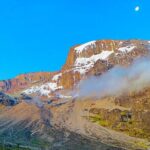
- Scenic Views: Expect beautiful landscapes and impressive vistas of Kilimanjaro’s land escarpment.
- Guided Support: Knowledgeable guides and a dedicated team ensure safety and enhance the experience.
- Value for Price: At around $2,051, this includes all fees and taxes, offering a well-supported climb at a fair price.
- Authentic Experience: The route provides a genuine sense of the mountain’s beauty without requiring advanced climbing skills.
👉 See our pick of the Moshi’s 16 Top Tours & Things To Do
Introduction: Who Should Consider the Marangu Route?
 1 / 5
1 / 5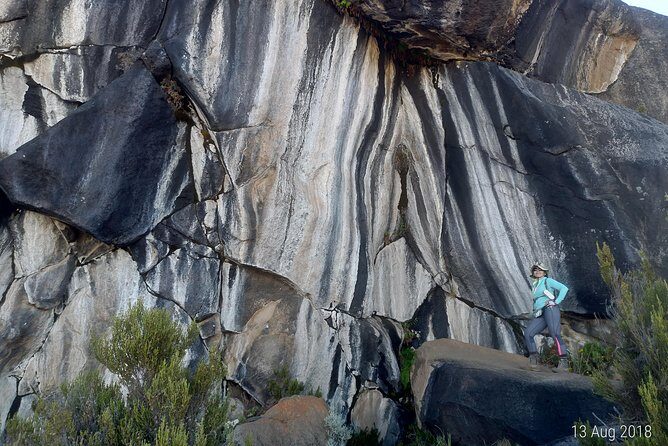 2 / 5
2 / 5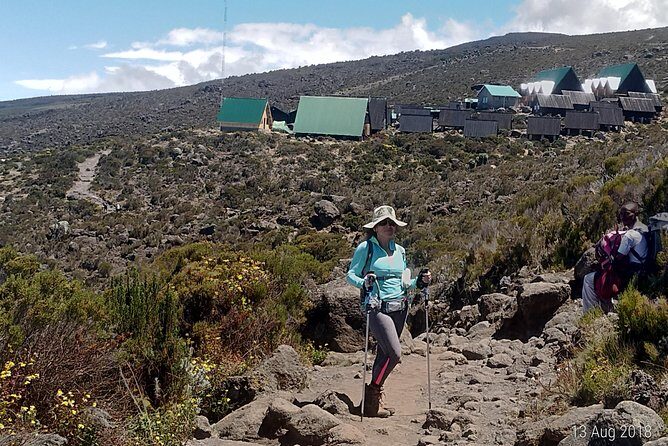 3 / 5
3 / 5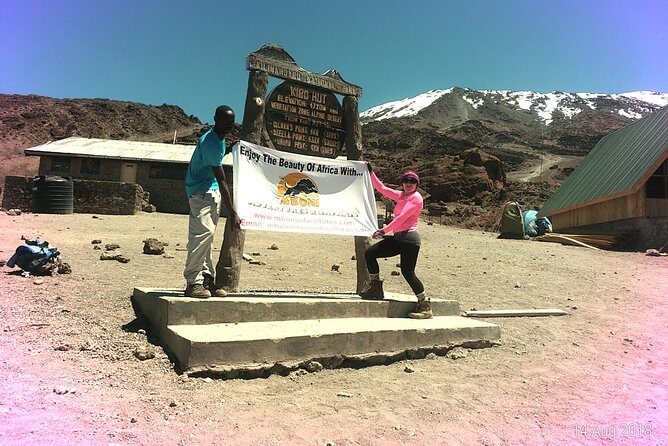 4 / 5
4 / 5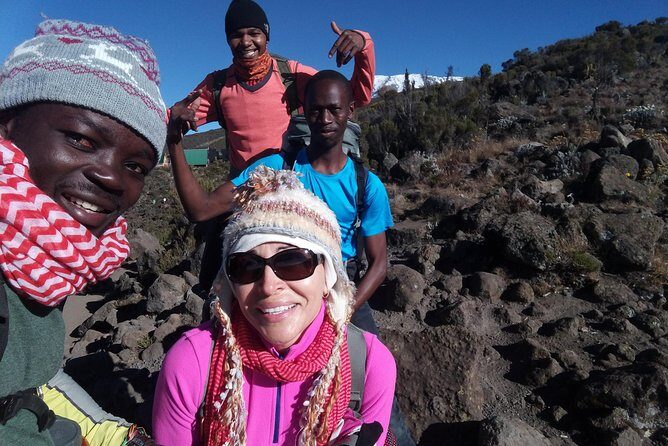 5 / 5
5 / 5We find the Marangu route appealing for travelers who want a scenic, manageable, guided climb with a dash of comfort. It’s perfect for first-timers, or those who prefer staying in huts rather than camping, which takes some of the hassle out of high-altitude trekking.
What we really like about this route is its combination of beautiful scenery and ease of travel, making it more accessible for a wide range of fitness levels. Plus, the highly praised guides and support staff tend to make the trip feel safe and well-organized.
However, the route isn’t known for dramatic, rugged terrain or extreme adventure, which might disappoint seasoned climbers seeking a more challenging experience. Still, if you want an authentic Kilimanjaro experience with comfort, this could be your best choice.
You can also read our reviews of more tours and experiences in Moshi.
The Itinerary Breakdown: What You Can Expect
The five-day journey on the Marangu Route is designed to gradually acclimate you to higher elevations while offering stunning views and cultural insights. Here’s a detailed look at what each stage involves:
Day 1: Arrival and Transfer to Marangu Gate
Your adventure begins at the Moshi area, where your team will pick you up, often provided as part of the tour package. You’ll head to the Marangu Gate, where you’ll officially register and receive your trekking permits. Expect a short walk through lush rainforest to reach your first camp—an easy start that helps your body begin adjusting.
Day 2: Mandara Hut
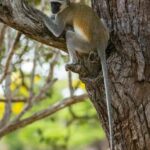
This day is dedicated to trekking through vibrant rainforests, filled with birdlife and monkey sightings. The hike to Mandara Hut is approximately 3-4 hours, with gentle elevation gain. Here, the rich greenery and occasional waterfalls offer excellent photo opportunities. Guides often take time to explain local flora and fauna, adding an educational component.
Day 3: Horombo Hut
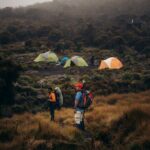
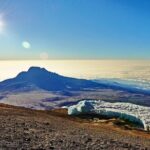
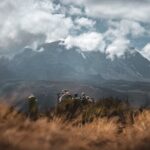
The hike from Mandara to Horombo Hut is longer—about 6-7 hours—but mostly a steady climb through the alpine desert landscape. The terrain becomes more open, with panoramic views of Kilimanjaro’s peaks. This stop is crucial for acclimatization, and many reviews praise the “delicious food and tapas” served here, which helps maintain energy levels.
Day 4: Summit Push to Kibo
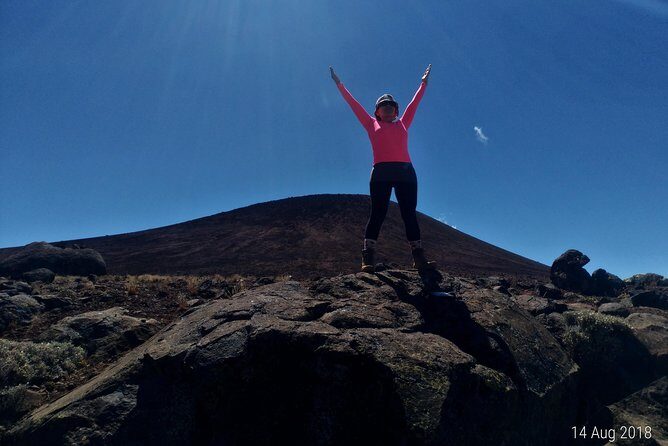
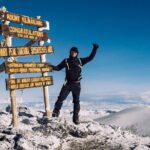
The final ascent begins in the early hours of the morning, heading for Gilman’s Point and then Uhuru Peak—the highest point in Africa. The climb from Horombo to the summit can take 6-8 hours, with some steep sections. Guides are experienced and keep the pace manageable, emphasizing safety and acclimatization. After reaching the summit, you’ll descend back to Horombo for overnight rest.
Day 5: Return to Marangu Gate
After a well-deserved rest, you’ll trek back down through the rainforest to the gate, completing your Kilimanjaro journey. Many hikers comment on the sense of achievement, coupled with the comfort of knowing the logistics were smooth and well-supported.
What Makes the Marangu Route Special?
Comfort and simplicity are the hallmarks. Unlike other routes that require camping gear, the huts make overnight stays more comfortable and easier to manage. The route’s gentle slopes and gradual ascent help with acclimatization, reducing the risk of altitude sickness—a common concern on higher, more technical routes.
The scenery is another highlight, with lush forests, alpine moorlands, and striking views of the mountain’s glaciers. Many reviews mention the delicious food prepared by cooks, which keeps spirits high after tough days. The guides, praised as knowledgeable and caring, seem to make a real difference—many travelers emphasize their professionalism and support.
The Challenges and Considerations
While the Marangu Route is generally considered easier, it’s not without its demands. The altitude can still cause fatigue or discomfort, especially if you’re not in good physical shape. Travelers should be prepared for several hours of walking each day, and the elevation gain can be challenging.
Some trekkers mention that the route is less breathtaking in terms of rugged scenery compared to more remote routes like Rongai or Lemosho, but this is offset by its ease of access and comfortable accommodations.
The price point of just over $2,000 includes all fees and taxes, which is reasonable given that it covers guided support, permits, and hut accommodations. However, alcohol is not included, and travelers should budget accordingly if they wish to indulge.
Authentic Reviews and What They Highlight
Multiple reviewers have called their Kilimanjaro experience “unforgettable” and “perfect,” specifically praising guides like Julius, Brad, and Festus. Comments such as “they worked hard, smart, and were united in our quest” capture the team’s dedication. Many also emphasized the delicious food, “nice and tasty,” which is rare on high-altitude treks and a crucial morale booster.
The reputation of the guides is a recurring theme. One reviewer said, “The guide Juma was very friendly and pleasant,” highlighting how supportive guides help make the climb smoother and more enjoyable.
Others appreciated the professional support from the team, with one reviewer describing their crew as “kind and professional,” which offers reassurance for first-time climbers.
Transportation, Group Size, and Duration
The tour typically lasts around five days, allowing for a gradual ascent that enhances acclimatization. The pickup service is offered, making logistics more straightforward upon arrival in Moshi or nearby. Most groups tend to be small and private, ensuring personalized attention—an aspect highly valued by reviewers.
The cost of approximately $2,051.29 per person covers all fees and taxes, providing a clear understanding of the total expense upfront. It’s a fair price considering the support, guiding, and comfortable huts involved.
Final Thoughts: Is the Marangu Route Right for You?
For those seeking a manageable, guided climb with a focus on comfort and scenic beauty, the Marangu Route hits all the right notes. Its easy slopes, cozy huts, and supportive guides make it ideal for beginners, families, or travelers who want a taste of Kilimanjaro without the technical hurdles.
While it may not satisfy thrill-seekers craving rugged terrain or challenging ascents, it offers an authentic Kilimanjaro experience that’s accessible and memorable. The positive reviews from past climbers underscore its reliability and the professionalism of the support team.
If you’re prepared for a moderate physical challenge, value guided support and comfort, and want to take in stunning mountain scenery, this tour is a solid choice that balances adventure with practicality.
Frequently Asked Questions
How many days does the Marangu Route take?
The standard tour lasts about five days, allowing for a steady ascent and good acclimatization, with overnight stays in huts.
What is included in the price?
The cost covers all fees and taxes, guide services, permits, and hut accommodations. Alcoholic beverages are not included.
Is the route suitable for beginners?
Yes, the Marangu Route is often recommended for first-timers thanks to its gentle slopes and comfort-focused huts.
Are the accommodations comfortable?
Yes, staying in huts rather than tents makes the experience more comfortable, especially in cold weather.
What about guides and support staff?
Multiple reviews praise the guides and porters for their professional, caring, and knowledgeable support, which helps ensure safety and a positive experience.
How challenging is the climb?
While easier than other routes, it still involves walking several hours a day at high altitude. Proper preparation and physical fitness are important.
Can I combine this with other activities?
Absolutely. Many travelers also enjoy Tanzania cultural tours, wildlife safaris, Mount Meru trekking, and Zanzibar beach holidays around their Kilimanjaro adventure.
Marangu Route
In Summary
The Marangu Route offers a balanced, accessible way to reach the summit of Kilimanjaro, especially for those seeking a guided, comfortable experience. Its reputation for professional guides, delicious food, and scenic landscapes makes it a compelling choice for first-time climbers or those preferring a less technical ascent. While it may lack the rugged thrill of more remote routes, it more than compensates with its authentic mountain experience and high success rate.
For travelers who want a well-supported adventure with memorable views and cozy huts, this route provides an excellent pathway to the “Roof of Africa.” It’s a journey that combines practicality, beauty, and the thrill of standing on Africa’s highest point—a true bucket-list achievement.