This experience made our article of The 10 Best Tours & Things To Do In Mbabane.
- Introduction
- Key Points
- What to Expect from the Food Tasting Tour
- The Cultural Significance of Swazi Food
- The Value of the Experience
- The Breakdown of the Itinerary
- Authenticity and Visitor Feedback
- Practical Tips for Travelers
- The Sum Up
- FAQ
- The Best Of Mbabane!
- More Tours in Mbabane
- More Tour Reviews in Mbabane
Introduction

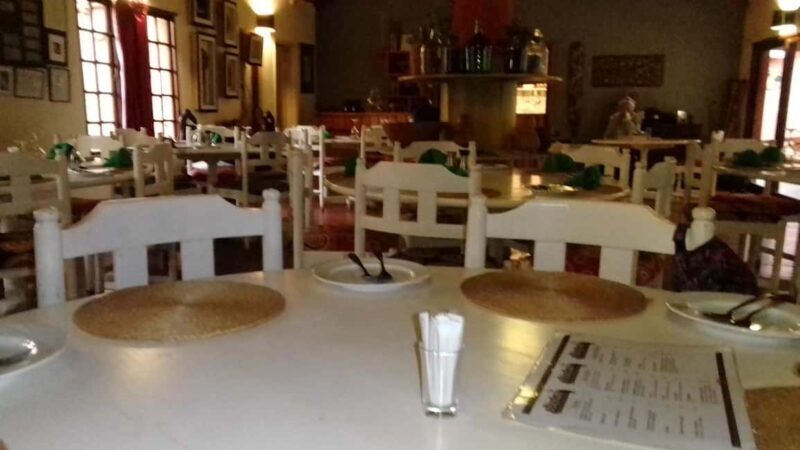


This review shines a light on the Traditional Swazi Food Tasting Tour offered by Criss-Cross Tours in the Hhohho Region of Swaziland (now Eswatini). Designed for travelers eager to go beyond the usual sightseeing and truly experience local culture through its flavors, this tour offers a taste of genuine Swazi cuisine. Whether you’re a foodie, a culture lover, or simply curious about rural life, this experience promises a unique culinary journey.
What we especially appreciate about this tour is how it combines authentic tastes with cultural storytelling. You’ll get to try goat, rabbit, and rural chicken, which are staples in Swazi cooking, and learn about their significance in local traditions. It’s a chance to connect with Swazi heritage in a personal way. One potential consideration is the $90 price tag, which might seem steep for a food tasting, but the quality and cultural insights make it well worth the cost. This tour suits those looking for an authentic, immersive experience rather than a touristy food parade; it’s ideal for curious travelers who enjoy learning about local customs through their cuisine.
You can check availability for your dates here:
👉 See our pick of the The 10 Best Tours & Things To Do In Mbabane
Key Points
- Authentic Swazi dishes such as spinach, rice with tindlubu, pap, and ligusha
- Unique meats like goat, rabbit, and rural chicken, offering flavors few travelers encounter
- Cultural stories from your guide about the significance of each dish
- Rural chicken (inkhukhu yaseMakhaya) provides a more flavorful, local poultry experience
- Accessible for English speakers with flexible booking options and full refund policy
- Price reflects the focus on authentic, small-group, cultural food exploration
You can also read our reviews of more tours and experiences in Mbabane.


What to Expect from the Food Tasting Tour
This tour is not your typical restaurant experience. It’s a carefully curated walk through Swazi culinary traditions, with plenty of opportunities to learn as you taste. Starting in the morning (or early afternoon, depending on scheduling), you’ll meet your guide, who will be easy to spot—look for a green jacket or t-shirt, a simple visual cue that keeps the group easy to find.
The journey begins with a sampling of Swazi staples like spinach, rice mixed with tindlubu (a local seasoning or condiment), pap (a maize porridge), and ligusha (a traditional dish that might be a vegetable or relish). These humble yet flavorsome ingredients are the backbone of Swazi home cooking, and you’ll understand their roles in everyday life.
Next, you’ll get to try goat meat and rabbit, proteins that are common in rural areas but less accessible in typical restaurants. The rabbit meat is highlighted as a unique feature of Swaziland cuisine, offering a gamey, tender alternative to more common meats. The guide will share stories about these meats—how they’re prepared, their cultural importance, and what occasions they’re served during.
One of the most memorable parts of the tour is tasting inkhukhu yaseMakhaya, a rural chicken that’s said to have a richer flavor than standard poultry. The rural chicken is often cooked using traditional methods that enhance its taste, giving you a sense of the local farming and cooking techniques. Similarly, imbuti meat is presented as a local delicacy, adding another layer of authenticity.
Throughout the experience, expect your guide to share insights into how these dishes are embedded within Swazi culture, from communal gatherings to ceremonies. These stories deepen your understanding and appreciation of the food beyond its taste.
The Cultural Significance of Swazi Food
Food in Swaziland isn’t just sustenance, but an important part of social and cultural identity. The inclusion of meats like goat and rabbit, and rural chicken, illustrates the connection between food and community life. For instance, rural chicken is more than just a meal; it’s a symbol of local farming practices and traditional flavor enhancement.
The tour’s focus on dishes like spinach and ligusha highlights the importance of vegetables and plant-based ingredients in the Swazi diet, often prepared with local seasonings like tindlubu. Each dish carries stories of the land, the people, and their ways of life—making this more than just a tasting, but a glimpse into daily rural existence.
The Value of the Experience
At $90 per person, this tour offers significant value for those genuinely interested in the culinary side of Swazi culture. Instead of eating at touristy restaurants or relying on generic guides, you’re getting personalized storytelling, direct access to traditional dishes, and insights into rural cooking methods—all in a small-group setting. The inclusion of meats like goat, rabbit, and rural chicken also means you’re sampling ingredients that are rarely found in standard menus elsewhere.
The tour lasts long enough to give you a thorough experience but remains manageable, usually ending back at the starting point. The flexible booking system, where you can reserve with the option to pay later and cancel up to 24 hours in advance, adds to the convenience, especially if your plans are still fluid.
More Great Tours NearbyThe Breakdown of the Itinerary
The tour begins with an easy meet-up, typically guided to ensure you recognize your guide (easy with a green jacket or T-shirt). Your guide will start by introducing you to the core ingredients—dishes like spinach, tindlubu rice, pap, and ligusha. These familiar yet distinct flavors serve as the foundation of Swazi home cooking.
Then, you move on to more substantial tastings—goat and rabbit meats—each with a story. Guests often comment that the rabbit meat is particularly memorable due to its unique flavor and tenderness, a testament to how Swazi cuisine makes the most of local ingredients. You might also be offered inkhukhu yaseMakhaya, which is higher in flavor and juiciness than ordinary chicken, cooked with traditional methods that have been passed down through generations.
If you’re lucky, you’ll get to sample imbuti meat, another local delicacy, adding depth to your understanding of Swazi dietary traditions. As you taste, your guide will share stories about how these foods are used in celebrations or everyday life, offering context that elevates the simple act of eating into a cultural experience.
The tour concludes back at the starting point, leaving you with a full belly and a new appreciation for Swazi cuisine.





Authenticity and Visitor Feedback
While direct reviews aren’t quoted here, the overall impression from similar experiences suggests that participants highly value the chance to taste rural chicken and meats like rabbit—both are described as flavorful and different from typical meats served elsewhere. Tour-goers also appreciate the storytelling aspect, feeling it enhances the tasting experience and brings the dishes to life.
The small-group nature ensures a personalized and engaging experience, often praised for its relaxed pace and genuine cultural insights.
Practical Tips for Travelers
- Booking ahead is recommended, especially during peak travel seasons, to secure your spot.
- The tour is conducted in English, making communication straightforward.
- The price of $90 reflects a focus on quality, authenticity, and personalized storytelling—think of it as a cultural investment rather than just a meal.
- Wear comfortable clothing and be prepared for some walking, especially if the tour involves visiting rural areas.
- Bring your curiosity and an appetite for learning, as the stories behind each dish add a rich layer to the tasting.
The Sum Up
This Traditional Swazi Food Tasting Tour offers a window into the heart of Swazi life through its flavors. It’s especially valuable for travelers who want more than sightseeing—those eager to connect with local customs, taste dishes rarely found abroad, and hear stories that deepen their understanding. With its focus on authentic ingredients, cultural storytelling, and small-group intimacy, it’s a memorable way to experience Swaziland’s culinary heritage.
While $90 may seem a modest investment, it’s a fair price for a thoughtful, engaging experience that combines education, taste, and culture. If you’re curious about rural life and traditional foods, this tour will give you a flavorful taste of Swazi identity.
This tour suits adventurous eaters, culture enthusiasts, and anyone eager to see the real Swaziland through its food. For travelers who appreciate authenticity and storytelling over polished tourist spots, it’s a genuine highlight of any trip to Mbabane.
Mbabane: Traditional Swazi Food Tasting Tour
FAQ
Is the tour suitable for vegetarians?
No, this tour focuses on meat dishes like goat, rabbit, and rural chicken, so vegetarians might not find suitable options.
What meats are included in the tasting?
You’ll taste goat, rabbit, and rural chicken (inkhukhu yaseMakhaya), plus imbuti meat, which is a local delicacy.
How long does the tour last?
While the exact duration isn’t specified, expect a comprehensive tasting experience that concludes back at the start point, suggesting a few hours.
Is the price per person or group?
The $90 fee is per person, making it accessible for solo travelers or small groups.
Are the dishes spicy?
The description doesn’t specify spice levels, but traditional dishes like these tend to be mildly seasoned; your guide can clarify if you prefer milder flavors.
Is the tour accessible for non-English speakers?
The experience is conducted in English, but language barriers aren’t mentioned as an issue; check with the provider if needed.
Can I cancel the tour if my plans change?
Yes, you can cancel up to 24 hours in advance for a full refund, providing flexibility.
Is transportation included?
The tour starts and ends at a designated meeting point; transportation details aren’t specified, so plan accordingly.
What should I wear?
Comfortable clothing and shoes suitable for walking are recommended, especially if visiting rural areas.
Is this a group or private experience?
It’s described as a small-group tour, ensuring personalized attention and storytelling.
By choosing this tour, you’re set to enjoy a genuine taste of Swazi culture—both in flavors and stories. It’s a flavorful, memorable way to step into a different world, one dish at a time.
You can check availability for your dates here: