- Moshi: 7-Day Kilimanjaro Climb via Rongai Route — A Practical, Authentic Adventure
- Key Points
- An In-Depth Look at the 7-Day Rongai Route Climb
- What Does the Tour Experience Feel Like?
- Practicalities and Tips
- Who Is This Tour Best For?
- The Sum Up: Is This Climb Right for You?
- FAQ
- The Best Of Moshi!
- More 7-Day Experiences in Moshi
- More Tour Reviews in Moshi
Moshi: 7-Day Kilimanjaro Climb via Rongai Route — A Practical, Authentic Adventure
If you’re dreaming of conquering Africa’s highest peak, a 7-day trek via the Rongai route offers a compelling mix of challenge, scenery, and genuine adventure. We’ve looked into this tour offered by Jaynevy Tours, and it paints a picture of a well-paced climb that balances technical difficulty with breathtaking vistas and cultural encounters.
What we love about this experience is how it takes you through a variety of landscapes—from lush forests to stark alpine deserts—and offers a midnight summit attempt that’s as thrilling as it sounds. Plus, the inclusiveness of guided support, camping gear, and park fees helps simplify what might seem overwhelming.
On the flip side, the price tag of $2,000 per person isn’t cheap — but when you consider the comprehensive package, seasoned guides, permits, and food, it’s a fair investment for a once-in-a-lifetime achievement.
This tour suits those with a decent level of fitness and a sense of adventure who want to see the kind of natural beauty that only high-altitude mountaineering can deliver. If you’re after an authentic, guided climb that values safety and experience, this could be just the ticket.
You can check availability for your dates here:
👉 See our pick of the Moshi’s 16 Top Tours & Things To Do
Key Points
- Diverse scenery: Trek through forests, moorlands, and alpine deserts, each with stunning vistas.
- Expert guides and support: Professional guides, cooks, and porters make the climb safer and more enjoyable.
- Inclusion and value: Park fees, camping equipment, meals, and permits are all covered, adding peace of mind.
- Midnight summit: The exhilarating push to Uhuru Peak under the stars is a highlight.
- Acclimatization: Extra days for acclimatization help reduce the risks of altitude sickness.
- Best suited for: Fit travelers with a sense of adventure and patience for multi-day trekking.
You can also read our reviews of more tours and experiences in Moshi
An In-Depth Look at the 7-Day Rongai Route Climb
Introducing the Route
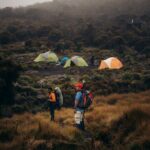
The Rongai route is celebrated for its gradual ascent and less crowded trails. Starting from Moshi, it begins in the quiet northeastern foothills of Kilimanjaro, offering a different perspective compared to the busier Marangu or Machame routes. The journey is broken down into manageable days, with frequent opportunities to acclimate to altitude — an important factor for success and safety.
Day 1: Moshi to Rongai Gate to First Cave/Simba Camp
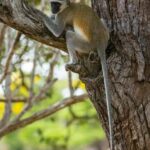
Your adventure kicks off with a transfer from Moshi to the Rongai Gate, where your porters will handle luggage logistics. The first hike is gentle, taking you through cypress plantations, where you might spot some colobus monkeys or birds. The 3-4 hour trek covers 6.5 km, setting a comfortable pace for the journey ahead. Camp at the First Cave, immersed in the sounds of nature.
What it means for you: You’ll start at a lower elevation, giving your body a chance to adjust. The forest scenery is lush and relatively tranquil, offering a peaceful introduction to mountain life.
Day 2: First Cave to Second Cave
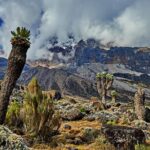
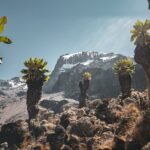
Rising to the moorland zone, the second day brings more expansive views. The trail covers 5 km in 3-5 hours, with vistas of Kibo and the eastern ice fields. Climbing through open terrain, you’ll see the terrain change from lush greenery into more exposed, rocky landscapes.
What it means for you: The landscape shift signals your progress toward more challenging environments. It’s a visual reminder of how Kilimanjaro’s ecosystems quickly change with altitude.
Day 3: Second Cave to Kikelewa Camp
Today, you’ll trek around 9 km over 3-4 hours through moorland, with fantastic views of the cones and ice fields. The terrain remains relatively gentle but gets you closer to the alpine zone, offering you a sense of the mountain’s grandeur.
What it means for you: This day helps in acclimatization and mental preparation, as you encounter more barren, rugged terrain.
Day 4: Kikelewa to Mawenzi Tarn Camp (Extra Day)
An important acclimatization day, this hike introduces steeper slopes and takes you out of the last vegetation zone. The 3-4 hour walk covers 6 km, ending at Mawenzi Tarn Camp, nestled near the base of the Mawenzi cone.
Why it matters: Spending an extra day here can significantly improve your chances of reaching the summit successfully, providing your body with time to adapt to higher elevations.
Day 5: Mawenzi Tarn to Kibo Camp
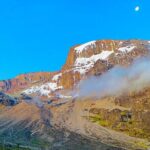
The longest leg, this 4-5 hour, 9 km trek over rocky ridges takes you between the Kibo and Mawenzi cones, crossing the alpine desert. You’ll be walking in a landscape of small ridges and barren ground that feels almost lunar.
What it means for you: You’re now fully in the high-altitude zone, and the scenery prepares you mentally and physically for the summit push.
Day 6: Summit Night and Descent
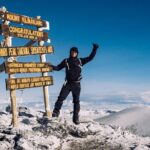
Starting around midnight, you’ll ascend steep scree and snow to reach Gilmans Point, then continue to Uhuru Peak. After celebrating your achievement at the highest point in Africa, you descend back to Kibo for a rest and later continue down to Horombo.
What it means for you: The midnight climb is physically demanding but incredibly rewarding. The views at dawn from the summit are unforgettable.
Day 7: Horombo to Marangu Gate and Return to Moshi
Your descent is a gentle walk back through the landscape you’ve gotten to know, passing the Mandara Hut before reaching the Marangu Gate. From there, transport takes you back to Moshi, bringing your Kilimanjaro adventure to a close.
What Does the Tour Experience Feel Like?
From reviews and our analysis, this climb is often described as challenging but manageable—particularly with the extra acclimatization day. Expect days filled with awe-inspiring vistas, from dense forests to stark, windswept ridges near the summit.
Many mention the stunning views of the cones and ice fields, which are truly the reward for the climb. The midnight summit attempt is a highlight—an almost spiritual experience as you reach the crater rim in the dark, guided by headlamps and the distant glow of dawn.
You’re cared for by experienced guides, cooks, and porters, who handle logistics seamlessly. Expect hearty meals, hot drinks, and well-camped tents, making the physical challenge more bearable.
Authentic encounters with local guides add cultural depth, and the route’s relative quietness compared to busier paths provides a more intimate experience.
Price-wise, at $2,000, you’re paying for a comprehensive package that includes permits, gear, food, and support. This is a fair value considering what’s included, especially when you factor in safety and success rates.
Practicalities and Tips
Transportation and logistics: Transfers are included from Moshi to Kikimanjaro Park gate, but flights and pre/post trip accommodations aren’t. Arrive prepared for the logistics of international travel.
Group size: While not specified, guided tours typically operate in small groups, which helps with individual attention and safety.
Timing and weather: Kilimanjaro’s weather can be unpredictable. Expect cold temperatures, especially near the summit, and prepare accordingly with warm clothing and layered gear.
Physical preparation: The trek is demanding; a good fitness level is essential. The extra acclimatization day and support staff help, but you should be comfortable walking 4-5 hours daily over varied terrain.
Gear: The list provided covers essentials like hiking shoes, warm clothes, a sleeping bag, and water bottles. Renting gear is available if needed.
More Great Tours NearbyWho Is This Tour Best For?
This climb is ideal for travelers who are physically fit, enjoy multi-day trekking, and are eager to see diverse landscapes. It’s suited for those who prefer a less crowded trail and want to maximize acclimatization.
Because of the altitude and physical demands, it’s not suitable for individuals with mobility issues, heart or respiratory problems, or those prone to altitude sickness. The focus on safety and experienced guides makes it accessible for most adventurous travelers, but preparation is key.
The Sum Up: Is This Climb Right for You?
For travelers seeking an authentic Kilimanjaro experience, this 7-day Rongai route offers a thoughtful balance of challenge, comfort, and scenic beauty. The route’s shifting landscapes and the chance to see the mountain’s cones and ice fields up close make it a memorable adventure. The support from knowledgeable guides and included gear streamline the climb, making it accessible without sacrificing the thrill of high-altitude mountaineering.
This tour would suit anyone with a sense of adventure, good physical shape, and a desire to see stunning views from the roof of Africa. It’s perfect for those wanting a well-organized, guided experience that values safety, authenticity, and the chance to celebrate reaching the continent’s highest point.
If you’re dreaming of standing atop the famous Uhuru Peak after days of trekking through varied terrains, this climb provides a balanced, rewarding journey.
Moshi: 7-Day Kilimanjaro Climb via Rongai Route
FAQ
Is this tour suitable for beginners?
While it’s accessible for many travelers with good fitness, the high altitude and multi-day nature mean some trekking experience and physical preparation are recommended.
What’s included in the price?
The $2,000 fee covers park fees, permits, guides, cooks, porters, meals, camping equipment, and transfers from Moshi to the park gate.
Are there extra costs I should be aware of?
Flights to and from Tanzania, hotel stays before/after the climb, visas, personal gear, and optional activities are not included.
What about acclimatization?
The itinerary includes an extra day at Mawenzi Tarn Camp to help your body adjust, which is crucial for a successful summit.
Can I rent gear?
Yes, personal climbing gear can be rented if needed—just check with your tour provider beforehand.
Is there a limit on group size?
While not specified, guided tours usually operate in small groups, enhancing safety and personal attention.
This Kilimanjaro climb via Rongai offers a solid mix of scenic beauty, adventure, and practicality. If you’re ready for a physically demanding yet immensely rewarding experience, it’s a journey worth considering.
You can check availability for your dates here: