Thinking about conquering Africa’s tallest peak? This 7-day Kilimanjaro trek via the Lemosho Route promises a journey packed with breathtaking scenery, varied terrains, and a good shot at reaching the summit. It’s a popular choice for those who want an immersive experience, with the route known for its excellent acclimatization profile and stunning landscapes.
What we really like about this tour? First, the expert-guided approach and supportive crew make a potentially challenging climb more manageable. Second, the spectacular views and diverse scenery—from lush forests to volcanic deserts—keep the experience visually stimulating.
A possible consideration? The price of $949 per person is quite reasonable, but it’s worth understanding what’s included, especially regarding park fees and personal gear.
This trek suits adventurous travelers who appreciate well-organized trips with a focus on safety and success. Whether you’re a seasoned hiker or a first-time trekker with good physical fitness, if you’re looking for a genuine challenge wrapped in natural beauty, this tour could be a great fit.
- Key Points
- The Starting Line: Pre-Climb in Moshi
- Day 1: Into the Forests – Lemosho Glades to Big Tree Camp
- Day 2: Across the Plateau – Big Tree Camp to Shira 2 Camp
- Day 3: Climbing Closer – Shira 2 to Barranco Camp
- Day 4: Into the Ravines – Barranco to Karanga
- Day 5: The Last Ascent Push – Karanga to Barafu
- Day 6: The Summit Night – Barafu to Uhuru Peak and Down
- Day 7: Descent to Mweka Gate
- Quality of Guides and Support
- The Landscape and Wildlife
- Timing and Flexibility
- The Best Of Moshi!
- More 7-Day Experiences in Moshi
- More Hiking & Trekking Tours in Moshi
- More Tour Reviews in Moshi
Key Points
- Comprehensive 7-day itinerary ensures good acclimatization and high success rates.
- Experienced guides and crew prioritize safety and support throughout.
- Stunning landscapes range from lush forests to dramatic volcanic vistas.
- All-inclusive package with meals, gear, and permits offers good value.
- Flexibility to book now and pay later helps with planning.
- Ideal for those seeking a guided, well-supported ascent with authentic mountain encounters.
👉 See our pick of the Moshi’s 16 Top Tours & Things To Do
The Starting Line: Pre-Climb in Moshi
Most trips begin with a pre-climb briefing in Moshi, where your crew and guide will review safety, itinerary, and gear needs. We like that this session isn’t just formal; it’s an opportunity to ask questions, get tips on what to pack, and ensure everyone’s ready for the adventure ahead. The gear check, which can include gear rentals if needed, helps avoid surprises during the climb.
This initial step sets a confident tone—knowing your team is professional and prepared is a huge comfort on a mountain as big as Kilimanjaro.
You can also read our reviews of more hiking tours in Moshi
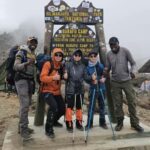
Day 1: Into the Forests – Lemosho Glades to Big Tree Camp
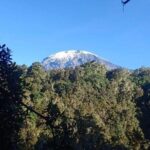
The trek kicks off with a transfer from Moshi to the Lemosho Gate, where you’ll kickstart your journey in lush, green forests. Walking through this dense terrain, you’ll encounter a variety of flora and maybe even some monkeys or birds, adding a lively touch to your climb.
The climb to Big Tree Camp (2780m) is gentle but steady, giving you time to acclimatize and enjoy the vibrant forest scenery. We love the idea of starting in such a green, lively environment—it’s a stark contrast to the barren summit landscape and helps prepare your body for the altitude.
Day 2: Across the Plateau – Big Tree Camp to Shira 2 Camp
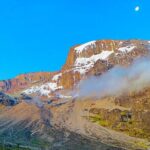
This day covers more ground, crossing a grassy moorland plateau dotted with volcanic rocks. Walking through volcanic terrain, you’ll get sweeping views of the surrounding landscape, including the cloud-shrouded Kibo Peak. Passing Shira 1 Camp, you’ll enjoy the chance to see it’s often surrounded by clouds, adding a mystical vibe.
The trek is still manageable, but the varied terrain and altitude gain make it a good step for acclimatization. The route’s openness and distant views make this a visually rewarding day.
Day 3: Climbing Closer – Shira 2 to Barranco Camp
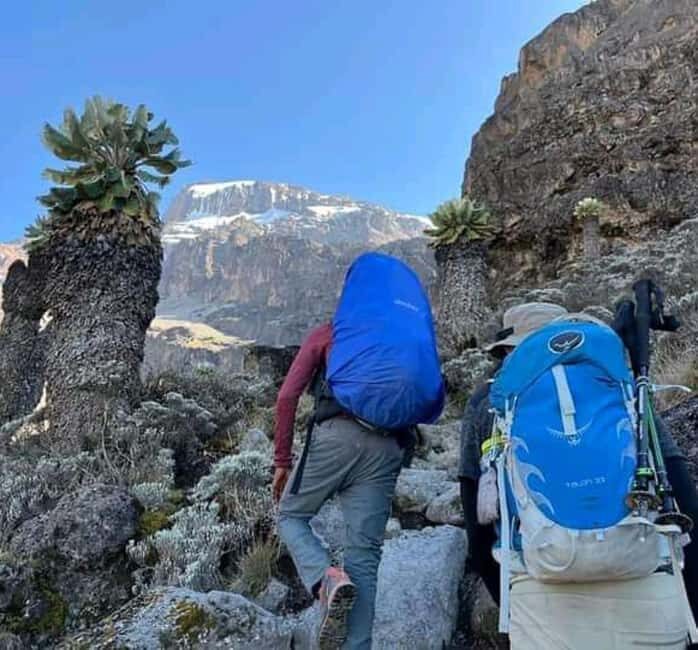
Today involves a gradual ascent with panoramic views and a descent into the Barranco Valley. The highlight? Walking along the steep descent, then climbing up to Barranco Camp (3960m). The scenery here is dramatic, with the great ravine of Barranco starting to show its grandeur.
This day is important for acclimatization, and we appreciate that the route balances challenge with scenic beauty. The steep descent and ascent prepare you for the more demanding days ahead while offering striking vistas.
More Great Tours NearbyDay 4: Into the Ravines – Barranco to Karanga
Starting with a descent into the Great Barranco ravine, you’ll experience the rugged beauty of Kilimanjaro’s volcanic landscape. Climbing up to Karanga Camp (around 3963m) involves a steep ascent, but if you’re feeling strong, an optional afternoon trek to about 4200m helps with acclimatization.
Traveling through terrain that feels both raw and alive, you’ll see how the mountain’s volcanic past shaped its current landscape. The team’s support here is crucial, especially during the steep parts.
You can also read our reviews of more tours and experiences in Moshi
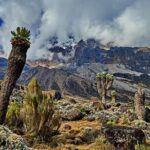
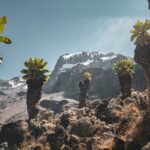
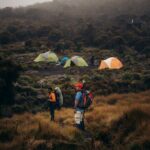
Day 5: The Last Ascent Push – Karanga to Barafu
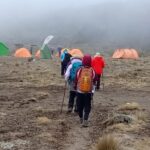
Today is the transition to the high camp at Barafu (4640m). You’ll leave the lush moorland behind as the landscape becomes whiter and more barren—almost lunar in appearance. After a hearty breakfast, you head out early, preparing for the final push.
This is the day most climbers start to feel the altitude more acutely, but it’s also when the sense of anticipation builds. The camp is basic but functional, and the team ensures you’re well-fed and rested for what’s to come.
Day 6: The Summit Night – Barafu to Uhuru Peak and Down
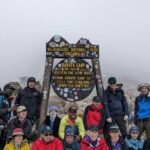
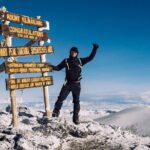
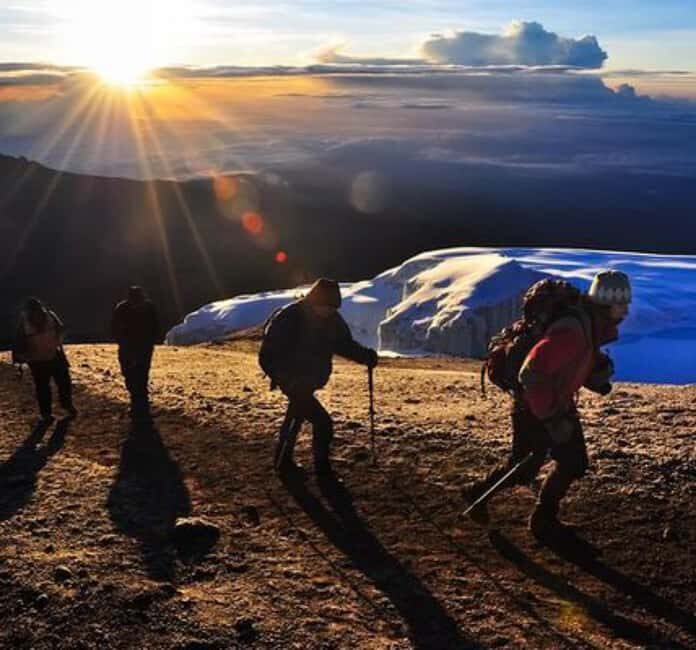
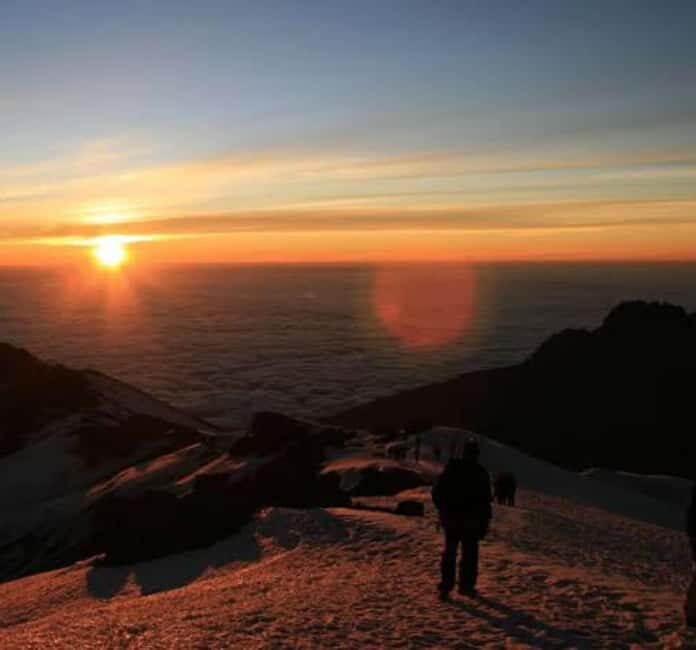
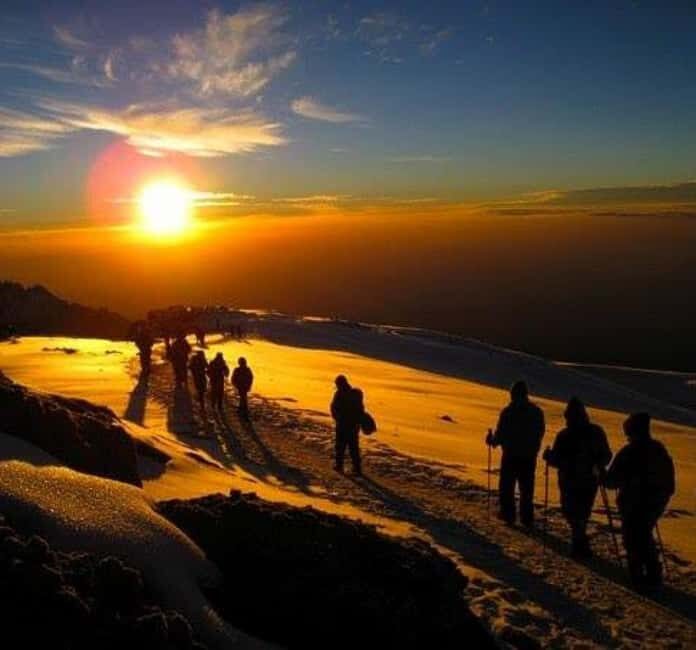
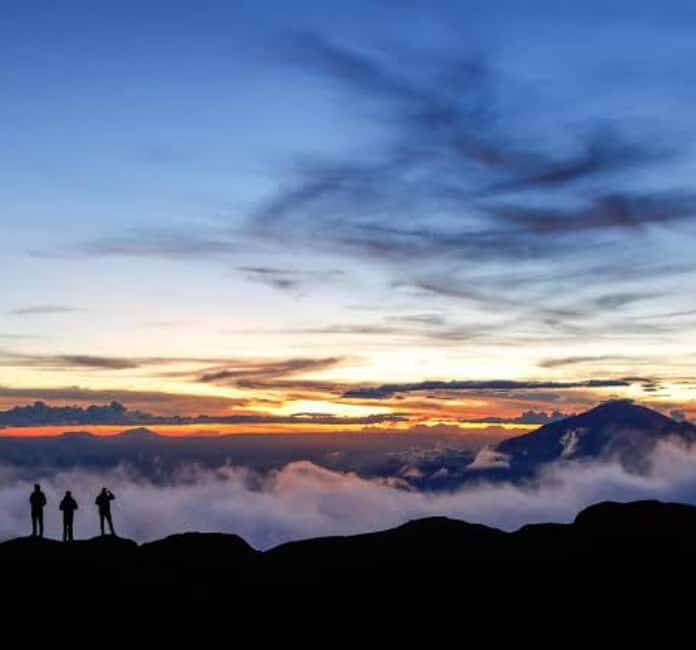
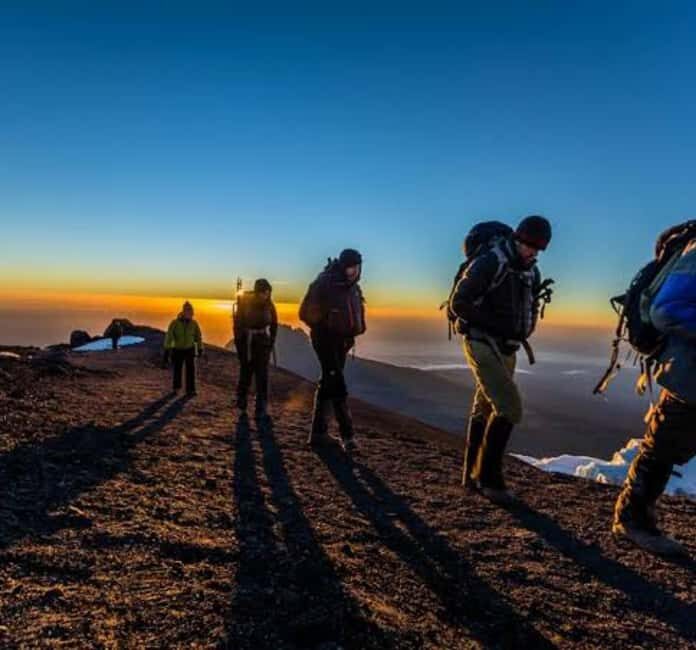
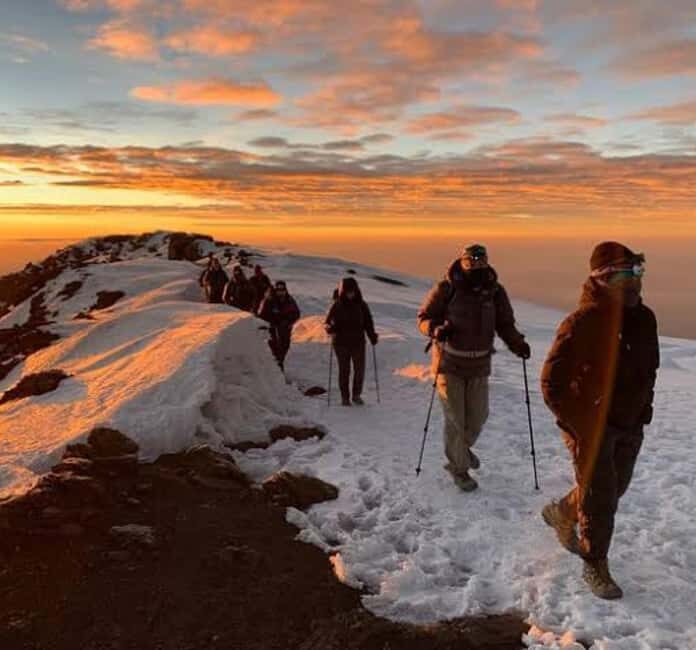
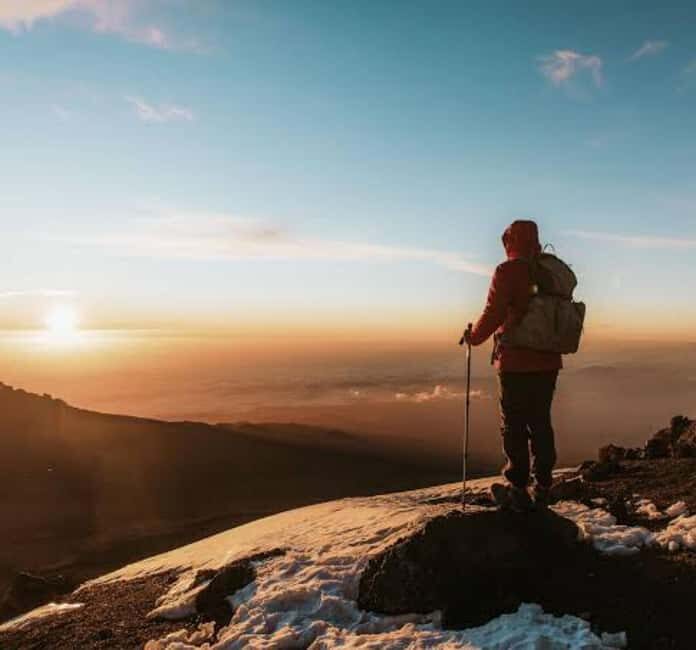
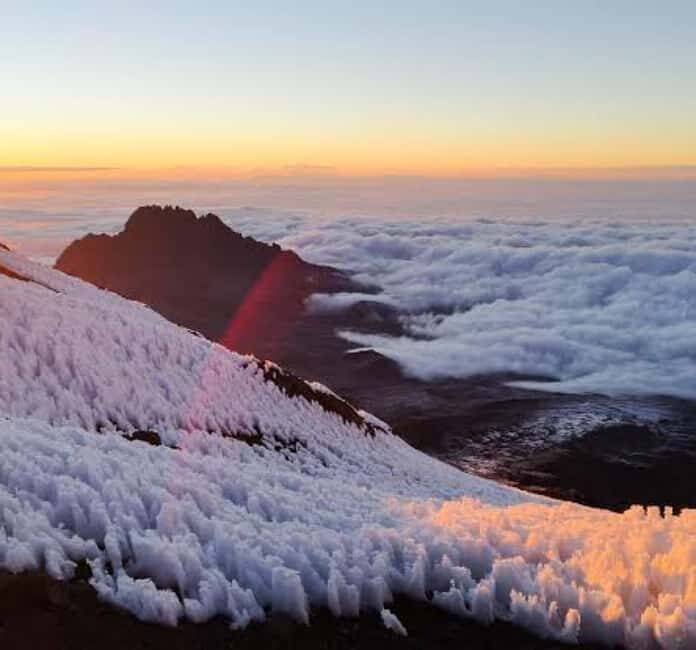
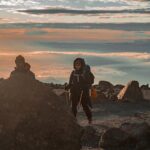
The most intense part of the experience, you’ll wake around midnight for the final ascent. Climbing steep scree slopes, the goal is to reach Uhuru Peak (5895m)—the highest point in Africa. The trail is demanding, but the views at sunrise from the summit are unparalleled.
From the crater rim’s ice cliffs to views of Mawenzi Peak, this stretch is as dramatic as it gets. After reaching the summit, the descent is quick, heading back down to the Millenium Camp (3790m) for rest and recovery.
Day 7: Descent to Mweka Gate
The trek down through rainforests is a gentle, scenic walk, offering a last chance to see Kilimanjaro’s lush lower slopes. Reaching Mweka Gate, you’ll receive your mountain climbing certificate—a proud memento of your achievement.
The ride back to Moshi with your crew is a moment to reflect on the journey, with the satisfaction of having taken part in something truly extraordinary.
The package’s $949 price covers a lot, making it a strong value for a week-long guided climb. Included are the pre-climb briefing, transportation, mountain tents, experienced guides, support crew, meals, and the necessary permits and certificates. The tents are 4-season, double-layered, with thick mats for comfort, which is useful given the cold and wet conditions that can crop up.
However, park fees and personal items are not included**, so budget accordingly. The tour also emphasizes ethical wages for the crew—something that adds to the overall value, knowing your contribution helps support local livelihoods.
Quality of Guides and Support
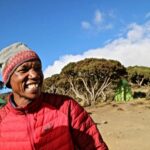
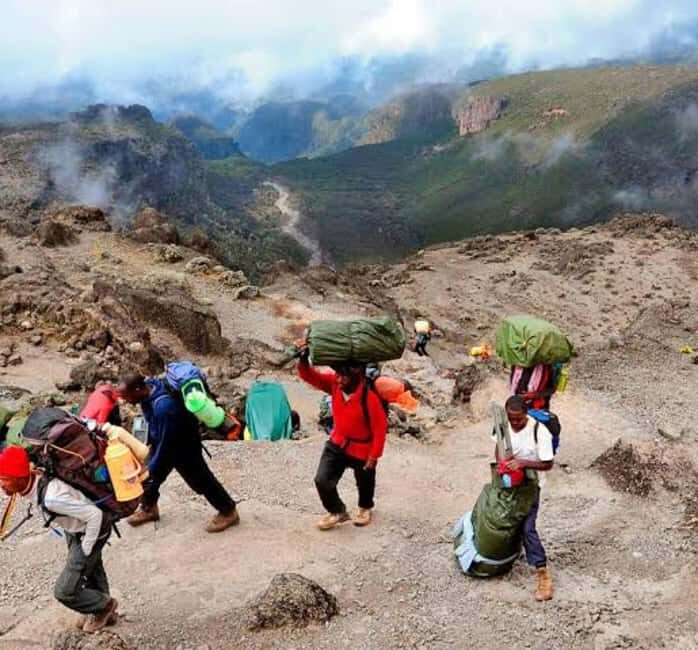
Reviews frequently mention that guides are knowledgeable and friendly, crucial factors in a successful climb. Their ability to manage altitude sickness, share insights about the landscape, and keep morale high can make or break your experience. Support staff, from cooks to porters, are well-trained and earn fair wages, adding an ethical dimension to your adventure.
The Landscape and Wildlife
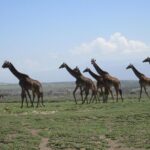
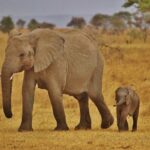
From the forested slopes to the barren glacier-covered summit, the scenery is stunning. Travelers often mention the chance to see wildlife, including monkeys and birds, especially at lower elevations. The route’s diversity means you get a broad view of Kilimanjaro’s changing environments, making each day feel fresh and exciting.
Mount Kilimanjaro: 7 Days Trekking – Lemosho Route
Timing and Flexibility
The tour offers a “reserve & pay later” option, making planning easier. Flexibility is helpful, especially if weather or personal circumstances change. The itinerary is designed with good acclimatization in mind, with ample days for gradual altitude gain—a key factor in the high success rate.
This Kilimanjaro climb suits adventurers who want a guided, supportive experience without sacrificing scenery or challenge. It’s ideal for travelers seeking a balanced mix of scenic beauty, physical challenge, and professional support. It also works well for those new to high-altitude trekking, provided they are in good shape and prepared for altitude.
The price point makes it accessible, but travelers should consider additional park fees and personal equipment costs. Those with a sense of adventure and a desire for an authentic mountain experience will find this trek rewarding.
Climbing Kilimanjaro via the Lemosho Route is a journey that combines natural beauty, physical challenge, and cultural encounters. The experienced guides, support crew, and well-planned itinerary make this an attractive option for those looking for a high success rate paired with stunning scenery.
In terms of value, it offers a comprehensive package that balances affordability with quality, with safety and success clearly prioritized. Whether it’s your first high-altitude trek or you’ve summited other giants, this route promises a memorable adventure.
If you’re motivated by spectacular views, authentic mountain encounters, and excellent support, this tour is definitely worth considering. Just come prepared—physically and mentally—and be ready to witness one of Africa’s most iconic landscapes.
Is this trek suitable for beginners?
It’s suitable for those in good physical condition and with some hiking experience, but since altitude can be challenging, preparation and fitness are important.
What is included in the price?
Pre-climb briefing, transportation, mountain tents, guides, support crew, meals, park permits, and a climbing certificate are included.
Are meals provided on the mountain?
Yes, you’ll get three meals daily while on the mountain, along with hot water for washing.
What gear should I bring?
A durable waterproof backpack, personal hygiene items, and any medications you need are recommended. Gear rentals are available if needed.
Can I book now and pay later?
Yes, the tour offers a booking option to reserve your spot with a “pay later” policy, providing flexibility in planning.
Are park fees included?
No, all National Park fees are not included and will need to be paid separately.
What is the group size?
The information doesn’t specify, but guided tours typically operate in manageable groups for safety and support.
What is the best time of year for this climb?
While specific months aren’t mentioned, Kilimanjaro generally has good weather during dry seasons—long and short rains may affect your plans.
Is there a minimum age requirement?
Children under 2 and people over 95 are not advised to take this trek, indicating an age restriction for safety.
What happens if I need to cancel?
You can cancel up to 24 hours in advance for a full refund, offering some peace of mind if plans change.
In summary, this Kilimanjaro trek via the Lemosho Route offers an excellent combination of stunning scenery, professional support, and a well-designed itinerary. It’s ideal for travelers who want a genuine challenge with a high chance of success, all wrapped in a package that emphasizes safety, ethics, and authenticity. Prepare well, and this adventure could be one of the most rewarding experiences of your life.
You can check availability for your dates here: