If you’re pondering a climb up Africa’s tallest mountain, the Mount Kilimanjaro Rongai Route is often hailed as one of the most accessible yet rewarding options. This review offers a close look at what travelers experience and why this trip continues to earn top marks from those who have taken it.
From the lush forests at the start to the rugged summit, you’ll find plenty to love — especially the professional guides, the breathtaking scenery, and the thoughtful organization that helps even first-timers feel prepared.
That said, it’s not a walk in the park — expect tough days, altitude challenges, and a need for good physical fitness. But if you’re looking for a well-organized adventure that balances challenge with support, this could be perfect. It suits travelers who value authentic experiences, are prepared for physical effort, and want a guided trek that emphasizes safety, scenery, and cultural connection.
Key Points
- Expert guides with deep local knowledge ensure a safe and enriching climb.
- The 7-day itinerary balances ascent and acclimatization for better summit success.
- Stunning landscapes from lush forests to barren lunar-like terrain keep the journey visually captivating.
- The value for money is reflected in the professional support, quality meals, and comfortable accommodations.
- Customizable options like pickup and private groups enhance the experience.
- The challenging summit day requires stamina, but the support from guides makes it manageable.
👉 See our pick of the Moshi’s 16 Top Tours & Things To Do
- Key Points
- Why Consider the Rongai Route?
- What to Expect from the Itinerary
- Day 1: From Farmlands to Simba Camp
- Day 2: Climbing into the Moors
- Day 3: Acclimatization at Mawenzi Tarn
- Day 4: Rest and Acclimatization
- Day 5: The Saddle and Kibo Hut
- Day 6: The Final Summit
- Day 7: Descent and Celebration
- The Value of Support and Organization
- Who Is This Tour Best For?
- Considering the Price
- The Best Of Moshi!
- More Tour Reviews in Moshi
Why Consider the Rongai Route?
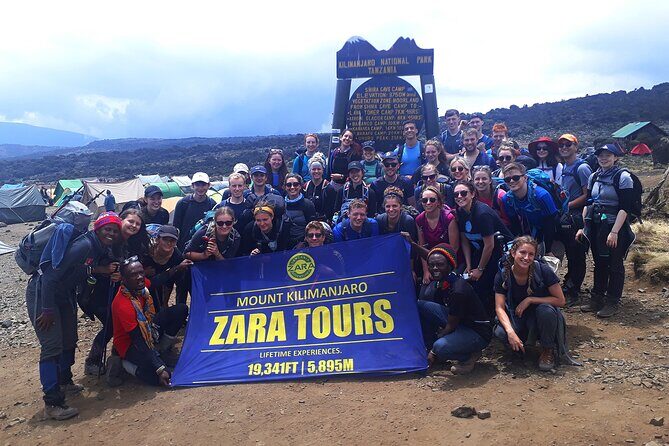
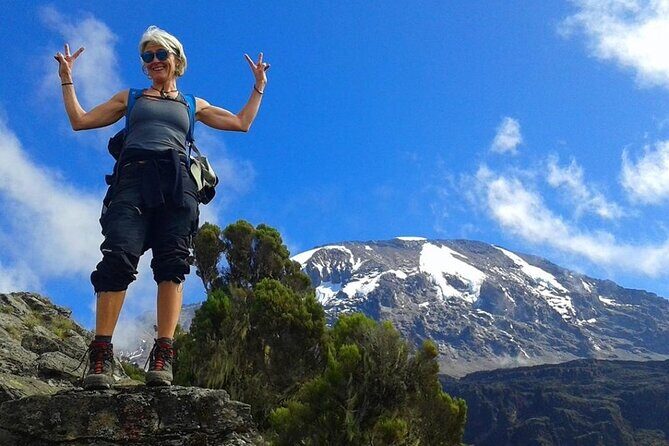
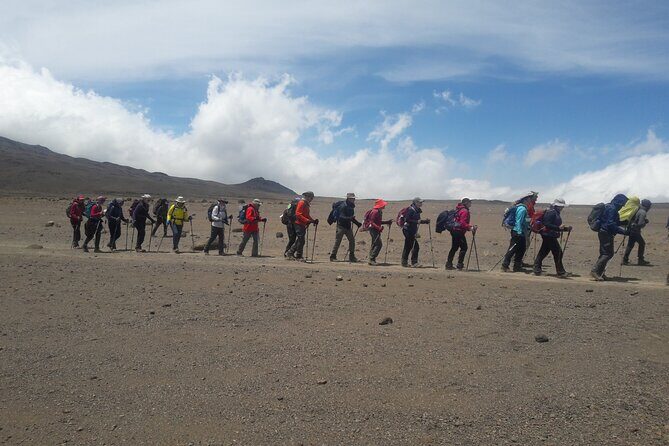
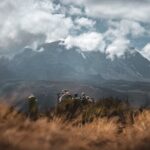
The Rongai Route is known for its less crowded trails compared to other routes, offering a quieter, more intimate experience. It’s also the only route starting from the northern side of Kilimanjaro, providing a different perspective on the mountain’s landscape and wildlife. Its gradual incline and forested surroundings make it appealing for those seeking a less technical but still physically demanding climb.
Our favorite aspects include the route’s scenic variety — starting with farmland and pine forests, then transitioning into moorlands and stark, lunar landscapes — along with the knowledgeable guides who make the journey smooth and informative.
You can also read our reviews of more tours and experiences in Moshi.
What to Expect from the Itinerary
Day 1: From Farmlands to Simba Camp
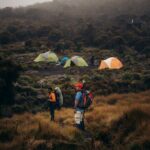
The journey begins at Moshi, with a roughly 2-3 hour drive to the Rongai Gate. The drive itself offers a glimpse of local life, passing through rural villages and farming areas. Once at the gate, the group completes registration before starting your trek through lush farmlands and pine forests.
The initial hike is gentle—about 8 km over 3-4 hours—giving your body a chance to acclimate gradually. Wildlife sightings such as colobus monkeys are possible early on. Reaching Simba Camp, you’ll enjoy a hot meal and rest, preparing for the following days.
Day 2: Climbing into the Moors
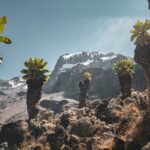
This day involves an ascent of about 10 km over 5-6 hours, reaching Second Cave for lunch. The trail steadily climbs across moorlands with expansive views and a peaceful atmosphere. You’ll pass Kikelewa Camp, set amidst giant Senecios and close to the Kikelewa Cave.
Reviewers praise the scenery here, with one noting, “Beautiful, and tough. Guides were professional and knowledgeable food is amazing!!” The gradual climb helps with acclimatization, vital for a successful summit.
Day 3: Acclimatization at Mawenzi Tarn
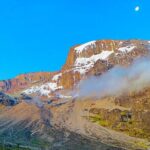
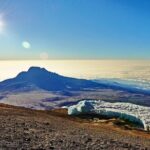
A shorter but steeper hike of 6 km takes you through grassy slopes to the Mawenzi Tarn, a spectacular setting beneath the peaks of Mawenzi. The landscape is rugged and dramatic, perfect for those wanting to get a taste of higher altitudes without overexerting.
Expect a hot lunch and optional short walk to help your body adjust. Evening briefings prepare you for the summit push, emphasizing the importance of proper pacing and hydration.
Day 4: Rest and Acclimatization
This extra day at Mawenzi Tarn is a key advantage of the route. You can hike toward Mawenzi Peak for additional acclimatization, which reviewers say is vital for success. The views from here are awe-inspiring, and the time spent helps your body adapt to the increasing altitude, making the final ascent safer and more manageable.
Day 5: The Saddle and Kibo Hut
Crossing the “Saddle”, a vast, barren landscape that looks like the moon, marks the transition into the more demanding parts of the climb. The trek stretches 8 km over 5-6 hours, with a gentle incline that helps conserve energy. Kibo Hut is the resting place before the summit attempt, with dinner served early to prepare for the midnight climb.
Day 6: The Final Summit
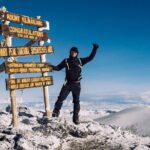
The most intense part of the journey begins around midnight. The ascent to Gillmans Point and then to Uhuru Peak takes about 12-15 hours. The trail is steep and physically demanding, yet the support from guides makes all the difference. Several reviews describe this day as “challenging but worth it”, emphasizing the value of good organization and guidance.
Reaching the summit for sunrise, you’ll be rewarded with incredible panoramic views. The sense of achievement is immense — one reviewer called it “a priceless adventure,” highlighting how well-supported trekkers feel during this grueling but triumphant climb.
Day 7: Descent and Celebration
Descending over 20 km takes about 6-7 hours, leading you back to the gate. You’ll receive your certification of achievement and head back to Moshi for a well-earned shower and rest. Many travelers mention extending their trip to include safaris or beach visits, making this an excellent gateway to further adventures.
The Value of Support and Organization
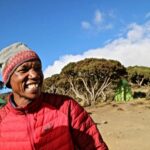
Multiple reviews highlight the professionalism of Zara Tanzania Adventures’ team. For example, “The guides were super attentive, always looking out for us,” and “Going up, the guides… really look after you and get the best from you.” It’s this level of care that turns a potentially daunting challenge into a manageable and memorable experience.
Good meals, especially at high altitude, are a bonus. One reviewer even mentions a “two-course dinner at 4,500m” — a testament to the quality support provided. The team’s organization, from porters to guides, ensures safety and comfort, which can significantly influence your overall experience.
Who Is This Tour Best For?
This trip suits physically fit travelers willing to endure the rigors of high-altitude trekking. Its length and gradual ascent make it a more comfortable option for those concerned about altitude sickness. The small group size (up to 15) and private tour setup offer a personalized experience, which reviewers appreciate.
It’s ideal for those who want to combine adventure with cultural connection and scenic variety — the route’s diverse landscapes and the knowledge of guides help make every step meaningful.
Mount Kilimanjaro Rongai Route
Considering the Price
At $2,700 for a 7-day guided climb, the tour offers good value when you consider the inclusions: experienced guides, porters, meals, park fees, and hotel transfers. The reviews consistently praise the professionalism and support, which directly impact your safety and enjoyment. If you’re after a well-organized, authentic climb with a small group, this price reflects a comprehensive and high-quality service.
The Mount Kilimanjaro Rongai Route with Zara Tanzania Adventures is a top-tier option for those seeking a thoroughly supported climb that emphasizes safety, scenic diversity, and expert guidance. Its slower pace and acclimatization days provide a better chance of reaching the summit than more aggressive routes, making it especially suitable for first-timers or those who want more time to enjoy the journey.
While the physical challenge is undeniable, the dedicated team and thoughtful planning make this a rewarding experience that many reviewers call “priceless” and “worth every effort.” For travelers looking for authenticity, professionalism, and adventure in Tanzania, this trek delivers on all fronts.
If you’re prepared for a week of exertion, eager for spectacular views and to say you’ve conquered Africa’s highest point, this tour could be your perfect match.
Is pickup included in the tour?
Yes, pickup is offered, ensuring a smooth start from your hotel or the airport.
How physically fit do I need to be?
You should have a moderate physical fitness level, as the trek involves several days of hiking with some steep sections, especially on summit day.
What makes the Rongai Route different from others?
It’s known for its less crowded trails, more forested scenery at the start, and its gradual ascent which helps with acclimatization.
How long is each trekking day?
Most days involve 3 to 6 hours of hiking, with the summit day being the longest at around 12-15 hours.
What is the group size?
This is a private tour for up to 15 people, providing a more personalized experience.
Can I extend my trip after climbing?
Yes, many travelers choose to explore safaris or Zanzibar afterward. The tour operator offers options to customize your stay.
What is included in the price?
Guides, porters, meals, park fees, and transportation are included. Optional extras like additional activities are available on request.
How challenging is the summit day?
It’s physically demanding but well-supported by guides. Proper rest and hydration are crucial, and many reviews highlight that with good support, it’s an achievable goal.
To sum it up, the Mount Kilimanjaro Rongai Route with Zara Tanzania Adventures combines expert guidance, spectacular scenery, and value for money into an experience that promises not just the thrill of reaching Africa’s highest point, but also a journey filled with cultural and natural wonders. Perfect for adventurous travelers who want a supportive, authentic climb and are ready to embrace the challenge.