Exploring Mount Kilimanjaro via the Rongai Route: An Honest Look
When it comes to climbing Africa’s tallest peak, Mount Kilimanjaro, there’s no shortage of routes. But the Rongai Route offers a unique blend of solitude, wildlife, and clear mountain vistas that appeal to many trekkers. We’ve looked into this trek to help you decide if it’s the right fit for your adventure ambitions.
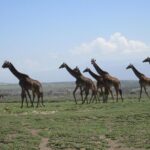
What we love about this experience is its remote setting, which means fewer crowds and a chance to encounter some of Tanzania’s most iconic wildlife—think elephants, buffalo, and antelope—along the way. Plus, the less moisture on the northeast side often translates to fewer rainy days, giving you better chances for crisp, unobstructed views of the mountain.
That said, because the Rongai Route doesn’t ascend as steeply as others, it might feel flatter, and therefore less challenging for some, but that also means less variation in elevation gains—something to consider if you’re after maximum acclimatization.
This trek is ideal for those who appreciate authentic wilderness experiences and want a more peaceful ascent. However, it’s not the best choice if you’re seeking a quick, high-intensity climb; the 7- or 8-day versions are strongly recommended to give your body more time to get used to altitude.
Key Points:
- Less crowded route offers more solitude and wildlife sightings.
- Clearer mountain views are common due to less moisture.
- Longer trek options improve acclimatization and success rates.
- Knowledgeable guides enhance safety and enjoyment.
- Remote location might involve longer transfer times from Moshi.
- Good for nature lovers seeking a more authentic and tranquil climb.
- Why Choose the Mount Kilimanjaro Rongai Route?
- The Itinerary: What to Expect Day-By-Day
- Day 1: From Farmlands to Simba Camp
- Day 2: Moorland Views and the Mawenzi
- Day 3: Closer to the Cliffs
- Day 4: The Lunar Desert and Final Camp
- Day 5: The Summit Push
- Day 6: Descent and Celebration
- The Guide, Crew, and Logistics
- Considering the Price: Is It Worth ,120?
- Authentic Experiences and What Travelers Say
- Who Is This Tour Best For?
- The Sum Up: Is the Rongai Route for You?
- FAQs
- The Best Of Moshi!
- More Tour Reviews in Moshi
Why Choose the Mount Kilimanjaro Rongai Route?
The Rongai Route is distinguished by its remote, less traveled path, starting from the north-eastern side of Kilimanjaro. If the idea of sharing your trail with dozens of fellow climbers isn’t appealing, this route delivers a more secluded experience. Its wilderness vibe, combined with chances to see large wildlife, makes it stand out from more popular routes like Machame or Marangu.
On top of that, the route’s flatter profile appeals to hikers who prefer a less steep ascent, which can be easier on the knees and joints. That said, because of its profile, it doesn’t have as many options to climb high and sleep low—a common technique to prevent altitude sickness—so extra days (7 or 8) are highly recommended for better acclimatization.
The less moisture on this side of the mountain means trekkers often enjoy crisper, clearer views—a bonus for photography enthusiasts or those who simply want to feast their eyes on the stunning vistas. The possibility to spot elephants and buffalo in their natural habitat also adds a wild, safari-like feel that many find memorable.
👉 See our pick of the Moshi’s 16 Top Tours & Things To Do
The Itinerary: What to Expect Day-By-Day
You can also read our reviews of more tours and experiences in Moshi.
Day 1: From Farmlands to Simba Camp
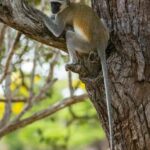
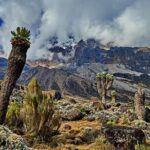
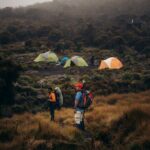
Your adventure begins with a drive from Moshi to Nale Moru, the starting point. The initial walk takes you through farmland and pine forests, which might be your first encounter with Colobus monkeys or—if luck’s on your side—elephants or buffalos in the distance.
The 8 km trek takes around 4-5 hours, gradually ascending to Simba Camp at 2625m. The scenery is lush, and the air begins to feel thinner, setting the tone for the days ahead. This first day is generally gentle, giving your body a chance to adjust.
Day 2: Moorland Views and the Mawenzi
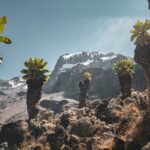
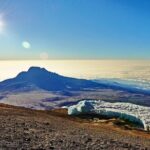
The next morning, the ascent continues with a steady climb toward the Second Cave Camp. From here, the vistas of Kibo and the Eastern ice fields are spectacular, promising some of the best mountain views early on.
In the afternoon, you head across moorland terrain towards the jagged peaks of Mawenzi, settling into camp at Kikelewa caves at 3630m. The 6-7 hour day is a good mix of walking and acclimatization—the kind of balance everyone hopes for.
Day 3: Closer to the Cliffs
This day features a short but steep ascent that rewards you with a panoramic view of the Kenyan plains. You’ll reach Mawenzi Tarn Hut, situated below Mawenzi’s cliffs, at around 4-5 hours of walking. The afternoon offers a chance to rest or explore, which is perfect for helping your body adjust to higher elevations.
Day 4: The Lunar Desert and Final Camp
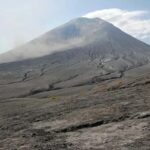
Crossing the saddle between Mawenzi and Kibo, this section feels almost lunar, with rocky, barren terrain stretching out beneath the vast sky. By late afternoon, you’re at Kibo Hut, preparing for the big summit push. Rest is crucial tonight, as the final ascent begins in the early hours.
Day 5: The Summit Push
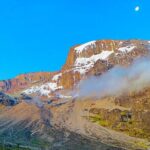
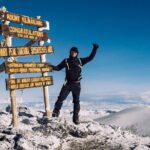
This is the most challenging day—beginning around midnight with a long, strenuous climb. Passing the Hans Meyer Cave at 5220m, you’ll gradually ascend toward Gilmans Point at 5681m. From here, the views are truly breathtaking, and the thrill of reaching the Uhuru Peak at 5895m is unforgettable.
The climb takes 12-15 hours, so pack patience and a sense of adventure. Many reviews highlight the guides’ professionalism and the importance of proper acclimatization for this tough, yet rewarding, day.
Day 6: Descent and Celebration
After the glory of the summit, the descent is just as important. You’ll pass through the heath and moor zones to the Mandara Hut, where a hot lunch awaits. The trek continues through lush rainforest back to the park gate—about 6 hours of walking.
Once back in Moshi, there’s nothing like a hot shower and a cold drink to celebrate your accomplishment.
The Guide, Crew, and Logistics
Maua Adventures is praised for their knowledgeable and friendly guides, which makes a big difference on such a demanding trek. The reviews mention guides who are professional, fun, and well-organized, giving trekkers confidence and comfort at every step.
The crew includes cooks and porters who provide three meals a day, ensuring you stay energized. Wages are fairly paid, per Tanzanian park standards, which reflects in the quality of service and safety.
Transportation is private from Moshi to the trailhead and back, making logistics smoother and less stressful. The tour includes all necessary permits and meals on the mountain, giving you a hassle-free experience.
Considering the Price: Is It Worth $2,120?
At $2,120 per person, this trek is on the higher end for Kilimanjaro routes but offers value through comfort, safety, and experienced guides. It includes all meals, transportation, guides, and porters, so there are no hidden extra costs during your climb.
When you compare this to other routes, the less crowded, wildlife-rich environment and expert staff add to the overall value. Plus, the longer trek options mean you’re more likely to summit comfortably, reducing the risk of altitude sickness—a key consideration for many climbers.
Authentic Experiences and What Travelers Say
Two reviews particularly stand out. One reviewer called it a “Top Class Kilimanjaro Service,” praising the organization and crew, emphasizing that the guides and staff made the experience smooth and enjoyable. Another described it as a “Great, safe and adventurous Kilimanjaro summit climb,” appreciating the professional, knowledgeable, and friendly team.
These testimonials highlight that, beyond the scenery, the quality of guiding and crew makes a real difference in how enjoyable and safe the climb feels.
Who Is This Tour Best For?
This route suits adventurers who want a quieter, wildlife-filled trek without sacrificing the challenge of reaching Kilimanjaro’s summit. It’s ideal for nature lovers and those who appreciate authentic wilderness. If you’re looking for a more relaxed pace with time to acclimate, the 7- or 8-day options are smart choices.
However, if your priority is a quick summit or you prefer a more direct route, this might not be the best fit. A solid physical condition and willingness to trek through remote terrain are essential.
The Sum Up: Is the Rongai Route for You?
The Mount Kilimanjaro Rongai Route offers a less crowded, wildlife-rich alternative to busier paths, paired with expert guides who prioritize safety and an authentic experience. The spectacular views, especially with fewer clouds, make it a visual standout. Its flat profile and longer duration provide a more comfortable ascent for acclimatization, improving your chances of reaching the summit.
This experience is perfect for nature-minded trekkers who want to avoid the crowds and enjoy Africa’s incredible wilderness. It’s also a good choice for those willing to invest a bit more time for a more relaxed, scenic, and memorable climb.
While it may involve longer travel times and a higher cost, the quality of guides, the wildlife encounters, and the stunning vistas are well worth it. If you’re after a genuine, less commercialized Kilimanjaro adventure, this route could be your best bet.
Mount Kilimanjaro Rongai Route
FAQs
What is the cost of the tour?
The tour costs $2,120 per person, which includes transportation, guides, meals, permits, and crew wages, offering good value for a fully supported climb.
Is this tour suitable for beginners?
Yes, but you should have moderate physical fitness. Longer, acclimatizing treks with extra days are recommended for better adjustment to high altitude.
Does the tour include transportation?
Yes, private transportation is included to and from the mountain gate, making logistics smoother and more comfortable.
Are meals provided on the mountain?
Absolutely, you’ll enjoy 3 meals daily prepared by experienced cooks, keeping you energized for each day’s trek.
What about tips for the crew?
Tips are not included; it’s customary to tip guides, porters, and cooks based on your experience, but this is at your discretion.
Can I cancel if my plans change?
Yes, the tour offers free cancellation if you cancel at least 24 hours in advance.
Will I see wildlife?
Yes, the route’s remote location often allows for wildlife sightings like elephants, buffalo, and antelope along the trail.
How long does the final summit day take?
The summit day involves a midnight start and can take 12 to 15 hours, depending on your pace and conditions.
Is the route less rainy?
Yes, the north-east side of Kilimanjaro generally receives less moisture, resulting in fewer rainy days and clearer mountain views.
What’s the best time to book this trek?
While not explicitly stated, clear views and wildlife sightings are often best during dry seasons, so plan accordingly.
In all, if you’re looking for a scenic, authentic, and well-supported Kilimanjaro experience, the Rongai Route with Maua Adventures offers a memorable way to reach the roof of Africa.