A Closer Look at the Myth of Pejeng Walking Tour
If you’re curious about Bali’s ancient past and love discovering sacred sites on foot, the Myth of Pejeng Walking Tour offers a fascinating peek into Bali’s pre-Hindu era. This guided walk takes you through some of the island’s oldest temples and archaeological sites, revealing stories that have been whispered through generations.
It’s an experience designed for travelers who enjoy history, culture, and a leisurely pace—plus, it costs under $16 per person, making it an accessible choice for budget-conscious explorers.
Two things we particularly appreciate about this tour are its small-group intimacy—which means plenty of personalized attention—and the expert guides who bring stories to life with their knowledge and passion.
On the flip side, since the tour involves walking around historic temples, uneven stairs and some steep paths are part of the package, so it’s best suited for those who are reasonably mobile and comfortable in an urban environment.
If you’re after a deeper cultural experience in Bali that’s both affordable and enriching, this tour is hard to beat.
Who would love this? History buffs, first-time visitors to Ubud seeking context, and anyone interested in understanding the spiritual fabric of Bali beyond the usual tourist spots. It’s especially ideal if you enjoy walking, storytelling, and learning about local myths while visiting sacred sites.
Key Points
 1 / 5
1 / 5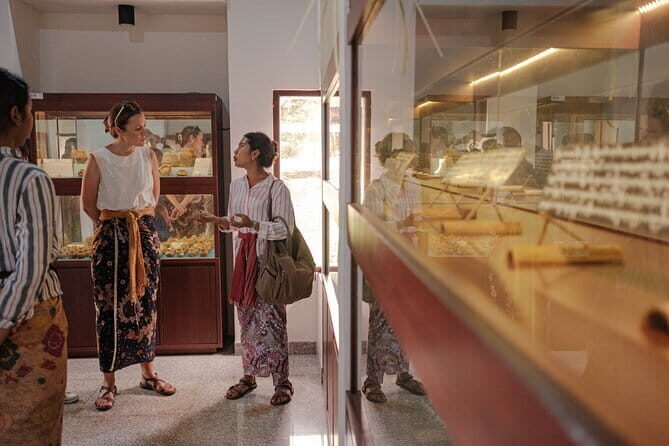 2 / 5
2 / 5 3 / 5
3 / 5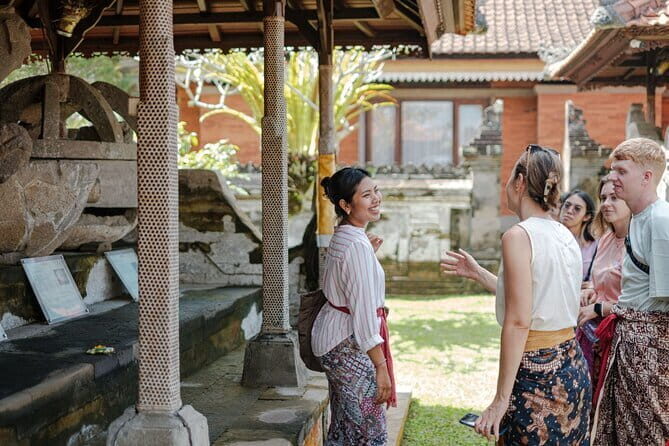 4 / 5
4 / 5 5 / 5
5 / 5- Affordable Yet Rich: At just over $15, this tour offers access to multiple temples and archaeological sites with an expert guide.
- Balanced Itinerary: Four stops, each revealing different aspects of Bali’s sacred and ancient past.
- Authentic Experience: Small group size ensures a personal touch and meaningful interactions.
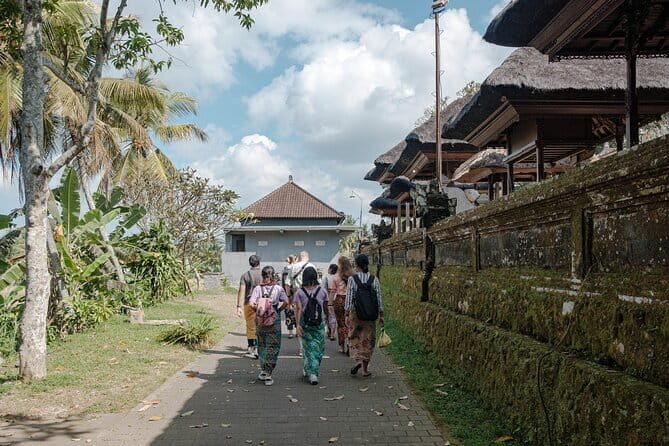
- Cultural Respect: Modest dress is required at temples, and guides provide sarongs and sashes.
- Weather Friendly: Tours run rain or shine, with the possibility of calling if conditions are severe.
- Environmental Care: Bringing a reusable water bottle is encouraged to help reduce plastic waste.
An In-Depth Look at the Itinerary
Starting Point at Pura Penataran Sasih
Your journey begins early in the morning at the Indomaret Pejeng. Here, you’ll don traditional sarongs and sashes—an important sign of respect when entering Bali’s sacred temples. The first stop is Pura Penataran Sasih, one of Bali’s oldest temples, famous for housing Southeast Asia’s largest bronze kettle drum known as the Moon of Pejeng. This is a highlight for many, not just for its impressive size but also for the myths woven around it. As our guide explains, this artifact is more than just a relic; it’s a vessel of stories and legend, intertwining local mythology with archaeological significance. Reviews mention that the guide’s storytelling makes the experience memorable: “Joe was very informative! Love the stories about the moon of Pejeng and tantra who knew Bali had sarcophagi!”
Next Stop at Pura Pusering Jagat
The tour then proceeds to Pura Pusering Jagat, a major Balinese temple believed to be at the island’s center. This is one of Bali’s six main Kahyangan, or directional temples, giving it a crucial spiritual role. Here, you’ll have a closer look at the Pejeng Vessel, an ancient artifact tied to the early influence of Buddhism and Hinduism in Southeast Asia. The site’s significance lies not only in its religious role but also in its architectural beauty and intricate carvings. One reviewer noted, “We examined the Pejeng Vessel and discussed the early spread of Buddhism and Hinduism, which really added context to Bali’s spiritual mosaic.”
The Quirky Kebo Edan Temple
The third stop is Kebo Edan, a small but striking temple known as the Temple of the Crazy Buffalo. Its 13th-century Bhairawa statue recovered from nearby rice fields is a key attraction. The guide discusses theories about its origins and possible links to Tantric practices, which tend to fascinate those interested in esoteric Balinese traditions. “We saw the Bhairawa statue and learned about its unusual background, which was surprisingly accessible thanks to our knowledgeable guide,” one reviewer shared.
Final Stop at the Arca Building Archaeological Museum
The tour concludes at the Arca Building Archaeological Museum, where you’ll explore ancient sarcophagi and learn about pre-Hindu Balinese life. The open courtyard setting offers a glimpse into the island’s distant past, long before temples and religious practices took hold. It’s a compelling way to round out your understanding of Bali’s deep-rooted history, as highlighted by visitors who appreciated the insight into early Balinese customs.
You can also read our reviews of more walking tours in Ubud



What Makes This Tour Stand Out?
Expert Guides and Personal Stories
Multiple reviews praise the guides’ knowledge and enthusiasm. One mentions, “Win was an incredible guide, allowing time for all of our questions and taking good care of us.” Their storytelling makes complex historical and mythological topics accessible and engaging.
Authentic Cultural Encounters
The tour offers a chance to see local ceremonies if they coincide with your visit, as one reviewer was lucky enough to witness a ceremony in full swing. Even if your timing doesn’t align with a ritual, the guides’ explanations deepen your understanding of local customs and religious practices.
Accessible and Well-Organized
Despite some uneven terrain at temples, the tour is generally well-paced. The small group size (max 8 travelers) fosters a relaxed atmosphere, while the inclusion of sarongs and sash ensures visitors are dressed respectfully. The timing at 8:30 am is perfect for avoiding the midday heat and crowds.
Value for Money
Considering the admission tickets, expert guiding, cultural insights, and included refreshments—coffee, tea, and a snack—the value is significant. Plus, the tour supports sustainable practices by encouraging the use of reusable bottles.
Practicalities: What You Need to Know
Duration & Group Size
Approximately two hours long, this tour offers a manageable pace to enjoy four key sites. With a maximum of 8 participants, you’ll get a more personalized experience than larger, bus-based tours.
Pricing & Included Features
For about $15.79, you receive admission to all four sites, a local guide, temple donations, sarongs, sashes, and refreshments. This makes it quite affordable considering the depth of cultural exposure.
Weather & Clothing
It operates in rain or shine, so pack an umbrella or rain jacket. Comfortable walking shoes are recommended given uneven temple stairs and gravel paths. Modest attire is a must—guides provide sarongs, but bringing your own is always an option.
Meeting Point & Timing
Meet at the Indomaret Pejeng at 8:30 am, with the tour ending at the archaeological museum in Bedulu. It’s near public transportation, making it easy to access.
Who Should Consider This Tour?
This walk is perfect for curious travelers eager to explore Bali beyond the usual tourist spots. If you value learning about Bali’s ancient myths, archaeological discoveries, and sacred temples, you’ll find this tour immensely rewarding. It’s especially suitable if you enjoy walking and don’t mind a bit of uneven terrain. Those seeking a quiet, intimate group experience will also appreciate its small size. It’s a fantastic option for anyone wanting a balanced mix of history, culture, and local legends in a manageable timeframe.
Myth of Pejeng Walking Tour






FAQ
Is the tour suitable for all ages?
While most travelers can participate, the tour involves walking around temple grounds with uneven surfaces and stairs. Those comfortable with walking and standing for two hours will enjoy it most.
Does the tour run rain or shine?
Yes, it operates in all weather conditions, but if there’s heavy rain or severe weather, the guide will call to reschedule or inform you.
Are there any extras I need to bring?
Bringing a reusable water bottle is encouraged. Comfortable shoes, modest clothing, and a hat or sunscreen are also recommended.
What’s included in the price?
You get guided access to four sacred sites, temple donations, sarongs and sashes, local snacks and drinks, and expert commentary.
Can I join if I’m not staying near Ubud?
Yes, the meeting point is accessible via public transport, but you’ll need to plan accordingly to arrive on time for the 8:30 am start.
Are there any special cultural considerations?
Respect the sanctity of the temples by dressing modestly and following guide instructions. If a ceremony is happening, follow the guide’s lead to show appropriate respect.
To sum it up, the Myth of Pejeng Walking Tour offers a thoughtful, affordable way to deepen your understanding of Bali’s ancient past and sacred sites. With knowledgeable guides, a well-curated itinerary, and an authentic cultural experience, it’s an excellent choice for curious travelers who want to see beyond the surface. Whether you’re a history enthusiast, a curious explorer, or just looking for a meaningful cultural outing, this tour provides a genuine glimpse into Bali’s mysterious and spiritual origins.
Best for those who enjoy walking and storytelling, prefer small-group experiences, and want a budget-friendly yet meaningful cultural adventure in Ubud. Perfect if you’re eager to connect with Bali’s deeper stories and respect its sacred spaces.