Exploring Nagasaki’s Dejima and Dutch Slope with a local guide offers a fascinating glance into Japan’s encounters with the outside world. This 2-hour walking tour covers two of the city’s most iconic sites that tell stories of commerce, cultural exchange, and architectural fusion.
If you’re curious about how Nagasaki became Japan’s first window to Western influences, this experience is a thoughtful way to deepen your understanding.
We love how this tour combines historical storytelling with visual charm—strolling through beautifully reconstructed houses and enjoying views of Nagasaki Bay. Plus, the relaxed pace means you can soak in the atmosphere without feeling rushed. However, given the short duration and walking focus, it may not suit those with limited mobility or looking for an in-depth exploration.
It’s ideal for travelers with a keen interest in history and architecture who want a manageable, engaging introduction to Nagasaki’s foreign past.
- Key Points
- An Introduction to Nagasaki’s Unique Heritage
- Exploring Dejima: Japan’s Window to the World
- The Walk to Dutch Slope: A Glimpse into Foreign Life
- The Practicalities: What to Expect and How to Prepare
- Pricing and Value: Is It Worth It?
- Who Will Enjoy This Tour?
- Final Thoughts: Is It Right for You?
- FAQ
- More Walking Tours in Nagasaki
- More Tours in Nagasaki
- More Tour Reviews in Nagasaki
Key Points
 1 / 7
 2 / 7
 3 / 7
 4 / 7
 5 / 7
 6 / 7
 7 / 7
- Historical insight into Nagasaki’s role as Japan’s gateway to foreign influence during isolation.
- Visual appeal of European-style houses and restored buildings along Dutch Slope.
- Cultural understanding of how trade shaped Nagasaki’s development and international connections.
- Accessible walking tour suitable for most, with wheelchair access.
- Authentic storytelling from guides fluent in English and Japanese.
- Affordable value for a focused, two-hour experience exploring iconic sites.
An Introduction to Nagasaki’s Unique Heritage
Nagasaki is a city that wears its history on its streets, especially in areas like Dejima and Dutch Slope. These sites are not just pretty neighborhoods—they’re chapters of a story about Japan’s limited but impactful contact with the wider world. The charm of this tour lies in how it makes history tangible, with reconstructed buildings and authentic stories sharing what life was like for traders and diplomats centuries ago.
For travelers who find history intriguing, this tour offers a well-rounded peek into Nagasaki’s maritime past. We particularly appreciate how it balances educational content with visual charm, letting you walk through streets that still echo with the footsteps of 17th-century merchants.
You can also read our reviews of more walking tours in Nagasaki


Exploring Dejima: Japan’s Window to the World
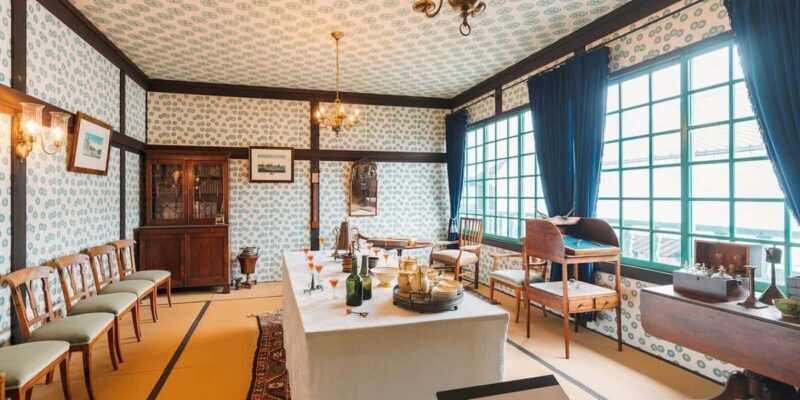
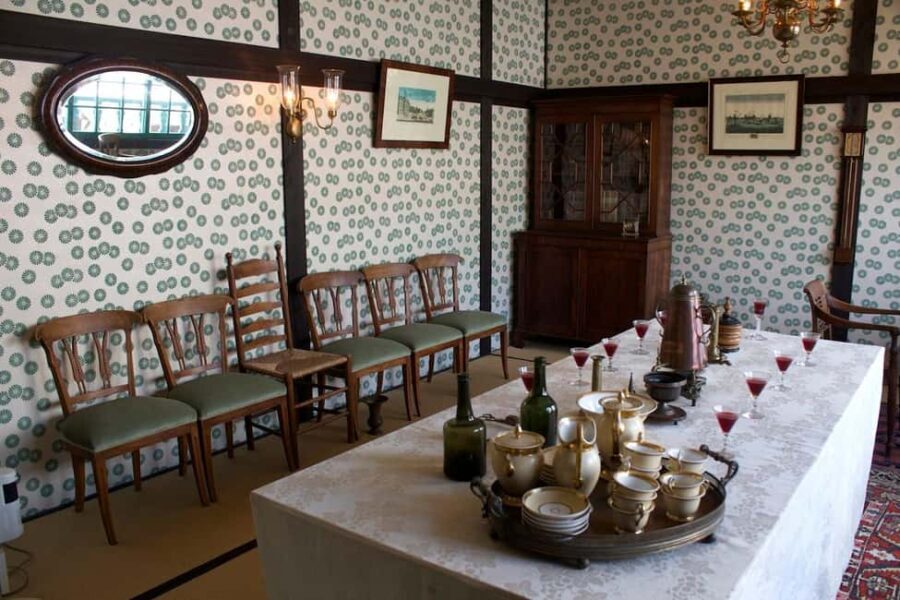
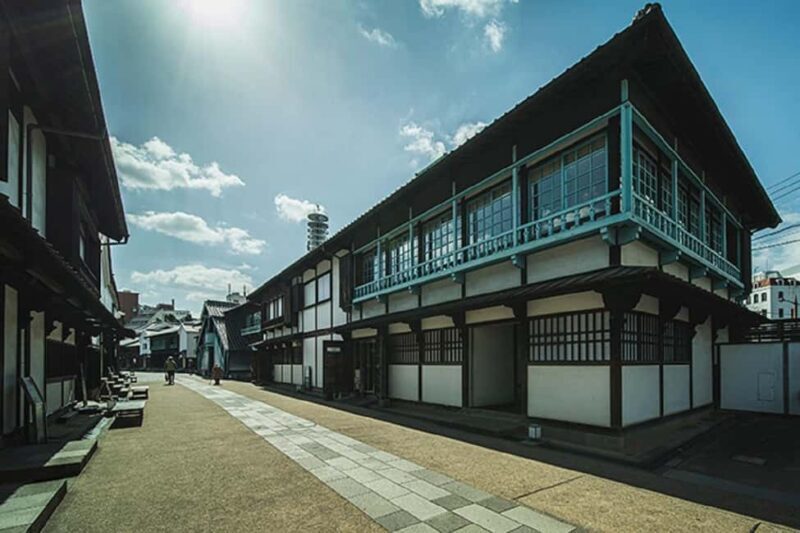
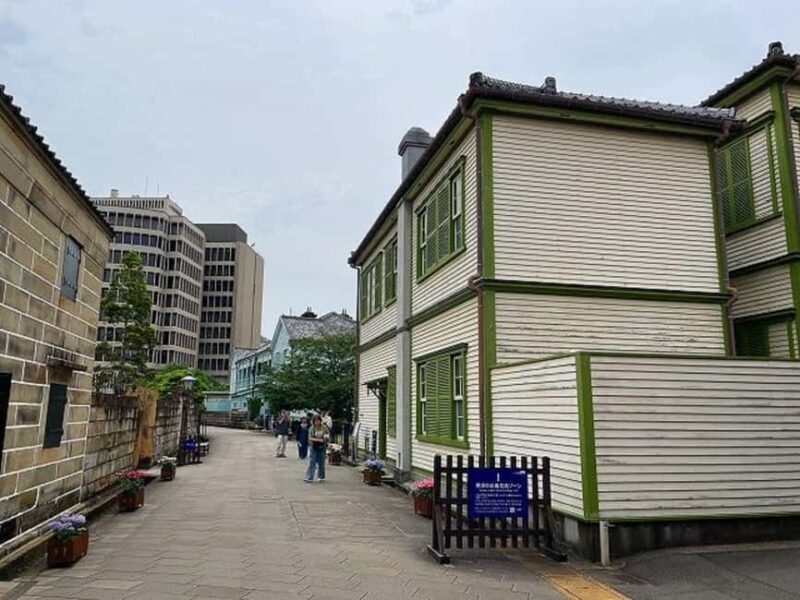
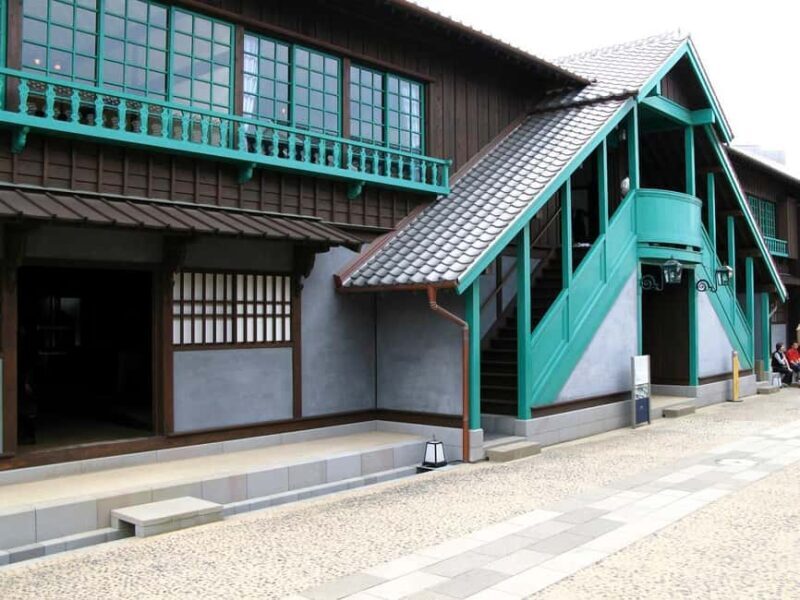
The first stop is Dejima, a fan-shaped island built in 1636 during a period when Japan was largely closed off. The island’s purpose? To serve as the only official point of contact with the Dutch and other select traders. Walking through the restored streets, you’ll see reconstructed houses, warehouses, and exhibits showcasing exotic imports like sugar, glass, and textiles.
This part of the tour explains how Nagasaki became a hub of Western science, medicine, and even cuisine. It’s a rare chance to stand where Japanese and European worlds collided—albeit in a controlled, limited way—leading to influences that still ripple through Japan today.
Several reviews highlight how the restored buildings and exhibits give a vivid sense of the past. One visitor noted, “I loved the way the reconstructed houses brought history to life. It’s like walking into a 17th-century Dutch trader’s home.” This immersive experience makes Dejima much more than a museum; it’s a portal to understanding Japan’s cautious but curious engagement with the outside.
The Walk to Dutch Slope: A Glimpse into Foreign Life
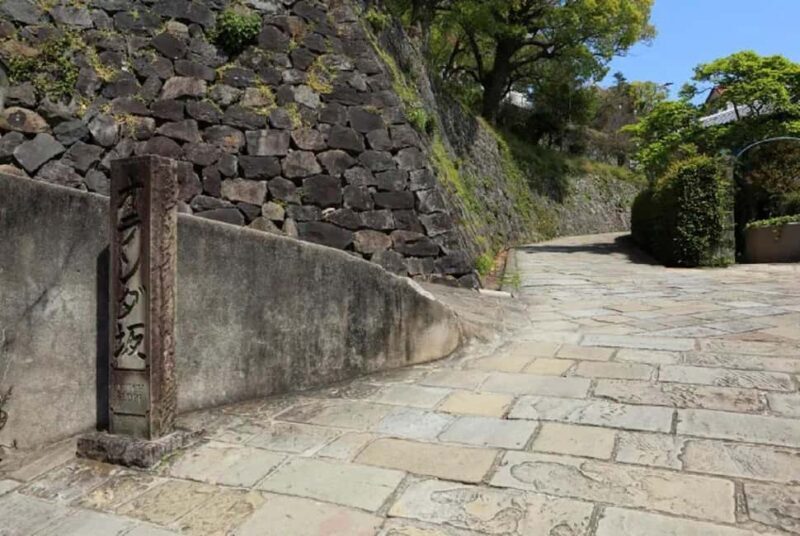
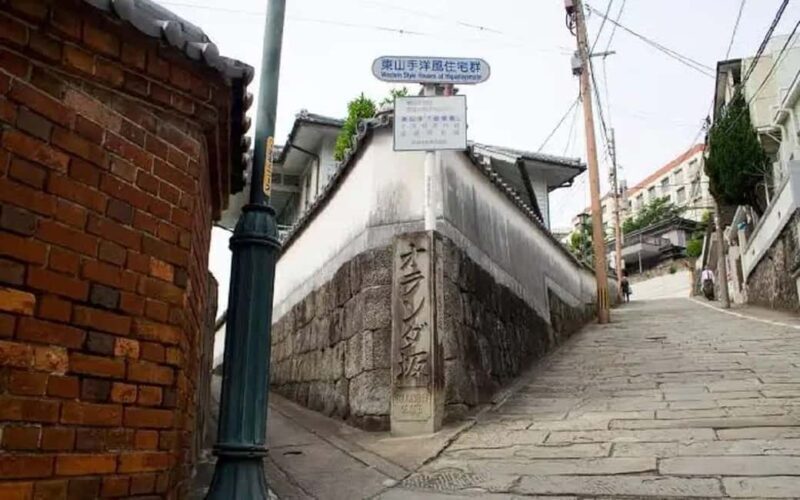
From Dejima, a gentle 15-minute walk takes you uphill to Dutch Slope (Oranda-zaka). This hillside neighborhood was home to foreign merchants and diplomats after Japan opened its ports in the mid-19th century. The streets are paved with stones, leading past elegant Western-style houses with wide balconies, brick chimneys, and manicured gardens.
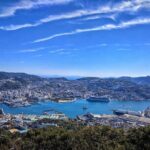
The architecture here reflects a blend of Japanese and European influences. Many houses still stand, allowing visitors to imagine what life was like for foreign families living side by side with Nagasaki locals. The scenic slope offers sweeping views of Nagasaki Bay, making it an atmospheric spot perfect for photos.
Several reviews praise Dutch Slope for its visual appeal and historic atmosphere. One traveler shared, “Walking along Dutch Slope felt like stepping back into a European village, but with a Japanese twist. It’s a surprisingly peaceful spot with lovely views.”
The Practicalities: What to Expect and How to Prepare
This tour is designed to be accessible and straightforward. Starting at Nagasaki Seaside Park, a spacious waterfront area, makes it easy to find your guide and gather without crowds. The 2-hour duration is ideal for travelers wanting a taste of Nagasaki’s history without a full-day commitment.
The tour includes live guides fluent in English and Japanese, providing plenty of context and storytelling. The group size tends to be manageable, creating an intimate atmosphere, though the exact number isn’t specified. It’s wheelchair accessible, making it available for most visitors with mobility challenges.
Participants are advised to wear comfortable shoes, as the tour involves walking on cobblestone streets and uneven paths. A camera is recommended to capture the charming architecture and scenic views, and don’t forget to bring cash for any souvenirs or additional purchases.
More Great Tours NearbyPricing and Value: Is It Worth It?
At $400 per person, this tour might seem a bit steep compared to shorter local guided walks, but it’s important to weigh the content and experience against the price. You gain access to restored historic sites, expert storytelling, and a manageable, focused exploration of Nagasaki’s foreign quarters—all within two hours.
Other similar guided experiences might cost more or less, but this tour promises a balanced mix of education, visual charm, and local insight. It’s especially valuable for history buffs or architecture enthusiasts eager to see authentic reconstructions and learn about Japan’s early international encounters.
Some reviews praise the guide’s storytelling for making history engaging, which adds to the perceived value. It’s a solid choice if you want a compact, insightful look at Nagasaki’s unique cultural crossroads.
You can also read our reviews of more guided tours in Nagasaki

Who Will Enjoy This Tour?
This experience suits travelers interested in history, architecture, and cultural stories. It’s particularly good for those who prefer walking tours that are easy to follow and not overly long. The accessible design makes it suitable for most age groups, though those with very limited mobility might want to check the specific accessibility details.
It’s a good pick for visitors looking for an authentic, immersive experience that connects the dots of Nagasaki’s past without requiring a full day’s commitment. The scenic views and charming streets also make it appealing to photographers or those who appreciate picturesque neighborhoods.
Final Thoughts: Is It Right for You?
If you’re curious about how Nagasaki shaped Japan’s interaction with the world, this tour provides a well-rounded introduction. It offers a visual journey through beautifully reconstructed buildings and scenic streets that tell stories of trade, diplomacy, and cultural exchange. The guide’s storytelling helps make history feel alive, and the manageable 2-hour format fits well into a busy sightseeing schedule.
For travelers seeking a balanced, authentic experience with historical insights and charming scenery, this tour hits the mark. It’s especially suited for those who want an accessible, engaging way to connect with Nagasaki’s unique international past without overloading on detail or time.
While the price might be a consideration for some, the quality of the restored sites and informative guides justify the cost—especially if you’re eager to understand Nagasaki beyond the usual sightseeing spots.
Nagasaki: Dejima and Dutch Slope Guided Walking Tour
FAQ
What is the duration of the tour?
The tour lasts about 2 hours, making it a quick but meaningful introduction to Nagasaki’s foreign history.
Where does the tour start?
It begins at Nagasaki Seaside Park, a spacious waterfront area offering scenic views and easy meeting points.
Is the tour suitable for wheelchair users?
Yes, the tour is wheelchair accessible, allowing most visitors to enjoy the experience comfortably.
Do I need to prepare anything?
Comfortable shoes are recommended since you’ll be walking on cobblestone streets and uneven paths. Bringing a camera is also advisable.
Can I cancel or reschedule?
Yes, you can cancel up to 24 hours in advance for a full refund, and you can reserve now and pay later to keep your plans flexible.
What languages are guides available in?
Guides speak both English and Japanese, providing clear explanations and engaging storytelling.
What should I bring for the tour?
Bring cash for souvenirs or additional purchases and wear comfortable, weather-appropriate clothing.
Is this tour good for children?
It’s suitable for most ages, but very young children or those with mobility issues might find walking challenging.
Are food and drinks included?
No, but the focus is on cultural sites and architecture. There are no food or drink provisions during the tour.
In summary, this Nagasaki guided walk through Dejima and Dutch Slope offers a compact, visually engaging, and historically rich experience that’s particularly well-suited for curious travelers eager to learn about Japan’s early foreign contacts. With its manageable length, scenic streets, and storytelling guides, it’s a well-considered choice for those seeking an authentic taste of Nagasaki’s unique past.
You can check availability for your dates here: