Nagasaki WW2 History and Culture Tour: An In-Depth Look at Japan’s Resilient City
If you’re planning a trip to Nagasaki and want a meaningful way to understand its past and present, this full-day private tour offers a well-rounded immersion. Led by a knowledgeable guide, you’ll visit key sites—from somber memorials to lively ceramic workshops—while enjoying local cuisine and authentic experiences. It’s a carefully curated journey that balances history, culture, and natural beauty.
What we really appreciate about this tour is its focused itinerary: no wasted time, just meaningful stops that tell Nagasaki’s story. Plus, the small group size means you get tailored attention and the chance to ask plenty of questions.
A second highlight is the inclusion of lunch and beverages, which makes it a practical, no-stress day. The only caveat? With so many sites packed into one day, a fair bit of walking and standing is involved.
This tour suits travelers who want a deep, authentic experience—history buffs, cultural enthusiasts, or anyone interested in understanding Nagasaki beyond the typical tourist spots. If you’re after a relaxed, rundown that combines reflection, learning, and scenic beauty, this tour will serve you well.
Key Points
- Expert guide with extensive knowledge of Nagasaki’s WWII and cultural sites
- Inclusive experiences, such as museum entries, lunch, and drinks, add value
- Varied stops from peace parks and museums to local craft and history sites
- Small group ensures personalized attention and a more immersive experience
- Scenic views and photo opportunities at Inasayama Observation Deck
- Authentic local experiences like visiting a sake brewery and ceramic museum
- Key Points
- A Detailed Walkthrough of the Nagasaki WW2 History and Culture Tour
- Starting at Sohonzan Shrine: An Imposing Welcome
- Saikai Bridge and the Whirlpools of Hario Straits
- Hario Radio Tower: A WW2 Landmark
- Umegae Sake Brewery: A Taste of Local Craftsmanship
- Mukyudo: A Community-Driven WWII Shelter
- Katashima Torpedo Base Ruins: A Hidden Naval Gem
- Hasami Ceramics Festival: Art and History in Clay
- Nagasaki Peace Park and Atomic Bomb Museum: Reflection and Remembrance
- Inasayama Observation Deck: The City’s Breathtaking Panorama
- How Does the Tour Add Value?
- Practical Details and Tips
- The Sum Up: Is This Tour Right for You?
- FAQ
- More Historical Tours in Nagasaki
- More Tours in Nagasaki
- More Tour Reviews in Nagasaki
A Detailed Walkthrough of the Nagasaki WW2 History and Culture Tour
 1 / 4
 2 / 4
 3 / 4
 4 / 4
This tour is designed to give you a comprehensive look at Nagasaki’s layered history—from its peaceful shrines to its war-time scars, to its vibrant cultural scene today. With a duration of approximately 7 to 9 hours, it fits comfortably into a full day and offers plenty of opportunities to see, learn, and reflect.
You can also read our reviews of more historical tours in Nagasaki
Starting at Sohonzan Shrine: An Imposing Welcome
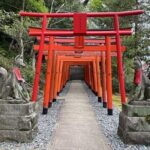
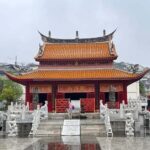
Your day begins at the Sohonzan Shrine, notable for its monumental Torii gate. This Shinto shrine isn’t just a sightseeing stop; it’s a cultural highlight. The size of the entrance alone hints at its importance, and inside, the sense of reverence is palpable. It offers a peaceful start, away from the busier parts of Nagasaki, and sets a tone of respect for tradition and history.
Many travelers might think, “Not another shrine,” but this one’s beauty and the sheer scale make it worth the brief stop. It’s free to enter, making it an accessible introduction. We loved the way this site combines spiritual tranquility with cultural depth, giving a grounding moment before we dive into Nagasaki’s more intense WWII sites.
Saikai Bridge and the Whirlpools of Hario Straits
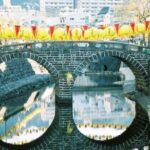
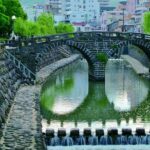
Next, a scenic drive takes you to the Saikai Bridge, crossing the Hario Straits. Here, nature’s power is on full display with whirlpools created by the fast-flowing currents—a natural spectacle that’s especially impressive during spring tides. It’s a striking reminder of Japan’s maritime environment and the forces shaping this region.
This stop also features a lovely park, ideal for a picnic amid seasonal flowers. The peaceful surroundings contrast sharply with the sobering history ahead, but they also demonstrate Nagasaki’s resilience and harmony between nature and mankind.
Hario Radio Tower: A WW2 Landmark
Further into history, the Hario Transmission Towers stand as silent witnesses to wartime activities. These towers hold historical significance as the starting point of messages related to the attack on Pearl Harbor. Though the towers are mostly remnants today, standing here sparks reflection on how Nagasaki’s wartime efforts connect to the broader Pacific theater.
This site provides a tangible link to history that many might overlook, making it a valuable inclusion for those interested in the wartime communications infrastructure.
Umegae Sake Brewery: A Taste of Local Craftsmanship
One of the tour’s highlights is a visit to the Umegae Sake Brewery. Unlike many industrial tours, this brewery invites visitors to wander freely through the factory, sampling a variety of sake, shochu, and plum wines.
The experience is both educational and sensory. You get a chance to appreciate the craftsmanship behind Japan’s famous rice wines and spirits, and the traditional Japanese gardens set the scene for a relaxing picnic lunch. Several reviews praise this stop as a “special place that makes a lasting impression,” and we agree. It’s a delightful break from the more serious sights, with a warm, authentic atmosphere.

Mukyudo: A Community-Driven WWII Shelter
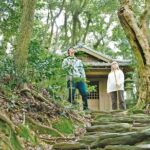
Moving into wartime civil defense, Mukyudo was an air-raid shelter built and maintained by students and teachers during WWII. What makes this site unique is its community-driven history: students were responsible for its upkeep and even used it as a classroom during bombings. This personal touch offers a visceral sense of how ordinary people—especially young students—faced extraordinary threats.
It’s an emotional spot that underscores the resilience and courage of Nagasaki’s citizens. The site is free to visit, and the guide’s insights help bring the stories to life.
Katashima Torpedo Base Ruins: A Hidden Naval Gem
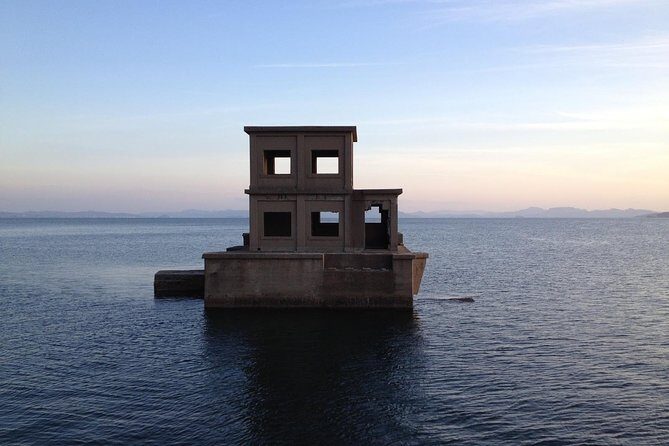
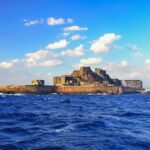
Next, the tour takes you to the Katashima Torpedo Base Ruins. This abandoned building once served as a training center and mooring dock for submarines, offering a glimpse into Nagasaki’s strategic military past. While not heavily documented, what remains sparks the imagination—visualize submarines slipping into the water, trained sailors preparing for action.
This site’s somewhat off-the-beaten-path nature means fewer travelers, adding to the feeling that you’re uncovering a secret piece of Nagasaki’s wartime history. It’s an atmospheric stop that offers an authentic connection to wartime naval activities.
Hasami Ceramics Festival: Art and History in Clay
No cultural tour of Nagasaki would be complete without exploring its renowned ceramics. The Hasami Ceramics Museum showcases traditional Japanese porcelain alongside influences from around the world. The museum’s exhibits demonstrate how international techniques and styles have shaped Nagasaki’s ceramic scene over centuries.
If you’re a fan of pottery or just curious about Japanese crafts, this stop is both educational and inspiring. Visitors can even browse local shops for unique pieces—an excellent opportunity to pick up a memorable souvenir.
Nagasaki Peace Park and Atomic Bomb Museum: Reflection and Remembrance
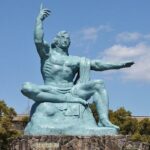
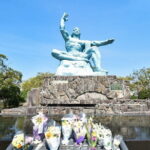
The Nagasaki Peace Park is a place of quiet contemplation. Surrounded by statues and memorials, it’s a space to reflect on the devastating effects of nuclear warfare. It’s a peaceful, somber setting that encourages visitors to consider the importance of peace and the lessons of history.
Adjacent to this is the Atomic Bomb Museum, an emotionally intense experience. The exhibits and photographs are graphic and can evoke strong feelings—some visitors report tears and deep reflection. While not for everyone, many see it as an essential part of understanding Nagasaki’s tragic past. The museum’s inclusion in the tour, with tickets covered, adds to the overall value.
Inasayama Observation Deck: The City’s Breathtaking Panorama
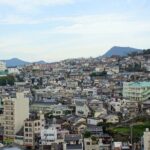
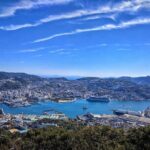
The day concludes with a visit to Mount Inasa, home to what many consider Nagasaki’s most stunning view—especially at night. During the day, the scenery is equally impressive, showing Nagasaki’s harbor, mountains, and cityscape sprawling below.
While the nighttime view is often praised, the daytime vistas are equally breathtaking and offer great photo opportunities. The deck is accessible via a short drive, and the ticket is included in the tour. It’s a fitting finale, allowing you to admire Nagasaki’s beauty after a day steeped in its history.
How Does the Tour Add Value?
This tour’s price of $711.60 for a group of up to three might seem steep at first glance, but when you consider the inclusions—entrance fees, a traditional Japanese lunch, drinks throughout the day, private transportation, and a dedicated guide—it becomes clear that it offers significant value.
Traveling with a private guide means you get personalized attention, in-depth explanations, and the flexibility to ask questions. Plus, the itinerary is thoughtfully curated, avoiding the superficial and focusing on meaningful experiences. Many reviews highlight the guide’s extensive knowledge, with comments like “Shannon is an incredible tour guide” and “His historical knowledge cannot be surpassed.”
The tour is most suitable for those who want a comprehensive, authentic look at Nagasaki—history lovers, culture seekers, and those interested in Japan’s wartime past. The inclusion of quiet, reflective sites like the Peace Park and the emotionally charged Atomic Bomb Museum makes it an educational experience as much as a sightseeing tour.
Practical Details and Tips
- Duration: 7 to 9 hours means you’ll want to wear comfortable shoes and be prepared for some walking and standing.
- Transportation: The private, air-conditioned vehicle ensures a comfortable journey between stops, especially on hot or rainy days.
- Timing: Most travelers book this tour 85 days in advance, highlighting its popularity and the need to plan ahead.
- Inclusions: Everything from museum tickets to lunch and drinks is covered, making it a hassle-free experience.
- Weather: The tour requires good weather; if canceled due to rain, a different date or a refund will be offered.
- Group Size: Limited to your party, providing a more intimate experience.
The Sum Up: Is This Tour Right for You?
This Nagasaki WW2 History and Culture Tour offers a unique, well-rounded experience for travelers eager to understand the city’s complex past while enjoying its scenic beauty and cultural richness. It’s especially suited for those who value expert guidance, thoughtful itineraries, and authentic local interactions.
Expect a day filled with reflection, learning, and memorable sights—perfect for history buffs, culture enthusiasts, and travelers who want a deeper connection to Nagasaki’s story. Its focus on meaningful sites, coupled with the convenience of included transport and meals, makes it a compelling choice for those wanting an immersive, hassle-free day.
While the price may seem high, the rich content, expert guidance, and carefully curated stops make it a worthwhile investment for anyone seeking a genuine experience that honors Nagasaki’s past and celebrates its resilient spirit.
Nagasaki WW2 History and Culture Tour
FAQ
What is included in the tour’s price?
The tour covers all entrance fees for the Atomic Bomb Museum and Inasayama Observation Deck, a traditional Japanese lunch, drinks throughout the day, private transportation, and the guiding service.
How long does the tour last?
Expect about 7 to 9 hours, depending on pace and time spent at each site.
Is this tour suitable for children or elderly travelers?
Most travelers can participate, but be prepared for some walking and standing. Elderly travelers should consider mobility needs.
Do I need to book in advance?
Yes, this tour is typically booked around 85 days ahead due to its popularity.
What should I bring?
Comfortable shoes, weather-appropriate clothing, a camera, and a bottle of water are recommended.
Can I customize the itinerary?
As a private tour, there’s some flexibility, but the itinerary is quite full, so discuss your preferences with the guide beforehand.
Is there free time during the tour?
The itinerary is structured but includes opportunities for photos and brief explorations at some stops.
What if the weather is bad?
The tour requires good weather; if canceled due to rain, you’ll be offered a different date or a full refund.
This Nagasaki tour offers a thoughtful, engaging way to explore a city that has endured and evolved through centuries of change. It’s a meaningful experience that balances history, culture, and natural beauty—perfect for travelers eager to deepen their understanding of Japan’s most resilient stories.