- Introduction
- Key Points
- A Closer Look at the Itinerary
- Stop 1: Kenyatta International Conference Center (KICC)
- Stop 2: Dedan Kimathi Statue
- Stop 3: Tom Mboya Statue
- Stop 4: Kenya National Archives
- Stop 5: Kipande Road and Kipande House
- Stop 6: Maasai Market
- Stop 7: Jamia Mosque
- Stop 8: August 7th Memorial Park
- The Experience: Value and Practicality
- Who Should Consider This Tour?
- The Sum Up
- FAQ
- The Best Of Nairobi!
- More Walking Tours in Nairobi
- More Tours in Nairobi
- More Tour Reviews in Nairobi
Introduction





If you’re planning a trip to Nairobi and want a snapshot of its history, culture, and daily life—all in just a couple of hours—this guided walking tour is worth considering. It’s designed to give you a well-rounded introduction to Kenya’s capital, hitting all the big landmarks and local hotspots without the hassle of navigating on your own.
What we really like about this tour is how it combines fascinating historical sites with the lively Maasai Market. It offers a chance to see the city from above at the Kenyatta International Conference Center and then get your hands on authentic souvenirs at the market. The other big plus? The guides are well-informed, sharing stories and insights that breathe life into Nairobi’s streets.
One potential drawback is the outside-only exploration of some attractions like the National Archives and the August 7th Memorial Park. If you’re keen on inside visits, you might find this limiting. However, for most travelers, the outdoor views and photo opportunities are plenty.
This tour suits visitors who want a concise, engaging overview of Nairobi’s history and culture, especially those who prefer walking and local markets over long bus rides. It’s also ideal for travelers on a budget looking for a guided experience that hits the highlights without breaking the bank.

👉 See our pick of the 16 Best Tours & Things To Do In Nairobi (With Prices)
Key Points
- Authentic Introduction: Offers a balanced blend of history, culture, and local markets.
- Expert Guides: Known for knowledgeable guides who enhance the experience.
- Cost-Effective: At $40, it provides good value, especially with included Wi-Fi.
- Limited Inside Access: Some sites are only viewed from outside, which may matter for those seeking detailed museum experiences.
- Designed for Walkers: Short walking distances make it accessible for most travelers.
- Personalized Attention: Small group size (max 8) ensures a more intimate experience.
You can also read our reviews of more walking tours in Nairobi


A Closer Look at the Itinerary
Stop 1: Kenyatta International Conference Center (KICC)
We start at the iconic KICC, where you get a chance to see the towering structure that defines Nairobi’s skyline. The highlight here is going up to the rooftop for an aerial view of the city. Although the admission ticket isn’t included ($5), the panoramic shot of Nairobi’s bustling streets and sprawling neighborhoods makes this a worthwhile investment. From above, you’ll appreciate how the city sprawls outward, with the central business district and surrounding neighborhoods.
The statue of Kenya’s first president nearby is a perfect photo op, and the view sets the tone for understanding the city’s growth and identity. The guide’s commentary often includes stories about Nairobi’s development, making this a valuable start.
Stop 2: Dedan Kimathi Statue
Next, we visit the statue of Dedan Kimathi, one of Kenya’s independence heroes. This site is a quick stop but packed with significance. Kimathi’s role in the struggle for independence makes his statue more than just a piece of public art; it’s a symbol of resistance and national pride.
As one reviewer pointed out, this stop is “free” and offers a chance to reflect on Kenya’s fight for freedom. Even in just a few minutes, you’ll gain insight into a key figure in Kenyan history, making it a meaningful addition.
Stop 3: Tom Mboya Statue
Just a short walk takes us to the statue of Tom Mboya, another figure deeply intertwined with Kenya’s independence movement. His speech at the Congress Hall helped ignite the push for independence. Standing here, you can imagine the fervor and hope that filled those moments, and you’ll see how individuals like Mboya contributed to shaping modern Kenya.
The guide often shares stories about Mboya’s influence, making this stop more engaging than a simple photo opportunity.
You can also read our reviews of more guided tours in Nairobi




Stop 4: Kenya National Archives
From the outside, we explore the Kenya National Archives, a building that’s become a symbol of the country’s dedication to preserving its history. Though inside visits are optional, viewing the architecture and the surrounding area gives you a window into Nairobi’s historical importance.
This stop underscores the importance of record-keeping and heritage in Kenya’s nation-building. It’s a quick stop but adds depth to the understanding of local history.
Stop 5: Kipande Road and Kipande House
Here, we see the Kipande House, a designated National Monument. The name “Kipande” refers to a historical identity system used during colonial times, and the house holds stories of Kenya’s past struggles with colonial rule.
This stop, though brief, offers a peek into Kenya’s colonial history, helping you appreciate the country’s journey toward independence and self-determination.
Stop 6: Maasai Market
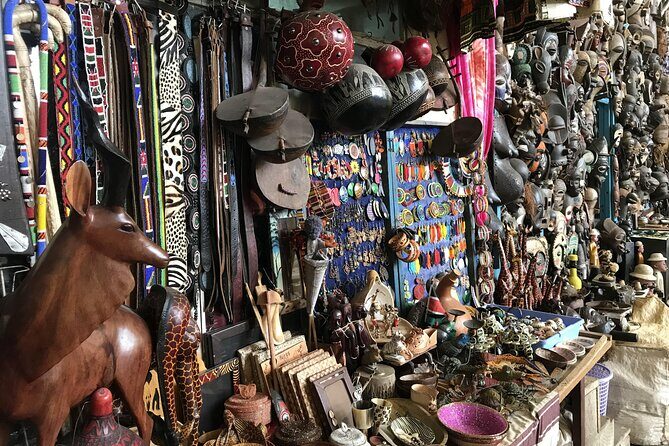
The bustling Maasai Market is a highlight for many travelers. Sprawling stalls brim with African handcrafts, souvenirs, and curios. It’s a lively, colorful environment perfect for picking up authentic gifts and practicing your bargaining skills.
The guide’s role here is especially helpful—ensuring you get good deals on quality items at local prices. As one reviewer noted, this market can be overwhelming for those not used to bargaining, but having a knowledgeable guide makes shopping more enjoyable and less stressful.
Stop 7: Jamia Mosque
Next, we visit the Jamia Mosque, a significant monument for Nairobi’s Muslim community. The mosque’s architecture and interior are impressive, and the guide provides insights into its religious and cultural importance.
Photographers will enjoy capturing the mosque’s intricate designs, and those interested in religious history will appreciate the context shared.
Stop 8: August 7th Memorial Park
Our final stop is the August 7th Memorial Park, commemorating the 1998 US Embassy bombing. The outside view of the park offers a sobering reminder of how tragedy has shaped the city, with photo opportunities that honor resilience.
While inside visits are not included, the external memorial is an important historical marker, providing a moment for reflection.
The Experience: Value and Practicality
For $40 per person, this tour offers a solid introduction to Nairobi’s core sights and stories. The small group size (max 8 travelers) ensures a personal touch, making it easier to ask questions and engage with the guide. The inclusion of Wi-Fi is a small but welcome bonus, useful for sharing photos or staying connected.
The tour’s timing—roughly 2 hours—means you get a compact, manageable experience that doesn’t take up your whole day. It’s a good way to orient yourself, especially if you’re short on time or arriving in Nairobi for a quick layover.
While the stops focus mostly on outdoor viewing and brief visits, the value of having a knowledgeable guide cannot be overstated. One reviewer specifically praised how the guide shared “a lot of interesting information about Kenyan history,” adding depth to each site.
The market visit is arguably the most lively part—expect vibrant stalls, bargaining, and plenty of photo opportunities. Just note that some travelers may find the hustle a bit overwhelming if they’re not comfortable with bargaining or crowded environments.
Who Should Consider This Tour?
This guided walk is perfect for first-time visitors wanting a quick yet meaningful overview of Nairobi. It’s especially good for those interested in history, culture, and local markets. Budget travelers will appreciate the value, and those who prefer walking over long drives will find this tour a comfortable, engaging way to see the city.
If you’re looking for inside museum experiences or extended sightseeing, you might want to supplement this tour with additional visits. But for a well-balanced, insightful introduction, this tour hits the right notes.
The Sum Up
This Nairobi City Guided Walking Tour stands out for its combination of historical significance, cultural vibrancy, and practical affordability. The experienced guides bring stories to life, turning a simple walk into a memorable learning experience. The mix of iconic landmarks and lively markets offers a well-rounded picture of Nairobi, making it a smart choice for those eager to understand the city’s past and present.
The tour’s focus on outdoor sights and market visits makes it accessible and flexible, suitable for most travelers. It’s best suited for curious explorers who appreciate authentic local environments and enjoy engaging with knowledgeable guides.
If you’re after a concise but meaningful introduction to Nairobi, this tour delivers its promise with charm and clarity. It’s a great way to kick off your visit, gain insights you won’t find in guidebooks, and support local artisans along the way.
Nairobi City Guided Walking Tour
FAQ
Is the tour suitable for all ages?
Yes, most travelers can participate, and the tour is designed to be accessible. Keep in mind the walking involved and the outdoor settings.
How long does the tour last?
It lasts approximately 2 hours, making it a manageable way to see key sites without overextending your schedule.
Are inside visits included?
No, some attractions like the National Archives and August 7th Memorial Park are viewed from the outside only.
What is the group size?
The tour is limited to a maximum of 8 travelers, ensuring a more personalized experience.
What should I bring?
Bring comfortable shoes, a hat or umbrella for sun protection, and some cash for souvenirs or optional entry tickets.
Is Wi-Fi included?
Yes, free Wi-Fi is provided during the tour, which can be handy for sharing your experience or staying connected.
How do I get back after the tour?
The guide will arrange an Uber or provide directions to your hotel after the Maasai Market visit.
This tour is an excellent choice for those wanting an authentic, balanced introduction to Nairobi—perfect for history buffs, culture seekers, and curious travelers alike.