Exploring Kyoto often means wandering through temples, gardens, and bustling markets, but for those yearning for an authentic craft experience, Natural Indigo Dyeing with Local Masters offers a rare glimpse into one of Japan’s oldest textile traditions. This two-hour workshop takes you inside a 300-year-old indigo dye studio, away from touristy replicas, into the heart of a multi-generational family’s craft.
It’s a chance to get your hands dirty (literally), learn from master artisans, and bring home a uniquely dyed textile that’s steeped in Japanese culture.
What we love about this experience is its intimate setting—the studio itself feels like stepping back in time—and the direct guidance from local artisans who are passionate about preserving their craft. Another highlight is the opportunity to enjoy indigo leaf tea while listening to cultural stories, which adds a calming, meditative touch.
On the flip side, the activity’s physical nature requires comfortable clothes and a willingness to get a little messy, so it’s not ideal for those seeking a purely relaxed, sit-back activity.
This workshop is perfect for curious travelers who appreciate craftsmanship, history, and authentic cultural exchanges. Whether you’re into textiles, Japanese culture, or simply looking for a meaningful souvenir, this experience offers both education and a tangible keepsake.
- Key Points
- An In-Depth Look at the Indigo Experience in Kyoto
- The Venue: A 300-Year-Old Indigo Studio
- The Guided Tour: History and Techniques
- The Dyeing Workshop: Hands-On Creativity
- The Cultural Pause: Tea and Reflection
- The Finished Product and Takeaway
- The Experience: Pros and Cons
- The Value and Who Will Love It
- How It Compares
- Final Thoughts
- FAQ
- Final Words
- More Private Tours in Kyoto
- More Tour Reviews in Kyoto
Key Points
- Authentic Setting: Hosted in a genuine 300-year-old indigo studio, not a tourist replica.
- Expert Guidance: Led by experienced local artisans using traditional fermentation-based indigo vats.
- Cultural Connection: Learn about the symbolic importance of indigo in Japan along with stories during your tea break.
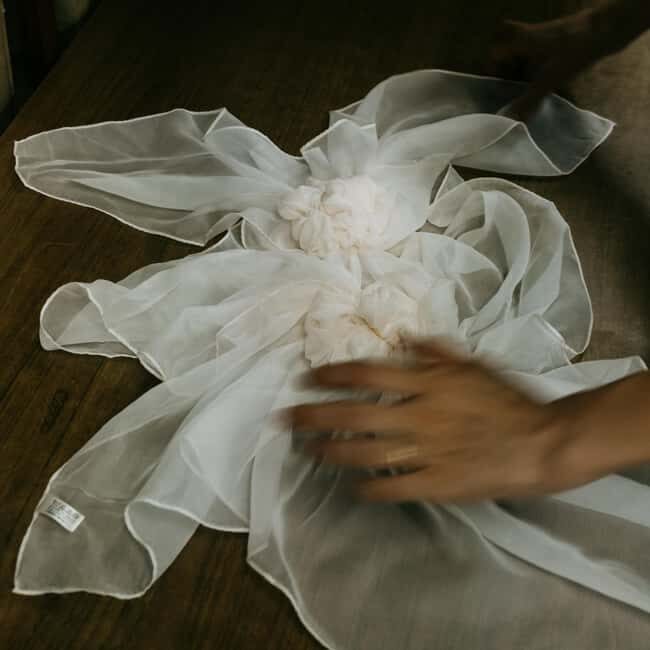
- Hands-On Craft: Create a personalized dyed item—choose from options like tenugui or larger scarves.
- Small Group: Up to six participants, ensuring personalized attention and a relaxed atmosphere.
- Value for Money: For $94, you’ll get a meaningful cultural experience, a handcrafted item, tea, and a souvenir.
An In-Depth Look at the Indigo Experience in Kyoto
You can also read our reviews of more private tours in Kyoto
The Venue: A 300-Year-Old Indigo Studio
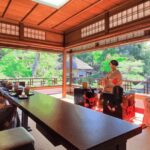
Walking into this studio feels like entering a living museum. Unlike many craft experiences that rely on staged or modernized versions, this workshop takes place in a historic, working indigo dye studio. The wooden floors and traditional tools offer an authentic atmosphere that transports you back in time. The studio is located in Kyoto’s quiet western district, away from the crowds, which helps preserve its calm, contemplative vibe.
The studio is run by a multi-generational dyeing family, who have dedicated themselves to this craft for centuries. Their passion is palpable as they share insights into the fermentation process of sukumo, the natural indigo dye made from fermented indigo leaves. This process is both fascinating and crucial, as it’s responsible for the deep, vibrant shades of blue that distinguish Japanese textiles.
The Guided Tour: History and Techniques
Your experience begins with a brief 15-minute overview of indigo’s significance in Japan. Guides introduce you to the tools, vats, and environment of the studio, explaining how indigo was historically cultivated and processed. It’s interesting to learn that this isn’t just about dyeing fabric but involves a cultural symbol—indigo has long represented resilience and purity in Japanese culture.
This part of the experience sets the stage for your hands-on activity, making the process more meaningful. You’ll understand why the artisans are so committed—this isn’t just a craft; it’s a tradition that’s been passed through families for generations.
The Dyeing Workshop: Hands-On Creativity
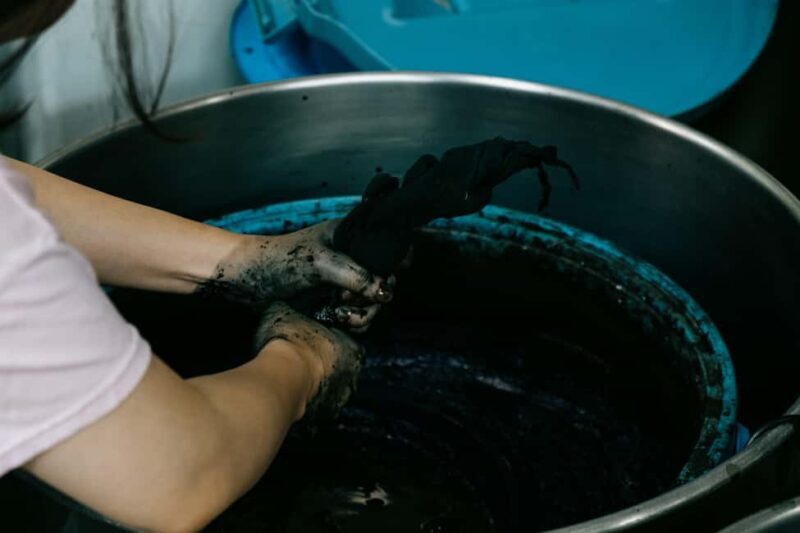
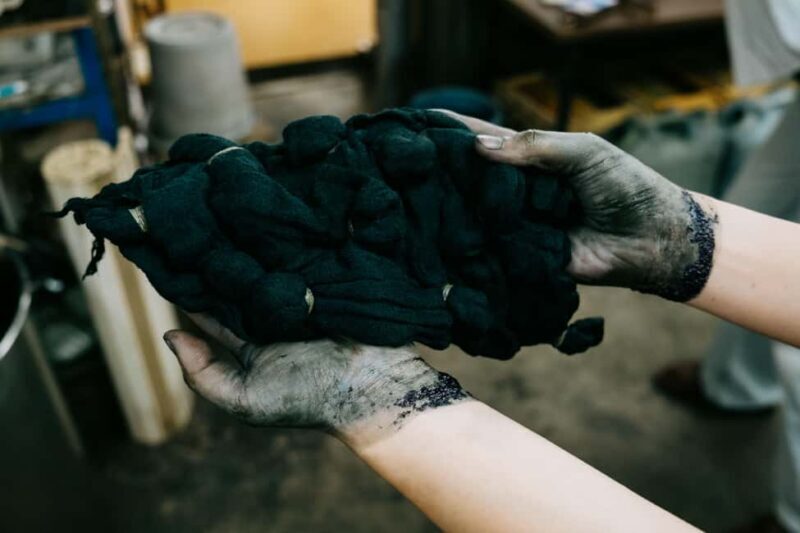
The core of the experience is the 60-minute dyeing session. You’ll pick one item to dye, with options including a tenugui (a traditional cotton towel), a large handkerchief, or, for an extra fee, a silk scarf or wool stole. The workshop provides step-by-step guidance on folding, binding, and dipping the fabric into the indigo vats.
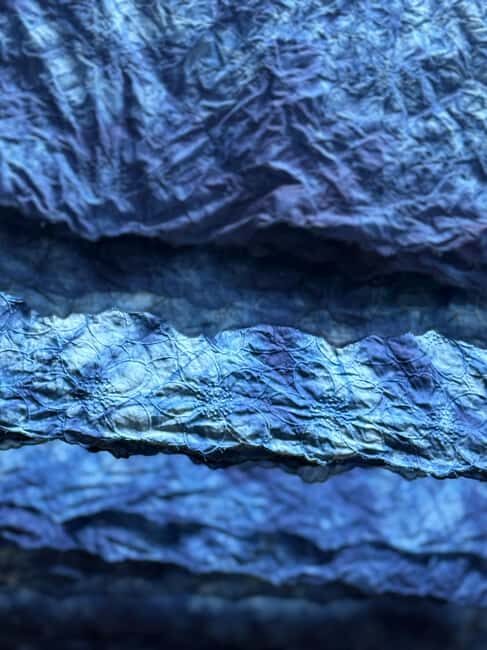
What makes this process captivating is how your fabric shifts from a bright green to a rich, deep blue through oxidation—a natural reaction that takes a few moments. Watching your cloth transform in front of your eyes feels almost magical, and it’s a rare chance to see a craft still done with 100% natural indigo—no chemicals or synthetic dyes.
More Great Tours NearbyThe Cultural Pause: Tea and Reflection
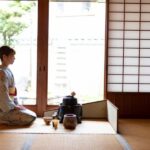
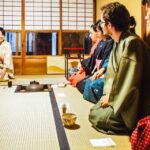
After dyeing, you’ll take about 15-20 minutes to relax with a cup of indigo leaf tea. This isn’t just a beverage but a calming ritual where you can ask questions, take photos, and reflect on the process. Several reviews mention how this quiet moment adds a special, almost spiritual dimension to the experience, fostering appreciation for patience and tradition.
The Finished Product and Takeaway
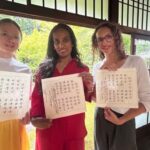
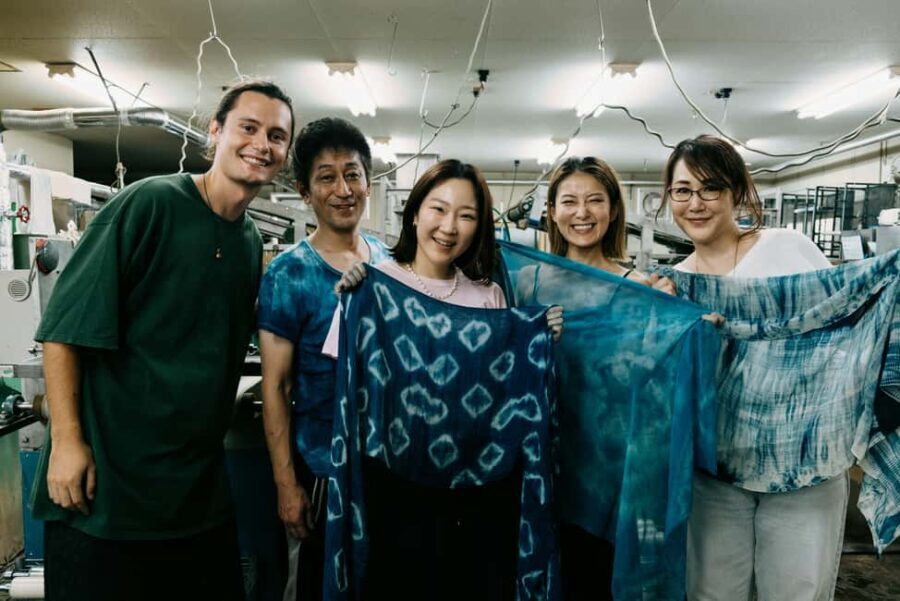
By the end, you’ll have a personalized dyed item to take home—an authentic keepsake, not a mass-produced souvenir. If you choose the basic option, you’ll leave with a hand-dyed tenugui with cherry blossom embroidery; upgraded choices include silk scarves and wool stoles.
Many travelers appreciate how the quality of the dyes and craftsmanship shines through in the final product. Several attendees comment on the patience and skill of the artisans, and how they took time to explain each step clearly, making even beginners feel confident.
The Experience: Pros and Cons
The small-group format (max six) ensures everyone gets personal attention, which is ideal for a hands-on craft like this. The bilingual guidance makes it accessible for international visitors who might worry about language barriers. The price of $94 is quite reasonable considering the quality of the experience, the use of authentic techniques, and the tangible souvenir.
On the downside, the studio’s traditional space with wooden floors might feel a bit rustic or less polished compared to modern workshops. Also, no wheelchair access is available, so those with mobility concerns should check ahead.
The Value and Who Will Love It
This experience is not just about dyeing fabric but about connecting with Japanese cultural heritage. It’s especially rewarding for those interested in craftsmanship, textiles, or history. Families with children over age 8, who are comfortable with getting a little dirty, will find this a memorable activity.
How It Compares
Compared to other dyeing experiences like Yuzen or shibori, this workshop emphasizes natural, fermented indigo rather than synthetic dyes, making it stand out for authenticity. Many reviews highlight the knowledgeable guides and behind-the-scenes access, which elevates it from a simple craft class to an educational cultural journey.
Final Thoughts
Natural Indigo Dyeing with Local Masters offers an authentic, intimate look at one of Japan’s most enduring textile arts. You’ll leave with a handcrafted item and a deeper appreciation for the patience, skill, and cultural significance behind indigo dyeing. The experience is well-suited for travelers seeking genuine cultural connections, craft enthusiasts, or anyone eager to create something meaningful during their Kyoto visit.
While it requires some physical effort and an interest in traditional processes, the benefits—personalized craftsmanship, cultural insight, and a tranquil moment with tea—make it a worthwhile addition to your Kyoto itinerary. It’s a chance to walk away with not just a souvenir but a story and a skill that connects you to centuries of Japanese tradition.
FAQ
Is this experience suitable for children?
Yes, the workshop is recommended for participants over age 8, especially since it involves some physical activity. Younger children should be prepared for a potentially messy environment.
How long does the activity take?
The entire experience lasts approximately 1.5 to 2 hours, including the studio tour, dyeing, and tea time.
What should I wear?
Comfortable clothes that can get dirty are advised, as natural indigo dyeing can stain. Shoes and clothes should be easy to remove or take off if needed.
Can I choose a different item to dye?
The basic fee includes a tenugui or a large handkerchief. Upgrading to a scarf or stole is possible on-site for additional fees.
Is this experience accessible for travelers with mobility issues?
No, the studio’s traditional wooden floors and layout mean wheelchair access isn’t available.
What’s included in the price?
Tools and materials, one dyeable item, indigo leaf tea, a bilingual cultural host, and a small souvenir are all part of the package.
Natural Indigo Dyeing with Local Masters (Private Atelier)
Final Words
For those craving an authentic peek into Japan’s textile traditions, this workshop is a treasure. It combines history, skill, and a touch of tranquility, making it more than just a craft class—it’s a cultural story you’ll carry home. If you’re eager to learn from passionate local artisans and walk away with a piece of Kyoto’s heritage, this experience is a smart choice.
You can check availability for your dates here: