Introduction
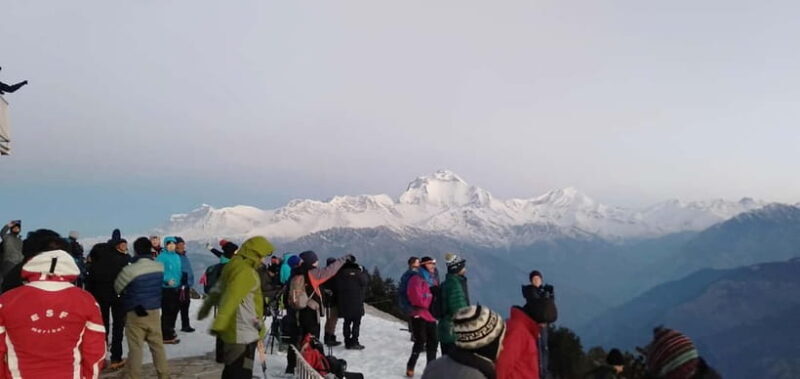
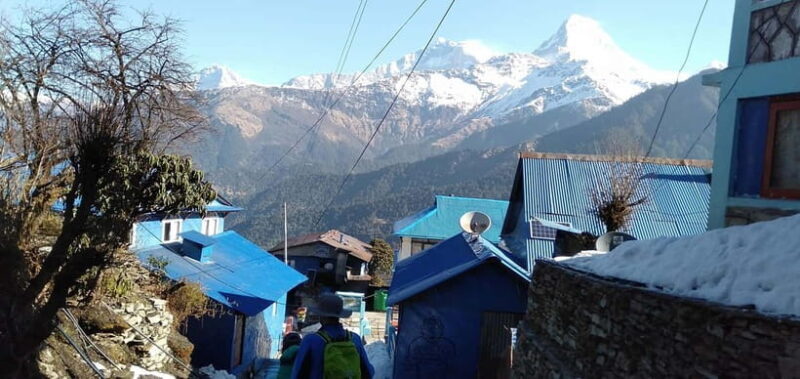
If you’re seeking a trekking experience in Nepal that offers more than the typical crowds and well-trodden paths, the Khopra Ridge Trek might just be what you’re looking for. It’s a route that rewards the adventurous with breathtaking Himalayan vistas, diverse landscapes, and a glimpse into local village life away from the tourist hustle.
One of the things we love about this trek is how underrated it remains, meaning you can enjoy a more authentic, less crowded experience. The spectacular sunrise views from Khopra Danda and the chance to walk through lush rhododendron forests are unforgettable. On the flip side, it’s not a walk in the park — some climbs are challenging, and navigating unmarked trails requires an experienced guide.
This trek is perfect for travelers who crave natural beauty and solitude but are also willing to put in some effort. If you want a trip that combines spectacular mountain scenery with the chance to experience rural Nepal, then this journey is worth considering.
You can check availability for your dates here:Key Points
- Stunning Himalayan views including Mt. Dhaulagiri, Annapurna I and II, Machhapuchhre, and more.
- Less crowded trails for a more authentic, peaceful experience.
- Diverse landscapes: rhododendron forests, river crossings, and mountain vistas.
- Authentic village life with opportunities to stay in local teahouses or camp.
- Guided support with experienced guides and porters for safety and comfort.
- Full package value that includes accommodations, permits, and meals, making planning simpler.
You can also read our reviews of more hiking tours in Pokhara
The Route and What Makes It Special
The Khopra Ridge Trek is a true hidden treasure in the Annapurna region. While famous routes like Annapurna Circuit or Everest Base Camp attract thousands, Khopra offers a quieter alternative with just as dramatic scenery.
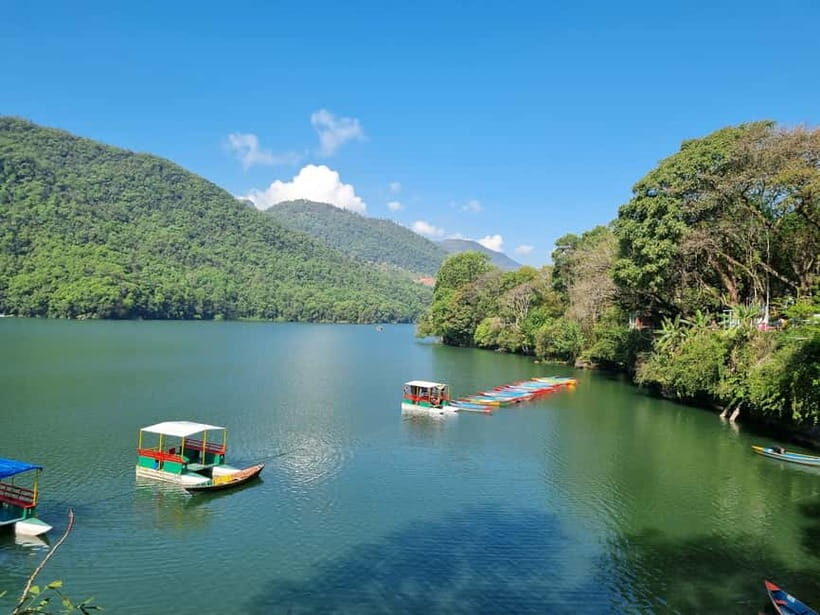
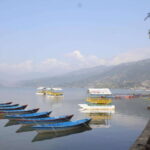
Starting from Pokhara—Nepal’s lakeside jewel—you’ll be transported on a private vehicle into the mountains, setting the tone for a comfortable yet adventurous journey. The trek itself is a mix of forested trails, open ridges, and traditional villages, providing a well-rounded taste of Himalayan life.
Day-by-Day Experience
Kathmandu and Pokhara serve as the gateway cities. Kathmandu offers a chance to see UNESCO World Heritage sites, while Pokhara introduces you to the lakeside vibe and spectacular mountain views. Here, you’ll meet your guides, collect your gear, and prepare for the trek.
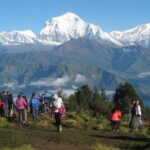
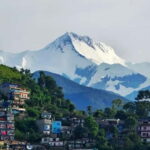
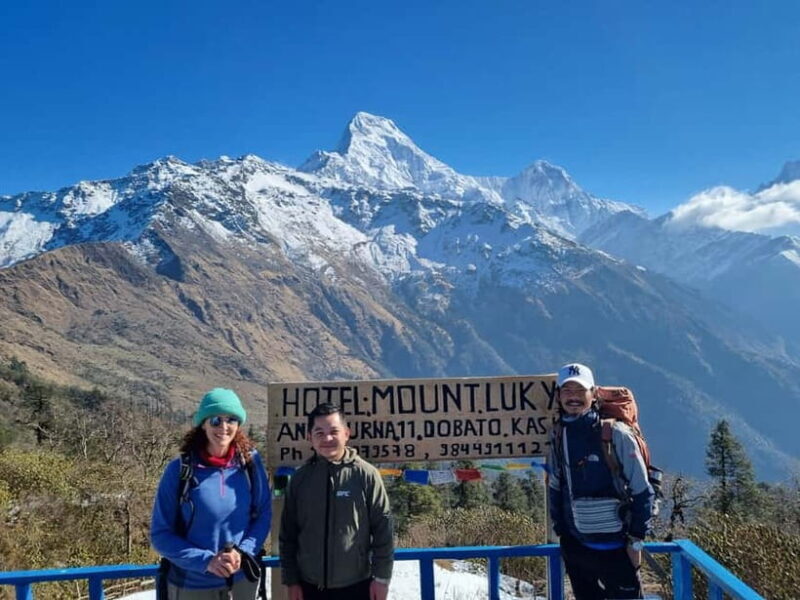
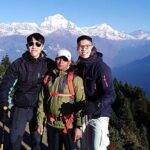
The journey into the mountains begins with a transfer from Pokhara to the trailhead. The initial days involve relatively moderate walking through lush forests and small villages. But the real highlight comes with reaching Khopra Danda, a ridge that provides panoramic vistas of the massive peaks like Annapurna South and Hiunchuli.
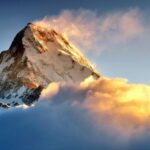
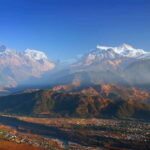
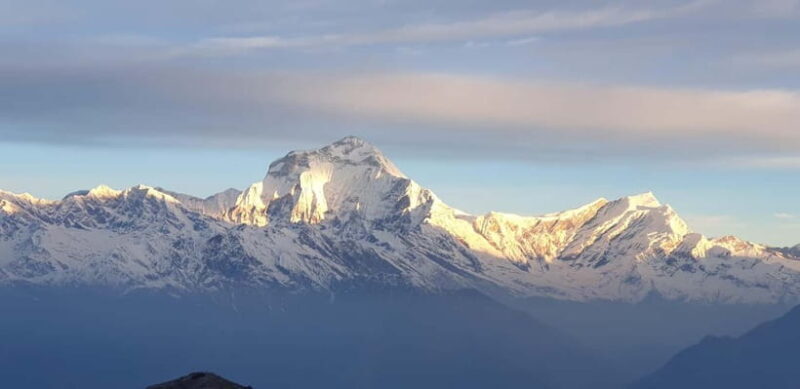
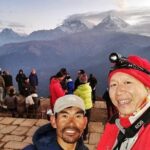
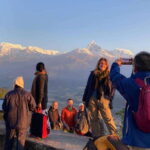
The sunrise from Khopra Danda is often cited as the trip’s ultimate moment—golden light illuminating towering snowcaps becomes a memory you’ll cherish. The views stretch in every direction, including the peaks of Mt. Dhaulagiri and Lamjung Himal, rewarding those who make the effort with arguably some of the finest mountain scenery in Nepal.
The Landscape and Nature
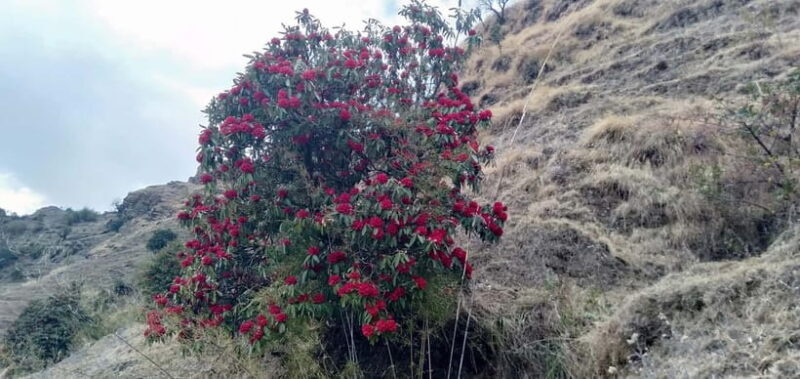
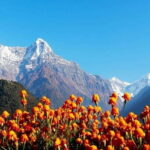
One of the trek’s big draws is the diverse natural scenery. Expect to walk through rhododendron forests, especially vibrant in spring, and cross rushing mountain rivers via traditional crossings. The trail is relatively pristine, with almost non-existent crowds, which means you’ll often be walking in a peaceful, quiet environment.
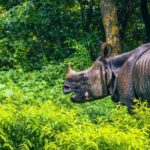
Wildlife sightings are possible but not guaranteed—your guides will tell you about local flora and fauna, adding an educational touch to your adventure. The forests and ridgelines are also a haven for birdwatchers, with a variety of species thriving in the protected areas.
More Great Tours NearbyLodging and Food
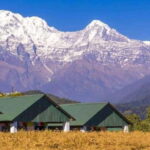
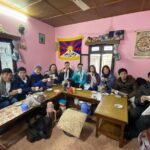
Accommodation is primarily in local teahouses and lodges, where you’ll be sharing a twin room. Some travelers may choose to camp under the stars, especially for the more adventurous nights. The lodges offer simple but comfortable facilities, and the meals are hearty, often including Dal Bhat (Nepal’s staple meal), along with other local dishes.
Meals are included during the trek, and you can expect hot tea or coffee with your breakfast and dinner, making the cold mountain air more bearable. You’ll also have the chance to experience local hospitality in the mountain villages, which adds an authentic flavor to your trip.
Adventure and Physical Demands
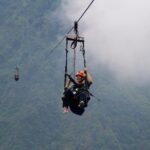
This trek isn’t for complete beginners or those with mobility issues. Some ascents can get steep and challenging, especially as you approach Khopra Danda. The trails are unmarked in sections, so guided support is essential. You’ll want to come prepared with good hiking shoes, warm clothing, and a sense of adventure.
Most days involve 4-6 hours of walking, with a few longer days when crossing ridges or reaching viewpoints. Nighttime temperatures can dip, so pack appropriately. The trek’s moderate difficulty makes it suitable for reasonably fit travelers who enjoy a physical challenge but aren’t looking for a grueling expedition.
The Experience and Group Dynamics
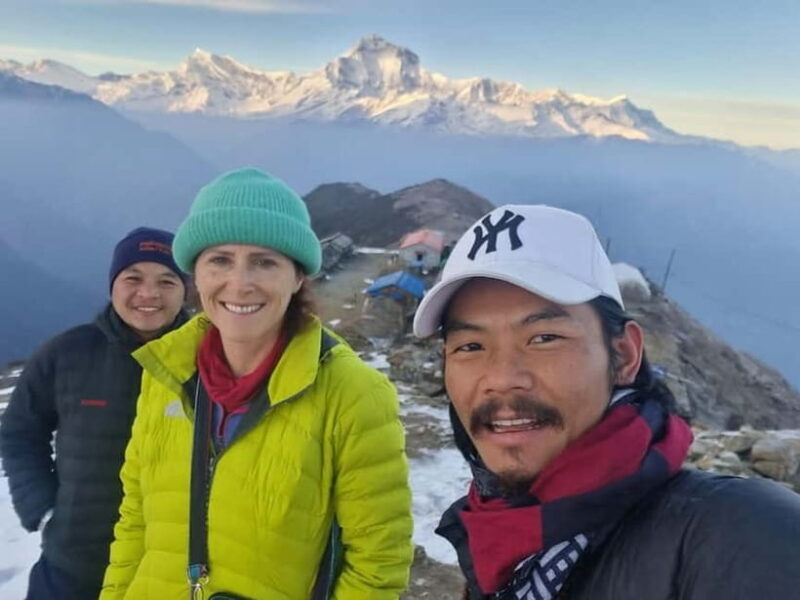
Guides are experienced and fluent in English, which means you’ll get helpful insights into the landscape, the local culture, and safety tips. Several reviews highlight the knowledgeable guides as a standout part of the trip, ensuring you’re well-informed and safe throughout.
Porters carry your gear—up to 25 kilos—and their support greatly enhances comfort. You’ll be surprised by how much they can carry, letting you focus on the views and the experience rather than the weight on your shoulders.
The group size varies but tends to be small, which creates a more intimate atmosphere. As this trek is less popular, you may find yourself sharing the trail with only a handful of fellow trekkers, allowing for a more personal and relaxed experience.
Value for Money
At $920 per person, this package covers all the essentials: permits, accommodations, meals, airport transfers, guides, porters, and even a welcome or farewell dinner. Compared to other Nepal treks, this price offers solid value considering the remote nature of the route and the inclusiveness of the package.
You won’t have to worry about logistics or extra costs for permits, which are included. The accommodations are comfortable enough for a mountain trek, and the meals are filling and authentic. The support from experienced guides and porters ensures safety and peace of mind, especially when tackling the tougher sections.
Practical Tips
- Bring warm clothing for early mornings and evenings.
- Pack good hiking shoes and rain gear—weather can change quickly.
- Carry a reusable water bottle and biodegradable sunscreen.
- Prepare for some challenging climbs—be in decent shape.
- Consider camping if you want to get even closer to nature, but note that lodges are available.
- Always trek with an experienced guide—some trails are unmarked.
- Keep your passport handy for permits and border checks.
- Bring personal medication and a basic first aid kit.
The Sum Up
The Khopra Ridge Trek offers a rare glimpse into Nepal’s natural beauty, away from the busy crowds. With spectacular mountain views, lush forests, and genuine village encounters, it’s a route that appeals to travelers wanting something authentic and less commercialized.
While it does require some physical effort and a willingness to navigate less marked paths, the reward is a peaceful, scenic journey that leaves you with unforgettable memories of Himalayan grandeur. It’s best suited for those who appreciate quiet, natural landscapes and are comfortable with moderate trekking challenges.
If you’re after an adventure that combines off-the-beaten-path exploration with stunning vistas, the Khopra Ridge Trek is a fantastic choice. It’s a chance to experience Nepal’s mountains in a more intimate way—an experience that stays with you long after you’ve returned home.
Nepal: Khopra Ridge Trek
FAQ
Is the price of $920 per person all-inclusive?
Yes, the price covers accommodations, meals during the trek, permits, guides, porters, airport transfers, and a welcome or farewell dinner in Kathmandu.
What’s the best time to do this trek?
While not explicitly stated, most Nepal treks are ideal in spring and autumn when the weather is clear and the mountain views are optimal.
How physically demanding is the trek?
Moderate. Expect some steep climbs and unmarked trails, so a good level of fitness is recommended. Guides can help navigate tougher sections.
Are accommodations comfortable?
They are basic but comfortable enough, mainly in twin-share lodges or teahouses with simple facilities. Camping is also an option for more adventurous trekkers.
Do I need special gear?
Bring sturdy hiking shoes, warm clothing, rain gear, and a sleeping bag if camping. Pack sun protection and personal medications.
Is this trek suitable for children or people with altitude sickness?
It’s not recommended for those with recent surgeries, altitude sickness, or wheelchair users, given the physical demands and trail conditions.
Can I trek independently?
It’s best to go with a guided tour, especially because some trails are unmarked and climbs can be tough.
What kind of mountain views will I see?
Expect panoramic views of Mt. Dhaulagiri, Annapurna I & II, Machhapuchhre, Hiunchuli, Lamjung Himal, and Nilgiri.
How many days does the trek take?
Typically, the trek takes several days, with the main highlights at Khopra Danda, but exact durations depend on your itinerary.
What’s included in the meals?
Meals include breakfast, lunch, and dinner with hot drinks during the trek; local dishes like Dal Bhat are common.
This trek balances adventure, natural beauty, and cultural insight, making it an excellent choice for those seeking a more tranquil Himalayan experience.
You can check availability for your dates here: