Travelers considering a journey into Ethiopia’s remote and culturally rich Omo Valley might feel a mix of excitement and apprehension. This 5-day tour from Addis Ababa offers a way to glimpse some of Ethiopia’s most striking tribes, rugged landscapes, and vibrant traditions without the hassle of planning every detail.
It’s a package designed for those craving an immersive cultural experience combined with comfortable transportation and guided insights.
What makes this tour particularly compelling? First, the opportunity to visit multiple tribes, including the Hamer and Mursi, provides a rare window into customs that are still very much alive today. Second, the stunning scenery—mountains, plains, and lakes—adds a visually memorable backdrop to your cultural explorations.
However, one potential concern is the mixed reviews about organization and communication—a reminder that remote regions often pose logistical challenges.
This tour suits travelers who are eager for authentic cultural encounters, don’t mind a bit of rugged terrain, and appreciate good guides who can enrich their understanding. If you’re looking for a well-organized, luxurious holiday, this might not be your best fit. But if you want to dive into Ethiopia’s tribal cultures and see spectacular landscapes, this trip delivers on both fronts.
- Key Points
- An In-Depth Look at the Itinerary
- Day 1: From Addis Ababa to Arba Minch, then Konso
- Day 2: Karo and Hamer Tribes
- Day 3: Jinka and Tribal Customs
- Day 4: Mago National Park and Mursi Tribe
- Day 5: Lake Chamo and the Dorze Village
- What Travelers Can Expect
- Transportation & Guides
- Cultural Encounters
- Scenic Beauty
- Wildlife & Nature
- Accommodation & Meals
- The Review Reality: Pros and Cons
- Who Should Consider This Tour?
- The Sum Up
- FAQ
- The Best Of Addis Ababa!
- More 5-Day Experiences in Addis Ababa
- More Tour Reviews in Addis Ababa
Key Points
- Authentic cultural experiences with visits to tribes like the Hamer, Karo, and Mursi.
- Stunning scenery including mountains, plains, and lakes, providing beautiful photo opportunities.
- Guided tours and local guides enhance understanding and offer insights into tribal customs.
- Transportation in 4WD Toyota Land Cruisers ensures off-road capability and comfort.
- Includes boat trips and village visits—adding variety to your journey.
- Variable reviews highlight excellent experiences but also suggest being prepared for organizational hiccups.

👉 See our pick of the 2 Best Tours & Things To Do In Addis Ababa (With Prices)
An In-Depth Look at the Itinerary



You can also read our reviews of more tours and experiences in Addis Ababa


Day 1: From Addis Ababa to Arba Minch, then Konso
Your adventure begins with a flight from Ethiopia’s bustling capital to Arba Minch, a fertile valley known for its banana plantations and lakes. From there, a drive takes you to Konso, a UNESCO World Heritage site famed for its terraced hills and unique cultural practices. Expect this section to be relatively relaxed but scenic—this is your first taste of Ethiopia’s diverse landscapes.
Day 2: Karo and Hamer Tribes
The morning kicks off with a visit to Kolcho village on the banks of the Omo River to meet the Karo people. They’re renowned for highly elaborate body painting, a tradition that is both visually striking and culturally significant. Photography here is encouraged, but always ask permission.
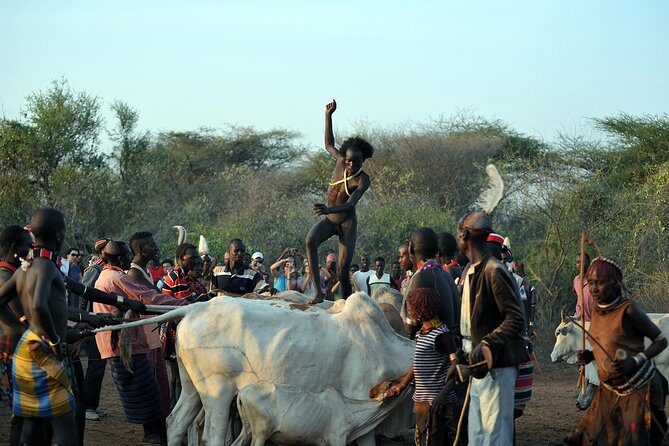
Later, you’ll visit Hamer Village, where the residents take pride in their appearance—women with red-dyed plaited hair, leather skirts decorated with shells, and intricate adornments. Their homes are built with local materials—mud, wood, and thatch—giving a genuine sense of their traditional lifestyle. The extended family compound structure offers insight into their social organization.
Expect to spend about 7 hours on this day, with admission fees included. Many reviews praise the authenticity of these visits, although some have noted that organization can sometimes be chaotic.
Day 3: Jinka and Tribal Customs
Traveling across dry plains to Key Afar, then into greener hills, you arrive at Jinka. Here, a small museum offers an overview of the tribes’ customs, including artifacts and explanations. Some travelers find this a valuable educational stop before venturing further into the tribal heartland.
You may take an optional walk through Jinka, meeting locals and experiencing city life, which can be a nice contrast to the tribal villages. The day’s driving involves about 7 hours, with a focus on scenic views and small-town charm.
Day 4: Mago National Park and Mursi Tribe
Early morning starts take you into Mago National Park, where the sprawling plains are home to animals like dik dik and lesser kudu. This part of the trip is as much about the scenery as the wildlife, with sweeping landscapes and mountain backdrops.
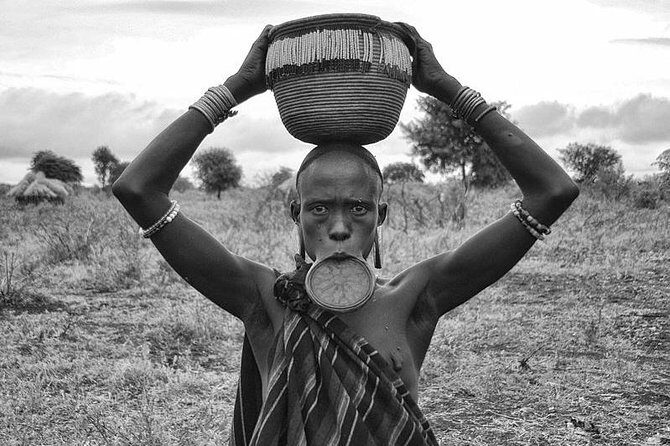
The highlight here is visiting the Mursi tribe, famous for their lip plates, which are inserted in women as a symbol of beauty and maturity. The plates can grow quite large—some reaching the size of a bread and butter plate—though it’s noted that this custom is less common among the older women today. Many reviews mention that some women now have looser skin rather than plates, reflecting changing traditions.
Expect to spend about 7 hours on this day, with all entrance fees included. The Mursi visit can be a profound experience, but it’s important to approach it with respect for the community.





Day 5: Lake Chamo and the Dorze Village
Your last day begins with a drive from Konso to Arba Minch—a fertile area known for its Ensete bananas. The landscape shifts from dry plains to lush, mountain-covered terrain, providing a scenic transition.
The afternoon includes a visit to the Dorze village, famous for tall, beehive-shaped homes and fine woven textiles—a perfect spot for some shopping and cultural appreciation. The guide will demonstrate how the false banana plant is used for many purposes, giving insight into local sustainability.
The trip concludes with a boat ride on Lake Chamo, where you might spot crocodiles and hippos—a fitting wildlife finale. Afterward, you’ll fly back to Addis Ababa, ending your 5-day adventure.
What Travelers Can Expect
Transportation & Guides
Travel is primarily in 4WD Toyota Land Cruisers, capable of handling the rough roads often found in remote Ethiopia. The guides are local, knowledgeable, and often praised for their storytelling and cultural insights. However, some reviews hint at organizational hiccups, so patience and flexibility are key.
Cultural Encounters
You’ll see traditional body painting, hair-dyeing, and weaving, and observe tribal customs that have persisted for generations. These experiences are often highlights for travelers, who find them authentic and visually stunning.
Scenic Beauty
From the mountains of the Chencha region to the lakes and plains of Mago National Park, the landscapes are varied and breathtaking. Expect plenty of opportunity for photography and quiet moments amid nature.
Wildlife & Nature
While the focus is cultural, wildlife sightings—dik dik, kudu, crocodiles, hippos—add an extra layer of interest, especially during boat trips and park visits.
Accommodation & Meals
Accommodations are included as per the program, often in comfortable hotels or lodges. Breakfast is provided daily, but meals at villages or on the go are at your own expense, so packing snacks might be wise.
The Review Reality: Pros and Cons
Many travelers praise the authenticity of the tribal visits and the stunning scenery, with some describing the trip as “fantastic” and “very enjoyable.” Guides typically receive high marks for their local knowledge, making the experience richer.
However, some express disappointment over organizational issues, such as poor communication and chaotic arrangements. One reviewer mentioned feeling that their tour was “a rip-off” due to mismanaged logistics. It’s worth weighing these potential downsides against the truly unique experiences on offer.
The price point (~$1,154) is reasonable when considering the included transfers, entrance fees, boat trips, and guiding services. It offers good value if the focus is on culture rather than luxury.
Who Should Consider This Tour?
This trip is best suited for adventurous travelers eager to see Ethiopia’s tribal communities and landscapes firsthand. It appeals most to those who are flexible and open-minded, ready for some rough roads and possibly uneven organization but eager for genuine cultural experiences.
If your priority is luxury, comfort, or a tightly organized schedule, you might find this trip less suitable. But for anyone interested in authentic, documentary-style encounters with Ethiopia’s tribes and scenery, this tour delivers.
The Sum Up
This 5-day Omo Valley tour offers a window into some of Ethiopia’s most fascinating communities and landscapes. It balances culture with scenic beauty, guided by locals who can enhance your understanding of traditions that have persisted for generations. While organizational quirks are a caveat, the value for money—given the included activities, transportation, and guiding—is hard to beat.
This trip is perfect for curious travelers who want authentic access to Ethiopia’s tribes and natural beauty, and who are comfortable with a bit of unpredictability. If you seek a genuinely cultural and scenic adventure on a reasonable budget, this tour makes a compelling choice.
Omo Valley 5 Days
FAQ
Is transportation provided during the tour?
Yes, all ground transportation is in a 4WD Toyota Land Cruiser, suitable for Ethiopia’s rough roads and offering a comfortable journey between sites.
Are meals included?
Breakfasts are included in the tour. Other meals are at your own expense, especially during village visits or picnics.
Can I expect to see wildlife during the trip?
Yes, particularly in Mago National Park, where you might see animals like dik dik and kudu, and during boat trips on Lake Chamo, where crocodiles and hippos are common sights.
What tribes will I visit?
You’ll visit tribes such as the Karo, Hamer, and Mursi, each with distinctive customs like body painting and lip plates.
How long are the driving days?
Most days involve about 7 hours of driving, offering scenic views but also requiring patience and a good sense of adventure.
Are village visits respectful?
The tour includes village and elders’ payments, and guides are encouraged to promote respectful interactions. Always ask permission before photographing people.
Is this suitable for children?
Most travelers found it suitable for older children and teenagers, especially those interested in culture and nature. Younger children should be prepared for long travel days and possibly basic accommodations.
Embark on this journey if you’re eager for a genuine taste of Ethiopia’s vibrant tribal life and striking landscapes. It’s a trip that promises both visual wonders and meaningful cultural exchanges—an experience worth considering if you want to see Ethiopia beyond the usual tourist spots.