Climbing Mount Kilimanjaro is one of those bucket-list adventures that sounds almost mythical. The Marangu Route, often called the “Coca-Cola route,” offers the shortest and most accessible way up Africa’s highest peak, with the added bonus of staying in huts rather than camping. This review looks at the latest details for 2025 and 2026, focusing on what you can expect from this popular route.
Whether you’re a first-timer or someone who appreciates a bit more comfort in the mountains, this trek could be a great fit.
We’re impressed by the professional guides and the stunning scenery at every turn. The fact that it’s the only route offering hut accommodations makes it stand out, especially if roughing it isn’t your style.
That said, the shorter duration means the climb is more intense, and altitude sickness can be a concern for less experienced hikers. This is a tour best suited for those in decent shape, seeking a manageable but rewarding Kilimanjaro experience.
Key Points
- Comfortable hut stays make this route ideal for beginners or those preferring less camping.
- Expert guides and crew earn high praise for safety, support, and local knowledge.
- The scenic diversity from rainforest to alpine zone keeps the trek visually fascinating.
- The duration of five days balances time on the mountain with a manageable schedule.
- The cost of $1,080 offers strong value considering included services like guide, food, and trekking certificate.
- Early mornings and long hikes are a tradeoff for shorter overall trip length.
👉 See our pick of the Moshi’s 16 Top Tours & Things To Do
- Key Points
- Introduction to the 5-Day Marangu Route
- Who is this route best suited for?
- The Itinerary in Detail
- Day 1: Marangu Gate to Mandara Hut
- Day 2: Mandara Hut to Horombo Hut
- Day 3: Horombo to Kibo Hut
- Day 4: Summit Attempt from Kibo Hut
- Day 5: Descent to Marangu Gate
- What’s Included and What Costs Extra?
- Why is the value good?
- Why Choose This Tour?
- Limitations and Considerations
- Authentic Experiences From Past Climbers
- The Sum Up
- FAQ
- The Best Of Moshi!
- More 5-Day Experiences in Moshi
- More Tour Reviews in Moshi
Introduction to the 5-Day Marangu Route
 1 / 8
 2 / 8
 3 / 8
 4 / 8
 5 / 8
 6 / 8
 7 / 8
 8 / 8
If you want to climb Kilimanjaro but are hesitant about the rugged, multi-day camping routes, the Marangu Route might be your best bet. It’s the only route that guarantees hut accommodations along the way, which means you’ll sleep in dorm-style lodges rather than tents. This setup is a big draw for those who want a little more comfort without sacrificing the adventure.
This 5-day version is especially attractive for first-timers or travelers with limited time. The recent updates for 2025 and 2026 ensure you’re getting the latest logistics, support, and safety measures. We love how this route combines scenic variety, a manageable pace, and a community-focused atmosphere. Plus, with a rating of 5.0 from 11 reviews, it’s clear many previous climbers left satisfied.
One thing to keep in mind: this route is more challenging than it looks. The shorter time means you’ll be covering some long distances quickly, and the altitude gain is significant. If you’re not in good physical shape or have health concerns, consulting your doctor beforehand is advisable.
You can also read our reviews of more tours and experiences in Moshi
Who is this route best suited for?
This tour is perfect for beginners or those who prefer huts over tents during their mountain adventures. It’s also a good choice if you want a shorter, more comfortable climb without sacrificing the thrill of reaching the summit. That said, it still requires moderate fitness and a willingness to ascend to high altitudes.
The Itinerary in Detail
Day 1: Marangu Gate to Mandara Hut
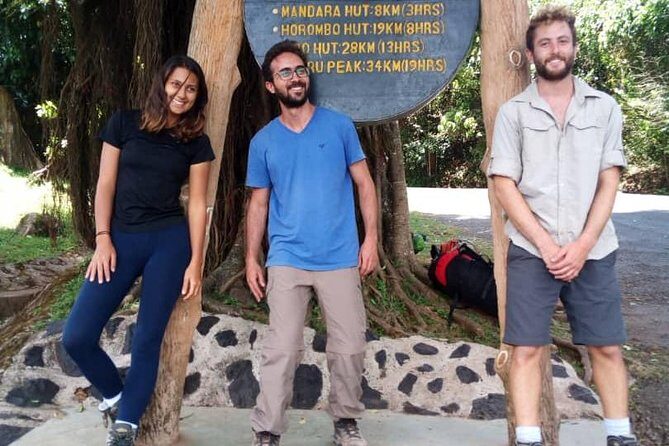
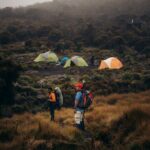
Your journey begins at Marangu Gate, where you’ll register and meet your professional guide. From there, the trek starts with a 7 km hike through a lush rainforest teeming with birds, monkeys, and vibrant plant life. The trail takes you from 1830 meters (6000 ft) to about 2740 meters (9000 ft). This initial hike, taking roughly 4 to 5 hours, offers a peaceful walk immersed in greenery, with sounds of birds and rustling leaves all around.
We love the way guides often point out interesting flora and fauna—this is not just a climb but a walk through nature’s botanical garden. The Mandara Hut, your overnight stop, offers a cozy refuge after the day’s exertion. Reviewers frequently mention the good support from guides and porters, making the start of the trip smooth and welcoming.
Day 2: Mandara Hut to Horombo Hut
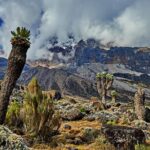
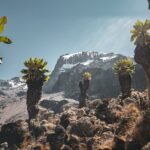
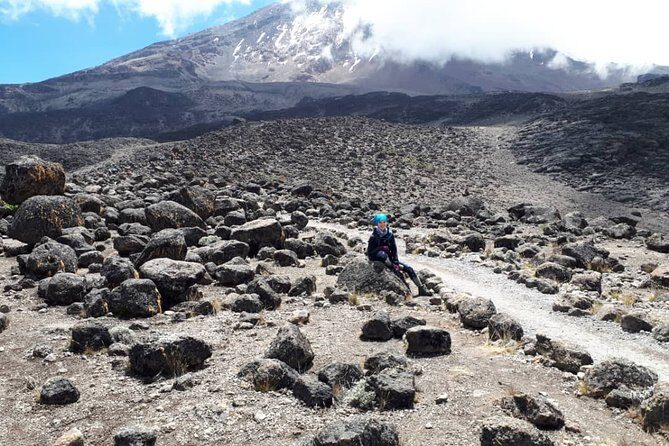
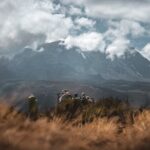
This second day involves an 11 km hike from Mandara to Horombo Hut. You’ll ascend from 2740 meters to 3690 meters (12,100 ft), transitioning from rainforest into moorland with barren, open landscape. The scenery changes dramatically, offering impressive views of Kilimanjaro’s summit on clear days.
Expect a longer trek—about 6 to 8 hours—but it’s paced well to help your body start adjusting to the altitude. Many travelers note that their guides emphasize rest and hydration to assist acclimatization. Resting at Horombo, you can gaze across the plains toward the snow-capped summit and enjoy the tranquility of the mountain’s middle zone.
Day 3: Horombo to Kibo Hut
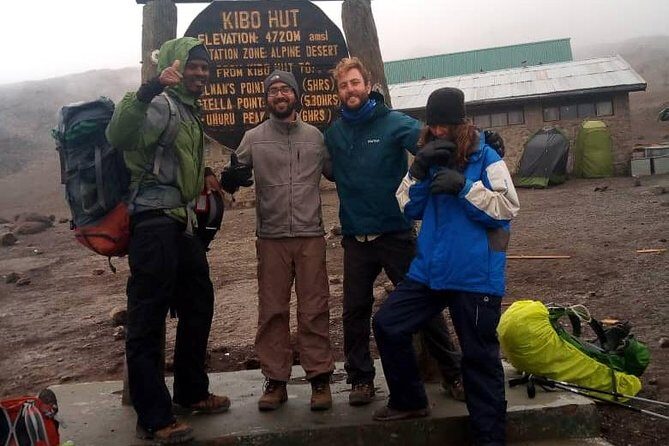
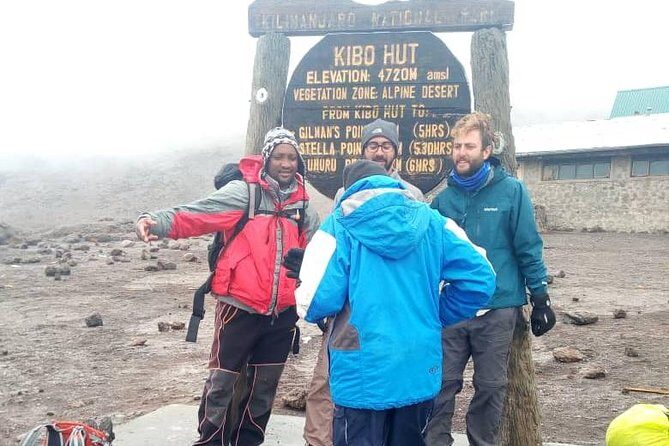
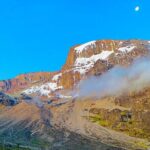
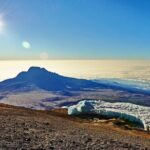
The third day involves a 10 km walk from Horombo to Kibo Hut, climbing from 3690 meters to 4695 meters (15,400 ft). The landscape becomes more semi-desert and rocky, with fewer plants and more expansive views. The terrain is stark but striking, highlighting Kilimanjaro’s diverse ecological zones.
You’ll start feeling the altitude effects more strongly here, so rest and hydration are vital. This stage prepares you physically and mentally for the summit push, and the guides typically brief you about the early start the next morning.
Day 4: Summit Attempt from Kibo Hut
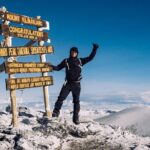
Very early in the morning, usually around midnight, you’ll set out for the final ascent to Uhuru Peak. This 4 km (2.5 miles) journey to 5895 meters (19,340 ft) is the most challenging part of the trek—long, cold, and steep.
Expect to spend 5 to 7 hours climbing in darkness, with headlamps lighting your way. The sense of achievement upon reaching the summit is unmatched. Many reviews highlight the spectacular sunrise and the pride of having climbed Africa’s tallest mountain. After your triumph, you’ll descend back to Horombo in about 5 to 6 hours, tired but elated.
Day 5: Descent to Marangu Gate
The final leg involves an 18 km descent through the rainforest back to the starting point. You’ll go from 3690 meters down to 1830 meters (6000 ft), with opportunities to see wildlife and enjoy lush scenery. The descent is often easier on the knees but can be exhausting after the previous day’s summit effort.
Reaching the gate, you’ll receive your trekking certificate, a tangible reminder of your achievement. Transport will take you back to Moshi, where you can finally relax and celebrate.
What’s Included and What Costs Extra?
For $1,080 per person, this tour packs in a lot of value. Included are transportation from your hotel in Moshi to Marangu Gate, all park fees, full board during the trek (breakfast, lunch, dinner), guides, trekking certificate, and briefing. These are essentials that ensure your trip runs smoothly.
However, additional costs include personal gear, tips for the crew, airfare, and insurance. You’ll also need to handle your pre- and post-trek hotel bookings and any extra activities outside the climb.
Why is the value good?
Considering what you get—expert guides, park fees, accommodation, and food—the price is quite reasonable. Many reviews praise the professionalism of the guides and the supportive crew, which can make or break your experience.
Why Choose This Tour?
Travelers frequently mention the knowledgeable guides, who are praised for their support and safety consciousness. The stunning views and ecological diversity make each day special, from rainforests to alpine zones. Plus, the hut accommodations mean you avoid the stress and discomfort of camping, making this a more accessible option.
The shorter duration means you’ll spend more time on the summit and less on long, exhausting days. It’s a great option for those with limited time or who prefer less camping, but be prepared for an intense ascent.
Limitations and Considerations
While the hut system provides comfort, it also means you’ll be sharing space with other climbers, which can be noisy or crowded during peak times. The altitude gains are still significant, so proper acclimatization is crucial. The cost might seem high for some, but considering the included services, many find it offers good value.
Authentic Experiences From Past Climbers
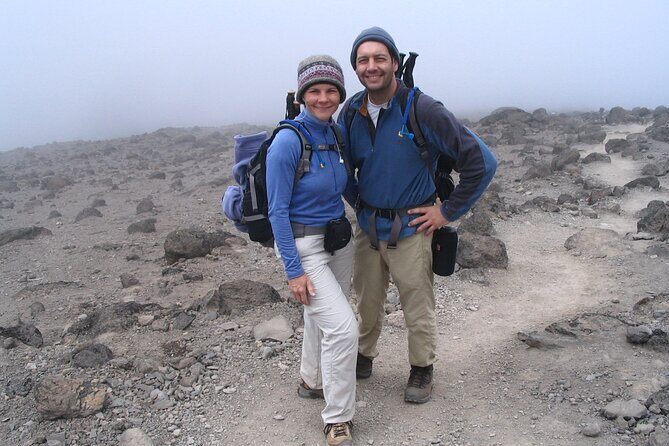
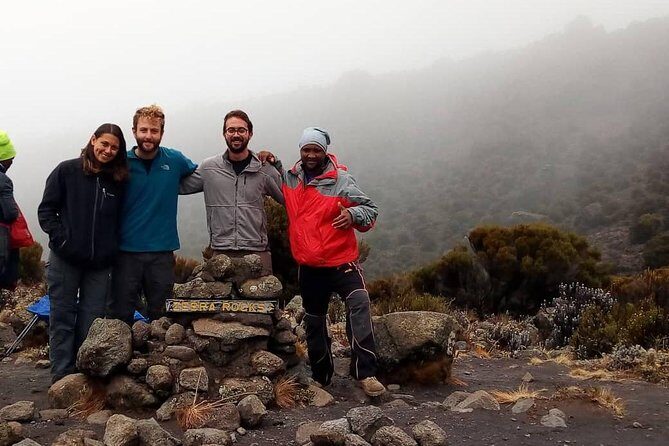
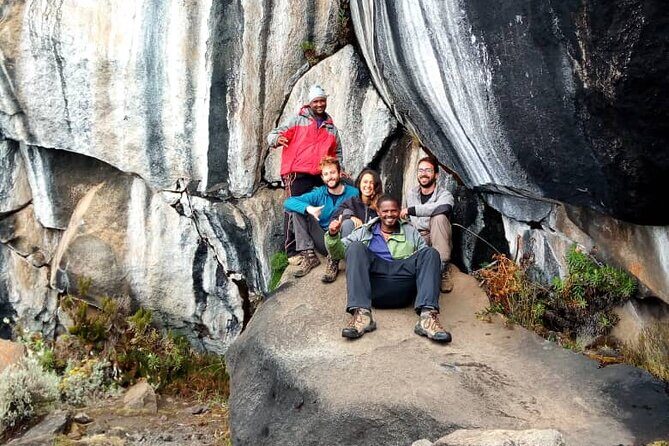
Reviewers consistently highlight the professional guides and the supportive crew. One traveler noted, “Gabriel almost carried me to the summit,” emphasizing the personalized support. Another said, “Our guides included Victor, Thomas, Noah, Gabriel, Samson and our servers included Jackson and his crew. We were very well looked after,” illustrating the team’s dedication.
The scenic diversity from rainforest to semi-desert, along with the early morning summit views, are also frequently praised. Many mention that guides are attentive to altitude sickness symptoms and support acclimatization, making the climb safer and more comfortable.
The Sum Up
The 5-day Kilimanjaro Marangu Route offers a compelling mix of comfort, accessibility, and natural beauty. It’s especially attractive for beginners or those who want to avoid camping but still reach the summit of Africa’s highest mountain. The professional guides and supportive crew help make the journey safer and more enjoyable, while the scenery keeps things visually interesting from start to finish.
If you’re seeking a moderate challenge with a higher comfort level and a chance to genuinely enjoy Kilimanjaro’s ecological zones, this route is worth considering. The accumulated positive reviews speak to the quality of the experience, and the current updates for 2025 and 2026 ensure it’s well-organized and up to date.
This trek is best suited for adventurous beginners, nature lovers, and those with a sense of achievement. It’s an excellent way to tick off a major item from your travel bucket list, with plenty of support and stunning scenery along the way.
Our Top 5-Day Kilimanjaro Marangu Route: 2025 and 2026 Updates
FAQ
Is this route suitable for beginners?
Yes, it’s often recommended for first-time climbers because of the hut accommodations and shorter duration, though a moderate level of fitness is needed.
What’s included in the price?
The fee covers park entrance, trekking guides, meals during the trek, hut accommodation, a trekking certificate, and transfer from your hotel in Moshi to the park gate.
Are there any extra costs?
You’ll need to budget for personal gear, tips for guides and porters, insurance, and your own pre- and post-trek hotel stays.
How physically challenging is this climb?
While shorter than other routes, the ascent involves significant altitude gain over just five days, so fitness and good health are recommended.
What kind of accommodation is provided?
You’ll stay in dormitory-style huts along the route, which are more comfortable than camping but still provide basic amenities.
What should I pack?
Bring layered clothing, sturdy hiking boots, a sleeping bag suitable for cold temperatures, and personal items. The guides may advise specific gear.
When is the best time to climb Kilimanjaro via this route?
The tour is available year-round, but optimal weather is typically during the dry seasons—January to March and June to October.
How long does each day of trekking last?
Day 1 takes around 4–5 hours, Day 2 about 6–8 hours, Day 3 similar, and summit day can be 5–7 hours, with descent taking a similar time.
Can I customize the itinerary?
While this is a fixed 5-day tour, some operators may offer variations or additional services, so it’s worth discussing options when booking.
In short, this 5-day Marangu route blends accessibility, scenic diversity, and expert support—making it a solid choice for those seeking a memorable Kilimanjaro adventure with a comfortable twist.