If you’re dreaming of reaching Nepal’s iconic Annapurna and want an experience that combines adventure with cultural charm, this 7-day trek from Pokhara offers just that. While we haven’t personally taken this journey, plenty of travelers have, and their stories highlight both the beauty and the pitfalls of this popular route.
It’s a trip that promises stunning mountain vistas, visits to traditional villages, and relaxing hot springs—all packed into a week.
What we particularly like about this trek is how accessible it is, offering a good mix of physically demanding hiking and moments of peace. The guides are generally well-rated, and the scenery is consistently impressive. But, as with all organized tours, there are some bumps—like the sometimes contentious organization or extra costs for Wi-Fi and water—that might make you want to do a little planning ahead.
This experience is perfect for adventure-seekers who want genuine mountain views and cultural insights without spending weeks or breaking the bank. It’s also ideal for travelers with a fair level of fitness willing to handle the occasional steep climb. If you’re after a mix of nature, culture, and relaxation, this trek hits those notes.
- Key Points
- The Itinerary – A Day-by-Day Breakdown
- Day 1: Pokhara to Ghandruk
- Day 2: Ghandruk to Chomrong
- Day 3: Chomrong to Himalaya
- Day 4: Himalaya to Annapurna Base Camp
- Day 5: ABC to Bamboo
- Day 6: Bamboo to Jhinudanda Hot Springs
- Day 7: Jhinudanda to Nayapool and back to Pokhara
- The Realities of the Tour
- Authentic Experiences and Potential Challenges
- Who Should Consider This Trek?
- The Sum Up
- FAQ
- More Spa & Hot Springs in Pokhara
- More Hiking & Trekking Tours in Pokhara
- More Tour Reviews in Pokhara
Key Points
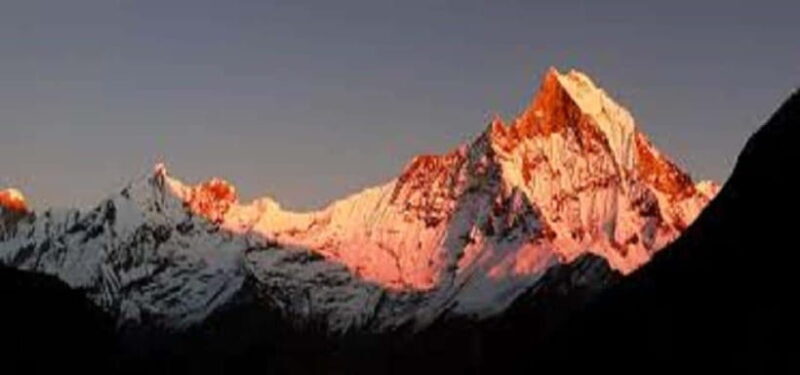
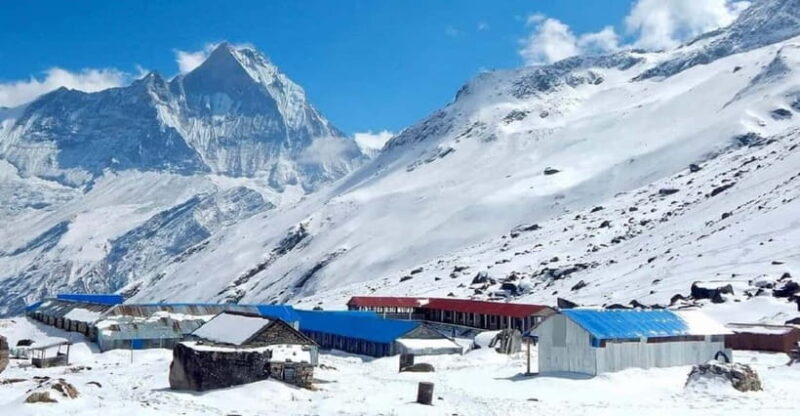
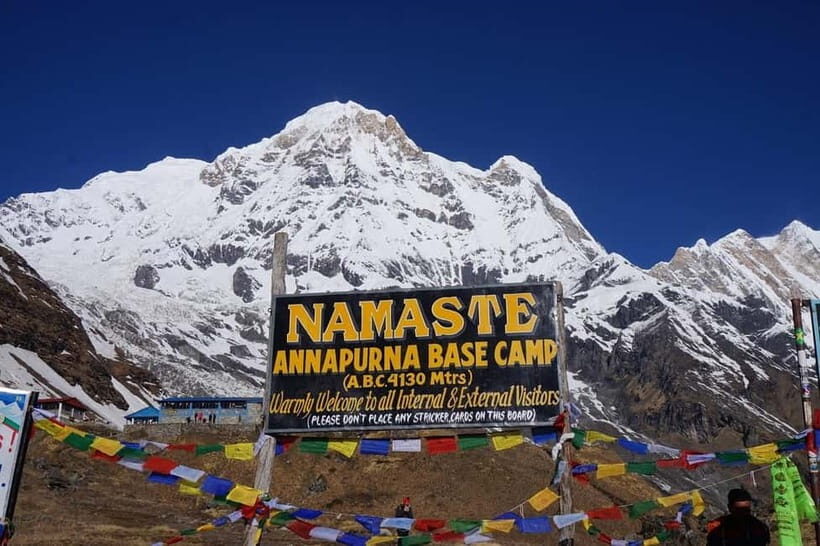
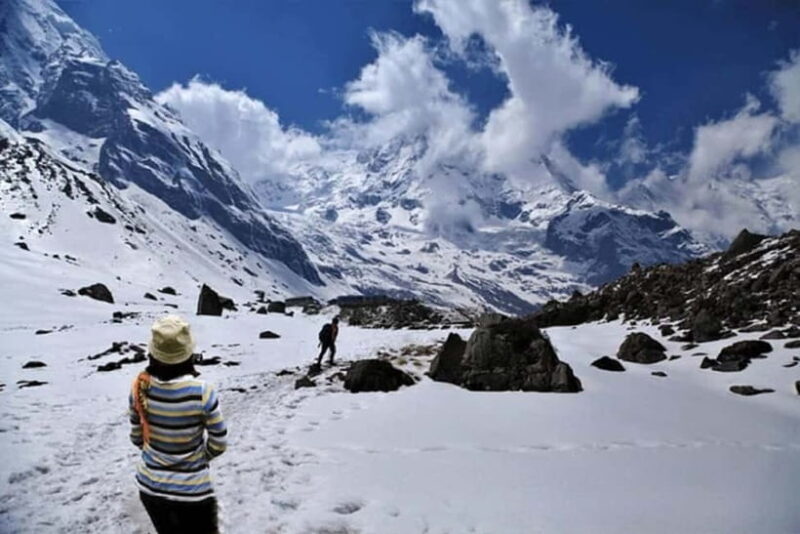
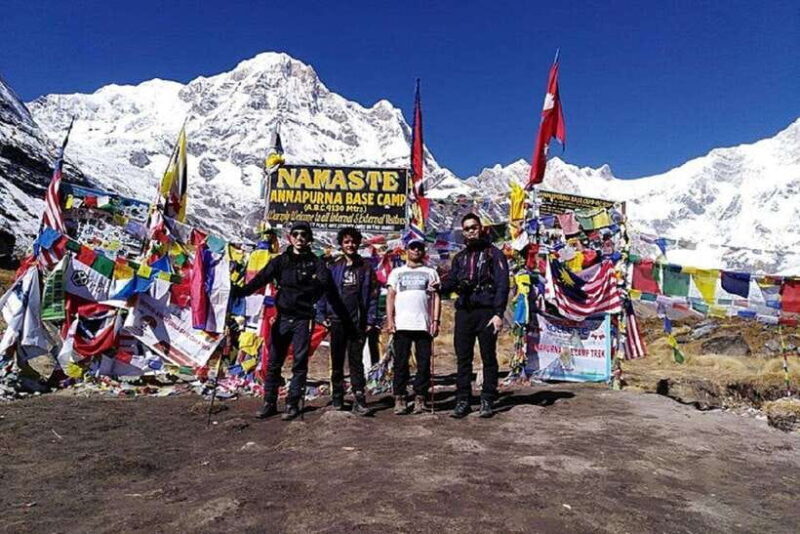
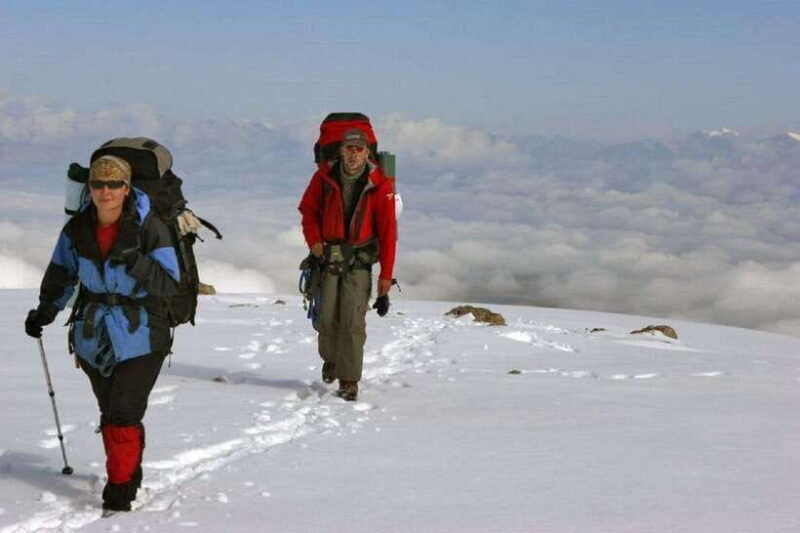
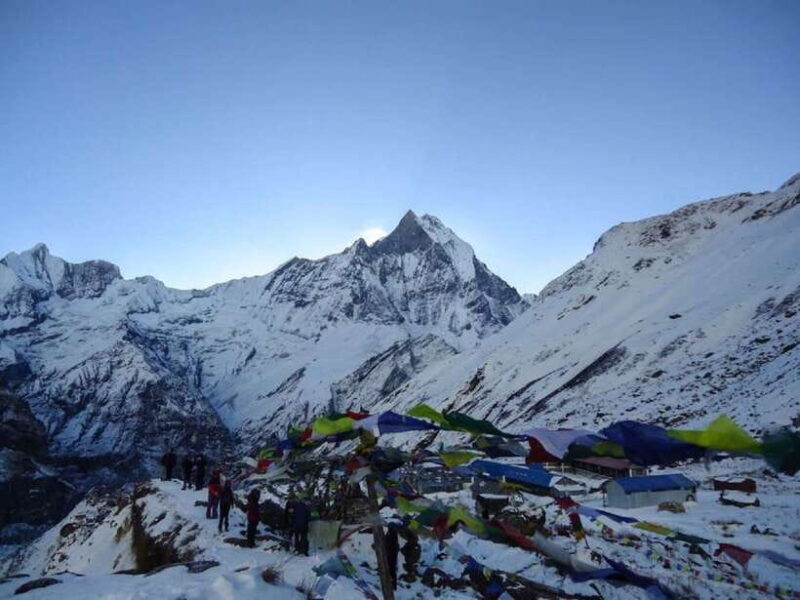
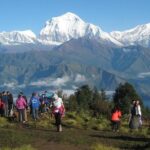
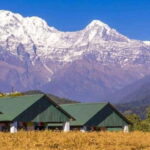
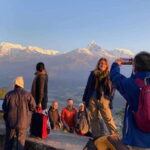
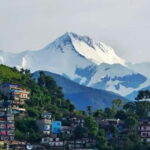
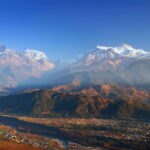
- Stunning Views: Offers panoramic sights of Annapurna, Machapuchare, and Himalayan ranges.
- Cultural Encounters: Pass through traditional villages like Ghandruk and Chomrong.
- Relaxation & Recovery: Ends with a soak in Jhinu Danda’s natural hot springs.
- Balanced Itinerary: Combines challenging hikes with well-timed breaks and scenic highlights.
- Value for Money: At $184, it’s a budget-friendly way to experience the Himalayas—though some extras are on you.
- Guided Experience: Led by a professional, government-registered guide, ensuring safety and local insight.
The Itinerary – A Day-by-Day Breakdown
You can also read our reviews of more hiking tours in Pokhara
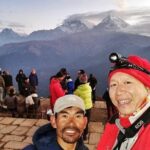
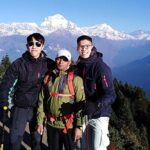
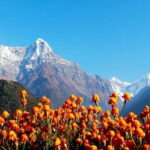
Day 1: Pokhara to Ghandruk
The journey begins with a scenic ride from Pokhara to Nayapool, followed by a 5-6 hour hike through lush forests and ethnic villages. Ghandruk is a charming village famed for its traditional architecture and incredible mountain views. Expect plenty of photo opportunities and a chance to settle into the rhythm of Himalayan life early on.
What you’ll love: The walk along the Modi Khola river makes for a gentle start, and Ghandruk’s hospitality gives a warm welcome.
Potential drawback: The day’s travel and hike might feel long, especially if you’re not used to trekking.
Day 2: Ghandruk to Chomrong
Today’s hike is through more beautiful forested trails filled with rhododendron blossoms in season. You’ll pass panoramic views of the Annapurna range and descend into Chomrong, a village that acts as a gateway to the Annapurna Sanctuary. It’s about a 4-5 hour journey, filled with scenery and cultural sights.
What you’ll love: The breathtaking vistas of the mountains are more visible here, and the local villages provide insights into Nepalese mountain life.
Potential drawback: The terrain can be steep and uneven, demanding a reasonable level of fitness.
Day 3: Chomrong to Himalaya
This day involves hiking to Himalaya village, a quieter spot with fewer travelers. The trail continues through rhododendron forests, waterfalls, and ethnic settlements, culminating in a more secluded Himalayan village.
What you’ll love: The chance to experience Nepal’s rural charm and enjoy unobstructed mountain views.
Potential drawback: The walk can still be challenging, especially if the weather turns cold or rainy.
More Great Tours NearbyDay 4: Himalaya to Annapurna Base Camp
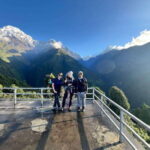
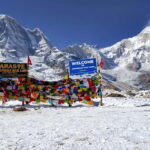
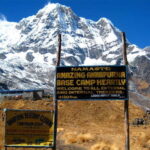
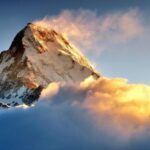
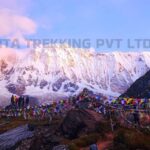
This is the highlight—reaching 4,130 meters at Annapurna Base Camp (ABC). The trail offers spectacular close-up views of Annapurna and Machapuchare peaks. You’ll arrive at ABC in time for a sunset or sunrise view, an experience that’s often described as unforgettable.
What you’ll love: The sense of accomplishment and the jaw-dropping vistas from the camp.
Potential drawback: Acclimatization is key here; some may find the altitude challenging.
You can also read our reviews of more tours and experiences in Pokhara
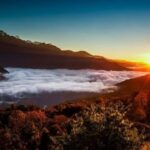

Day 5: ABC to Bamboo
Descending from the high camp, you’ll walk down through rhododendron forests to Bamboo, a village with basic but cozy lodges. The walk offers a chance to reflect on the climb and enjoy the lush scenery.
What you’ll love: The cooler air and verdant surroundings provide a nice contrast to the high camp.
Potential drawback: Descents can be tough on knees and calves.
Day 6: Bamboo to Jhinudanda Hot Springs
Today, the trail leads to Jhinudanda, a small settlement famous for its natural hot springs. After days of hiking, this is a perfect place to relax and soothe your muscles.
What you’ll love: The hot springs are a real treat after several days of trekking, and the setting is peaceful and scenic.
Potential drawback: The hot springs might be crowded, especially during peak season.
Day 7: Jhinudanda to Nayapool and back to Pokhara
The final day involves a relatively short walk back to Nayapool, followed by a ride to Pokhara. It’s a satisfying conclusion to a week of mountain adventure, with plenty of time to reflect on your journey.
What you’ll love: The sense of achievement and the comfort of returning to Pokhara.
Potential drawback: The bus ride back can be bumpy or chaotic, a typical Nepalese experience.
The Realities of the Tour
What’s included in the tour covers most essentials—transportation, permits, meals during the trek, accommodation in basic lodges, and a knowledgeable guide. The guides are often praised for their professionalism, which adds a layer of safety and local insight.
Extras like Wi-Fi and bottled water come with additional charges, which can surprise some travelers. As one reviewer pointed out, “The agency charges a significant amount but you still have to pay for Wi-Fi and drinking water,” which might feel frustrating if you expected these to be included.
Accommodation in tea houses offers a chance to get a taste of Nepali hospitality, but don’t expect luxury—think simple beds, communal dining, and basic amenities.
Pricing at $184 per person makes it quite affordable, especially considering the included guides, permits, and some meals. But always budget for extra expenses like personal water or souvenirs.
Transport between Pokhara and Nayapool is arranged, usually via private vehicle, making the journey smoother than a solo taxi. However, the return trip can sometimes be less organized, as one review notes—forcing travelers onto “a really dangerous bus,” which isn’t ideal but is common in Nepal.
Authentic Experiences and Potential Challenges
The scenery along this trek is undeniably spectacular. From dense forests to panoramic mountain views, you’ll feel immersed in the Himalayas. The villages offer glimpses into traditional Nepalese life, with local hospitality and architecture that has remained unchanged for generations.
But, be aware that organization can vary. One traveler described their experience as “bad on the part of the agency,” with unanticipated costs and logistical missteps like not reserving a return jeep. It’s worth confirming what’s included and planning for some flexibility.
Altogether, this trek provides a good balance of challenge, scenery, and culture—especially valuable for those new to Himalayan trekking or travelers on a budget.
Who Should Consider This Trek?
This tour suits active travelers who want a manageable but rewarding Himalayan adventure. It’s great for those who appreciate mountain panoramas, local culture, and natural hot springs.
That said, it’s not for someone who prefers luxury or minimal physical effort—some days involve steep ascents or descents, and altitude adjustments require good preparation.
If you’re comfortable with basic accommodations, group travel, and an organized itinerary, this trek offers a solid, authentic introduction to the Annapurna region.
The Sum Up
The Pokhara 7-Day Annapurna Base Camp Trek & Hot Spring offers a well-rounded experience, blending stunning scenery, cultural discovery, and relaxation. It’s a great choice for adventurous travelers wanting a taste of the Himalayas without the need for weeks of trekking or high costs. The views and local villages make each step memorable, though travelers should be prepared for basic accommodations and some logistical surprises.
The hot springs at Jhinudanda are a perfect reward after days of walking, and the guides typically enhance the experience with local knowledge and safety. Although some reviews warn about organizational hiccups and extra costs, most find the trek a worthwhile challenge—especially at this price point.
If you’re looking for an authentic Nepali adventure with breathtaking mountain views and cultural insights, this trek is worth considering. Just check what’s included, be ready for basic lodges, and enjoy one of the most scenic routes Nepal has to offer.
Pokhara: 7-Day Annapurna Base Camp Trek & Hot Spring
FAQ
What is included in the tour package?
The package includes round-trip transportation between your hotel, Pokhara Airport, and the trek starting point; all necessary permits and fees; all meals during the trek (depending on your chosen option); accommodation in basic tea houses; a professional, government-registered guide; guide and porter expenses; a private vehicle if selected; and trekking gear like sticks or sleeping bags.
Are meals provided during the trek?
Yes, all meals during the trek are included, though the exact options depend on the chosen package. You’ll be able to enjoy local Nepali dishes along the way.
What about accommodations?
You will stay in basic tea houses or lodges throughout the trek. They’re simple but functional, offering a good chance to experience local hospitality.
How physically demanding is the trek?
It’s moderate to challenging, especially at higher altitudes. Some days involve steep climbs and descents, so a reasonable fitness level is recommended.
What is the best time to do this trek?
While not explicitly stated, most Himalayan treks are best done in spring (March-May) or autumn (September-November) for clear skies and stable weather.
Are guides knowledgeable?
According to reviews, guides are generally well-rated for their professionalism and local knowledge, enhancing safety and cultural understanding.
Is there internet or Wi-Fi available?
Wi-Fi is often available but typically not included in the base price and might incur extra charges, as some travelers have pointed out.
Can I customize the trip?
The standard itinerary is fixed, but some flexibility may be possible depending on the provider. It’s best to confirm beforehand.
What should I pack?
Bring comfortable hiking shoes, warm clothing, a hat, a camera, cash, a flashlight, trekking pants, and your passport or ID. Don’t forget sunscreen and personal essentials.
Is travel insurance necessary?
Yes, travel insurance is mandatory, especially since emergency rescue services are available but at your own expense.
This trek offers a solid balance of adventure, culture, and relaxation. With proper preparation, you’ll enjoy a rewarding journey through one of the world’s most spectacular mountain regions.
You can check availability for your dates here: