Planning a trek in Nepal can be overwhelming, but when it’s a well-organized 9-day trip like this one, with the chance to see some of the world’s most iconic mountain scenery, it’s worth considering. This particular trek, offered by MTA Trekking, promises a blend of spectacular Himalayan vistas, cultural encounters, and natural relaxation, all at a reasonable price of $251 per person.
What immediately draws many travelers—like the reviewer Kevin, who called it a highlight of his trip—is the opportunity to witness sunrises over the Himalayas from Poon Hill and wander through lush rhododendron forests. Also, the inclusion of a visit to a natural hot spring adds a soothing end to vigorous days.
However, it’s worth noting that this trek involves several days of challenging walking—some days with over six hours of trekking—and climbing to high altitudes. It’s best suited for those who are physically prepared for some exertion and comfortable with basic accommodations. If you’re someone looking for an authentic, immersive experience that balances adventure and cultural discovery, this tour could be a great fit.
- Key Points
- Detailed Review of the 9-Day Annapurna Base Camp Trek
- Getting Started: From Pokhara to Nayapul and Tikhedhunga
- Climbing to Ghorepani: A Mountain Challenge with a Reward
- Sunrise at Poon Hill: A Must-See Moment
- Gaining Altitude and Reaching the Annapurna Sanctuary
- Reaching the Heart of the Himalayas: Annapurna Base Camp
- Descent and Relaxation
- Returning to Pokhara
- The Practicalities and Value
- What Travelers Should Prepare
- The Sum Up
- FAQs
- More Hiking & Trekking Tours in Pokhara
- More Tour Reviews in Pokhara
Key Points
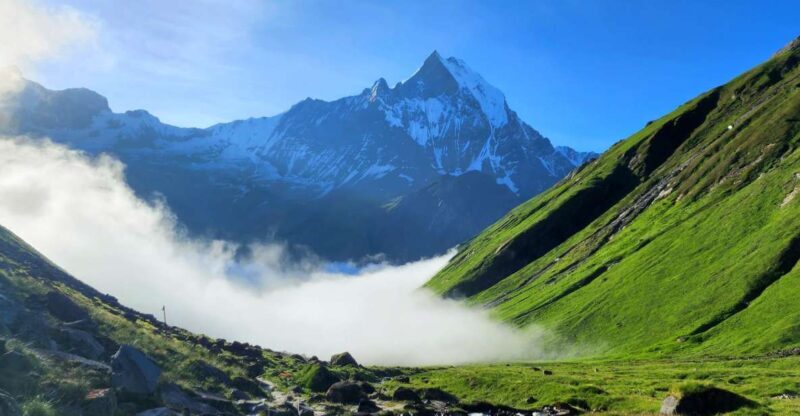
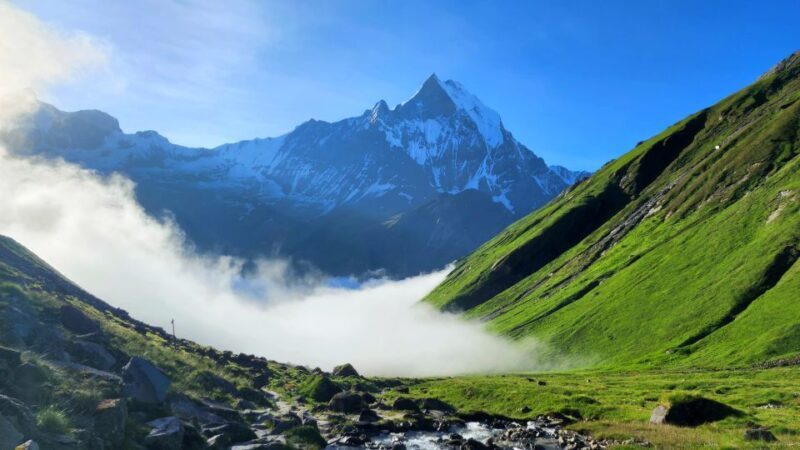
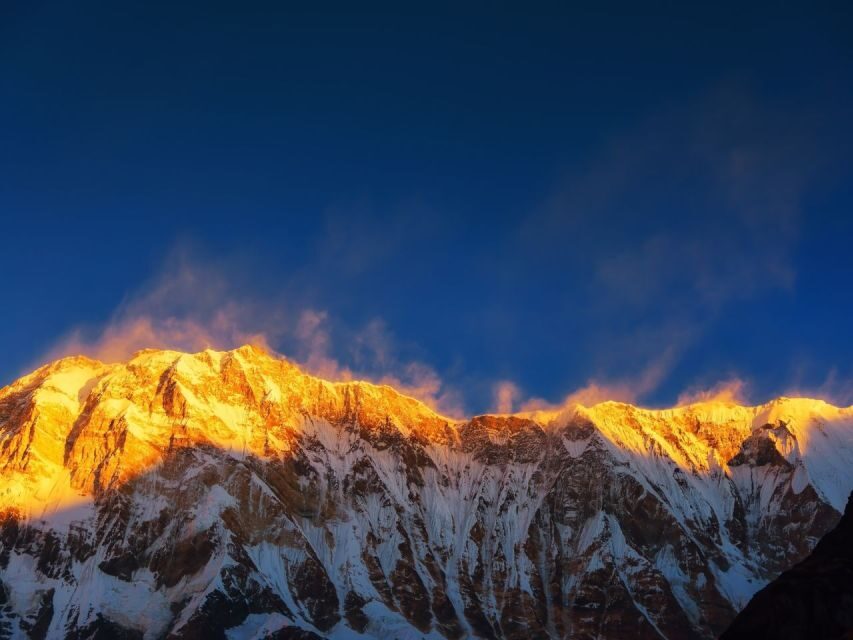
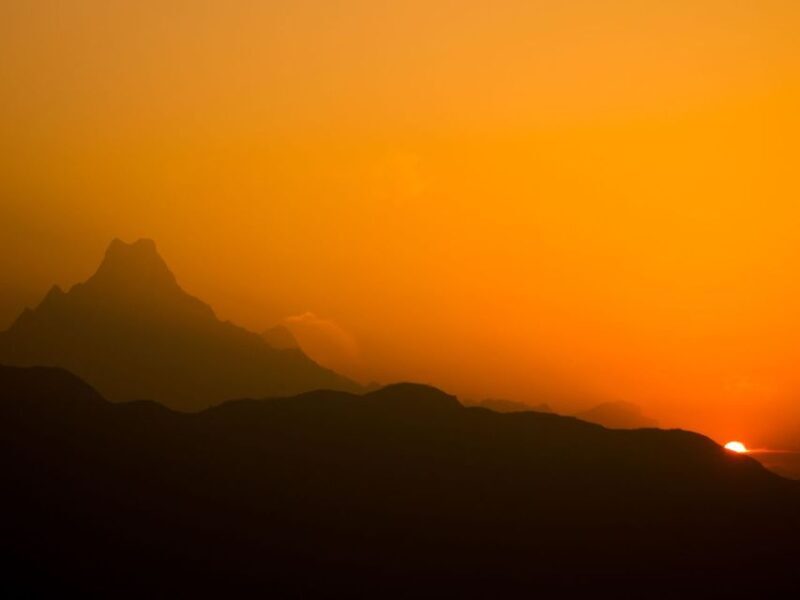
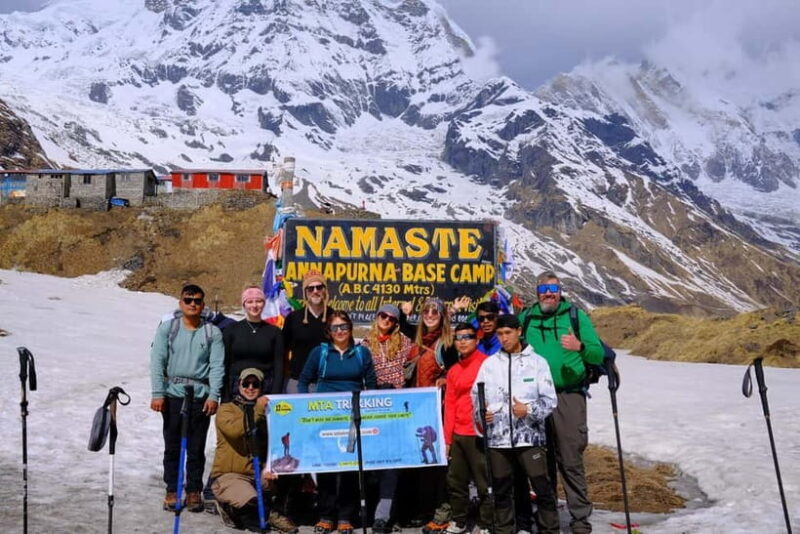
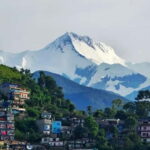
- Stunning Himalayan Views: Expect breathtaking panoramas of peaks like Annapurna South, Hiunchuli, and Fishtail.
- Cultural Encounters: You’ll visit local villages, learn about traditions, and interact with Nepalese hosts.
- Optimal Timing & Weather: Best during dry seasons; monsoon months can be unpredictable, with risks like leeches.
- Value & Convenience: All logistics—permits, accommodations, transportation—are handled, making it accessible for travelers.
- Physical Activity: Be prepared for days of substantial trekking, some over 6 hours, including steep climbs.
- Unique Highlights: Sunrise from Poon Hill and relaxing in natural hot springs are memorable moments.
Detailed Review of the 9-Day Annapurna Base Camp Trek
You can also read our reviews of more hiking tours in Pokhara
Getting Started: From Pokhara to Nayapul and Tikhedhunga
The adventure kicks off with a two-hour cab ride from Pokhara to Nayapul, which is a convenient way to avoid a long drive and get you into the trailhead quickly. Once there, your trek begins with about three hours of walking along the Modi Khola River valley, passing through charming villages and vibrant rhododendron forests. These early stages set the tone—scenic, peaceful, and manageable.
The trek to Tikhedhunga (1,570 meters) is a gentle introduction, with a cozy stay in a local tea house. You’ll likely notice the warm hospitality and the chance to chat with fellow trekkers or locals. Kevin highlights the pleasure of relaxing with a “morning milk tea” overlooking the landscape, which is a simple but memorable pleasure on days like this.
Climbing to Ghorepani: A Mountain Challenge with a Reward
Day 2 involves a more strenuous ascent—over 3,000 steps up to Ulleri—surrounded by blooming rhododendrons. This is where the trek starts feeling more serious. Reaching Ghorepani (2,840 meters), a lively village, signals your first real taste of high-altitude trekking and the promise of incredible views.
Ghorepani is known for its friendly atmosphere, with many travelers passing through before the famous sunrise at Poon Hill. The long day of six hours of trekking might be tough, but it’s well worth it for the chance to see the Himalayas in all their glory.
Sunrise at Poon Hill: A Must-See Moment
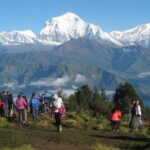
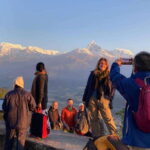
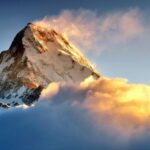
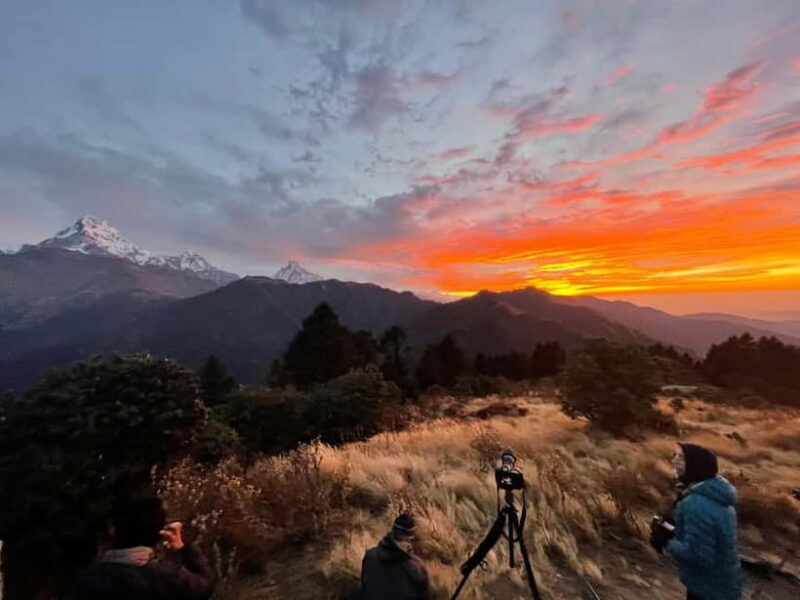
Day 3 is a highlight—waking up before dawn to hike up to Poon Hill (3,210 meters). The effort is early, but the panoramic sunrise over the Annapurna Range, Hiunchuli, and Fishtail peaks makes it worthwhile. The glowing orange and red reflections on snow-capped summits are unforgettable, and many describe it as the “highlight of the trip,” echoing Kevin’s sentiment.
Afterward, the trek continues through lush forests to reach Tadapani or Chuile, where you’ll spend the night in simple but welcoming accommodations. This section showcases the region’s natural beauty and the peaceful lifestyle of mountain villagers.
More Great Tours NearbyGaining Altitude and Reaching the Annapurna Sanctuary
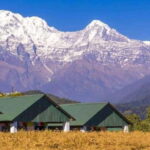
The trail begins to climb more steeply from here. Day 4 takes you from Chuile to Sinuwa, crossing the confluence of rivers and traversing forested trails. The views of Annapurna and Machhapuchhre (Fishtail) become more prominent, and the scenery is increasingly dramatic.
On Day 5, trekking from Sinuwa to Deurali (3,200 meters) involves walking through pristine forests and enjoying the surrounding peaks. The peacefulness here is notable, and the sense of being surrounded by towering giants is palpable.


Reaching the Heart of the Himalayas: Annapurna Base Camp
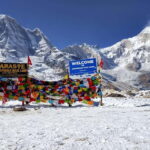
The climax arrives on Day 6 when you ascend to the Annapurna Base Camp (4,130 meters). The sense of achievement is huge, standing amid snow-capped peaks, glaciers, and the grandeur of the mountains. The weather can be clear or slightly hazy, but the vistas are always impressive.
The reviews highlight the “awe-inspiring” nature of this spot. It’s a picture-perfect moment, perfect for photographs or simply soaking in the scenery. Be aware that altitude sickness is possible but rare, and gradual acclimatization helps.
Descent and Relaxation
From ABC, you descend via the same trail, stopping at Bamboo for a restful night, and then visiting Jhinu Dada on Day 8, where natural hot springs offer a relaxing soak after days of walking. Many find this a perfect way to unwind, and Kevin comments on the hot springs as a memorable highlight.
Returning to Pokhara
The final day involves a trek down to Jhinu Dada followed by a two-hour vehicle ride back to Pokhara. It’s a reflective journey, giving you time to appreciate the experience and the landscapes you’ve just traveled.
The Practicalities and Value
This trek’s price—$251—might seem modest, but it includes many essentials: transportation, permits, accommodations, meals, and staff expenses. This all-in-one approach offers excellent value, especially considering the logistics that can overwhelm independent travelers.
Keep in mind that personal expenses like drinks, hot showers, or souvenirs are extra, and travelers should budget accordingly. The trek is not suitable for pregnant women, those over 70, or people with significant altitude sickness, but for reasonably fit adventure seekers, it’s a manageable challenge.
What Travelers Should Prepare
Packing wisely is key. Comfortable, sturdy shoes are crucial, as are weather-appropriate clothes, sunscreen, and sunglasses. During the monsoon season, heavy rainfall and leeches can make walking less comfortable, so insect repellent and gaiters are recommended.
Understanding the seasonality helps—dry seasons (spring and autumn) are ideal, while rainy months require extra caution and gear. The guides and staff handle all logistics, so you can focus on enjoying the scenery and the company.
The Sum Up
This 9-day Annapurna Base Camp trek offers an accessible yet rewarding journey through some of Nepal’s most stunning landscapes. The combination of spectacular mountain views, cultural interactions, and thoughtful organization makes it a compelling choice for those looking for an adventure that balances challenge with comfort.
If you’re eager to see the Himalayas up close, love mountain scenery, and want a taste of Nepalese village life, this tour delivers. It’s a good fit for travelers who are reasonably fit, appreciate natural beauty, and prefer a guided experience that takes care of logistics.
In short, you’ll come away with incredible photos, unforgettable memories, and a sense of accomplishment—all for a very reasonable price.
Pokhara: 9-Day Annapurna Base Camp Trek with Poon Hill
FAQs
What is included in the tour price?
The price covers transportation, trekking permits, accommodations, meals, and staff expenses throughout the trek, making logistics smooth for travelers.
Are there any additional costs I should be aware of?
Yes, personal expenses like drinks (soft and hard), hot showers, laundry, phone calls, souvenirs, and any extra snacks are not included.
Is the trek suitable for beginners?
While the trek is accessible for many, it involves multiple days of difficult walking with some days over six hours. Basic fitness and a positive attitude towards challenging terrain help.
What about altitude sickness?
The highest point, Annapurna Base Camp at 4,130 meters, can pose a risk, but serious altitude sickness is rare with proper acclimatization and gradual ascent.
When is the best time to do this trek?
Spring and autumn are most popular due to stable weather. During the monsoon (June to August), weather can be erratic, and trails may be slippery with leeches.
How physically demanding is the trek?
Some days involve steep climbs and long walks, but the well-trodden paths and breaks along the way help manage fatigue.
What kind of accommodations are provided?
Basic, comfortable tea houses and lodges that offer simple rooms—perfect for resting after a day’s trek.
Are children or elderly travelers suitable for this trek?
It’s generally not recommended for children under 12 or travelers over 70 due to the physical demands and altitude.
Can I customize the itinerary?
The tour is structured, but some providers may offer flexibility. It’s best to check directly with MTA Trekking about options.
In essence, this trek offers a well-rounded Nepalese adventure—focused on iconic views, cultural experiences, and the satisfaction of reaching a Himalayan summit. It’s a trip that promises plenty of memories and photos to last a lifetime.
You can check availability for your dates here: