Exploring the Hidden Corners of Uzbekistan: A Review of the Private Daytrip to Muynak and Nukus
If you’re interested in combining cultural discovery, ecological history, and a touch of adventure, a private daytrip from Khiva to Muynak and Nukus offers a compelling package. While not a tour for those seeking luxury or a relaxed pace, it’s an immersive way to understand some of Uzbekistan’s most striking contrasts—ancient history, Soviet-era art, and environmental tragedy—all in one day.
What makes this tour stand out? First, it offers a rare chance to see the remains of the Aral Sea’s former glory, embodied in the haunting ship graveyard of Muynak. Second, it includes a visit to the Savitsky Museum, home to an extraordinary collection of Soviet-era and folk art, giving insights into the region’s cultural resilience.
On the downside, the long day (around 14 hours) and the rugged nature of some sites may not suit everyone, especially those with limited mobility or a preference for more leisurely travel.
Ultimately, this experience is best suited for curious travelers eager to go beyond the typical tourist circuit, willing to endure a full day of sightseeing, and interested in environmental issues, ancient history, and art. It’s especially valuable if you’re staying in Khiva and want a deep, authentic glimpse into Uzbekistan’s lesser-known, yet profoundly meaningful, stories.
Key Points
- Unique archaeological site: Chilpiq (Shilpiq) qala is over 2200 years old, offering a rare glimpse into Zoroastrian burial practices.
- Exceptional art collection: The Savitsky Museum in Nukus showcases Soviet-era art and local folk traditions, making it a highlight for culture lovers.
- Ecological story: The Muynak Museum recounts the decline of the Aral Sea and its impact on local life and ecology.
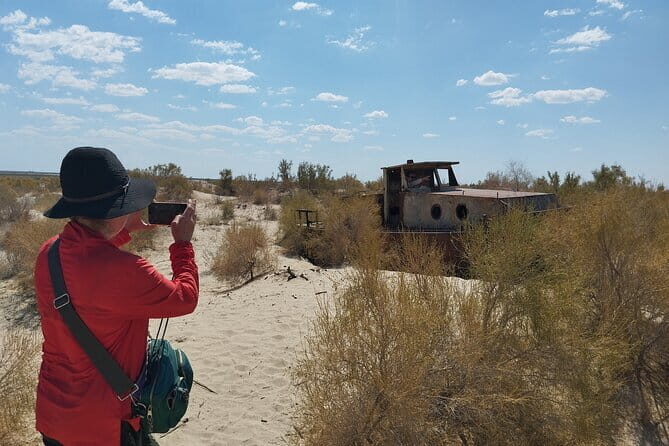
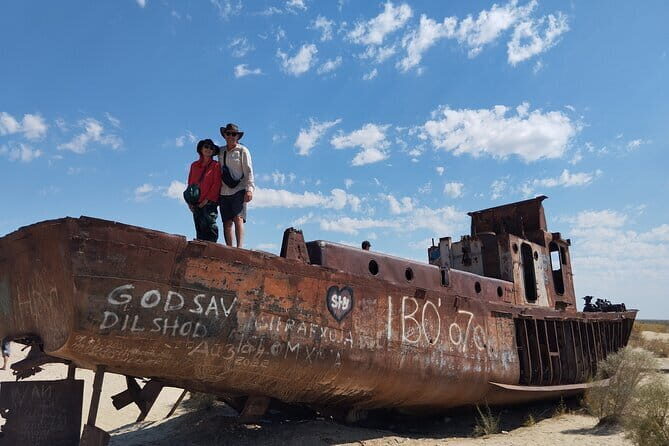
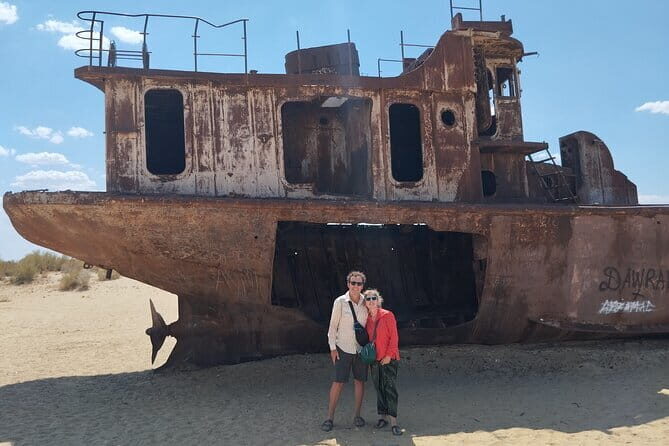
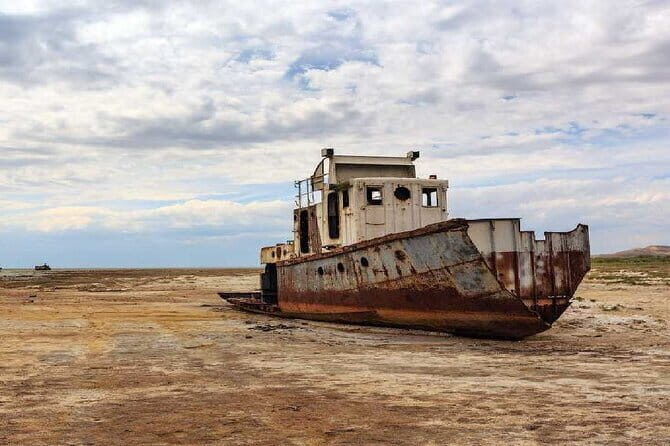
- Haunting ship graveyard: Witness rusting ships stranded on the former seabed, a stark symbol of environmental disaster.
- Private transportation: The tour uses air-conditioned vehicles, ensuring comfort during long drives across the desert.
- Flexible booking: It’s a private experience, tailored for your group, with pickup and drop-off included for convenience.
Journey through Uzbekistan’s Contrasts
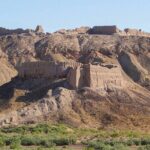
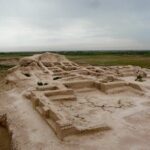
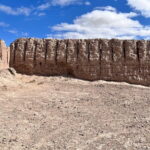
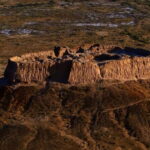
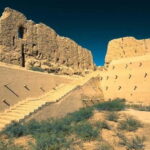
We loved the chance to explore Chilpiq, a site that dates back over two millennia. Standing atop a natural hill, the 15-meter-high, round Zoroastrian burial tower feels like stepping into a different world. The remains of the ancient burial practices—bones once tossed into the open tower—are a haunting reminder of how different spiritual beliefs shaped the landscape. It’s a quiet, contemplative spot, away from the tourist crowds, and offers a tangible connection to the region’s ancient past.
From there, we head to Nukus to visit the Savitsky Art Museum—a true gem that defies expectations. This museum, born from Soviet ethnographic expeditions, boasts an impressive collection of applied folk art and Soviet-era paintings. The museum’s founder, Sergei Tolstov, called the surrounding regions “Central Asia’s Egypt,” and the museum’s collection reflects that grandeur—though in a more modest scale. We loved the way the artwork offers a window into local life and the resilience of the region’s people during turbulent times.
The journey continues to the Muynak Regional Museum of Ecology and History, which tells the story of the Aral Sea’s dramatic shrinkage. It’s a sobering experience, but an important one. The exhibits—photos, paintings, flora, fauna, and artifacts—paint a vivid picture of a once-flourishing sea that disappeared in just a few decades. This museum makes it clear that the environmental tragedy is personal for the local residents, and their stories are woven into every exhibit.
Next, we visited the Ship Cemetery—an iconic sight that encapsulates the ecological disaster. Picture rusting, abandoned ships lying on what used to be the seabed, now many kilometers from the remaining water. The sight can be haunting, but it’s also a powerful reminder of the scale of human impact. The rusting vessels evoke a sense of loss and resilience, and it’s a place where you’ll want to pause and reflect on what environmental change really means.
You can also read our reviews of more private tours in Khiva
Transport and Practicalities
The tour includes private transportation in a comfortable, air-conditioned vehicle, which makes the long day manageable. The group size is limited to up to three people, which keeps the experience intimate and flexible. Pickup and drop-off at your Khiva hotel adds convenience, especially given the early start and long hours involved.
The full day lasts approximately 14 hours, so expect an early start and a full schedule. The admissions for the Savitsky Museum and Muynak Museum are not included, but they are modest—$7 and $3 per person respectively—offering good value for the quality and uniqueness of the exhibits.
What Travelers Say
Reviews consistently praise the depth and authenticity of this experience. One reviewer noted, “This tour gave me a real sense of the history and ecological tragedy of the region,” while another appreciated the private, tailored approach that allowed for flexible pacing. Several mention that walking around the ship graveyard and archaeological site requires moderate physical fitness, but overall, most found the experience rewarding and thought-provoking.
Is This Tour Worth It?
Taking into account the cost of $299 per group, the tour offers excellent value considering the depth of experience and private transportation. It’s a well-rounded way to see multiple facets of Uzbekistan—ancient history, Soviet-era art, ecological disaster—in one day. Travelers interested in history, art, and environmental issues will find this tour especially meaningful.
However, be prepared for a full day of travel and sightseeing. If your idea of a perfect day involves more relaxed pacing or visiting only one or two sites, you might find the schedule a bit packed. But for those eager to cover a lot of ground and gain a nuanced understanding of this unique region, the itinerary hits the mark.
Who Will Appreciate This Tour?
This experience is especially well-suited for history buffs, art lovers, and environmentally conscious travelers. If you enjoy learning about the impact of modern history on local communities, this tour offers compelling stories and visuals. It’s also a good fit for those comfortable with a physically moderate activity level and a long day of travel.
In short, if you want a tour that’s immersive, culturally rich, and thought-provoking, this private daytrip from Khiva to Muynak and Nukus should definitely be on your radar.
Private Daytrip to Muynak and Nukus
Frequently Asked Questions
Is the tour suitable for children?
Yes, the tour has a minimum age of 5, making it suitable for families, but keep in mind the long travel hours and moderate walking involved.
How much does the museum entrance fee cost?
The Savitsky Museum charges about USD 7 per person, and the Muynak Museum about USD 3. These are paid separately from the tour price.
Is this a group or private experience?
It’s a private tour, so only your group will participate, allowing for a more personalized experience.
Does the tour include lunch or dinner?
No, meals are not included. Travelers should plan for lunch on their own, possibly bringing snacks or eating in local cafes.
What should I wear for the outdoor sites?
Comfortable walking shoes, sun protection, and lightweight clothing are advisable, especially since some sites are in desert-like environments.
How long is the drive between sites?
Transportation time is included in the 14-hour duration, with long drives across desert terrain making for a full but fascinating day.
Can I cancel this tour?
Yes, there’s a free cancellation policy up to 24 hours before the start time, offering peace of mind for booking.
Is this tour weather-dependent?
Yes, poor weather could lead to cancellation or rescheduling, and you’ll be offered a different date or a full refund.
This private daytrip from Khiva to Muynak and Nukus offers a compelling blend of history, art, and ecological storytelling, making it a memorable addition to any Uzbekistan itinerary—especially for those eager to see the country’s lesser-known but deeply meaningful sights.