A Detailed Look at the Private Habu Temple, Valley of the Artisans, and Valley of the Queens Tour from Luxor
If you’re planning a trip to Luxor and want a well-organized way to see some of the most fascinating sites on the West Bank, this private tour offers a balanced mix of ancient architecture, detailed tomb art, and vivid stories about Egyptian burial traditions. We’ve looked into what travelers love—and what they might consider before booking—to give you a clear picture of what this experience entails.
What stands out about this tour are two key features: the personalized guidance that makes the experience more engaging and the inclusion of all entrance fees and transportation, which means no surprises or extra costs. On the flip side, some might find the 6-hour duration a bit tight if you’re deeply interested in every detail.
Overall, it’s best suited for travelers who want a comprehensive, relaxed tour that combines history, art, and culture with convenience.
Key Points
– Private, guided experience: Personalized attention from knowledgeable guides enhances your understanding.
– All-included price: Entrance fees, transportation, water, and snacks are covered, ensuring hassle-free sightseeing.
– Flexible and intimate: Small groups or private tours allow you to go at your own pace and ask questions freely.
– Authentic sites: Visit lesser-known but incredibly well-preserved temples and tombs, avoiding crowds.
– Good value: At $55 per person, it offers a cost-effective way to explore multiple significant sites.
– Comfortable transport: Modern private A/C vehicle makes traveling between sites effortless.
- An In-Depth Review of the Itinerary
- Starting with the Temple of Medinat Habu
- Walking through the Valley of the Artisans (Deir el-Medina)
- Finishing at the Valley of the Queens
- The Practical Side: What You Get and What You Might Consider
- Why We Think This Tour Works Well
- Who Will Love This Tour?
- Final Thoughts
- FAQ
- The Best Of Luxor!
- More Private Tours in Luxor
- More Tour Reviews in Luxor
An In-Depth Review of the Itinerary
👉 See our pick of the The Top 2 Luxor Tours & Things To Do
Starting with the Temple of Medinat Habu
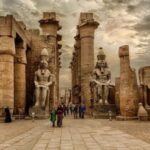
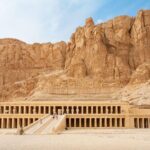
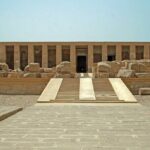
The tour kicks off early in the morning with a pickup from your hotel or Nile cruise at 7:00 am. From there, you’ll be whisked away by a private, air-conditioned vehicle—a much-needed relief in the Egyptian heat—directly to the West Bank of Luxor. Our first stop is the Temple of Medinat Habu, famously associated with Ramesses III.
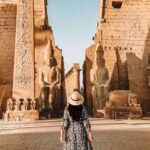
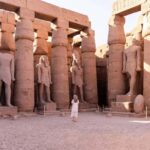
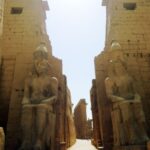
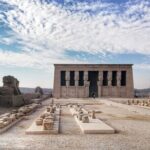
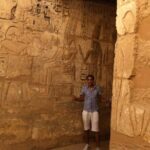
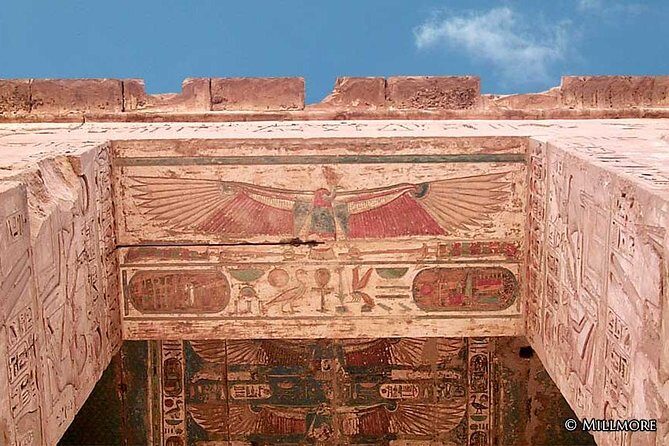
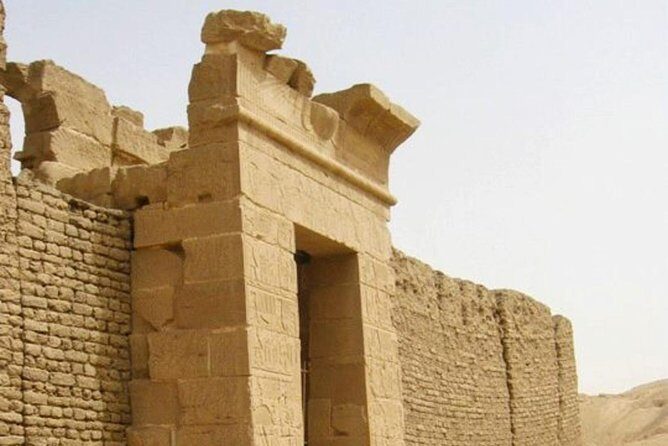
What makes Habu Temple special? First, it’s a less crowded site compared to Luxor and Karnak, so you’ll get to appreciate the grandeur without the throngs of travelers. The temple, roughly 150 meters long, boasts authentic orthodox design and vividly preserved hieroglyphic carvings and reliefs. Unlike the more popular temples, Habu feels like a hidden gem, often cited as being even more impressive in some aspects.
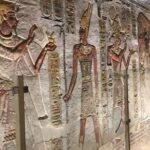
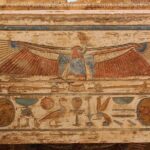
Many reviews highlight the quality of guides here—one reviewer called their guide “wonderful,” emphasizing how much they appreciated the detailed stories behind the artwork. Expect to learn about Ramesses III’s reign, religious rituals, and the symbolism in the temple’s vibrant reliefs. The site’s preservation status allows visitors to see the original colors and details, making it a feast for the eyes and a rare opportunity to witness ancient craftsmanship firsthand.
You can also read our reviews of more private tours in Luxor


Walking through the Valley of the Artisans (Deir el-Medina)
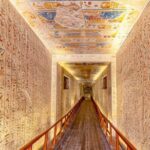
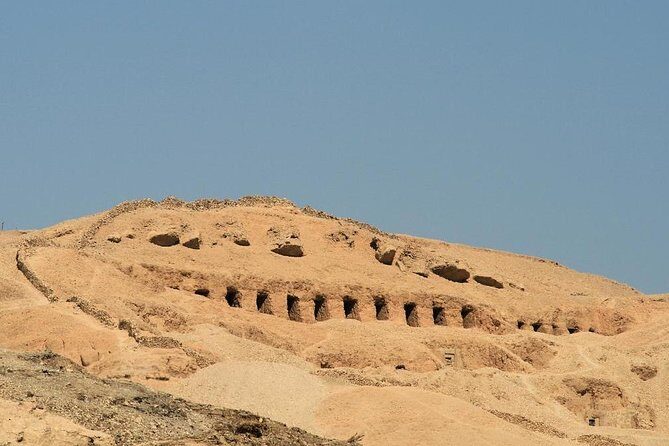
Next, you’ll head to the Valley of the Artisans, also known as Deir el-Medina. This was the village where the skilled craftsmen who built the tombs in the Valley of the Kings lived during Egypt’s 18th to 20th dynasties. It’s a fascinating contrast to the tombs themselves—here, you see the living community behind the tombs, providing context to the craftsmanship and daily life of ancient Egypt.
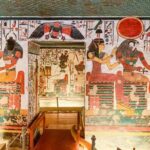
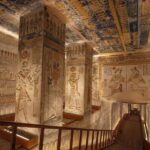
The paintings in the tombs are remarkably well-preserved, with some reviewers noting how fresh and vivid they appear. This site offers a more intimate experience, away from the crowds, and allows you to admire the artwork’s finesse—something you might not get at larger, more crowded sites. According to one reviewer, “the paintings appear so fresh,” which underscores how well-preserved and meaningful this site is.
Your guide will likely point out details about the artisans’ tools, their working conditions, and the symbolism behind the art. For those interested in Egyptian craftsmanship, this stop is a highlight, offering insight into the skilled labor that made the grand tombs possible.
Finishing at the Valley of the Queens
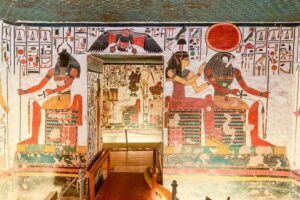
Your day ends with a visit to the Valley of the Queens, where the wives of Pharaohs were laid to rest. Its ancient name, Ta-Set-Neferu, means “the place of the Children of the Pharaoh,” and it’s home to tombs of royal women, princes, and princesses from the 18th to 20th dynasties.
While one of the main tombs—the Tomb of Nefertari—was under renovation during some visits (making it less accessible), the Valley of the Queens still offers magnificent tombs with beautifully decorated chambers. The priestly rituals performed there give a glimpse into the burial rites of the nobility, and the surroundings are notably quieter compared to the more famous Valley of the Kings, making for a peaceful visit.
Travelers have shared that visiting this site is “well worth it,” especially to see the vivid frescoes and architecture. The guides are praised for their knowledge, making the experience both educational and memorable.
The Practical Side: What You Get and What You Might Consider

This tour, priced at $55 per person, offers excellent value. The fee includes all entrance fees, which are often a hidden cost elsewhere, as well as hotel pickup and drop-off, a modern private vehicle, bottled water, and a professional guide. You’re paying for convenience and expert insights, making it ideal for travelers who want to avoid the hassle of coordinating transportation and tickets.
The 6-hour duration means you’ll cover a lot but won’t feel rushed—most travelers mention that the pace is good and the guide allows enough time to enjoy each site. Having a private guide means you can ask questions, focus on what interests you most, and skip parts that don’t capture your attention.
On the downside, some reviews mention that guides’ explanations can sometimes be less clear—if you’re a hardcore history buff or expecting detailed hieroglyphic translations, you might wish for even more depth. But overall, guides are praised for their knowledge and friendliness.
The tour’s pick-up from your hotel or Nile cruise ensures you don’t need to navigate unfamiliar roads or public transport, a significant plus in a city like Luxor.
Why We Think This Tour Works Well
This trip is perfect for those who want a comprehensive, personalized experience of Luxor’s West Bank without the stress of planning multiple tickets and transportation. The all-inclusive price offers good value, especially when you consider the cost of individual entrance fees and private transportation.
The sites chosen—Habu Temple, Valley of the Artisans, and Valley of the Queens—give a varied picture of ancient Egyptian life, from monumental temples to artisan workshops and royal tombs. The less crowded venues mean you’ll enjoy a more authentic, relaxed atmosphere, perfect for truly appreciating the art and architecture.
The reviews highlight the quality of guides—many travelers mention their guides’ passion, knowledge, and patience, which greatly enhances the experience. If you’re someone who values engaging storytelling and personal attention, this tour hits the mark.
The only potential limitation is the time constraint—if you’re a deep historian or want to explore every detail of each site, you might find the 6-hour window a little brief. But for most, it strikes a balance between seeing many highlights and maintaining enjoyment without fatigue.



Who Will Love This Tour?
Travelers who appreciate expert-guided tours will find this appealing. It’s especially suitable for those who want value for money with all logistics taken care of. The sites visited are less mainstream but equally impressive, making it ideal for travelers seeking authentic and quieter experiences.
If you’re short on time but want to see a broad spectrum of West Bank sites, this tour offers a good combination of sites without feeling overly rushed. Families, history enthusiasts, or culture seekers will find plenty to enjoy here.
Final Thoughts
This private tour of the Habu Temple, Valley of the Artisans, and Valley of the Queens from Luxor balances ease, insight, and authenticity. It’s a chance to see some of Egypt’s less crowded but equally captivating sites with guides praised for their knowledge and friendliness. The inclusion of all entrance fees and transportation makes it a straightforward choice for travelers wanting a hassle-free yet enriching half-day.
While it might not be suited for those who want a very detailed archaeological tour or longer hours, it’s perfect for visitors who want a well-rounded introduction to the West Bank’s treasures without missing out on the stories behind the stones.
This experience offers a solid value and an authentic glimpse into ancient Egyptian life, making it a worthwhile addition to your Luxor itinerary.
Private Habu Temple, Valley of the Artisans, Valley of the Queens from Luxor
FAQ
What sites are included in this tour?
You’ll visit Habu Temple, the Valley of the Artisans (Deir el-Medina), and the Valley of the Queens, covering key aspects of Egyptian art, craftsmanship, and burial practices.
Is transportation included?
Yes, you’ll be picked up from your hotel or Nile cruise and driven in a private, modern A/C vehicle between sites.
Are entrance fees included?
Absolutely. All entrance fees are covered in the tour price, allowing you to avoid additional costs.
How long is the tour?
The tour lasts approximately 6 hours, which is enough time to explore all three sites comfortably.
What’s the group size?
It’s a private tour, so only your group will participate, ensuring personalized attention and flexibility.
Is this tour suitable for families?
Yes, most travelers find it suitable, especially since it’s private and can be tailored to your pace.
What should I bring?
Bring comfortable walking shoes, sun protection, and perhaps a camera to capture the stunning carvings and tomb paintings.
Overall, if you’re looking for a thoughtfully curated, hassle-free way to explore the West Bank’s hidden gems, this tour offers a wonderful blend of history, art, and authentic Egyptian atmosphere.