Planning a trip to Morocco and eager to experience the vast beauty of the Sahara without breaking the bank? This Sahara 3 days / 2 nights mini-circuit offers a well-rounded taste of desert adventure, cultural exploration, and scenic highlights. While it’s not a luxury experience, it strikes a balance between affordability and memorable moments, making it a popular choice for budget travelers and those short on time.
What we love about this tour? First, the opportunity to see the stunning landscapes that define the High Atlas and the Sahara, from mountain passes to endless dunes. Second, the authentic experience of camping in the desert, complete with camel rides and traditional music — a genuine taste of Berber hospitality.
On the flip side, a key consideration is the variable quality of transportation and guides, as some travelers note inconsistent comfort or service. Still, for those wanting to explore Morocco’s highlights without spending a fortune, this tour offers a compelling package.
It suits travelers who appreciate a mix of cultural sights, scenic drives, and desert adventure, especially if they’re comfortable with group settings and basic amenities.
- Key Points
- The Itinerary Breakdown
- Day 1: From Marrakech to the Dunes
- Day 2: Into the Desert and Traditional Berber Nights
- Day 3: Dawn in the Dunes and the Return Journey
- Transportation, Guides, and Comfort
- Accommodation and Food
- The Value and Who This Tour Suits Best
- Frequently Asked Questions
- Final Thoughts
- The Best Of Marrakech!
- More 3-Day Experiences in Marrakech
- More Tour Reviews in Marrakech
Key Points
- Affordable Price Point: At just over $100 per person, this tour delivers a lot of value for those on a budget.
- Cultural and Scenic Highlights: From UNESCO-listed kasbahs to rose valleys, you’ll see some of Morocco’s most photogenic spots.
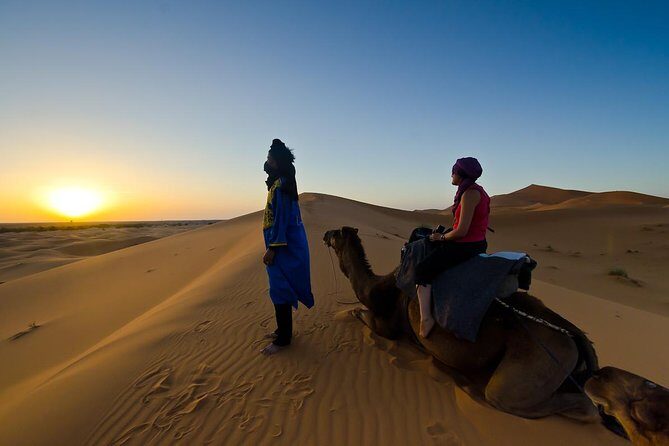
- Authentic Desert Experience: Camel rides and camping in the dunes are central features, providing real connection to desert life.
- Group Size: Limited to 18 travelers, ensuring a relatively intimate atmosphere.
- Potential Discomforts: Some reviews mention issues with air conditioning and uneven guide service.
- Flexible Booking: Free cancellation makes it easier to plan with confidence.

👉 See our pick of the Marrakech’s 16 Best Tours & Things To Do (With Prices & Reviews)
The Itinerary Breakdown
You can also read our reviews of more tours and experiences in Marrakech
Day 1: From Marrakech to the Dunes
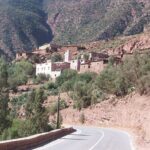
The journey begins early in the morning with a pickup from Marrakech. Your first stop is Tizi n Tichka, a mountain pass that offers sweeping views of the High Atlas. Here, you’ll enjoy a quick break and some photo opportunities. This part of the drive is often lauded for its stunning landscape, a highlight for many travelers who appreciate Moroccan mountain scenery. However, some reviews mention that the air conditioning in the vehicle might not always work, which could make the drive less comfortable, especially in warm weather.
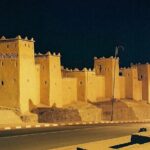
Next, the tour takes you to Aït Ben Haddou, a UNESCO World Heritage site that’s almost too beautiful for words. The ancient kasbah’s mud-brick architecture has starred in films like Gladiator and Game of Thrones, making it a must-see. You’ll spend about an hour and a half exploring the fortress, which is enough to soak in the history and snap plenty of photos. Many visitors find it a fascinating glimpse into traditional Moroccan architecture, though some note that the ticket for admission isn’t included.
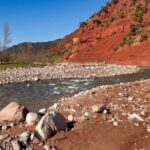
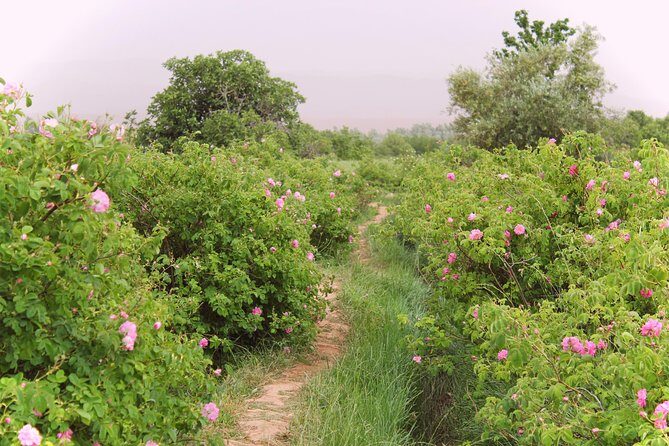
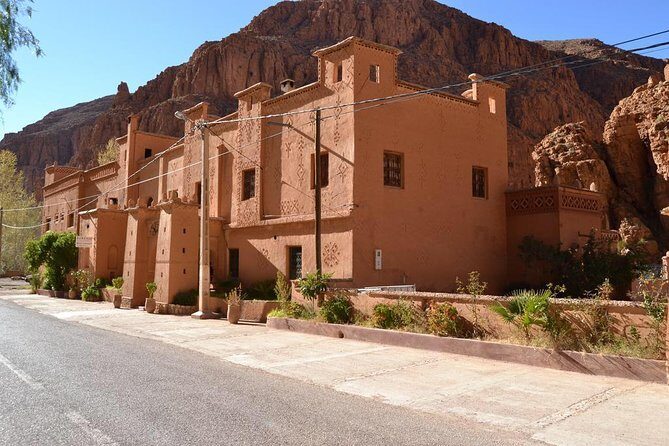
A visit to Ouarzazate, Morocco’s film capital, follows. You’ll see the kasbah of Taourirt and the cinema museum, both offering insight into Morocco’s cinematic role. A quick stop at the Roses Valley offers a chance to admire the floral landscapes and grab photos of colorful flower-shaped roundabouts—an odd but charming sight. The day concludes at Dades Gorges, where the towering cliffs and winding river make for a dramatic backdrop that draws many travelers.
Day 2: Into the Desert and Traditional Berber Nights
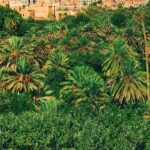
After breakfast, you’ll head to Tinghir, where a guided tour of the valley and Todra Gorges awaits. Many travelers enjoy the towering rock formations and lush oasis as a stark contrast to the desert. The stop is brief but memorable, and some mention that the local guides provide valuable insights into the area’s geology and history.
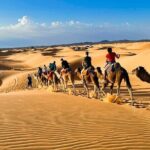
The next leg leads to Merzouga, passing through Rissani and Erfoud—regions known for their date palms and fossil markets. Reaching Merzouga marks the start of the desert experience. Once there, you’ll mount camels for a 45-minute ride into the dunes at sunset. This is a highlight for most: the panoramic views of the shifting sands as the sun dips lower are awe-inspiring. Some reviews highlight that the desert camping feels very authentic, with folk dances, music, and simple, cozy tents. It’s clear that local hosts go out of their way to make guests feel welcomed and immersed.
Day 3: Dawn in the Dunes and the Return Journey
Rising early, you have the chance to enjoy a walk in the sand and snap photos under the early morning light. After breakfast, you begin your return journey, stopping along the way at Alnif, Aït Barka, and scenic mountain vistas. Many travelers find these stops a good way to stretch and absorb more local culture and scenery.
The trip back to Marrakech is long but scenic, with the journey wrapping up around 7:30 PM. Some reviews mention that the return drive can be tiring, especially for those not accustomed to long bus rides.
Transportation, Guides, and Comfort
The tour provides A/C transportation with a driver and guide during certain parts of the trip. While the mini-bus is generally sufficient for groups, some travelers report that not all vehicles have working air conditioning or heating, which can make the ride uncomfortable in extreme weather. The group size is limited to 18 people, helping keep things manageable, but this also means the experience can be a bit rushed at times.
Guides are mentioned as knowledgeable, especially at key sites like Aït Ben Haddou and Todra Gorges. However, reviewers note inconsistencies, with some experiencing a lack of guidance during certain stops unless extra fees are paid for a dedicated guide. This indicates that your experience may depend heavily on the specific guide and group dynamics.



Accommodation and Food
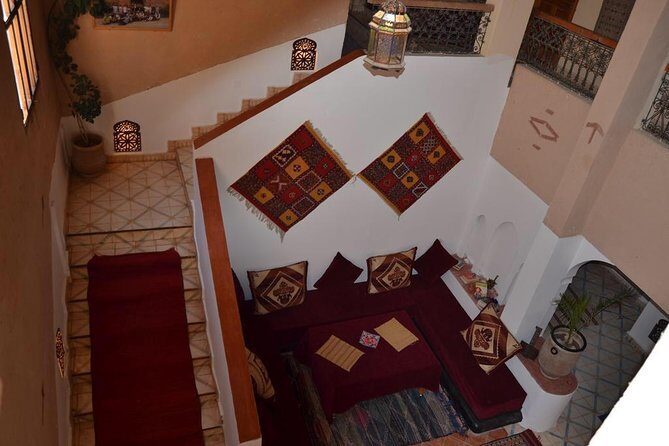
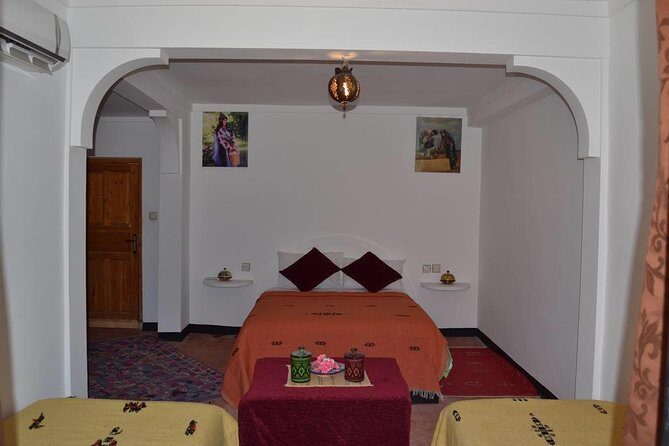
The two nights in desert tents are often praised for their authenticity and welcoming atmosphere. Many travelers enjoy folk music and local food during the camping nights, making for a memorable cultural experience. Breakfasts and dinners are included, offering Moroccan staples like bread, olives, and tagines.
The Value and Who This Tour Suits Best
For just over $100, this three-day package packs in a surprising amount of Morocco’s highlights—from mountain passes and film history to rose valleys and desert dunes. While it’s not a luxury tour, it offers an immersive experience at a reasonable price. Many reviews point out that the landscape views and cultural stops are well worth the price, especially considering what’s included—multiple meals, camel rides, and two nights of desert camping.
That said, the variable comfort level in transportation and guide service is worth noting. If you’re someone who prioritizes comfort and polished service, this might not be the ideal choice. But if you’re after an authentic adventure that combines scenic sites, cultural insights, and the thrill of the Sahara, this tour can be a memorable way to check off Morocco’s desert bucket list.
This experience is best suited for adventurous travelers comfortable with group travel, basic amenities, and long drives. It’s perfect for those who want to see Morocco’s diverse landscapes without paying for high-end hotels or private guides. If you’re looking for a straightforward, value-packed journey that captures the essence of the Sahara and its surroundings, this tour offers a practical option.
Frequently Asked Questions
Is transportation air-conditioned?
The tour advertises air-conditioned vehicles, but some reviews mention that the air conditioning may not always work. It’s good to be prepared for potentially warm rides.
What is included in the tour?
Your package includes driver and guide service, accommodation for two nights, camel rides to and from the desert camp, dinners, and breakfasts.
Are guides available at all stops?
Guides are provided during key sites like Todra Gorges and Aït Ben Haddou, but some travelers note there’s no guide along the entire tour unless extra fees are paid.
How many people will be in our group?
The maximum group size is 18 travelers, offering a relatively intimate experience.
Can I cancel the tour?
Yes, the tour offers free cancellation up to 24 hours before the start, providing flexibility if your plans change.
What should I pack?
Bring warm clothes for the desert nights, comfortable shoes for walking, and some cash for optional extras or tips.
Is this tour suitable for children?
The tour doesn’t specify age restrictions, but given the long drives and outdoor activities, it’s best suited for older children and teenagers who can handle the physical demands.
Sahara 3days/2nights mini-circuit
Final Thoughts
This Sahara 3 days / 2 nights mini-circuit from Marrakech is a solid choice for travelers wanting a budget-friendly introduction to Morocco’s desert landscapes. It offers a well-rounded mix of scenic drives, cultural sites, and the classic desert experience — camel rides and camping under the stars. While some aspects like transportation comfort might vary, the opportunity to see iconic sites like Aït Ben Haddou and to spend nights in desert tents remains a big draw.
For those who value authentic experiences, scenic beauty, and culture, this tour provides a meaningful way to connect with Morocco outside of luxury resorts. It’s especially suitable for adventurous souls eager to explore on a budget, ready for a bit of rough-and-tumble travel, and capable of embracing the unexpected.
If you’re after comfort and personalized guides, this might not be your first pick. But if you’re open to a lively, lively, and genuinely Moroccan adventure, it could be just the ticket to create lasting memories in the Sahara.