Introduction
If you’re exploring Japan’s lesser-known towns, Kakunodate in Akita Prefecture offers a delightful blend of history, architecture, and food. The Samurai Food Walk is a thoughtfully curated tour that promises a taste of authentic local flavors alongside a peek into samurai-era sights.
We love how this experience combines culinary exploration with cultural storytelling, making it more than just a food tour—it’s a walk through time.
Two standout features are the sake tastings at Fujita and the chance to step inside an actual samurai residence, which adds a tangible layer to the history. On the flip side, some travelers might find the tour’s duration of about two and a half hours a bit tight for so many stops.
This tour is ideal for those interested in discovering Japan’s regional flavors while soaking up historical ambiance—perfect for culture lovers and foodie adventurers alike.
Key Points
– Authentic regional flavors: Sake, miso, soy sauce, and traditional sweets give a genuine taste of Akita’s culinary heritage.
– Cultural insights: Visits to samurai residences and the Samurai Street deepen understanding of feudal Japan’s architecture and social structure.
– Expert guides: Knowledgeable guides make history and food come alive with engaging stories and explanations.
– Variety of experiences: From tasting local sake to exploring craft techniques like Kaba-zaiku, there’s a rich mix of activities.
– Small group intimacy: Limited to 8 travelers, ensuring personal attention and a relaxed pace.
– Value for price: At around $107, the tour’s inclusions—food, drinks, entrance fees—offer good value given the depth of experiences.
A Guided Journey Through Kakunodate’s Flavors and Heritage
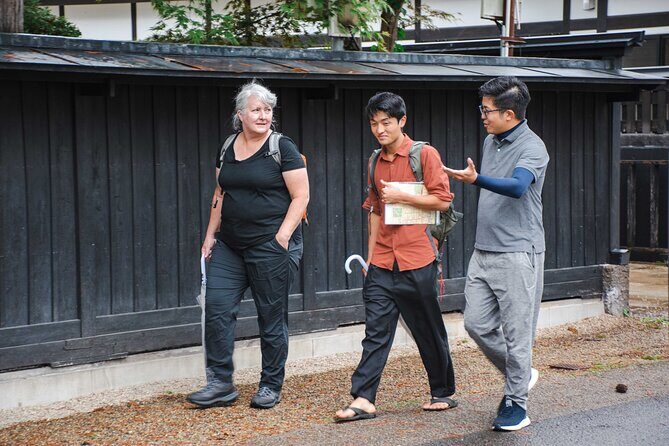
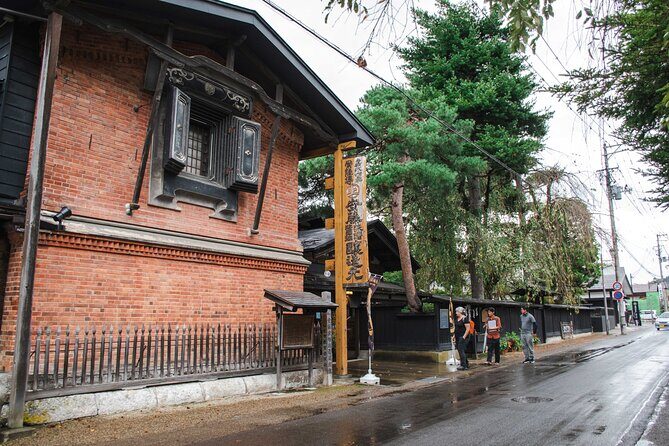
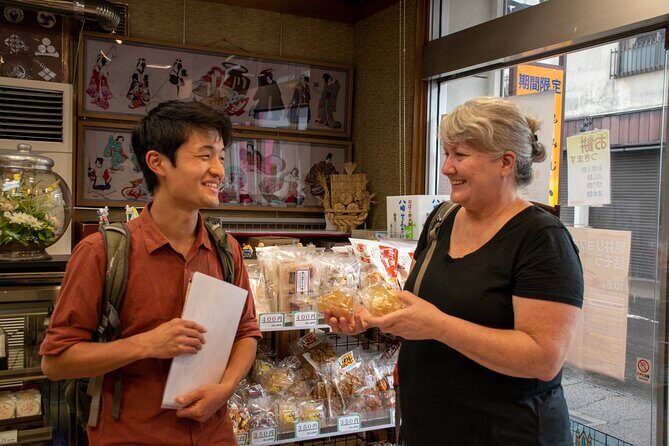
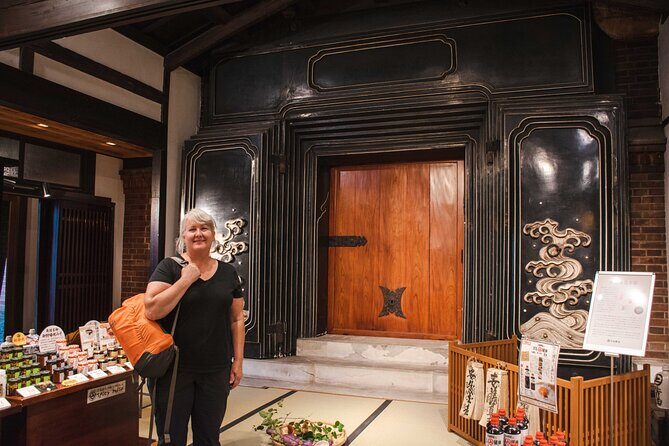
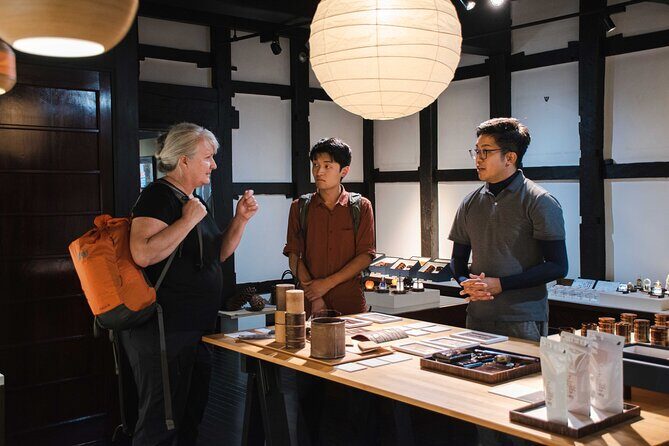
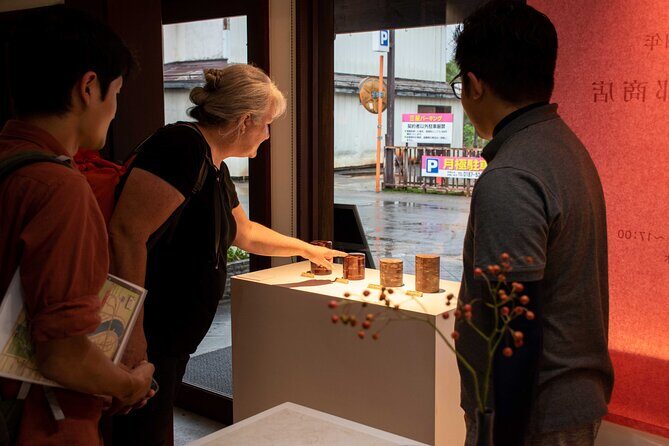
This Samurai Food Walk in Kakunodate offers an engaging way to unpack the town’s history through its food and architecture. Guided by locals who love sharing their stories, the journey is structured to blend culinary delights with cultural education. For travelers eager to experience Japan beyond the typical tourist spots, this tour provides a hands-on approach that emphasizes authentic local life.
Starting from the town’s core, the tour covers intriguing stops that reveal Kakunodate’s layered history. It’s a compact, manageable itinerary packed with sights, tastes, and stories that will satisfy curious travelers seeking a meaningful connection to the region.
The Itinerary in Detail
Stop 1: Kakunodate Town Tour (30 minutes)
Our adventure begins in the heart of Kakunodate, where we visit a lively sake shop, a traditional Japanese sweet store, a fresh green grocery, and a local snack stall. Each stop is carefully chosen not only for its uniqueness but also to illustrate how local cuisine reflects the area’s culture. The guide shares fun facts about each place, adding context that elevates the tasting experience. The included admission fee covers all these stops, making it straightforward to indulge without worry.
Travel Tip: Expect to sample regional specialties like sake and local snacks, which you won’t find outside the area. This is a great way to understand Kakunodate’s daily life and culinary preferences.
Stop 2: Kakunodate Bukeyashiki (Samurai Residence Street) (30 minutes)
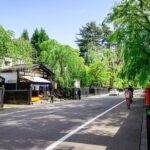
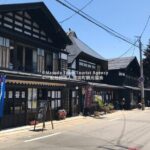
Next, we stroll down Samurai Street, the historic main avenue lined with well-preserved houses of lower and upper-class warriors. Kakunodate, often called “Michinoku’s Little Kyoto,” boasts traditional buildings dating back to the Edo period. Visiting actual residences, with explanations on samurai life then and now, provides a palpable sense of the town’s feudal past.
Authentic Touch: Entering samurai houses allows us to see their architecture and living conditions firsthand. The guide’s lively storytelling makes it clear how the samurai class shaped Kakunodate’s identity, and many reviews praise Ginji’s ability to convey this history with enthusiasm.
Stop 3: Sake Tasting at Fujita (20 minutes)
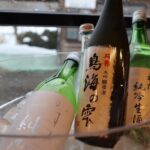
Akita Prefecture is famous for sake, and here we get to taste three different types from Fujita’s selection. The shop offers rare local brands that can only be purchased within Akita—a real treat for connoisseurs or curious amateurs alike. Alongside sake, regional beers are available, perfect souvenirs.
Travel Tip: The three-drink tasting offers a nice overview of sake varieties, from light and smooth to richer flavors. It’s an insightful introduction for those new to sake tasting.
Stop 4: Ando Jozo Brewery (20 minutes)
In the outer town, the Ando Brewery continues a long tradition, specializing since post-WWII in miso, soy sauce, and pickles. The original building from 1883 preserves the old-world charm, and tasting their miso and soy sauce products deepens appreciation for Japanese fermented foods. For something unique, you can try soy sauce ice cream or a miso-flavored macaron—sweet and savory surprises.
Authentic Experience: This stop combines tasting with cultural preservation, as the brewery maintains traditional methods. Many praise the flavor comparisons of soy sauce varieties, which highlight regional differences.
Stop 5: Fukushindo Sweet Shop (15 minutes)
Back on Samurai Street, the historic Fukushindo sweet shop has been running for over 140 years. Here, you’ll enjoy classic treats like manju, dorayaki, and mochi—favorites among locals and visitors alike. Sampling these sweets adds a delicious, sweet note to the tour, and the friendly staff make you feel like a guest in their traditional shop.
Food Tip: Don’t miss the mochi, a chewy rice cake filled with sweet fillings. It’s a perfect way to experience Japanese confectionery craftsmanship.
Stop 6: Iwahashi Samurai House (15 minutes)
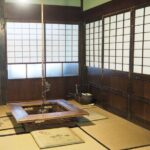
We step inside the home of a middle-class samurai family, which offers a glimpse into daily life during the Edo period. The Iwahashi house, remodeled in the late Edo era, provides insight into the living conditions of a typical samurai family, with its thatched roof replaced by shingles in later renovations.
Historical Highlight: The guide explains the significance of the house’s architecture and how it reflected social status, making history vivid and relatable.
Stop 7: Bukeyashiki no Chaya (20 minutes)
Across from the Aoyagi Samurai Manor, this teahouse serves local Akita dishes like kiritanpo—a rice stick often enjoyed at home but here made fresh for visitors. This stop combines culinary tradition with scenic surroundings, allowing you to relax and enjoy the atmosphere.
Culinary Tip: Kiritanpo is a must-try, especially if you want to taste a dish that’s closely linked to home life in Akita.
Final Stop: Kaba-zaiku Craft (time varies)
The tour’s last stop introduces Kaba-zaiku, a craft making intricate items from mountain cherry bark. This traditional art form developed among low-ranked samurai during the Edo period, using techniques that produce a distinctive luster and deep colors. Watching artisans at work offers a hands-on appreciation of Japanese craftsmanship, and you can buy unique souvenirs crafted from this material.
You can also read our reviews of more walking tours in Akita Prefecture


What Makes This Tour Stand Out
The knowledgeable guides are often praised for their engaging storytelling, making history and food meaningful rather than just a checklist of stops. Many reviews mention how Ginji and others answered questions enthusiastically, adding layers of understanding about Kakunodate’s culture.
The variety of experiences, from sake tasting to visiting samurai residences and sampling sweets, ensures a well-rounded exploration. The inclusion of admission tickets for key sites adds value, removing the hassle of separate entrance fees.
The small group size (max 8 travelers) makes it intimate, allowing for personalized interaction and a relaxed pace. This is especially helpful when exploring historic homes or trying local foods, where having space and time makes a difference.
Price and Value
At $106.88 per person, the tour might seem like a splurge, but considering the all-inclusion of food, drinks, site entries, and expert guidance, it offers good value. The tasting experiences alone—sake, miso, soy sauce, and sweets—are worth that price for anyone interested in regional Japanese flavors.
The tour balances cultural insights with culinary pleasures; it’s not just about eating but understanding what makes Kakunodate special. For travelers eager to connect with local traditions, this tour offers a comprehensive, authentic experience.
Who Will Love This?
This tour suits those who enjoy food and drink with a cultural twist, particularly if they’re curious about Japanese craftsmanship and history. It’s ideal for small groups who appreciate personal attention and storytelling. History buffs will value the inside look at samurai residences, while foodies will delight in the tasting stops.
The Sum Up
The Samurai Food Walk in Kakunodate provides a taste of regional Japan that goes beyond typical sightseeing. It’s a well-balanced mix of culinary exploration and cultural storytelling, guided by passionate locals who bring Kakunodate’s history and flavors alive. The stops are thoughtfully chosen to showcase the town’s heritage, from samurai homes to craft techniques, and the food and sake tasting truly enhance the experience.
Travelers looking for an authentic, engaging, and intimate tour will find this a rewarding way to spend a few hours in Kakunodate. It’s perfect for those eager to understand Japanese culture through its food and architecture, making for memorable moments and delicious discoveries alike.
This experience is best suited for curious travelers, food lovers, and history enthusiasts who appreciate small-group settings and local stories. If you enjoy authentic tastes and stories that resonate, this tour offers a genuine slice of Kakunodate’s charm.
You can also read our reviews of more food & drink experiences in Akita Prefecture
Samurai Food Walk in Kakunodate
FAQ
Is transportation included in the tour?
No, private transportation is not included. The tour starts and ends at specified meeting points, and you are responsible for your own transport to and from these locations.
How long does the tour last?
The tour runs for approximately 2 hours and 30 minutes, covering several stops along Kakunodate’s historic streets.
What is the group size?
The tour is limited to a maximum of 8 travelers, ensuring a personal and relaxed experience.
Are the entrance fees included?
Yes, all entrance fees for the samurai houses and other sites are included in the ticket price.
What are the main highlights?
Highlights include tasting regional sake, visiting original samurai residences, sampling local sweets like mochi and manju, and exploring traditional craft techniques like Kaba-zaiku.
Is this tour suitable for children or families?
Most travelers can participate, but given the cultural and food focus, it’s best suited for older children or adults interested in history and cuisine.
Are there any dietary restrictions to consider?
The tour features a variety of foods, so contacting the provider beforehand for specific dietary needs is advisable, especially for allergies or vegetarian preferences.
Does the tour operate in all weather?
Yes, umbrellas and rain boots are available for rent for rainy days, so the tour can proceed regardless of weather.
How do I book?
You can book in advance, with most trips being reserved 67 days ahead on average, ensuring availability for your planned visit.
This detailed look at Kakunodate’s Samurai Food Walk should help you decide if it’s a good fit for your trip—an authentic, flavorful, and enriching way to connect with Japan’s cultural past and regional cuisine.