
Our review of the Erawan Museum in Samut Prakan offers a close look at a fascinating cultural site just outside Bangkok. This site is a must-visit for those interested in Thai spirituality, art, and architecture, especially if you’re on a budget. We love how the giant three-headed elephant sculpture commands attention from afar, making it both a striking landmark and a symbol of Thai creativity.
Plus, the museum’s clever division into three levels representing Underworld, Earth, and Heaven offers a meaningful journey through Asian beliefs and philosophies.
One of the best features of this experience is the discounted admission ticket that makes visiting the museum affordable without sacrificing the richness of the experience.
Another highlight is the beautifully crafted exhibits and gardens, which provide excellent photo opportunities and a chance to appreciate Thailand’s artistry and spiritual diversity. A potential downside is that the visit is limited to a specific day and time, so it requires planning ahead.
This tour suits travelers who appreciate cultural depth, enjoy engaging with religious symbols, and want to see a uniquely Thai landmark that combines art, spirituality, and stunning architecture in a manageable half-day outing. If you’re keen on exploring beyond Bangkok’s typical tourist spots, this visit offers both value and authenticity.
- Key Points
- What You Can Expect When Visiting the Erawan Museum
- The Exterior: The Three-Headed Elephant
- The Interior: Three Levels of Spiritual Significance
- Outside: Gardens and Trees
- The Practicalities of Visiting
- Authentic Experiences and What Travelers Say
- Who Should Visit the Erawan Museum?
- The Sum Up
- FAQs
Key Points
 1 / 7
1 / 7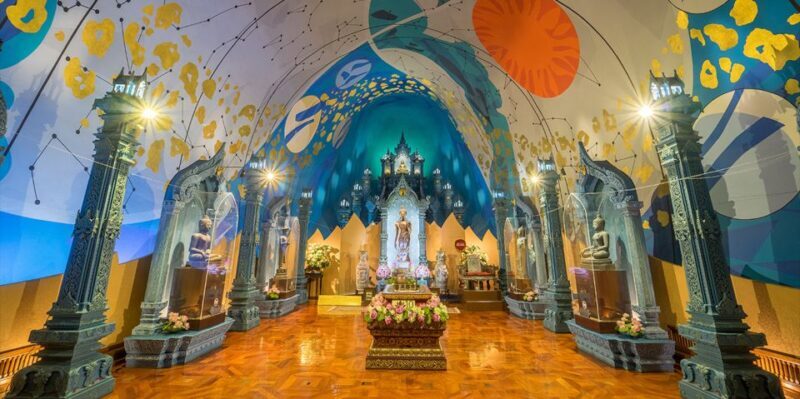 2 / 7
2 / 7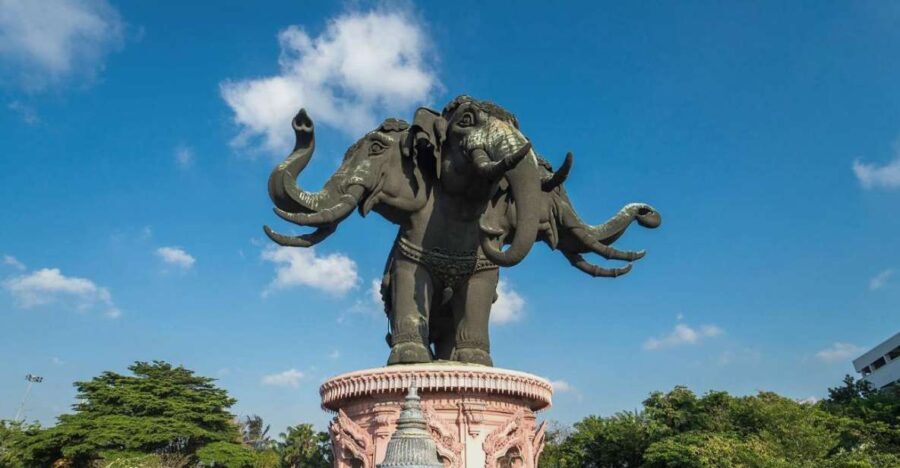 3 / 7
3 / 7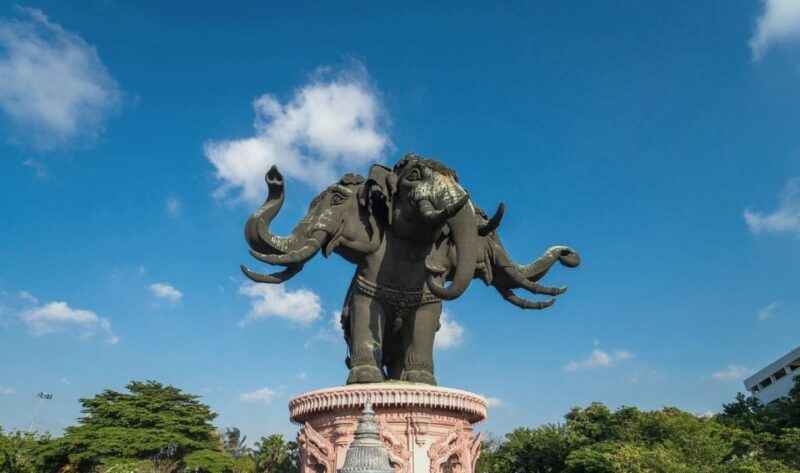 4 / 7
4 / 7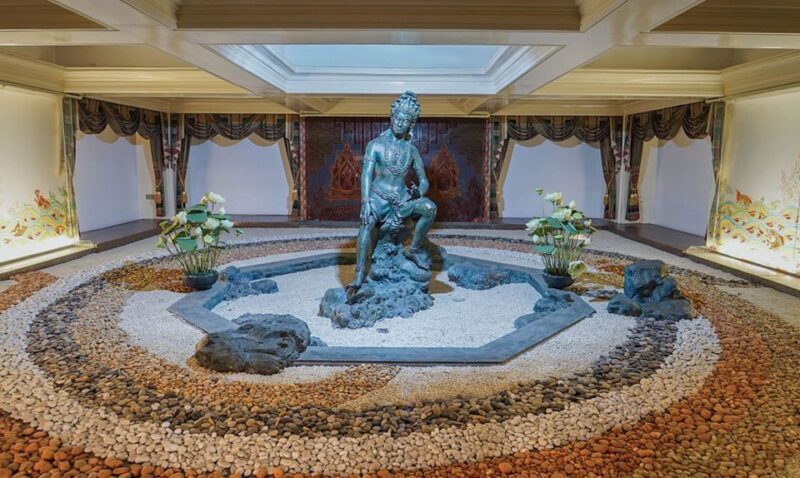 5 / 7
5 / 7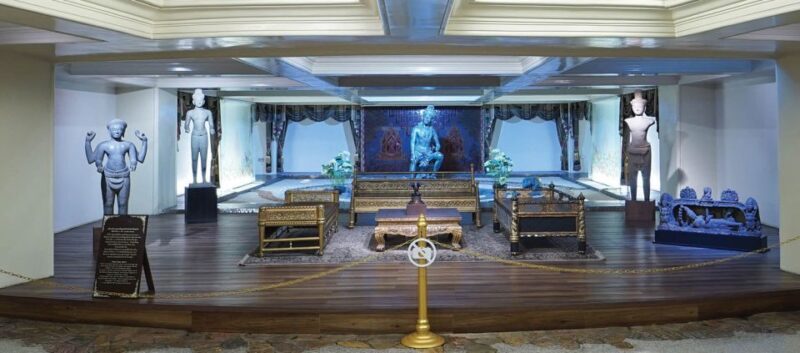 6 / 7
6 / 7 7 / 7
7 / 7- Iconic Landmark: The giant 3-headed bronze elephant sculpture is a must-see visual marvel.
- Cultural Journey: The three sections symbolize Underworld, Earth, and Heaven, offering insights into Asian philosophies.
- Affordable Entry: Discounted tickets provide excellent value for money.
- Photogenic Setting: Plenty of photo opportunities inside and outside the museum.
- Easy Access: Located just outside Bangkok with convenient transport options, including free shuttle tuk-tuks from the BTS Skytrain.
- Respectful Visit: Modest dress and quiet behavior are appreciated; no food, drinks, or pets allowed.
What You Can Expect When Visiting the Erawan Museum
Located just outside Bangkok in Samut Prakan province, the Erawan Museum is a striking example of Thai imagination and religious symbolism. The centerpiece is the massive bronze 3-headed elephant—a sculpture so large it’s hard to miss from a distance, and it’s claimed to be the largest hand-carved sculpture in the world. The museum’s design reflects a spiritual journey, with each level offering a different perspective on life, history, and spiritual beliefs.
Getting there is straightforward. You can easily access the museum via the BTS Skytrain Greenline, exiting at Chang Erawan Station (E17) Exit 2. From there, a free shuttle tuk-tuk is available daily, adding to the convenience. This makes it a great option for visitors who prefer to avoid complicated travel arrangements, especially since the museum is well-connected and centrally located relative to Bangkok’s outskirts.
The Exterior: The Three-Headed Elephant
The first thing visitors notice is the imposing bronze sculpture of the elephant, which is the crown jewel of the site. This sculpture isn’t just artistic; it’s a symbol of peace and humanity, crafted with incredible detail and scale. The elephant’s three heads represent the Hindu god Erawan (or Airavata in Sanskrit), often associated with protection and divine power.
The Interior: Three Levels of Spiritual Significance
Once inside, we found the museum’s structure fascinating. It’s divided into three main levels, each representing a different realm:
- The Suvarnabhumi Level (Underworld): The underground section houses ancient artifacts, including porcelain and ceramics, which reflect the past. The collection includes Thai-style Benjarong ceramics and figures of Naga, the snake-god associated with water and protection in Buddhist belief. The exhibits here give a sense of history and spiritual depth, and the owner’s collection adds a personal touch to the experience.
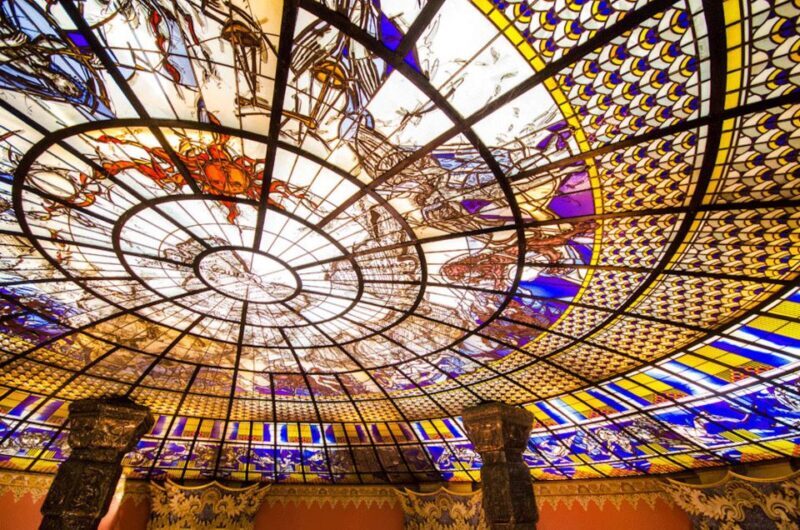
- The Earth Section (Base of the Elephant): This middle level supports the giant sculpture and blends artistic styles from different cultures. The stained glass ceiling mimics the pattern of the Earth, and the interior showcases a mix of Eastern and Western art forms, emphasizing diversity and unity.
- The Cosmo Level (Inside the Elephant’s Body): The top level invites visitors inside the belly of the elephant, where stories of gods and goddesses are painted on the walls. Pathways lead from the feet of the sculpture towards an area depicting heavenly realms, offering a colorful and symbolic journey through cosmology.
Outside: Gardens and Trees
Beyond the museum’s interior, the surrounding gardens add to the sense of tranquility and spiritual connection. The grounds are filled with rare tree species from across Thailand, some with literary or cultural significance. It’s an excellent spot for a leisurely stroll or some quiet reflection, and the lush greenery complements the spiritual symbolism inside.
More Great Tours NearbyThe Practicalities of Visiting
Ticket price is around $12 per person, a reasonable fee considering the scale and detail of the museum. The ticket includes access to all areas, as well as flowers, incense, and a lotus flower, which are part of the cultural customs observed at the site. The ticket is valid for just one day, so plan your visit accordingly.
Group size tends to be manageable, and the inclusion of an audio guide in multiple languages—English, Thai, Chinese, Korean, Russian—helps enhance understanding and appreciation. Timing is flexible, with start times depending on availability, so booking ahead is recommended to secure your preferred slot.
Accessibility is straightforward thanks to the shuttle service from the BTS station, making it an easy addition to any Bangkok itinerary. Remember to dress modestly—no shorts, short skirts, or sleeveless shirts—and maintain respectful behavior during your visit, especially since the site is sacred to many.
Authentic Experiences and What Travelers Say
Based on reviews, many visitors find the architecture and spiritual ambiance awe-inspiring. One reviewer noted that “the experience was totally new, the architecture and the sacred place gave me chills,” emphasizing the emotional impact of the site. Another commented on Thai hospitality, adding that the welcoming atmosphere enhanced their visit.
Authentic and well-priced, the Erawan Museum offers a quiet, meaningful escape from the bustling streets of Bangkok. It’s perfect for travelers who want more than just a sightseeing stop, seeking instead an immersive cultural and spiritual lesson wrapped in stunning art and symbolism.
Who Should Visit the Erawan Museum?
This experience is ideal for those interested in Thai culture, religion, and art. It suits travelers looking for an affordable way to explore a major landmark outside the city center without sacrificing depth or authenticity. Families, photography enthusiasts, and anyone curious about the spiritual stories woven into Thai tradition will find much to enjoy here.
It’s most suited for visitors who appreciate quiet reflection and respect for sacred spaces. The modest dress code and tranquil atmosphere make it a respectful environment to learn about Thai beliefs. If you’re on a tight schedule or prefer a more active adventure, keep in mind that this museum is best enjoyed at a relaxed pace.
The Sum Up
The Erawan Museum in Samut Prakan offers an intriguing blend of art, spirituality, and cultural storytelling. Its iconic giant elephant sculpture draws immediate attention, but the real charm lies in the detailed exhibits and the symbolic levels inside, which invite reflection on Asia’s diverse philosophies. For just around $12, you get access to a site that combines visual awe with meaningful insights, making it excellent value for money.
This visit is perfect for travelers who want to explore beyond Bangkok’s touristy spots without breaking the bank. It’s ideal for those eager to see a uniquely Thai landmark that offers both visual spectacle and cultural depth. The manageable size, combined with the accessibility and thoughtful design, makes it an experience you’ll remember long after leaving.
If you’re in the Bangkok area and looking for a quiet, inspiring cultural stop, the Erawan Museum provides a memorable, authentic glimpse into Thailand’s spiritual side—well worth the modest price.
Samut Prakan: Erawan Museum Discounted Admission Ticket
FAQs
Is the ticket valid for one day only?
Yes, your discounted ticket is valid for one day, so plan your visit accordingly.
How can I reach the Erawan Museum?
You can take the BTS Skytrain Greenline to Chang Erawan Station (E17) Exit 2, then use the free shuttle tuk-tuk service that runs daily.
Are there any dress code requirements?
Yes, modest dress is expected. Shorts, short skirts, and sleeveless shirts are not permitted.
What does the ticket include?
Your ticket covers entry to the museum, flowers, incense, and a lotus flower, along with access to surrounding areas and all taxes and fees.
Are there any restrictions inside the museum?
Taking pictures or videos for commercial purposes is not allowed inside. Food, drinks, and pets are also prohibited.
Can I cancel my booking?
Yes, you can cancel up to 24 hours in advance for a full refund, offering flexibility if your plans change.
This detailed review aims to give you a clear picture of what to expect from your visit to the Erawan Museum. Whether you’re captivated by its art, interested in spiritual stories, or simply looking for a peaceful escape, it offers a well-rounded experience that balances value, authenticity, and cultural insight.
You can check availability for your dates here: