Thinking about venturing off the beaten path in Vietnam’s northern highlands? This 2-day hard trekking experience through Sapa’s village clusters promises both challenge and charm. For travelers craving an authentic insight into ethnic minority life combined with breathtaking scenery, this tour offers a compelling option.
What we love most? First, the chance to walk through hereditary rice terraces that have been cultivated for over a century—an incredible window into traditional farming. Second, the warmth of staying in local homestays, which really brings you closer to the daily lives of hill tribes. But, a word of caution: the trek is labeled as ‘hard,’ so it’s not suited for those with mobility issues or who prefer gentle walks.
If you’re looking for a physically engaging yet rewarding journey that offers cultural depth, this trip is worth considering.
- Key Points
- An In-Depth Look at the Tour Experience
- The Itinerary Breakdown
- What’s Included & What’s Not
- Transportation & Group Dynamics
- Authenticity & Cultural Insights
- The Challenges and Considerations
- Why This Tour Offers Great Value
- Who Should Consider This Tour?
- FAQs
- Final Thoughts
- More Hiking & Trekking Tours in Sa Pa
- More Evening Experiences in Sa Pa
- More Tour Reviews in Sa Pa
Key Points

- Authentic village visits: Experience local life in Y Linh Ho, Lao Chai, Ta Van, and Giang Ta Chai villages.
- Physical challenge: It’s a hard trek, ideal for those looking for a workout with scenic rewards.
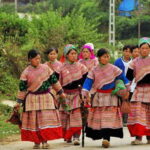
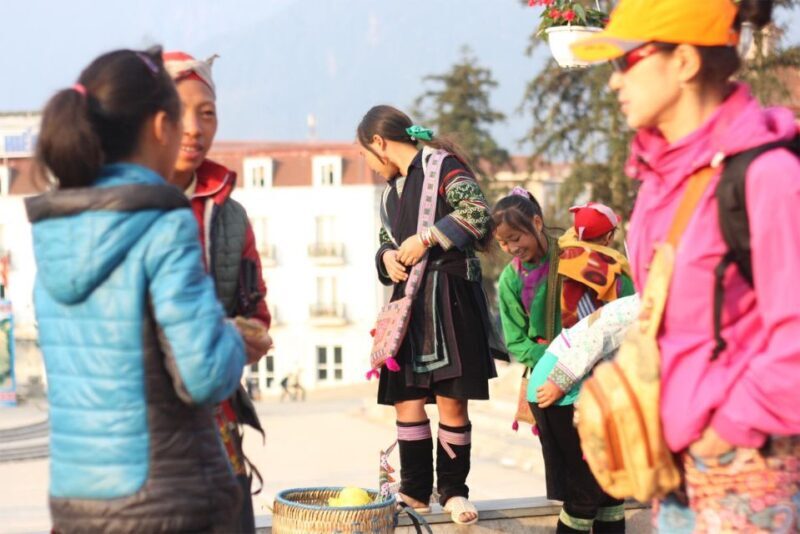
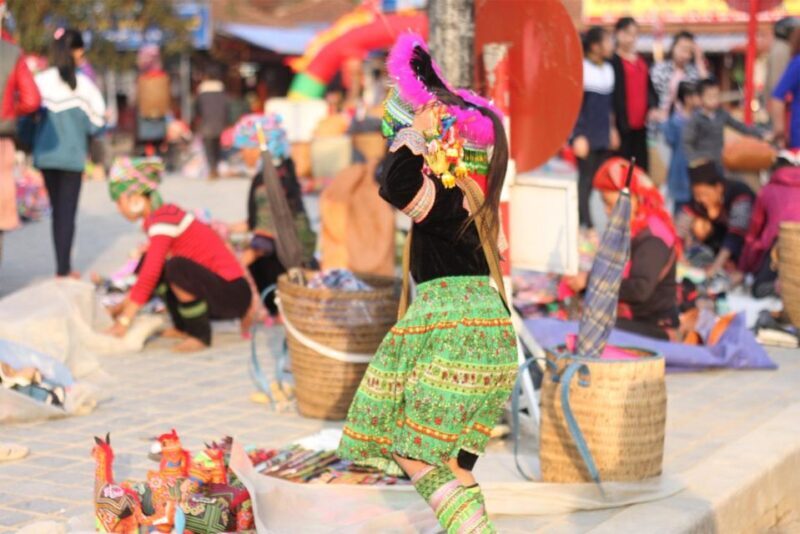
- Cultural immersion: Meet ethnic minorities—Hmong and Giay tribes—and learn about their customs.
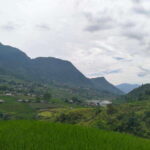
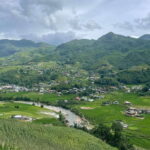
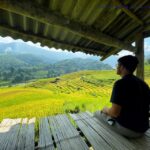
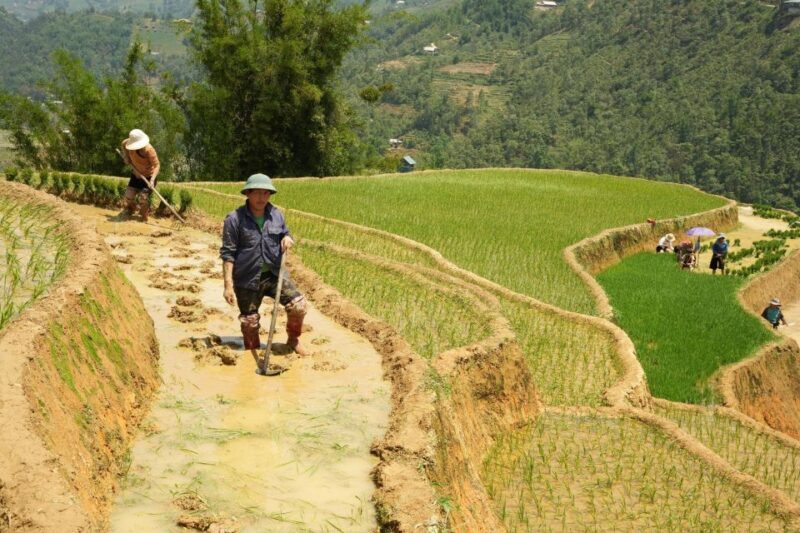
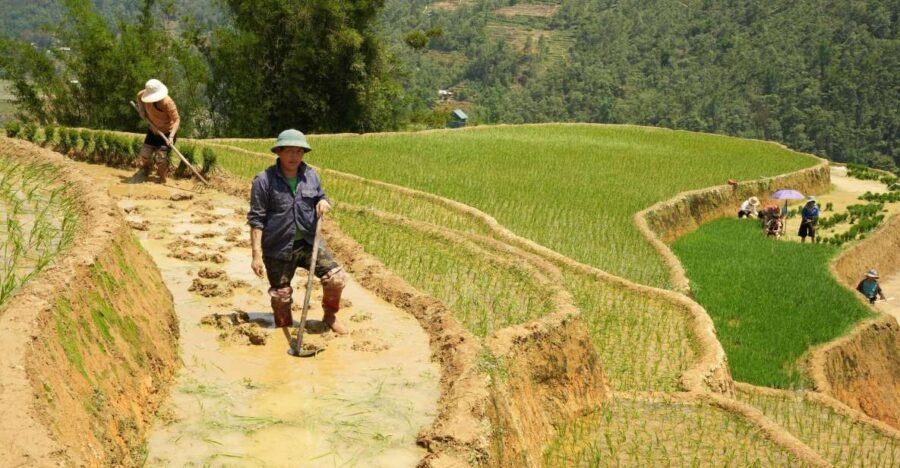
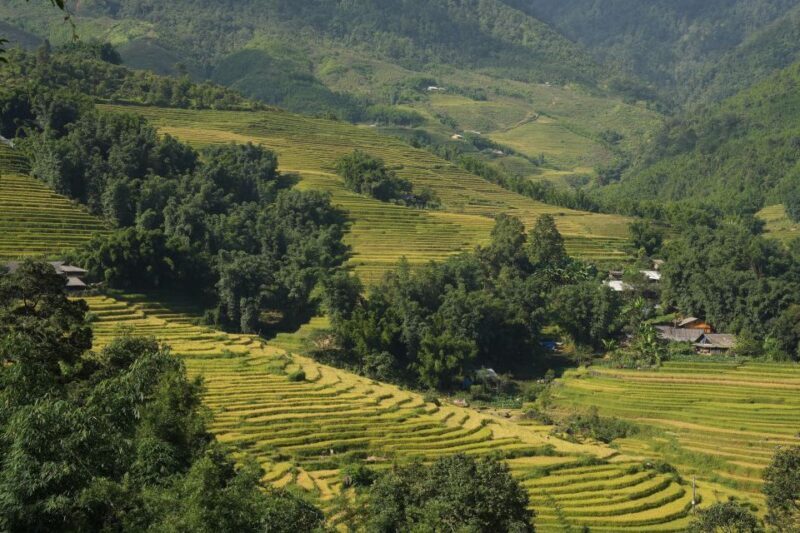
- Spectacular views: The rice terraces and mountain vistas are breathtaking and photographically rewarding.
- Homestay experience: Stay overnight with local families, enjoying home-cooked meals.
- Guided expertise: A friendly, knowledgeable guide enhances the experience with insights and local stories.
An In-Depth Look at the Tour Experience
You can also read our reviews of more evening experiences in Sa Pa

The Itinerary Breakdown
Day 1: Sapa to Y Linh Ho, Lao Chai, and Ta Van
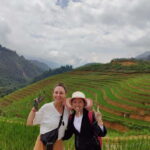
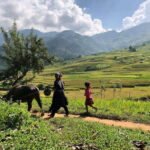
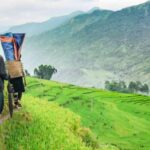
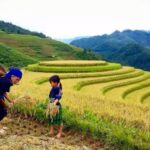
The adventure begins with a pick-up in Sapa around 1:00–2:00 pm. You’ll be transported to the starting point, then set off on foot toward Y Linh Ho, a village inhabited by the Hmong minority. Here, you’ll see terraced fields that have been passed down through generations—some over 100 years old—and are still in active use. The terrain is steep but manageable with steady footing, and the views are nothing short of remarkable.
From Y Linh Ho, you’ll move on to Lao Chai, where a brief rest and local drinks invite you to soak in the scenic backdrop before heading toward Ta Van, a village home to both the Hmong and Giay communities. Arriving at Ta Van offers a chance for real cultural exchange, especially since you’ll stay in a local homestay—a genuine taste of rural life. The host family will greet you warmly, and you’ll enjoy a traditional dinner featuring local dishes, which is a highlight for many travelers.
Day 2: Trek to Giang Ta Chai and Return to Sapa
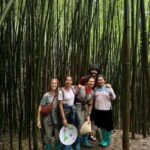
The morning begins with a rustic breakfast—think pancakes, tea, or coffee served outdoors amid rice paddies. You might find the sight of pigs and roosters waking you up a bit too early, but it’s part of the charm. The trek continues through a bamboo forest and past the Silk Waterfall, leading toward Giang Ta Chai village, home to the Red Dzao people.
Here, the trail offers a spectacular blend of nature and culture. The group pauses for a picnic lunch with yet more incredible views. Afterward, you’ll head back toward the main road, then hop into a vehicle to return to Sapa town around 2:00 pm. This completes a well-rounded, physically demanding, but deeply rewarding journey.
What’s Included & What’s Not
You’ll get local guidance fluent in English and Vietnamese, which is essential for truly understanding the local culture. Meals are provided—one dinner, one lunch, and one breakfast—all featuring local dishes that showcase regional flavors. Entrance tickets are covered, making budgeting straightforward.
However, drinks, personal expenses, insurance, and VAT are extra. A single supplement applies if you’re traveling solo and prefer your own room. Notably, during the Lunar Tet holiday period, there’s a surcharge of $25 per person, payable in cash, reflecting the high demand and festive pricing.
Transportation & Group Dynamics
The tour starts with a pick-up from several central locations in Sapa, including hotels and bus stations, ensuring flexibility. The transfer to the trekking start point is about 20 minutes on a scooter, then a 2-hour walk kicks off the adventure. The group size tends to be manageable, and the guide’s friendly approach is often highlighted in reviews.
More Great Tours NearbyAuthenticity & Cultural Insights
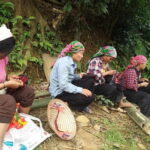
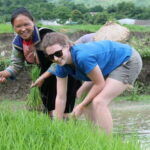
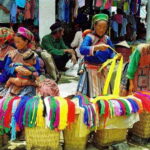
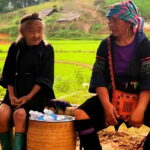
One of the tour’s standout features is the chance to see how traditional rice terraces are cultivated and to meet local families in their homes. Guests consistently mention the warm hospitality and the opportunity to see real village life—not just staged performances for travelers.
You can also read our reviews of more hiking tours in Sa Pa

The Challenges and Considerations
The trek is labeled as ‘hard,’ so it’s best suited for physically fit travelers comfortable with steep, uneven terrain. Some reviews mention the trek being demanding, especially for those unprepared for long walks with elevation change. Also, because it’s an outdoor experience, weather can be a factor—rain can make paths slippery, so proper footwear is essential.
Why This Tour Offers Great Value
At $72 per person, including meals, entrance fees, and a homestay, the price offers excellent value for enjoying the authentic hill tribe culture and scenery. Instead of superficial visits, you get to live alongside local families and see their daily routines, making it a meaningful experience rather than just sightseeing.
The quality of the guides and the stunning views make it worthwhile, especially for those who enjoy a physical challenge paired with cultural discovery. While the tour is not suited for everyone—particularly those with mobility issues or altitude sickness—it delivers a genuine, heartfelt look at Sapa’s rural life and spectacular landscapes.
Who Should Consider This Tour?
This trip is perfect for adventurers who want more than a scenic drive, for culture lovers eager to see ethnic minorities in their natural environment, and for fit travelers prepared for a demanding trek. If you’re looking for a rustic, authentic experience with a chance to stay overnight in a local home, this tour hits the mark.
However, if you prefer gentle walks or have mobility concerns, you might want to consider alternative options. The tour also suits those interested in photography, thanks to the stunning terraced landscapes and village scenes.
FAQs
Is this tour suitable for children?
Since the trek is ‘hard’, it’s better suited for teenagers and adults who are physically prepared for steep walking. Younger children or those with mobility issues may find it challenging.
What should I bring for the trek?
Good walking shoes, lightweight and moisture-wicking clothing, a hat, sunscreen, and a rain jacket are advisable. Don’t forget a camera for the stunning views.
Are meals vegetarian-friendly?
The tour features local dishes; while not explicitly specified, most traditional meals in Vietnam include meat. It’s best to inquire beforehand if you have dietary restrictions.
How many people are in a group?
The tour typically operates with small groups—around 2 to a few dozen—ensuring a personalized experience, guided by a friendly local.
Can I book this tour on short notice?
Availability varies; it’s best to check current availability and reserve in advance. The tour offers flexible cancellation up to 24 hours before.
What if I get tired during the trek?
You can take breaks as needed, and the guide will accommodate reasonable pacing. There are opportunities for rest at key points.
Is transportation included both ways?
Yes, the pick-up and drop-off from central Sapa locations are included, making logistics hassle-free.
Can I extend my stay in Sapa after the tour?
Absolutely. Many travelers use this trip as a base to explore further, including additional treks or visits to local markets.
Is the homestay comfortable?
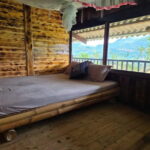
While accommodations are rustic and basic, they’re warm, clean, and provide a genuine taste of rural life, with shared bathrooms and local hospitality.
Sapa hard trekking villages and homestay 2 days 1 night trip
Final Thoughts
This 2-day hard trek through Sapa’s villages offers an authentic glimpse into the lives of hill tribes, combined with breathtaking scenery and a chance to stay in local homes. It’s a fantastic choice for those who enjoy physical activity and are eager to connect with Vietnam’s cultural fabric beyond the tourist spots.
While the trek’s difficulty level isn’t for everyone, the reward of stunning views and warm local hospitality makes it a memorable highlight for many travelers. If you’re prepared for a challenging but deeply rewarding journey, this tour will leave you with stories and images that last long after you leave the rice terraces behind.
To sum it up, this tour provides excellent value for a truly immersive experience in Sapa. It’s most suitable for adventurous, culture-hungry travelers who want to walk among the locals and see the real Vietnam. With knowledgeable guides, spectacular scenery, and authentic homestays, it offers an adventure that’s hard to match for those up for the challenge.
You can check availability for your dates here: