If you’re eager to get a real taste of Ghana beyond the usual tourist spots, the Savor & Learn: Authentic Ghanaian Cooking Experience offers a chance to step into the heart of Ghanaian culinary traditions. While we haven’t personally tried the class, reviews and detailed descriptions paint a vivid picture of a genuinely engaging and tasty experience in Accra.
What sets this tour apart? First, the hands-on nature of the cooking class, where you don’t just watch but actively prepare iconic dishes. Second, the insights into local ingredients and techniques—a great way to deepen your understanding of Ghanaian food culture.
But, a possible consideration? Since the class takes place at a designated kitchen in Accra, travelers should plan for transportation and arrive ready to get their hands dirty.
This experience suits foodies, curious travelers, and anyone interested in authentic Ghanaian cuisine who enjoys a social, interactive environment. If you’re looking for a meaningful, edible souvenir from Ghana, this tour offers more than just a meal—it’s a culinary lesson and cultural connection rolled into one.
- Key Points
- Introduction: What This Cooking Class Brings to the Table
- What to Expect: A Step-by-Step of the Ghanaian Cooking Experience
- The Food: What You’ll Learn to Cook and Why It Matters
- The Communal Meal: Sharing Flavors and Stories
- Pricing and Value: Is It Worth It?
- Practical Details: Getting Ready for Your Class
- The Sum Up
- FAQ
- The Best Of Accra!
- More Cooking Classes in Accra
- More Tour Reviews in Accra
Key Points
 1 / 9
 2 / 9
 3 / 9
 4 / 9
 5 / 9
 6 / 9
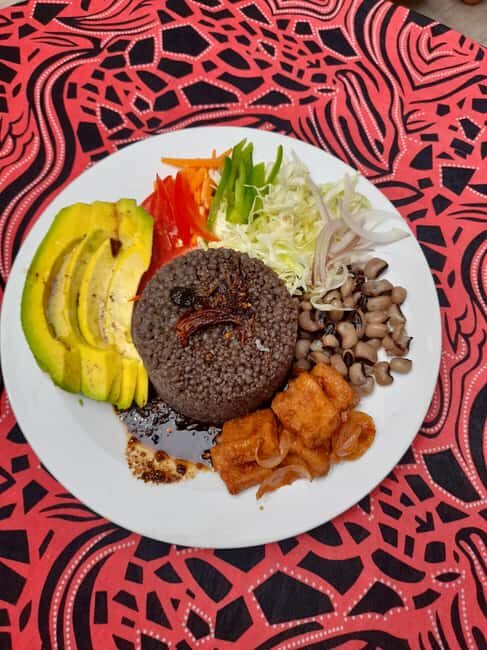 7 / 9
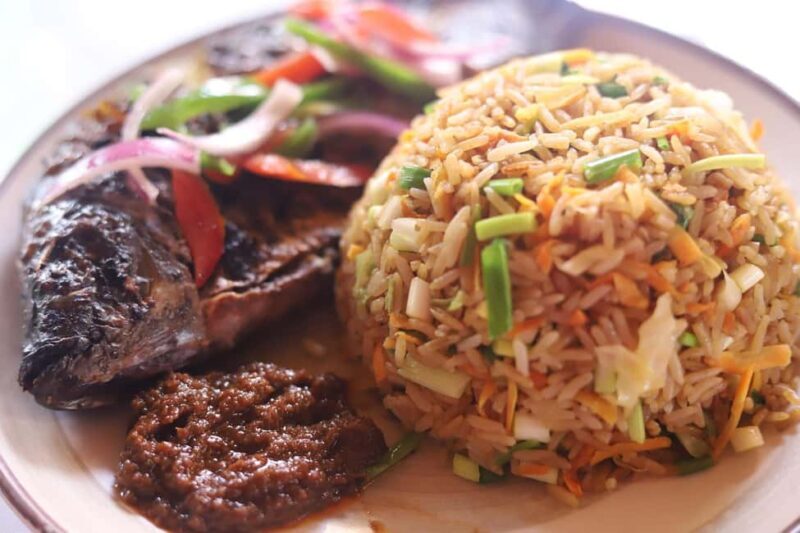 8 / 9
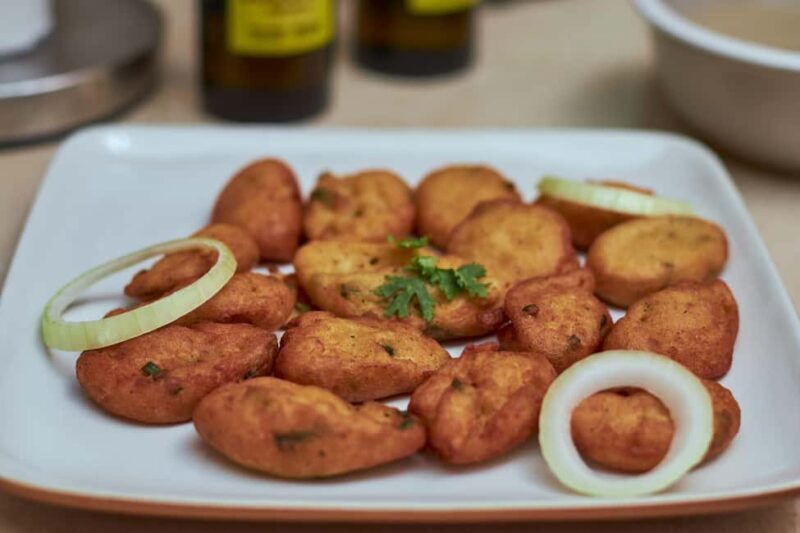 9 / 9
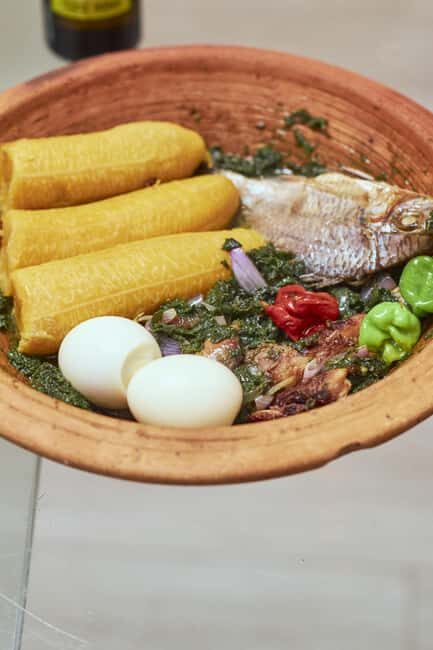
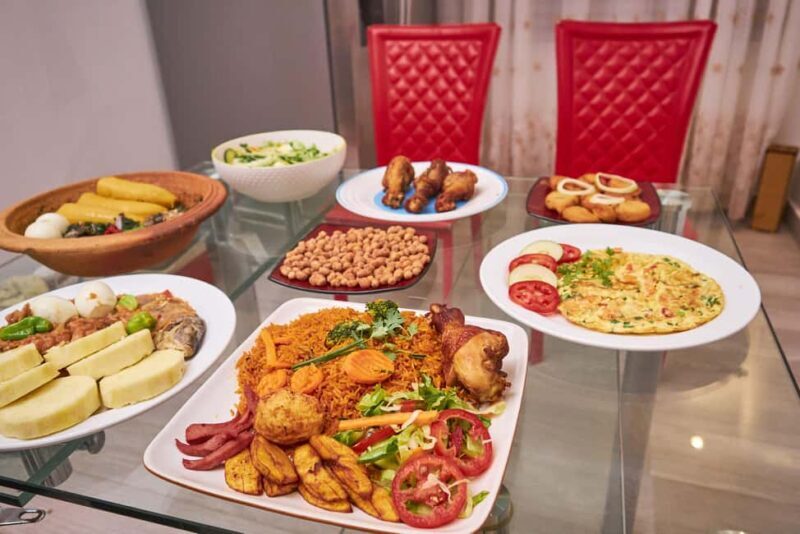
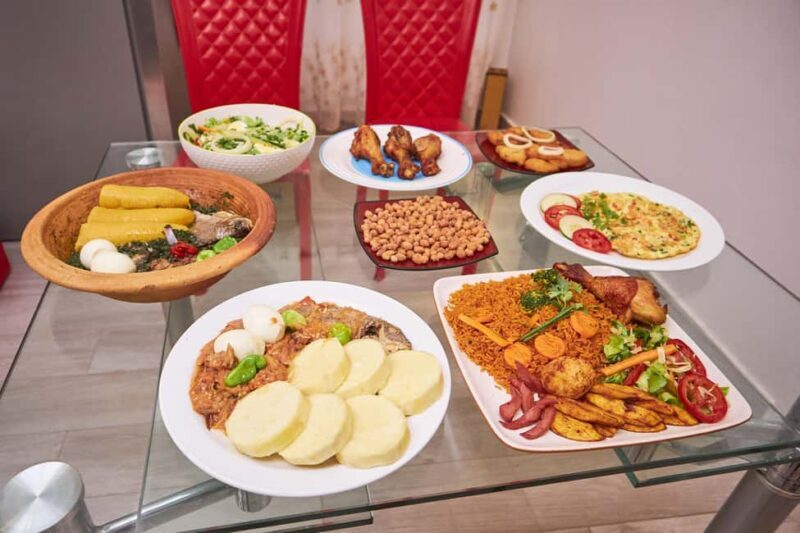
Authentic culinary experience: Learn to make traditional Ghanaian dishes like jollof rice and banku.
Cultural insights: Gain understanding of ingredients, techniques, and the stories behind each dish.
Interactive process: The hands-on format ensures you’re actively involved, not just watching.
Communal dining: Enjoy your creations with fellow participants, sharing stories and laughter.
Recipe takeaway: Leave with recipe cards to recreate Ghanaian flavors at home.
Small group size: Personalized attention from an expert chef makes this more than a class—it’s a memorable experience.

👉 See our pick of the Accra’s 14 Best Tours & Things To Do
Introduction: What This Cooking Class Brings to the Table
If you’re a fan of food that tells a story, this Ghanaian cooking experience is designed just for you. While not a sightseeing tour or a history lesson, it offers a different kind of journey—one that revolves around flavor, technique, and community.
We love the emphasis on local ingredients sourced from Accra’s markets—it’s a reminder that good food starts with quality, fresh produce. The chance to prepare multiple iconic dishes like jollof rice and banku is also appealing: these are staples that reveal the soul of Ghanaian cuisine.
A small drawback? The class takes place at a specific venue in Accra, which means you’ll need to arrange your transportation. Also, it’s geared toward adults and those with no dietary restrictions, so parents with kids under 10 or folks with food allergies should consider this before booking.
This experience suits travelers who want to go beyond sightseeing and get their hands dirty in the kitchen, learning authentic techniques and sharing a meal with others who love good food.
You can also read our reviews of more cooking classes in Accra

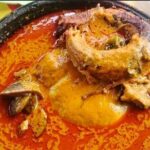
What to Expect: A Step-by-Step of the Ghanaian Cooking Experience
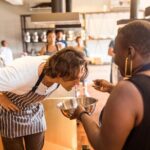
When you arrive at the welcoming kitchen in Accra, you’ll be greeted by a friendly chef eager to share Ghana’s culinary secrets. Expect a warm, informal atmosphere where questions are encouraged and participation is encouraged.
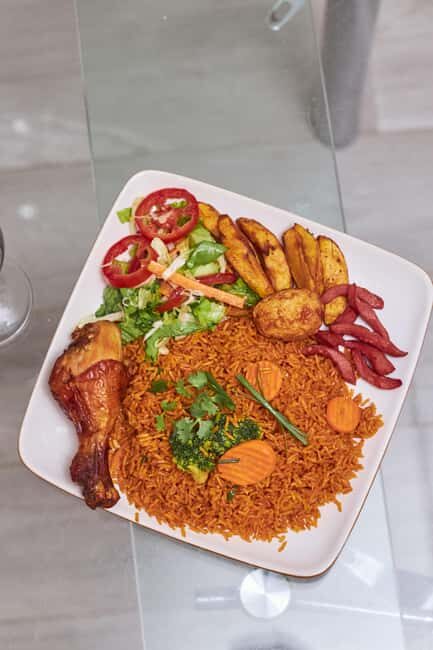
The class centers around preparing several signature dishes. First, you’ll learn the art of making jollof rice, a West African staple known for its vibrant tomato flavor and smoky aroma. The chef will guide you through the process, sharing tips on achieving the perfect balance of spices and rice texture. This is a dish many travelers find surprisingly straightforward—yet full of subtle techniques that elevate it from simple to spectacular.
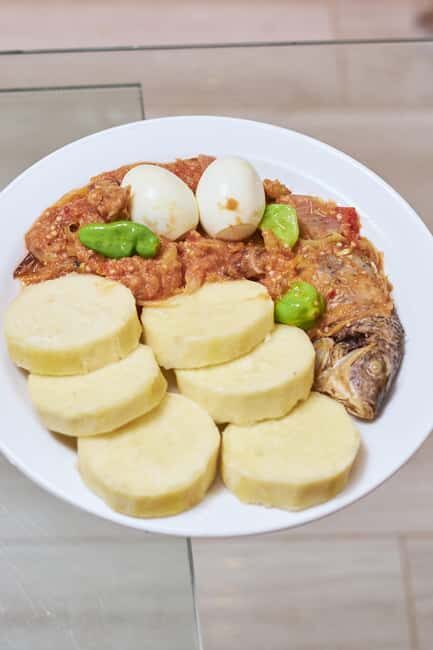
Next, you’ll work on banku, a fermented corn and cassava dough served with flavorful soups like groundnut or light soup. Making banku involves fermenting and cooking the dough, which offers insights into Ghanaian food preservation and fermentation practices. As you chop yams, plantains, and aromatic spices, the chef will share stories about their cultural significance.
Throughout the class, you’ll learn the importance of ingredients like aromatic spices, plantains, yams, and their role in Ghanaian life. The chef’s explanations help you understand not just how to cook, but why these ingredients matter—adding depth to your appreciation of the cuisine.
Once all dishes are prepared, everyone gathers around a communal table to enjoy the fruits of their labor. Sharing these freshly cooked dishes with fellow participants creates a friendly, lively atmosphere that enhances the experience. You’ll taste delicious, tapas-style plates—each bite offering a glimpse of Ghana’s culinary soul. Many reviews highlight how satisfying it is not just to learn the recipes but to enjoy the vibrant flavors in a social setting.
At the end, you’ll receive recipe cards to recreate your newfound favorites at home, making this more than just a one-time experience. The entire session typically lasts around a few hours, making it a manageable yet fulfilling addition to your Ghanaian adventure.
The Food: What You’ll Learn to Cook and Why It Matters
Jollof rice is probably the most recognizable dish you’ll prepare. Known for its deep red color and smoky flavor, it’s a staple across West Africa, with each country claiming the best recipe. Ghanaian jollof is noted for its balanced spices and perfectly cooked rice, making it an ideal entry point for beginners and seasoned cooks alike.
Banku is another highlight—this fermented corn and cassava dough served with flavorful soups. Making banku introduces you to Ghanaian fermentation techniques, which are key to understanding their traditional cuisine. Many visitors appreciate how making banku gives them a new appreciation for food preservation and preparation methods typical of the region.
The class also covers traditional soups, such as groundnut soup or light soup, which are essential accompaniments. These soups are often spicy, aromatic, and packed with flavor, providing a perfect pairing for the starchy main dishes.
Throughout the process, the chef shares interesting tidbits—like the significance of ingredients like plantains, yams, and spices—helping you see these foods as part of Ghanaian life rather than just ingredients. Many reviews mention the enjoyment of sharing stories and hearing about the cultural importance of each dish.
The Communal Meal: Sharing Flavors and Stories
After all the chopping, stirring, and simmering, the best part arrives: sitting down together to eat what you’ve made. The communal dining experience is a big part of the charm here. You’ll taste the dishes you prepared, often described as delicious and satisfying.
Sharing a meal in this setting isn’t just about the food—it’s about creating connections. Many reviews say that the lively atmosphere, combined with good company and stories from the chef, makes this a highlight of their trip. Whether it’s the stories behind each dish or simply enjoying freshly cooked Ghanaian tapas-style plates, you’ll leave with more than just recipes—you’ll take home a sense of cultural understanding.
More Great Tours NearbyPricing and Value: Is It Worth It?
At $179 per person, this cooking experience might seem a bit on the higher side for some travelers. However, when you consider what’s included—a hands-on class, multiple dishes prepared, a communal meal, recipes to take home, and cultural insights—the value becomes clearer. You’re not just paying for a meal, but for a meaningful, educational experience that teaches skills you can replicate at home.
Many reviewers mention the quality of instruction and the small group size, which ensures personalized attention. The opportunity to learn authentic techniques directly from an expert chef enhances the value further. Plus, the recipes and stories add an enriching layer that goes beyond tasting.
Remember, this isn’t just a cooking class; it’s a cultural exchange, an immersive experience that offers a real taste of Ghanaian life. For anyone interested in food as a way to connect with culture, this is a worthwhile investment.






Practical Details: Getting Ready for Your Class
Reservations can be made with flexible payment options—book now and pay later if you prefer. The class takes place at a designated kitchen in Accra, and detailed meeting instructions are provided after booking.
Participants should wear comfortable shoes and clothes, as you’ll be actively involved in the cooking process. The class isn’t suitable for children under 10 or those with food allergies, so plan accordingly.
Small groups mean you’ll get plenty of attention from the chef, making the experience more personalized. It generally lasts a few hours, fitting comfortably into a day’s schedule.
Transportation to the venue is not included, so consider arranging a taxi or ride-share. Bringing along an appetite is highly recommended—come hungry to enjoy the full range of delicious dishes.
The Sum Up
This Ghanaian cooking experience offers a taste of more than just food—it’s an invitation to understand and appreciate Ghanaian culture through its flavors. The hands-on nature, coupled with cultural stories and communal dining, makes it an authentic, memorable activity for curious travelers. The ability to learn recipes and techniques from a local chef means you’ll leave with culinary skills and stories to share long after your trip ends.
It’s especially suited for food lovers and those who enjoy engaging, practical experiences that go beyond sightseeing. If you’re eager to connect with Ghanaian traditions in an interactive way, this tour provides a wonderful platform.
While the price might be a consideration for budget travelers, the quality of instruction, the authentic ingredients, and the community atmosphere make it a solid value for anyone wanting a real taste of Ghana. It’s a chance to turn your visit into a flavorful adventure you won’t forget.
Savor & Learn: Authentic Ghanaian Cooking Experience
FAQ
What dishes will I learn to make?
You’ll prepare Ghanaian staples like jollof rice, banku, and traditional soups such as groundnut or light soup.
Is the cooking class suitable for beginners?
Yes, the class is designed to be accessible for all skill levels, with step-by-step guidance from an expert chef.
Do I need to bring anything?
Comfortable shoes and clothes are recommended. All ingredients and equipment are provided.
Can I participate if I have dietary restrictions?
It’s best to inform the organizers in advance. The tour is not suitable for people with food allergies or dietary restrictions.
How long does the experience last?
The class typically lasts a few hours, providing ample time to learn, cook, and enjoy your meal.
Is transportation included?
No, transportation to the venue is not included, so plan accordingly to arrive at the specified location.
In the end, if you’re looking for a fun, authentic way to experience Ghanaian cuisine—and don’t mind getting a little messy—this cooking class could be the highlight of your culinary journey.
You can check availability for your dates here: