If you’re dreaming of setting foot at the foot of the world’s tallest mountain, this 10-day Everest Base Camp trek offers a manageable yet fulfilling adventure. We’ve looked into what makes this tour stand out, and it’s clear that it appeals to travelers seeking stunning Himalayan vistas, authentic Sherpa culture, and a well-organized route.
Two things we particularly appreciate about this trek are the careful planning that balances physical challenge with comfort and the consistently positive reviews praising knowledgeable guides and breathtaking views. One possible consideration is that, at $1,400 per person, the price is quite competitive but still involves some extra costs, such as optional porters or personal gear.
This trek is ideal for those who want a high-value, authentic Everest experience without the extreme logistical hassle or the need for mountaineering expertise. If you’re reasonably fit, eager to see iconic Himalayan peaks, and want a guided adventure that includes local culture, this could be a perfect fit.
- Key Points
- A Deep Dive into the Everest Base Camp Experience
- Starting with the Flight to Lukla
- Day 2: From Phakding to Namche Bazaar
- Day 3: Ascending to Tyangboche
- Days 4 and 5: Into the Imja Valley and Lobuche
- The Reward: Everest Base Camp and Kala Patthar
- Returning via Pheriche and Namche
- Practical Details & Experience
- What the Reviews Say
- The Value of the 10-Day Everest Trek
- Who Should Consider This Trek?
- Final Thoughts
- FAQ
- More Hiking & Trekking Tours in Kathmandu
- More Tour Reviews in Kathmandu
Key Points
- Affordable and well-reviewed: The tour has a perfect 5-star rating from 8 travelers, emphasizing value and quality.
- Expert guides and local insight: Guides like Mohan and Padam are praised for their knowledge and friendly demeanor.
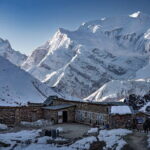
- Stunning mountain scenery: Expect views of Everest, Lhotse, Makalu, Nuptse, and more, along with iconic peaks like Ama Dablam.
- Comprehensive itinerary: The schedule balances challenging days with cultural stops and scenic highlights, including Everest Base Camp and Kala Patthar.
- Authentic Sherpa culture: Visits to villages like Namche Bazaar and Tyangboche give a taste of local life and monasteries.
- Includes all necessary permits and arrangements: Simplifies planning and ensures smooth travel.
A Deep Dive into the Everest Base Camp Experience
You can also read our reviews of more hiking tours in Kathmandu
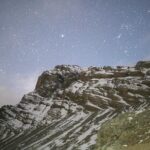
Starting with the Flight to Lukla
The journey begins with a short but scenic flight from Kathmandu to Lukla, often praised for its spectacular mountain views. The flight is a highlight, offering your first glimpse of the Himalayas from the air. Once in Lukla, the trek officially kicks off with about 3.5 hours of walking to Phakding.
Travelers who’ve done similar treks note that the flight is an adventure in itself, and the small Lukla airport is a memorable, if slightly nerve-wracking, experience. The walk from Lukla to Phakding provides a gentle start, with lush forests and the Dudh Koshi river running alongside.
Day 2: From Phakding to Namche Bazaar
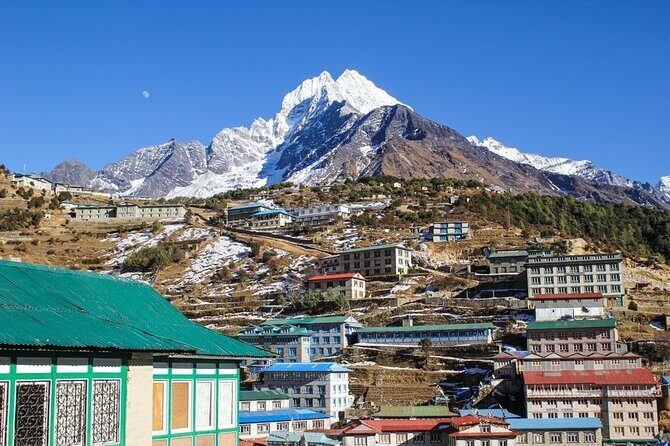
The trek from Phakding to Namche Bazaar takes around 6 hours and involves crossing suspension bridges, walking along the riverbank, and climbing into the Sherpa heartland. The trail along the Dudh Koshi is scenic, with the occasional glimpse of mountain peaks.
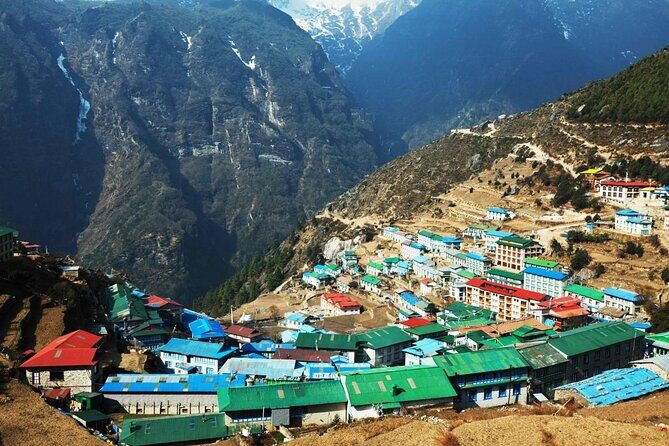
Travelers rave about Namche, calling it the “gateway to Everest” and noting the buzz of activity, local markets, and lively cafes. This is a perfect place to acclimatize, as the altitude here is 3,440 meters.
Day 3: Ascending to Tyangboche
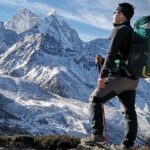
The hike from Namche to Tyangboche takes about five hours and offers breathtaking mountain views, including Mt. Everest, Ama Dablam, and Nuptse. Tyangboche’s monastery, perched above the valley, provides a panoramic backdrop for sunrise and sunset.
Reviewers mention the spectacular vistas and the chance to visit the monastery, which is a cultural highlight. The trail features a steep section and passes through rhododendron forests, adding to the natural beauty.
Days 4 and 5: Into the Imja Valley and Lobuche
As we move higher, the landscape becomes more stark and dramatic. Dingboche, at 4,260 meters, is a popular acclimatization stop, with views of peaks like Ama Dablam. From there, the trek to Lobuche offers views of Tawache, Pokalde, and the great wall of Nuptse.
Travelers highlight the panoramic mountain scenery and the sense of approaching the Himalayas’ ultimate challenge. The trail here is mostly gentle but long, with about 5.5 hours walking on Day 5.

The Reward: Everest Base Camp and Kala Patthar
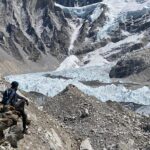
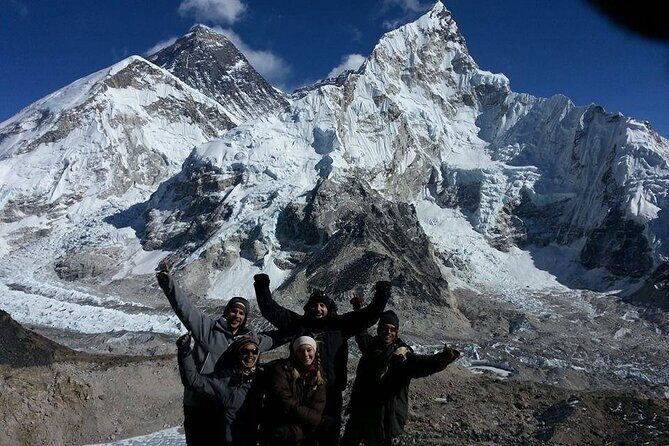
The main attraction is the walk to Everest Base Camp, a rocky, glacier-strewn landscape where the legendary climbers once gathered. The route winds through the Khumbu glacier, with views of Nuptse and Khumbutse. Reaching the Base Camp is an emotional milestone, often described as a “once-in-a-lifetime” moment.
The climb to Kala Patthar on the following day is highly recommended for its up-close views of Everest. From 5,545 meters, you’ll see Mt. Everest, Pumori, and Nuptse—spectacular photo opportunities and a profound sense of accomplishment.
Returning via Pheriche and Namche
The trek back follows familiar paths, with stops at villages like Khumjung and Khunde, where you can observe Sherpa traditions and even see the legendary Yeti scalp at the monastery. The return journey is about 7 hours to Lukla, ending the trek on a high note with a sense of achievement.
Practical Details & Experience
The group size is limited to 15, ensuring a more intimate experience with your guides and fellow trekkers. The tour includes all permits, airport transfers, and accommodations in lodges, making logistics straightforward.
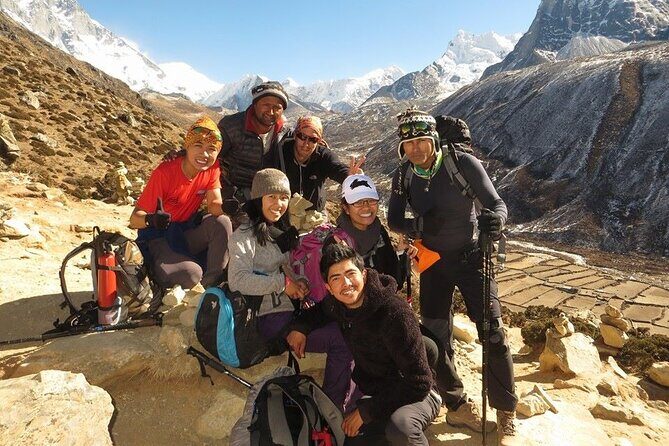
The guides, such as Mohan and Padam, are consistently praised for their expertise, friendliness, and ability to handle emergencies—a crucial factor at high altitudes.
What the Reviews Say
Many travelers mention how well-organized the tour is, with delicious food, comfortable lodges, and attentive guides. One reviewer states, “Everything was taken care of by our guide, AJ,” emphasizing the hassle-free nature of the trip.
Others rave about the spectacular mountain views and the cultural visits, such as monasteries and local villages. The authentic Sherpa experience adds depth to the journey beyond just the scenery.
The Value of the 10-Day Everest Trek
At $1,400 per person, this trek offers a remarkable balance of affordability and quality. For comparison, many similar tours are more expensive or require longer durations. This is a shorter, manageable itinerary that still hits the main highlights—Everest Base Camp, Kala Patthar, Namche Bazaar—without rushing.
The all-inclusive price covers domestic flights, permits, accommodations, guides, and government taxes. Optional costs like porters are available but not compulsory, and the tour arranges emergency helicopter rescue, providing extra peace of mind.
This setup is perfect for travelers who want authentic mountain scenery, cultural insights, and a well-supported trip without the hassle of planning every detail themselves. The reviews consistently praise the guides’ knowledge, which makes a significant difference in navigating the unpredictable high-altitude environment.
Who Should Consider This Trek?
This tour is best suited for active travelers with a reasonable level of fitness. It’s not a casual walk; the days are long and involve significant elevation gain. However, it’s accessible enough for most people in good health who are prepared for high-altitude trekking.
If you’re after a cost-effective, well-organized, and culturally rich adventure that captures the essence of Everest without the mountaineering demands, this trek will serve you well.
Final Thoughts
This 10-day Everest Base Camp trek offers a genuine and rewarding experience, from flying over the Himalayas to standing at the base of the world’s tallest mountain. The tour’s highlights—stunning vistas, expert guides, and authentic Sherpa culture—are backed by positive traveler reviews that emphasize value, safety, and memorable vistas.
While the trek involves some long walking days and altitude challenges, the well-planned itinerary and professional guides make it manageable and enjoyable. It’s ideal for active travelers eager to tick off a major bucket list item with confidence.
If you’re looking for a balancing act of adventure, culture, and scenic beauty, this tour provides an excellent option. Remember, the best experiences often come from well-organized trips with knowledgeable guides, and this one seems to tick all those boxes.
Short Everest Base Camp Trek 10 Days
FAQ
Is this trek suitable for beginners?
While it’s accessible for most healthy, active individuals, the high altitude and long days mean you should have a decent fitness level and be prepared for some physical exertion.
What’s included in the price?
The tour covers flight fares (Kathmandu to Lukla and return), all accommodations, permits, airport transfers, government taxes, and a knowledgeable guide. Meals during the trek are not included but can be purchased at lodges.
Are porters available?
Porters are available at an extra cost, with a ratio of one porter for two people, which can help lighten your load.
How do I handle altitude sickness?
The itinerary is designed to allow acclimatization days, especially at Namche and Dingboche. Guides are experienced in managing high-altitude issues and carry emergency protocols.
What is the best time of year for this trek?
While not explicitly stated, typical trekking seasons are spring and autumn when weather conditions are most stable.
How physically demanding is this trip?
The trek involves walking 5-8 hours on some days, often at high elevation, so good physical fitness and mental toughness are recommended.
Are there vegetarian options?
Most lodges serve a variety of meals, including vegetarian dishes. Specific preferences should be communicated in advance.
What if I need medical help?
The tour includes access to Himalayan Rescue Association Aid Post at Pheriche, with volunteer doctors on site. Emergency helicopter evacuation is arranged if necessary.
How do I prepare for the altitude?
Gradual ascent, hydration, and rest are key. The tour’s pace and acclimatization days are designed to mitigate altitude risks.
What’s the typical group size?
Tours are limited to 15 travelers, ensuring more personalized attention from guides.
This Everest Base Camp trek is a well-rounded choice for those wanting an authentic Himalayan adventure with professional support and stunning scenery. Whether it’s your first high-altitude trek or a repeat visit, it promises a memorable journey into the heart of Nepal’s mountains.