Climbing Mount Kilimanjaro via the Lemosho route is a journey many adventurers dream about, and this 7-day small-group tour from Arusha offers an excellent way to realize that dream. While we haven’t personally trekked it, the reviews and itinerary reveal a well-organized, rewarding ascent that balances challenge with comfort.
If you’re a fit traveler craving breathtaking views, a supportive crew, and a route that offers better acclimatization, this might be your ideal Kilimanjaro experience.
What we love most are the experienced guides who keep safety and morale high, and the diverse landscapes that change dramatically over the course of a week. The value for money is notable, especially given the comprehensive inclusions, from permits to meals. However, with a price tag of $2,400, you’ll want to be prepared for the physical effort and the early mornings that come with summit attempts.
This tour suits those who are reasonably fit, eager for an off-the-beaten-path adventure, and interested in a route that offers fewer crowds than Marangu or Rongai.
- Key Points
- Introduction: Your Kilimanjaro Journey Awaits
- The Itinerary in Depth
- Day 1: From Moshi to Kilimanjaro’s Forests
- Day 2: Into the Heath and Moorland
- Day 3: Crossing the Lava Tower and the South East Ridge
- Day 4: Barranco Wall and Karanga Valley
- Day 5: The South Circuit and the Approach to the Summit
- Day 6: The Summit Night
- Day 7: Descent and Celebration
- What’s Included and Not
- The Experience of the Guides and Crew
- The Challenge and the Rewards
- Who Should Consider This Tour?
- The Sum Up: Is This the Right Kilimanjaro Trek for You?
- FAQ
- The Best Of Arusha!
- More 7-Day Experiences in Arusha
- More Tour Reviews in Arusha
Key Points
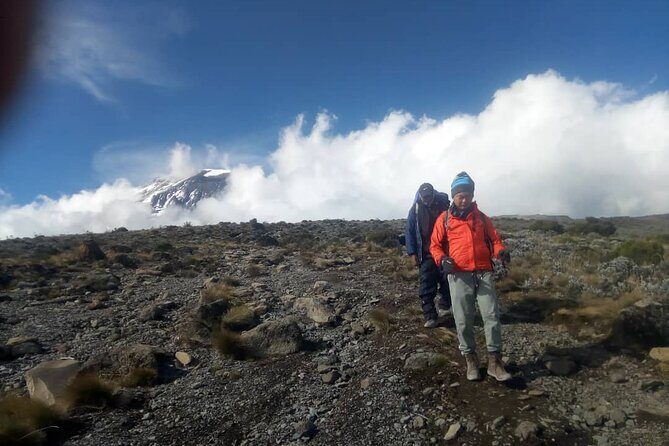
- Authentic experience with knowledgeable guides and a small group size enhances safety and camaraderie.
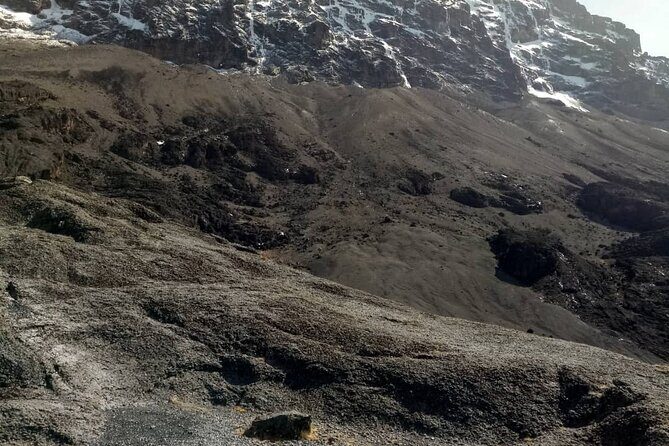
- Diverse landscapes from rainforest to alpine moorlands keep the trek visually engaging.
- The 7-day itinerary prioritizes acclimatization, increasing chances of summiting successfully.
- Comprehensive inclusions — permits, meals, camping gear, and park fees — add to the overall value.
- Challenging terrain like the Barranco Wall offers a memorable sense of achievement.
- The smooth logistical organization ensures you focus on the climb, not the planning.
👉 See our pick of the Arusha’s 7 Best Tours & Things To Do
Introduction: Your Kilimanjaro Journey Awaits
If you’re considering climbing Kilimanjaro, the Lemosho route offers a less crowded, more scenic alternative to the popular Marangu or Rongai paths. This 7-day journey is designed to maximize your chances of reaching the summit while giving you ample time to acclimate and enjoy the stunning scenery. The route begins on the western side of the mountain, crossing lush rainforest belts and then transitioning into striking moorlands—each phase providing a new set of sights and challenges.
We’re impressed by the detailed planning behind this tour, especially how it balances adventure with comfort. The small-group format, limited to just six travelers, means you’ll get more personalized attention from your guides, which can be a big help in such an intense experience. Plus, the included services—permits, meals, camping equipment—help keep the adventure straightforward and stress-free.
One consideration is the challenging terrain, especially around Barranco Wall and the scree slopes near the summit. This route is definitely more demanding than the easier Marangu trail, making it suited for those with good fitness levels looking for a true trekking experience. Overall, if you’re after a genuine, well-supported climb with authentic local guides, this tour ticks many boxes.
You can also read our reviews of more tours and experiences in Arusha
The Itinerary in Depth
Day 1: From Moshi to Kilimanjaro’s Forests
The adventure kicks off with a short 45-minute drive from Moshi through vividly colorful villages, setting the tone for your Tanzanian experience. Arriving at the Kilimanjaro National Park Gate, you’ll witness the hustle of park operations—porters preparing gear, guides organizing supplies—a glimpse behind the scenes of Kilimanjaro expeditions.
We loved the way the guides explain the local flora and fauna, making this initial walk both educational and scenic. Expect muddy, slippery trails, so gaiters and trekking poles are highly recommended here. The journey begins at 2,389 meters (7,838 feet) and gains about 396 meters during this first day, crossing into the rainforest zone. Expect around four hours of walking, with plenty of opportunities to soak in the lush greenery.
Day 2: Into the Heath and Moorland
After a hearty breakfast, the trail steadily ascends through the rainforest, breaking out into open terrain with views stretching across the Shira Plateau. The landscape transforms dramatically here, and you’ll notice the drop in humidity and temperature.
This day is crucial for acclimatization, gaining 1,110 meters in elevation, making it easier on your body for the higher climbs ahead. The eight-hour trek is longer but offers stunning vistas and the chance to spot wildlife and unique plant life. The scenery is memorable—ferns, ericas, and the vast plateau views.
Day 3: Crossing the Lava Tower and the South East Ridge
The third day’s highlight is the ascent to the Lava Tower, also called the Sharks Tooth, at 4,650 meters. The route here is less traveled, and you’ll pass through striking highland terrain. Importantly, this day emphasizes acclimatization; you gain only 91 meters but spend about seven hours on the move.
The trek involves passing the junction toward Kibo and then heading towards Barranco Camp for your overnight stay. The route’s complexity and the elevation gains make this a pivotal day for success.
Day 4: Barranco Wall and Karanga Valley
The ascent over the Barranco Wall is a favorite among seasoned trekkers. It’s a steep, rock-strewn section that requires some agility but offers an exhilarating sense of achievement. Watching your crew navigate it with apparent ease helps boost confidence.
Following this, you head to Karanga Camp, where you get closer to the alpine zones. The day involves about five hours of activity, and the landscape becomes more rugged and exposed. The wall’s challenge is well worth it for the impressive views and the camaraderie it fosters.
Day 5: The South Circuit and the Approach to the Summit
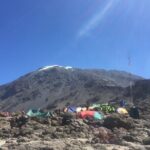
Reaching Barafu Camp is a significant milestone—you’ve now completed the South Circuit, providing panoramic views of the summit from various angles. This camp is the last major stop before the final push, so you’ll have an early dinner and prepare for the big night ahead.
The 5-hour trek up to this point is demanding but rewarding. The views of the summit from here are spectacular, and you’ll feel the anticipation building.
Day 6: The Summit Night
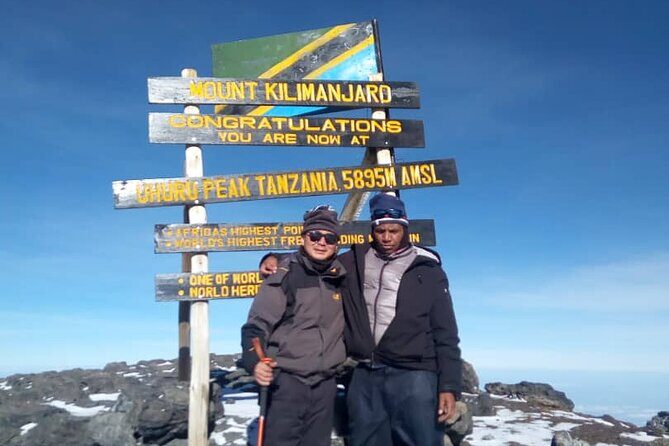
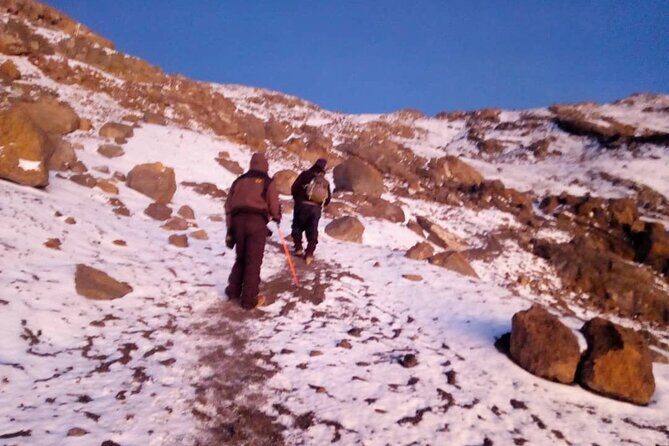
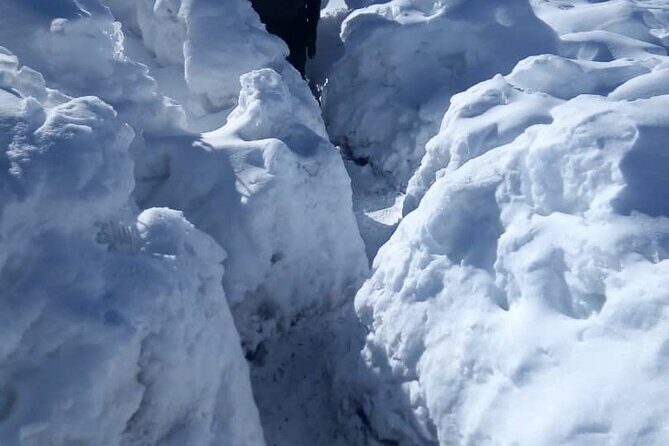
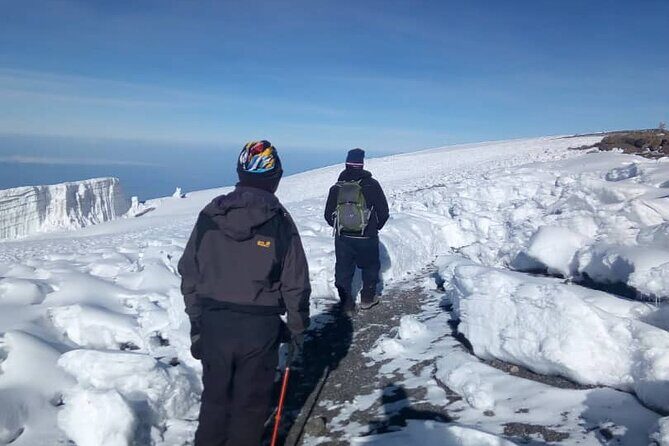
The most intense day begins around midnight. You’ll set off in the cold, battling snow and scree slopes to reach Stella Point for a breathtaking sunrise. Of course, the final hour to Uhuru Peak is steep, often snow-covered, but the sense of accomplishment makes every step worthwhile.
From multiple reviews, travelers mention the spectacular sunrise and the emotional high of standing at Africa’s highest point. The total ascent from Barafu is roughly one hour, but it involves a switchback course through heavy scree and snow.
Day 7: Descent and Celebration
After celebrating your success at the summit, you begin the descent to Mweka Camp and then to the Park Gate. Expect wet, muddy terrain and some steep sections—gaiters and poles will prove helpful here. The walk down takes about four hours, and you’ll finally receive your summit certificate.
The return drive to Moshi is a chance to reflect, shower, and enjoy a well-earned meal, often with a sense of camaraderie and pride. The reviews highlight the “long overdue hot shower,” a simple pleasure after days on the mountain.
What’s Included and Not
The tour’s price of $2,400 offers excellent value considering the comprehensive inclusions. You get all permits, park fees, professional guides, and porters, as well as mountain camping gear, meals, and water. This means you can focus on the climb without worrying about extras—great peace of mind.
Not included are flights, personal spending money, tips, and drinks outside of the provided meals. The meal quality has been praised, with some reviewers noting how good the food and snacks are during the trek.
The Experience of the Guides and Crew
Reviewers repeatedly commend the guides, especially mentioning Kenedy and Julius as outstanding leaders. Their knowledge, support, and professionalism seem to play a big role in making the climb not just manageable, but memorable. The crew’s strength and agility during challenging sections like Barranco Wall also impressed many.
The safety measures, including oxygen and pulse oximeters, give added reassurance, particularly for those concerned about altitude sickness.
The Challenge and the Rewards
While the route is more demanding than others, it’s exactly what appeals to those looking for a true trekking experience. The steep passages and rugged terrain require good fitness and determination, but the payoff is staggering views and a genuine sense of achievement.
Many reviews point out the excellent organization, from the timing of the ascents to the logistics at the camps. The acclimatization strategy, spread over seven days, increases the chances of summit success—a key consideration for anyone serious about reaching Uhuru Peak.
Who Should Consider This Tour?
This climb suits adventurous travelers with decent fitness levels who want an authentic Kilimanjaro experience away from crowds. It also appeals to those who value professional guides, good value for money, and a route that offers diverse landscapes and challenging terrain. If you’re after a less touristy, more scenic, and physically rewarding route, the Lemosho is an excellent choice.
The Sum Up: Is This the Right Kilimanjaro Trek for You?
If you’re looking for a well-organized, authentic Kilimanjaro adventure that balances challenge with support, this 7-day Lemosho route from Arusha is worth serious consideration. The small group size and dedicated guides ensure a personalized experience, while the diverse scenery and the focus on acclimatization make success achievable.
This tour offers great value, especially given the all-inclusive pricing, and provides a genuine, memorable journey up Africa’s highest peak. It’s ideal for travelers who are prepared to commit physically and want to truly enjoy each phase of the climb—rainforest, moorlands, glaciers, and finally, the summit.
Small-group 7-day Lemosho Route Kilimanjaro Climb from Arusha
FAQ
What is the difficulty level of this climb?
The Lemosho route is more challenging than some other routes like Marangu, mainly due to steep passages and rugged terrain. It’s best suited for travelers with good fitness and some trekking experience.
How long is each day’s hike?
Most days involve between 4 to 8 hours of walking, with the longest being Day 2, which takes around 8 hours. The final summit push is about 12 hours round-trip from Barafu Camp.
Are meals included during the trek?
Yes, meals are provided according to the itinerary, including breakfast, lunch, and dinner. Travelers have praised the quality and variety of food served on the mountain.
What gear should I bring?
While camping equipment and tents are provided, you should bring warm clothing, sturdy hiking boots, gaiters, trekking poles, and personal essentials like sunscreen and sunglasses.
Is this tour suitable for solo travelers?
Yes, the small-group format (max 6 people) makes it a good choice for solo travelers seeking a more intimate, supportive environment.
What’s the best time of year to climb Kilimanjaro with this tour?
While specific dates aren’t mentioned, Kilimanjaro climbs generally do best during dry seasons—around January to March and June to October—when weather conditions are more predictable.
How physically demanding is the summit day?
Very demanding; you’ll start at night in cold conditions, battling steep scree slopes and snow. But with proper acclimatization and support, many reach the top, as reflected in glowing reviews.
In essence, this tour delivers a comprehensive, well-supported Kilimanjaro climb that emphasizes safety, authenticity, and memorable scenery. If you’re ready for the challenge and eager for an adventure off the beaten path, this could be your perfect gateway to the Roof of Africa.