If you’re curious about how a city’s past shapes its present, the Social Justice Tour of Adelaide offers a compelling look at South Australia’s journey towards fairness and equality. This 2-hour small-group walk takes you through some of Adelaide’s most significant sites, revealing stories behind landmark reforms, courageous individuals, and pivotal moments in social history.
What we particularly love about this tour is its focus on accessible, real-world sites—from Parliament House to the Police Museum—making history tangible. It’s led by knowledgeable guides who weave local tales with broader themes of justice, equality, and societal change.
On the flip side, because the tour is quite dense and packed with information, some may find it a bit quick-paced if they prefer leisurely strolls. Still, it’s perfect for those who want a rich, educational snapshot in a short time.
This experience is best suited for travelers who value meaningful stories over typical sightseeing, and who appreciate learning about social reforms that have shaped Adelaide into what it is today. If you’re interested in politics, women’s rights, Indigenous issues, or social activism, you’ll find plenty to engage with here.
Key Points
 1 / 4
 2 / 4
 3 / 4
 4 / 4
- Focused on social justice and reform: The tour highlights key legislative and societal milestones.
- Accessible sites: Visits include Parliament House, Government House, and more.
- Knowledgeable guides: Expect detailed, well-researched commentary.
- Short and affordable: Just under 2 hours at $36.93 per person offers good value.
- Ideal for history and social issues buffs: Great for those who want depth over fluff.
- Group size: Small groups (up to 20) allow for personal interaction and questions.
An In-Depth Look at the Adelaide Social Justice Tour
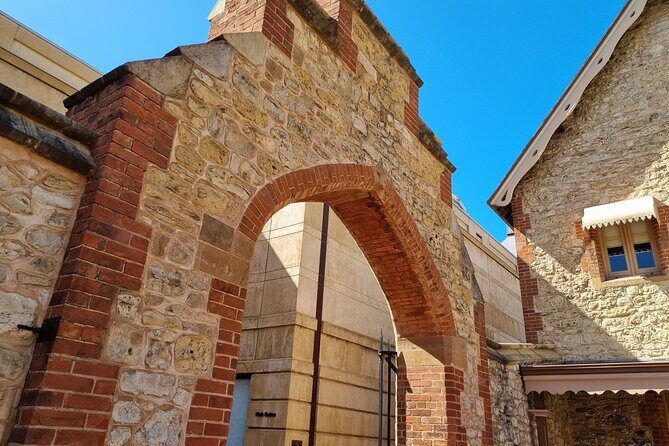
Embarking on this tour, you’ll quickly realize it’s designed to be both educational and engaging. It’s a walk through Adelaide’s modern streets with stops at historically significant sites, each telling a story of social progress. The tour begins in the Parliament House of South Australia, where you’ll learn about Wakefield’s systematic colonization and the origins of social justice reform in the region. The guide explains the importance of the Secret Ballot—a voting reform that was pioneering at the time—setting the tone for the rest of the tour.
Moving on to Government House, you’ll get a glimpse of Australia’s oldest continuously used Government House, and hear about notable appointments like Australia’s first Indigenous Governor and the first female Governor. These appointments symbolize strides toward inclusion, which the tour discusses in detail.
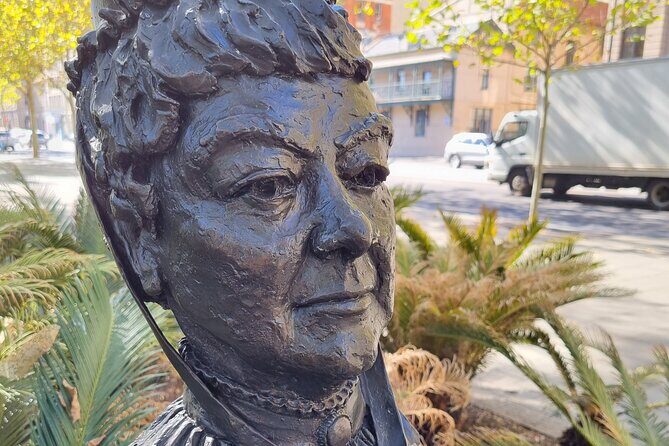
The next stops focus on individuals who broke glass ceilings. For example, Dame Roma Mitchell‘s story shines a spotlight on the fight for women’s rights in the judicial system, as she was Australia’s first female QC and judge. The guide shares her life story and its significance, which resonates with visitors interested in gender equality.
Mary Lee is another hero featured on the tour, with stories of her advocacy for women’s suffrage and her connection to Muriel Matters. These stories highlight the crucial roles women played in shaping social justice in South Australia.
At the Centre of Democracy, the tour introduces Don Dunstan, the progressive Premier whose reforms transformed social policies including civil rights, education, and Aboriginal recognition. You’re invited inside the Centre of Democracy to see exhibits that showcase these changes, adding an interactive element to the experience.
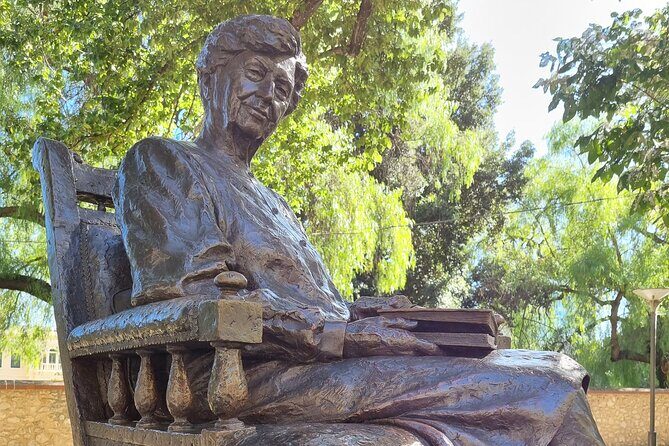
The State Library of South Australia offers a look into Catherine Helen Spence‘s legacy—her pioneering work as the first female journalist and politician in Australia. The guide emphasizes her tireless efforts for women’s suffrage and social reform, making this stop as inspiring as it is educational.
The Migration Museum, housed on the site of the former Destitute Asylum, discusses social challenges faced by the vulnerable—homelessness, destitution, and unmarried mothers—and how reforms helped improve their lives. This site underscores Adelaide’s ongoing commitment to social support and reform.
Next is the Police Historical Society Museum, which provides insight into the third-oldest police force in the world. The guide shares compelling stories from police history, illustrating how law enforcement has evolved in relation to social justice.
A visit to The University of Adelaide reveals its role as one of Australia’s oldest universities and its pioneering inclusion of women in degree programs, which was groundbreaking at the time. The university’s history underscores educational reform and access.
Scots Church represents religious freedom and the separation of church and state, key principles in Adelaide’s foundation. The small stop here briefly explores the importance of religious tolerance in the city’s development.
Finally, the tour culminates at The Austral pub, where discussions about laws governing liquor, environmental policies like recycling and renewable energy, and ongoing efforts such as the Voice to Parliament take center stage. This stop ties together social justice themes with contemporary issues facing Australia today.
You can also read our reviews of more tours and experiences in Adelaide.



What You’ll Expect and How It Feels
The guided nature of this tour ensures that you get a steady flow of information without feeling overwhelmed. Expect to walk at a relaxed pace, with plenty of time to ask questions or explore photos and exhibits at each site. It’s a small-group experience, which enhances interaction and makes it easier to get your queries answered.
The cost of $36.93 reflects the quality of the guides and the depth of content. Compared to standard city tours that often focus on architecture or general history, this one zeroes in on the fabric of South Australian society. You won’t find a lot of souvenir shopping here, but the souvenirs are in the stories, the knowledge you’ll carry home, and the sense of connection to Adelaide’s ongoing social journey.
The stops are mostly outdoor or in public buildings—no long waits or uncomfortable crowds—and the tour ends conveniently in the city center, making it easy to continue exploring or grab a bite afterward.
Insights from Guest Reviews
One reviewer praised the “broad and deep knowledge” of the guide, highlighting how well the tour links historical reforms with current issues. Others appreciated the “outstanding research” and the way the tour brought to life stories of women pioneers and indigenous rights advocates.
Given the focus on social reform and activism, expect a more thought-provoking experience that might challenge some assumptions or expand your understanding of Adelaide’s character. It’s especially suitable for travelers who prefer meaningful learning over superficial sightseeing.
Final Thoughts: Who Should Consider This Tour?
This tour offers genuine value for anyone interested in social history, politics, and advocacy. It’s particularly suited for those who enjoy walking and aren’t looking for a flashy, superficial overview. If you’re curious about how a city’s social fabric has evolved and want to meet locals passionate about justice, this will be a rewarding experience.
It’s also an excellent choice for educational groups or history buffs who appreciate detailed narratives and stories of individuals shaping society. However, if you’re after a leisurely or shopping-focused tour, this might not be the best fit.
The Social Justice Tour of Adelaide is a well-rounded blend of history, activism, and local pride. It offers accessible insights into key milestones that continue to influence South Australia today.
Social Justice Tour of Adelaide






FAQ
How long is the tour?
The tour lasts approximately 2 hours, making it a manageable snapshot of Adelaide’s social history.
What is the cost per person?
It costs about $36.93 per person, which provides guided commentary and access to several important sites.
What sites are visited during the tour?
Stops include Parliament House, Government House, Dame Roma Mitchell’s memorial, the Centre of Democracy, State Library, Migration Museum, Police Historical Society Museum, University of Adelaide, Scots Church, and The Austral.
Is the tour suitable for all ages?
Most travelers can participate, and the pace is easy-going. However, the focus on social issues might be more engaging for adults or older teens.
Are there any additional costs?
The tour itself is all-inclusive, but it does not cover private transportation, food, or drinks.
Where does the tour start and end?
It begins at Parliament House of South Australia and finishes outside The Austral in Rundle Street, Adelaide’s CBD.
Do I need to book in advance?
Yes, most travelers book around 62 days ahead. Confirmation is immediate upon booking, and cancellation is free up to 24 hours in advance.
If you’re looking for a meaningful, well-guided exploration of Adelaide’s social reforms and stories of resilience, this tour is a practical choice. It offers a rare opportunity to connect the city’s physical landmarks with the social movements that have shaped its identity—perfect for curious minds eager to understand the fabric of South Australia.