If you’re seeking a chance to step off the usual tourist trail and get a genuine taste of Japanese tradition, a mochi-making experience at a Takayama temple offers an engaging and memorable opportunity. This tour isn’t just about pounding rice; it’s an intimate glimpse into a practice that’s woven into Japan’s cultural fabric, especially during New Year celebrations or festivals.
What makes this experience stand out? First, the chance to pound rice with a traditional wooden mallet in a serene temple setting offers both a tactile connection to Japanese history and a sense of spiritual participation. Second, the opportunity to shape and taste your own mochi—with toppings like kinako, sweet red bean, or savory miso—brings a delicious, hands-on conclusion to your cultural exploration.
A potential consideration is that the experience is limited to small groups of no more than 10 people, which means booking in advance is wise if you want to guarantee a spot. Also, it’s worth noting that the activity is roughly an hour long, so if you’re on a tight schedule, plan accordingly.
This tour suits travelers interested in Japanese culture, food lovers eager to try making traditional sweets, and those who appreciate spiritual settings. It’s especially well-suited for solo travelers, couples, or small groups seeking a meaningful, authentic activity that blends history, religion, and cuisine.
- Key Points
- A Closer Look at the Takayama Mochi-Making Tour
- The Setting: A Tranquil Temple in Takayama
- The Introduction: Learning the Cultural Significance
- The Rice Pounding: A Ritual with Tradition
- Shaping and Tasting: Your Handmade Mochi
- The Cultural Connection
- The Value: Why Is a Good Investment
- Practical Details and Tips
- Authentic Experience in a Sacred Space
- Authenticity and Education
- Social and Fun Aspects
- Dietary Variety and Toppings
- Who Will Love This Tour?
- FAQs
- Final Thoughts
- More Tour Reviews in Takayama
Key Points
Authentic cultural experience blending food, history, and spirituality
Hands-on participation in pounding and shaping mochi
Beautiful temple setting enhances the atmosphere and connection
Affordable price offers great value for such an intimate experience
Limited group size allows for personalized attention and interaction
Flexible booking options with free cancellation up to 24 hours prior
A Closer Look at the Takayama Mochi-Making Tour
Over the years, we’ve come to appreciate how well this tour balances education, participation, and cultural reverence. It’s not just a cooking class; it’s an opportunity to understand why mochi holds such significance in Japanese celebrations. Our focus here is to explain what you’ll encounter and why it’s worth your time.
You can also read our reviews of more tours and experiences in Takayama.



The Setting: A Tranquil Temple in Takayama
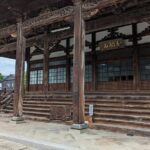
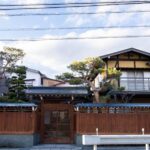
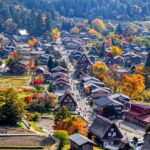
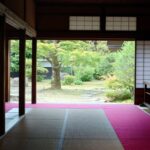
The tour takes place inside a peaceful Buddhist temple in Takayama, a charming town famed for its preserved old town and traditional architecture. The location alone makes it special—here you’re not in a bustling kitchen or touristy shop, but in a space that feels connected to centuries of spiritual practice. As you arrive, you’ll be greeted by staff who welcome you warmly, and you’ll have the chance to ring the temple bell, setting a respectful tone for the activity.
The Introduction: Learning the Cultural Significance
The activity begins with a brief introduction where your guide explains the importance of mochi in Japanese culture. As one reviewer noted, “Kazuki, the guide, shared a little story about the effort involved in preparing rice and why mochi is a symbol of good luck and community.” This historical context enhances the experience, transforming it from a simple cooking class into a meaningful cultural lesson.
The Rice Pounding: A Ritual with Tradition
The core of the experience involves pounding steamed glutinous rice using a large wooden mallet and mortar. It’s a group effort—everyone gets a turn—and the physicality of pounding rice is surprisingly satisfying and fun. Expect a little shouting—it’s part of the tradition, and it adds a lively, communal feel. One participant mentioned, “Memories of rice pounding and shouting will live with us forever,” showing how this activity creates a genuine bonding experience.
More Great Tours NearbyShaping and Tasting: Your Handmade Mochi
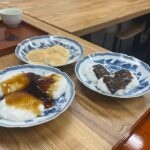
Once the rice transforms into a smooth, elastic dough, it’s time to shape your mochi. You’ll roll and flatten the warm dough with your hands, often with a sense of pride and accomplishment. You can then enjoy your creations with toppings like soybean flour (kinako), sweet red bean paste, or even savory miso varieties. Several reviews praised the taste, despite some initial surprises—“the mochis tasted differently than I imagined, but I highly recommend,” said one traveler from Switzerland.


The Cultural Connection
Throughout the workshop, your guide will explain the spiritual significance of mochi, often used during New Year or festive celebrations to bring good fortune. This connection between food and spirituality makes the activity more than just a culinary exercise; it’s a way to appreciate how daily life in Japan is intertwined with tradition.
The Value: Why $38 Is a Good Investment
At just $38 per person, this experience offers excellent value. Not only do you get a hands-on activity, but also a cultural education, a serene setting, and delicious mochi to enjoy. The small group size ensures personalized attention, making it easy to ask questions and engage deeply. As one participant observed, “The instructor was very friendly, and we had three variations of mochi to try—an enjoyable, satisfying activity.”
Practical Details and Tips
- The tour lasts approximately one hour, so plan your schedule accordingly.
- Reserve in advance, especially during peak seasons, as places fill up quickly due to the limited size.
- The activity is suitable for solo travelers, couples, and small groups, but not ideal for children under 3 or travelers over 70.
- Language options include English and Japanese, ensuring clear communication.
- Remember, no alcohol or drugs are allowed in the temple setting.
Authentic Experience in a Sacred Space
What we appreciated most was the combination of spiritual ambiance and hands-on activity. The temple’s quiet dignity makes the experience reflective—you’re not just making sweets, but participating in a tradition that’s been performed for generations. You’ll feel a sense of respect for the cultural practices, especially as your guide explains their importance in Japanese life.
Authenticity and Education
Many reviews highlight how Kazuki’s explanations about the history and significance of mochi added depth to the activity. One traveler from Canada said, “Vraiment très instructif! Une première partie le chef nous explique l’importance de cette pâtisserie pour les japonais,” emphasizing how educational and meaningful the experience was.
Social and Fun Aspects
Participants consistently mention how fun and engaging the activity is, with plenty of laughter and shared moments. “Memories of pounding rice and shouting” were particularly memorable for some, making it clear this is more than just a cooking class—it’s a lively, communal event.
Dietary Variety and Toppings
The opportunity to sample different types of mochi—from sweet to savory—adds a flavorful layer to the workshop. While some reviews note initial surprise at the taste, most agree that trying different toppings is an enjoyable and tasty part of the process.
Who Will Love This Tour?
This experience is perfect for travelers who want to connect with Japanese culture in a meaningful way. Food lovers will appreciate making their own treats, while those interested in spiritual traditions will find the temple setting especially compelling. It’s also ideal for small groups, couples, or solo travelers eager for an authentic, intimate activity.
If you’re looking for a unique cultural souvenir, this mochi-making workshop provides a memorable, hands-on way to understand Japan’s culinary and spiritual traditions. It’s a short, affordable activity that delivers a genuine taste of local life and history—definitely worth considering during your time in Takayama.
FAQs
How long does the tour last?
The experience takes about one hour, making it easy to incorporate into a busy travel schedule.
Is it suitable for children?
It’s suitable for families, but not for children under 3 years or travelers over 70, due to the physical activity involved.
Can I cancel if my plans change?
Yes, the tour offers free cancellation up to 24 hours in advance, allowing flexibility.
What languages are available during the workshop?
The activity is conducted in English and Japanese, ensuring clear communication for most travelers.
Is the experience in a real temple?
Yes, it takes place inside a serene Buddhist temple in Takayama, adding a spiritual ambiance.
What is the price, and is it good value?
At $38 per person, it’s a reasonably priced activity considering the cultural insight, hands-on participation, and tastings included.
Are there any additional costs?
No, the price covers the entire experience, including the mochi you make and enjoy.
How do I find the meeting point?
Please come inside the temple, ring the bell, and look for staff who will welcome you. Coordinates are 36.13874053955078, 137.2544708251953.
Takayama: Mochi-Making Experience at a Buddhist Temple
Final Thoughts
This mochi-making experience at Takayama’s Zenkoji Temple offers a rare glimpse into Japanese tradition, combining culinary craft with spiritual reverence. It’s a perfect activity for those wanting to see a different side of Japan—one rooted in community, history, and respect for the past. The small group setting and knowledgeable guides ensure a personal, memorable journey that’s both educational and fun.
While it’s not a comprehensive temple tour, it provides a meaningful cultural snapshot that leaves you with not just a tasty treat, but also a deeper appreciation for Japan’s rich customs. Whether you’re a foodie, a culture seeker, or just curious, this activity delivers authenticity with a warm, friendly touch.
In summary, this tour is a splendid blend of tradition, community, and delicious fun—best suited for those who value authentic experiences and meaningful cultural connections during their travels in Japan.
You can check availability for your dates here: