If you’re curious about the soul of Ghana, this Kumasi Cultural and Heritage Tour offers an immersive glimpse into one of West Africa’s most fascinating cities. While I haven’t personally taken this exact tour, it’s clear that it’s designed for travelers eager to understand the Ashanti people’s traditions, politics, and craftsmanship.
What I love about this experience is its comprehensive nature—covering both historical sites and living cultures—and the fact that it’s guided by knowledgeable local experts who bring stories alive. Plus, the tour’s inclusion of transport and entry fees adds convenience and value.
However, one potential consideration is the tour’s duration—ranging from 2 to 6 hours—so if you’re tight on time or prefer a leisurely pace, you might want to plan accordingly.
This tour is best suited for those who want a deep dive into Ghanaian culture, history buffs, and anyone looking for an authentic day out from Accra that combines education with vibrant local experiences.
- Key Points
- Exploring Kumasi’s Heritage and Culture
- Manhyia Palace Museum: The Heart of Ashanti Governance
- Okomfo Anokye Sword Site: Legend and Power
- Prempeh II Museum: Personalities and Royal Objects
- Kejetia Market: The Beating Heart of Kumasi
- Bonwire Kente Weaving Centre: The Art of Ghanaian Cloth
- What’s the Value?
- Authenticity and Guided Expertise
- Practical Tips
- Who Should Book This Tour?
- The Sum Up
- FAQs
- The Best Of Accra!
- More Historical Tours in Accra
- More Tours in Accra
- More Tour Reviews in Accra
Key Points
 1 / 5
 2 / 5
 3 / 5
 4 / 5
 5 / 5
- In-depth cultural insights from knowledgeable guides
- Includes transportation and entry fees for a hassle-free day
- Highlights key sites like Manhyia Palace, Okomfo Anokye Sword Site, and Kejetia Market
- Offers a taste of local craftsmanship at the Kente Weaving Centre
- Flexible duration to suit different schedules
- Good value considering all inclusions and authentic experiences

👉 See our pick of the Accra’s 14 Best Tours & Things To Do
Exploring Kumasi’s Heritage and Culture
Kumasi, often called the cultural heart of Ghana, is a city brimming with history, tradition, and lively commerce. This tour is curated to give travelers a well-rounded picture of the Ashanti Kingdom’s past and present, all within a manageable day trip from Accra.
The tour kicks off early with a pickup around 6:00 am, which means you’ll start before the city heats up and before the crowds arrive at key sites. The air-conditioned private vehicle ensures comfort on the roughly 3-hour journey north, and the small group size (maximum of 15 travelers) promises a more intimate experience.
You can also read our reviews of more historical tours in Accra



Manhyia Palace Museum: The Heart of Ashanti Governance
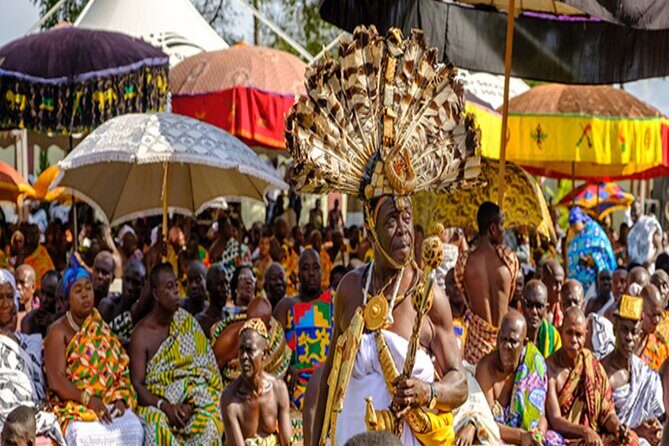
The first stop is the Manhyia Palace Museum. Here, you get an insider’s look at the seat of Ashanti authority—an enduring symbol of royalty and tradition. You’ll watch a film to set the scene, then walk through rooms filled with artifacts that tell stories of kings like Osei Tutu I and Queen Yaa Asantewaa, the war queen who still looms large in local lore.
The guide will explain the significance of the Ashanti empire and how politics intertwined with spirituality. An interesting local detail is that the site next to the palace is where chiefs from the Akwasidee tribe meet every six weeks—a reminder of the ongoing cultural practices rooted in history. Admission is included, making it easy to focus on the stories without worrying about extra costs.
Okomfo Anokye Sword Site: Legend and Power
Next, you visit the Okomfo Anokye Sword Site, where history and myth blend seamlessly. This is where the Golden Stool descended onto the lap of the founder, Osei Tutu, and where the legendary sword was driven into the ground by chief priest Okomfo Anokye over 300 years ago—a symbol of unity and strength.
The story that the sword cannot be removed adds an element of ongoing mystery. It’s a site that sparks imaginations, and the guide will share tales of how this legend embodies Ashanti resilience. This site is more than just a monument; it’s a living symbol of the Ashanti identity.
Prempeh II Museum: Personalities and Royal Objects
The Prempeh II Museum offers a glimpse into the life of one of the most revered Ashanti kings, King Prempeh II. Despite its modest size, the museum is packed with regalia, battle attire, jewelry, and amulets—all illustrating the royal tradition.
You’ll see ceremonial objects, personal items, and brass weights used for weighing gold, giving insight into the wealth and craftsmanship of the Ashanti. The building itself mimics a traditional chief’s home, with a courtyard and ethnic sculptures adorning the walls. It’s a quiet yet vivid window into royal life.
Kejetia Market: The Beating Heart of Kumasi
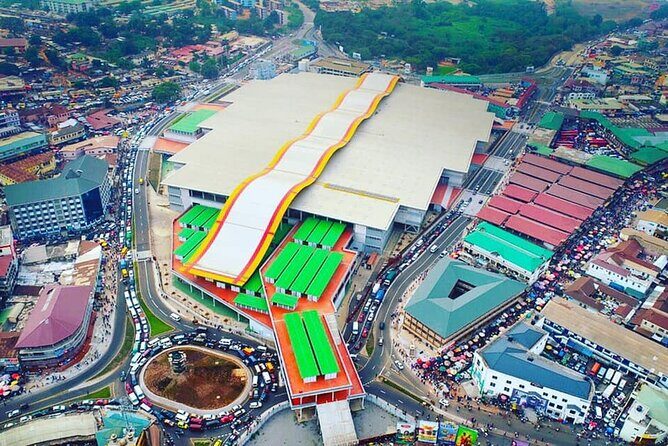
No visit to Kumasi is complete without a stroll through Kejetia Market—claimed to be the largest in West Africa. From a distance, it looks like a rusted tin canopy covering an endless sea of stalls, but once inside, it’s a sensory overload of smells, colors, and sounds.
You’ll explore the market like a local, observing merchants selling everything from spices to textiles. It’s a lively, sometimes chaotic place, but also an authentic look at everyday life in Kumasi. The market’s size and bustling energy are impressive and offer countless photo opportunities.






Bonwire Kente Weaving Centre: The Art of Ghanaian Cloth
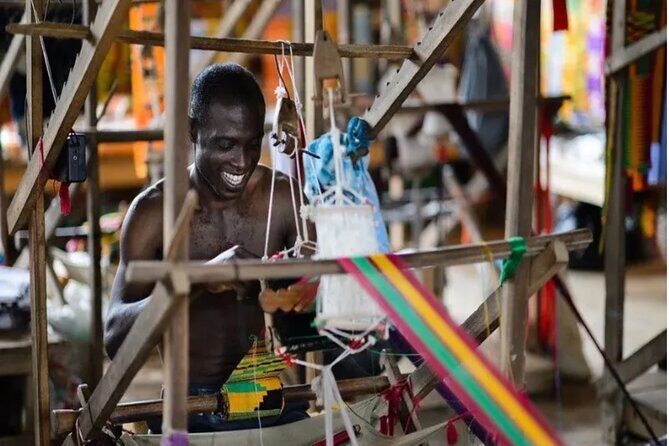
The tour concludes in Bonwire, a town famous for Kente weaving—the vibrant, patterned cloth often associated with Ghanaian royalty. Here, you’ll see artisans weaving on traditional looms, and many will appreciate the chance to witness a craft that’s been passed down for generations.
Wearing Kente is a mark of respect and celebration, and you’ll learn how the patterns and colors symbolize different meanings. The two-hour visit provides a behind-the-scenes look at the craftsmanship involved and the cultural significance of this iconic fabric.
What’s the Value?
Considering the $260 price tag, the tour offers excellent value when you factor in transportation, guided narration, and entry fees at major sites. The private, air-conditioned vehicle ensures comfort, and the small group size enhances the chance to ask questions and engage with your guide. The inclusion of key cultural sites and a market visit provides a comprehensive experience—without the need to worry about logistics or extra costs.
While the tour doesn’t include lunch, that leaves you free to explore local eateries in Kumasi afterward. The flexible duration means you can tailor the experience to your schedule, whether you prefer a quick 2-hour overview or a full 6-hour deep dive.
Authenticity and Guided Expertise
One of the most praised aspects, according to reviewers, is the knowledgeable guides. They bring stories alive and help you understand the significance of each site beyond just the surface. As one reviewer noted, their guide’s insights helped them understand “the current power of the Asante people,” which is exactly what makes this tour special.
Practical Tips
- Arrive early to make the most of the day.
- Wear comfortable footwear—many sites involve walking and exploring markets.
- Bring a camera—there are plenty of photo-worthy moments.
- Keep some small change for tips or souvenirs.
Who Should Book This Tour?
This experience is ideal for travelers eager to connect with Ghanaian culture beyond just sightseeing. History enthusiasts will love the stories behind the sites, while those interested in craftsmanship will enjoy watching Kente weaving.
It’s also perfect for visitors who want an organized, hassle-free day with transportation included, especially if they’re staying in Accra but want a meaningful glimpse into Kumasi’s traditions. If you prefer a relaxed pace with plenty of expert narration, this tour ticks those boxes.
The Sum Up
For anyone interested in exploring Ghana’s cultural roots, this Kumasi tour offers a thoughtfully curated and well-guided experience. It balances historical significance, local craftsmanship, and everyday life—all delivered in a way that’s accessible and engaging. The knowledgeable guides truly make a difference, bringing stories and legends to life.
While it’s not a leisurely day for those who prefer slow travel, it’s a perfect fit for those who want a meaningful, authentic, and efficient introduction to the Ashanti Kingdom. At its core, this tour provides a solid foundation for understanding Ghana’s vibrant traditions—something you’ll remember long after you leave.
The Kumasi Cultural and Heritage Tour
FAQs
Is transportation included in the tour?
Yes, the tour provides private, air-conditioned transportation from Accra to Kumasi and back, making the trip comfortable and convenient.
How long does the tour last?
The duration ranges from approximately 2 to 6 hours, depending on your preferences and pace. The initial start time is 6:00 am.
Are entry fees included?
Yes, all listed sites—Manhyia Palace Museum, Okomfo Anokye Sword Site, Prempeh II Museum, and Kente Weaving Centre—have their admission fees covered.
Can I join this tour if I have limited mobility?
Most travelers can participate, but it’s best to check with the provider for specific mobility considerations, as the sites involve walking and some uneven surfaces.
Is lunch included?
No, lunch is not included, so you might want to plan for a meal either before or after the tour in Kumasi.
What is the maximum group size?
The tour accommodates up to 15 travelers, ensuring a more personalized experience with your guide.
In sum, the Kumasi Cultural and Heritage Tour is a fantastic way to explore the heart of Ghanaian tradition, surrounded by expert guidance and authentic sites. Whether you’re a history buff, a craft lover, or simply curious about Ghana’s rich heritage, this tour offers a balanced and rewarding experience.