When searching for a tour that combines history, anecdotes, and a touch of the unusual, The Psychiatric History of New York Walking Tour offers an intriguing window into the city’s medical and mental health past. While it’s not your typical sightseeing jaunt, this 2-hour exploration on the Upper East Side promises to reveal stories and sights many locals and visitors alike have never encountered—if you know where to look.
What we love about it is the personalized, small-group atmosphere (capped at only 12 participants), which makes for a much richer, more engaging experience. Plus, the focus on landmarks related to psychiatry and neurological care gives a fresh perspective on the city’s development beyond the usual skyscrapers and museums.
That said, it’s a tour heavily reliant on a knowledgeable guide—so if your guide isn’t quite up to snuff, some of the stories might fall flat.
This tour will appeal most to those with a curiosity for medical history, architecture, or lesser-known city stories. It’s perfect for travelers wanting a more niche, thought-provoking experience that’s off the beaten path, especially if you like stories behind the buildings you pass every day.
- Key Points
- A Closer Look at the Tour Itinerary
- Starting Point: The Upper East Side
- The John Finley Walk
- Yorkville Glockenspiel
- The New York Psychoanalytic Society and Institute
- East 80th Street Houses and Nearby Historic Buildings
- Hunter College Baker Theatre Building
- Park Avenue Armory and Tillinghast House
- Madison Avenue and Surroundings
- What It Feels Like to Take the Tour
- The Guide’s Role and Authenticity
- The Experience’s Value
- Who Should Book This Tour?
- Final Thoughts
- Frequently Asked Questions
- The Best Of New York City!
- More Walking Tours in New York City
- More Tours in New York City
- More Tour Reviews in New York City
Key Points



- Small-group setting provides a more intimate and engaging experience.
- Hidden psychiatric landmarks offer a different lens on New York’s history.
- Insightful storytelling brings the city’s medical evolution vividly to life.
- The tour reveals sights many locals and travelers miss, deepening your understanding of the neighborhood.
- The tour’s value for money is high, considering the depth of stories and sights covered.
- It’s suitable for a broad range of travelers, especially those interested in history and architecture.

👉 See our pick of the The 15 Top Workshops & Classes In New York City: Which Is Best?
A Closer Look at the Tour Itinerary
You can also read our reviews of more walking tours in New York City



Starting Point: The Upper East Side
The tour begins at Carl Schurz Park, a peaceful spot with great views of the East River. Here, you’ll get your first glimpse of Roosevelt and Wards Islands, which historically housed mental health facilities, adding context for later stops. This vantage point sets a scenic stage for the stories to come, merging natural beauty with a touch of history.
The John Finley Walk
Your first stop offers a quick, 12-minute view from the East River, where you’ll see the islands that once contained institutions related to psychiatric care. While a simple scenic overlook, it sparks curiosity about the city’s use of these islands for mental health facilities.
Yorkville Glockenspiel
Next, at the southwest corner of 83rd Street and York Avenue, a mural nods to the once German-dominated Yorkville neighborhood. This mural isn’t just art; it’s a nod to the community’s heritage, which has links to the area’s evolution, including its mental health institutions. It’s a small detail that enriches your understanding of the neighborhood’s layered history.
The New York Psychoanalytic Society and Institute
At 247 East 82nd Street, you’ll visit the heart of New York’s psychoanalytic movement. This building is a cornerstone of the city’s psychiatric landscape, representing the shift towards talk therapy and psychoanalysis in the early 20th century. The guide shares insider stories about the society’s role in shaping mental health treatment in NYC—stories that even locals might not know.
You can also read our reviews of more historical tours in New York City






East 80th Street Houses and Nearby Historic Buildings
Walking along East 80th Street, you’ll see residential architecture that hints at the neighborhood’s elite past and its connections to medical professionals. The tour emphasizes the architectural and historical significance of these homes, many of which housed influential figures in psychiatric circles.
Hunter College Baker Theatre Building
Located at 149-151 East 67th Street, this site has housed the Mount Sinai Dispensary, Neurological Institute, and the Kennedy Child Study Center over the years. It’s a fascinating nexus of neurological and psychiatric innovation, making it a highlight for those interested in medical history.
Park Avenue Armory and Tillinghast House
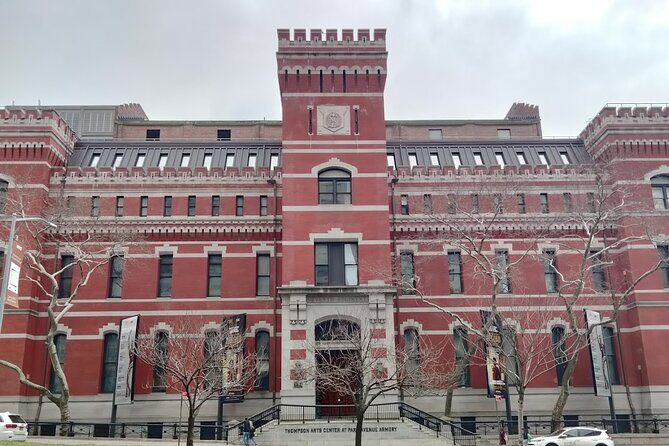
Moving onto Park Avenue, the Armory at 643 Park Avenue is an impressive architectural landmark. While its primary use today is cultural, the building’s history intersects with NYC’s institutional past. Nearby, the Tillinghast House at 26 East 64th Street adds to the neighborhood’s historic charm and provides context about the affluent environment where many medical pioneers lived.
Madison Avenue and Surroundings
Finally, the tour takes you to East 62nd Street and Madison Avenue, where you’ll see houses that once belonged to medical professionals and innovators. These stops offer a glimpse into the personal spaces of those who shaped psychiatric care and neurological research.
What It Feels Like to Take the Tour
The experience is more than just a walk—it’s a storytelling journey. You’ll be led through scenic streets, with your guide weaving in tales about the evolution of mental health treatment in NYC. Many reviews praise guides for their knowledge and enthusiasm. For example, one reviewer remarked that the guide “knows so much about the psychological history of New York,” making the experience both engaging and educational.
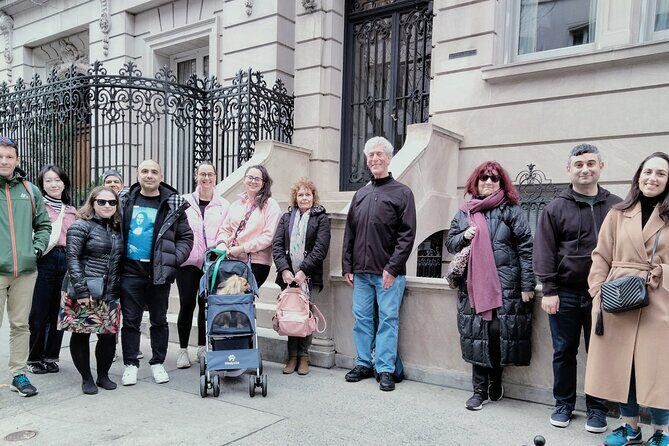
The limited group size ensures conversations aren’t rushed, and you can ask questions freely. The pace is leisurely enough to enjoy the sights and stories without feeling hurried, yet brisk enough to cover a lot of ground within two hours.
The Guide’s Role and Authenticity
While most reviewers highlight the guides’ expertise, one mention pointed out that not all guides are equally polished—highlighting the importance of a passionate, well-informed guide. The best guides bring stories vividly to life, making history tangible rather than just a list of buildings.
The Experience’s Value
At $39 per person, the tour offers surprising value for a deep dive into a niche side of NYC history. You won’t find this mix of architecture, history, and storytelling elsewhere at such a reasonable price, especially considering the personalized attention you receive.
Who Should Book This Tour?
This experience is ideal for history buffs, architecture enthusiasts, or those curious about mental health’s past in New York. It’s also perfect for travelers seeking a slow-paced, intellectually stimulating walk that offers new perspectives on familiar neighborhoods.
If you’re traveling with children, teens interested in history, or medical professionals, they’ll likely find it especially engaging. Conversely, if you prefer more conventional city sights, this tour’s focus on history and stories might feel a bit niche.
Final Thoughts
This walk offers a distinctive look at New York City’s less visible side—the evolution of psychiatric care, neurological research, and mental health advocacy. The combination of scenic streets, historic buildings, and compelling stories makes it a thoughtful addition to any NYC itinerary.
What truly elevates this experience is the passion and knowledge of the guides. Their storytelling turns buildings and plaques into vivid narratives, helping you see the city through a different lens.
While it’s not suited for those seeking a high-energy tour, it’s an excellent fit for curious minds eager to understand the city’s medical past and its influence on modern mental health treatment.
The Psychiatric History of New York Walking Tour
Frequently Asked Questions
How long is the tour?
The tour lasts approximately 2 hours, making it a manageable and engaging walk without taking up your entire day.
What is the starting point?
It begins at Carl Schurz Park at East 86th Street & East End Ave, a scenic starting spot near Central Park.
Are tickets mobile?
Yes, the ticketing is mobile, so you can easily access your reservation and meet your guide without printing anything.
Is the tour suitable for children?
Most travelers can participate, and it’s suitable for those interested in history, architecture, or medicine. It’s family-friendly but primarily geared toward adults.
How many people are in each group?
A maximum of 12 travelers, ensuring personalized attention and a cozy atmosphere.
Can I cancel if my plans change?
Yes, there is a free cancellation policy up to 24 hours before the tour begins.
Is there any admission fee for the sights?
Most stops are free to view; the tour focuses on public landmarks and facades.
Is public transportation accessible nearby?
Yes, the starting point is near public transit options, making it easy to reach.
What makes this tour different from other NYC walks?
It concentrates on the medical and psychiatric history intertwined with the neighborhood’s architecture and landmarks, a rarely covered aspect of NYC’s story.
Would I need prior knowledge of psychiatry or medicine?
Not at all. The stories are accessible and crafted to be appreciated by all levels of familiarity with the topic.
To sum it up, if you’re looking for a thought-provoking, well-guided, and uniquely New York experience, this walking tour is a compelling choice. It’s a chance to see familiar streets with fresh eyes and learn about a vital but often overlooked part of the city’s evolution. Whether you’re a history lover, a architecture enthusiast, or simply curious about the hidden stories of New York, this tour offers a thoughtful and enriching two hours.