Travelers eager to reconnect with African roots, explore vibrant cities, and uncover the stories of Ghana’s past will find this 10-day tour offered by Olives Travel And Tour Ghana a compelling choice. It promises a thoughtful journey through history, art, and nature, all wrapped in the warm hospitality Ghana is known for.
What we especially appreciate about this experience are its well-balanced mix of historical sites like forts and castles, engaging cultural activities, and opportunities to see Ghana’s lush landscapes. The tour’s focus on authentic experiences, from visiting the solemn slave castles to exploring contemporary art scenes, makes it stand out.
However, a potential consideration is the longer travel days, especially the drive from Cape Coast back to Accra on Day 8, which might feel a bit tiring after several days of sightseeing. Still, the overall value for those interested in deep culture makes this tour a worthwhile investment.
This experience is ideal for those curious about African history, members of the diaspora seeking a meaningful connection to their roots, or travelers who enjoy a mix of city life, history, and nature.
- Key Points
- Exploring Accra’s History and Art Scene
- Forts and Castles: Walk Through Ghana’s Complex Past
- Artistic Inspiration and Cultural Creativity
- The Eastern Region: Culture and Nature
- Relaxation and Natural Beauty
- Final Day: Shopping and Farewell in Accra
- Is This Tour Worth It?
- Who Will Appreciate This Experience?
- FAQ
- Final Thoughts
- The Best Of Accra!
- More Tour Reviews in Accra
Key Points

- Historical Significance: Visit iconic forts and castles that tell stories of Ghana’s role in the transatlantic slave trade.
- Cultural Immersion: Explore Accra’s art scene, local craft centers, and meet artisans creating contemporary African art.
- Authentic Sites: Experience lesser-known museums like the Nkyinkyim Museum and Ancestral Wall, enriching your understanding of Ghanaian heritage.
- Natural Beauty: Enjoy Ghana’s lush landscapes, including Kakum National Park’s canopy walkway and scenic waterfalls.
- Balanced Itinerary: Combining city tours, historic sites, and outdoor adventures for a well-rounded experience.
- Value for Money: For $3,460, you get 10 days of guided exploration, comfortable accommodations, and inclusive site visits—especially valuable for immersive, hassle-free travel.

👉 See our pick of the Accra’s 14 Best Tours & Things To Do
Exploring Accra’s History and Art Scene
The first few days are an excellent introduction to Ghana’s capital. Upon arrival, you’re greeted with a warm welcome and a chance to familiarize yourself with the city’s vibrant atmosphere. The welcome dinner sets a friendly tone, and the orientation, including a lecture on African culture, helps put the upcoming visits into context.
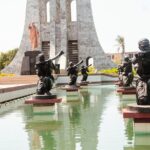
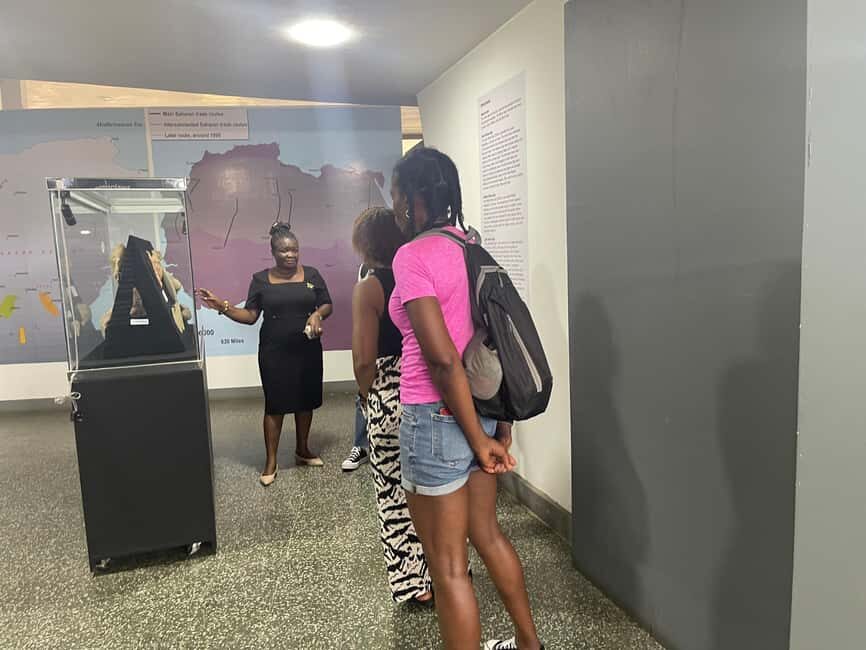
A highlight of this portion is the visit to the National Museum of Ghana, where you’ll see artifacts that trace Ghana’s cultural evolution. It’s the kind of place that encourages reflection on how history shapes contemporary life. From there, the tour visits the Kwame Nkrumah Mausoleum—a tribute to Ghana’s first president—and the W.E.B. Du Bois Center, connecting Ghana to broader Pan-African themes.
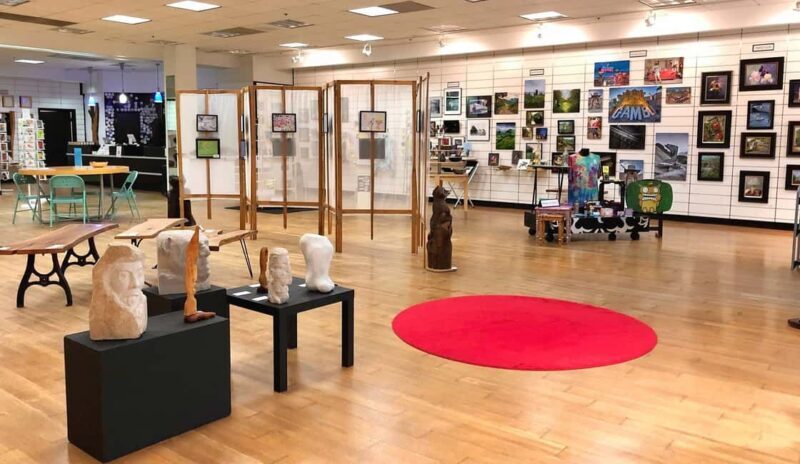
You’ll also explore Accra’s creative heart through visits to three prominent art galleries: the Nubuke Foundation, the Artists Alliance Gallery, and the The 57 Gallery. These spots showcase everything from traditional crafts to modern Ghanaian art, providing a tangible sense of the city’s artistic pulse. From reviews, we know many travelers are captivated by the vibrant displays and the chance to purchase unique pieces.
Pros: The mix of history and art ensures a layered experience, perfect for those who want to understand Ghana beyond just its monuments.
Cons: Urban exploration can be busy; expect some walking and a busy schedule.
You can also read our reviews of more tours and experiences in Accra.



Forts and Castles: Walk Through Ghana’s Complex Past
The tour’s focus on forts and castles—Usher Fort, James Fort, Christiansborg Castle, and Fort Jameson—offers a sobering look at Ghana’s role in the transatlantic slave trade. These sites are more than just old buildings; they’re powerful stories etched into stone, recounting the pain and resilience of countless Africans.
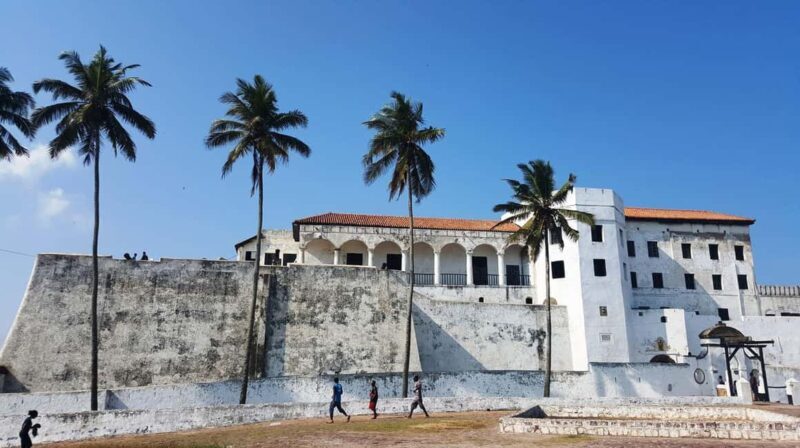
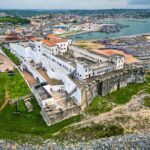
The Cape Coast Castle, a UNESCO World Heritage site, is especially notable. Originally Portuguese in origin, it later became a hub for the British and Swedish trading companies. Its dungeons and prison cells are a stark reminder of human suffering, and tours often include heartfelt narratives from guides who emphasize the importance of remembrance.
The Elmina Castle, built by the Portuguese in 1482, is the oldest European building in sub-Saharan Africa, adding historical weight to your visit. Many travelers note that walking through these sites gives a visceral sense of history that photos alone cannot capture.
Pros: These sites provide a profound connection to Africa’s history, which many find deeply moving.
Cons: Some visitors might find the emotional weight of these sites intense; it’s worth preparing yourself mentally.
Artistic Inspiration and Cultural Creativity
Moving beyond historical sites, this tour highlights Ghana’s vibrant art scene. The Nubuke Foundation and Artists Alliance Gallery are hubs for contemporary Ghanaian art, showcasing everything from traditional masks to modern paintings. The 57 Gallery further demonstrates Ghana’s evolving artistic identity, blending traditional motifs with contemporary expressions.
These visits are not just about viewing art—they’re about understanding how art reflects Ghanaian life and identity today. Many reviewers mention how inspiring it is to meet local artists and see their work in person, often feeling a personal connection to the creators.
Pro tip: Some art centers mention the availability of custom-made outfits, perfect for travelers wanting a special souvenir or a unique wardrobe piece.
The Eastern Region: Culture and Nature
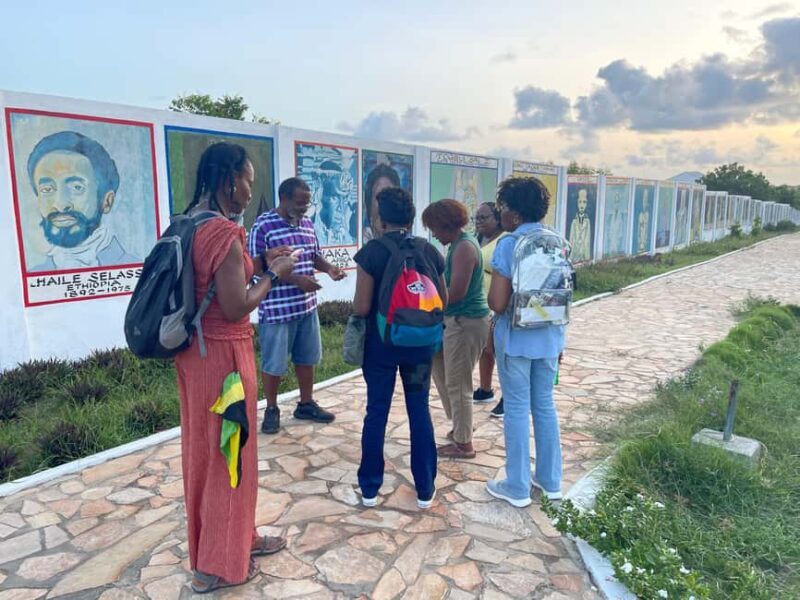
Midway through, the tour shifts focus to Ghana’s natural and cultural treasures in the Eastern Region. The Nkyinkyim Museum in Nuhalenya-Ada presents an evolving cultural space where African art and history converge. The Ancestral Wall, featuring portraits of influential figures, is both educational and inspiring, giving faces and stories to Ghanaian history.
On Day 7, the journey takes you to Cape Coast and Elmina, home to two of Ghana’s most historically significant castles. Walking through Cape Coast Castle, a site that exemplifies the tragic history of the slave trade, offers a visceral experience many travelers find deeply impactful. The nearby Assin Manso Slave Market and Slave River further deepen the understanding of this dark chapter.
The afternoon includes visits to Elmina Castle and a visit to Kakum National Park. The canopy walkway here is a highlight—offering a rare chance to see Ghana’s treetops and biodiversity from above. Many reviews praise the walk’s stunning views and the sense of adventure it brings.
Pros: The combination of history and nature provides a comprehensive glimpse of Ghana’s landscape and stories.
Cons: The long drive back to Accra on Day 8 could be tiring but is necessary to cover so many significant sites.
Relaxation and Natural Beauty
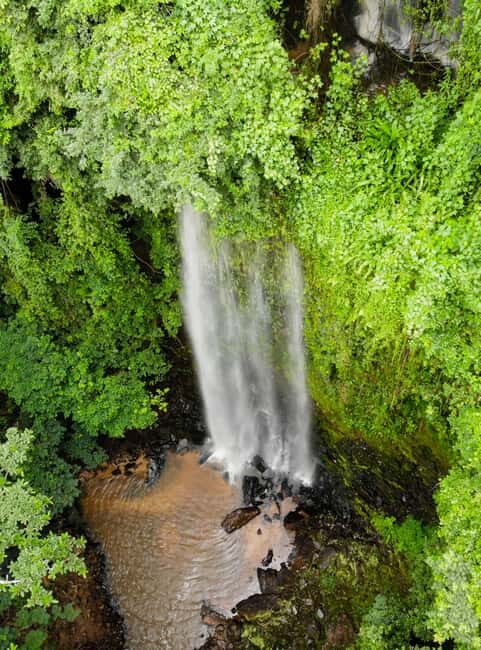
In the Eastern Region, the tour offers moments of peace with visits to Aburi Gardens, Safari Valley, and Asetema Waterfall. These spots appeal to travelers seeking a break from historical and city touring. The botanical gardens provide tranquility and lush scenery, while the waterfall and safari resort add adventure and scenic beauty.
Many travelers appreciate the way these sites balance the more intense historical visits, allowing for relaxation and time in nature. It’s an opportunity to reflect on Ghana’s diverse landscapes and the serenity they offer amid a busy itinerary.

Final Day: Shopping and Farewell in Accra
The last day blends shopping at local markets with a chance to pick up souvenirs before heading to the airport. It’s a fitting way to conclude a journey full of stories, sights, and meaningful connections. Reflecting on the trip, many review comments mention how the overall experience exceeded expectations, offering both education and authentic cultural encounters.
Is This Tour Worth It?
Given the inclusiveness of site visits, accommodations, transportation, and guided expert commentary, the $3,460 price tag provides solid value—especially for those seeking a comprehensive, hassle-free exploration of Ghana. The tour’s focus on impactful sites and authentic experiences makes it particularly suitable for serious history enthusiasts, diaspora members reconnecting with Ghana, and travelers who want a curated yet immersive cultural journey.
While the itinerary is packed, it’s designed to maximize your understanding of Ghana’s past and present. The mix of city, coast, and countryside ensures you get a well-rounded picture of the country’s diversity.
Who Will Appreciate This Experience?
This tour suits those with a curiosity about African history, especially the transatlantic slave trade, as well as travelers who want to understand Ghanaian culture through art, architecture, and landscapes. The guided structure, inclusive of most site admissions and transportation, is perfect for those who prefer organized travel with educational focus.
If you’re looking for a trip that combines meaningful historical reflection with vibrant cultural encounters and stunning natural scenery, this tour will likely be a memorable highlight of your journey to West Africa.
FAQ
Does the tour include airport transfers?
Yes, the tour includes round-trip airport/hotel transfers, making your arrival and departure smooth.
Are meals included?
Meals indicated by breakfast are included; other meals are not, so you can explore local cuisine on your own.
Is the tour suitable for solo travelers?
Yes, the tour is designed for groups but also works well for solo travelers wanting a guided, structured experience.
What’s the dress code for visiting historical sites?
While not explicitly stated, modest clothing is generally recommended for cultural and historical sites, especially those of somber significance.
Can I customize my outfits during the trip?
Yes, tailors and dressmakers will be available at the welcome dinner for those interested in custom African outfits.
Do I need to worry about visas?
Visa costs are not included; travelers should arrange their visas beforehand as required.
The Return of the Diaspora
Final Thoughts
This 10-day tour offers a well-rounded, meaningful experience for anyone interested in Ghana’s past and present. It balances the weight of history with the vibrancy of modern art and the tranquility of natural landscapes. The inclusion of significant sites like Cape Coast and Elmina castles ensures you’ll leave with a deeper appreciation of Ghana’s complex history, while the art and nature stops add layers of cultural richness.
If you’re looking for an experience that’s both educational and emotionally impactful, with a touch of adventure and scenic beauty, this tour provides plenty of value. It’s best suited for those with a genuine interest in heritage, cultural stories, and authentic Ghanaian life.
In essence, this journey isn’t just about seeing sights; it’s about understanding a nation’s soul. Whether you’re reconnecting with your roots or simply seeking a profound travel experience, this tour will leave you with stories worth sharing.
You can check availability for your dates here: