
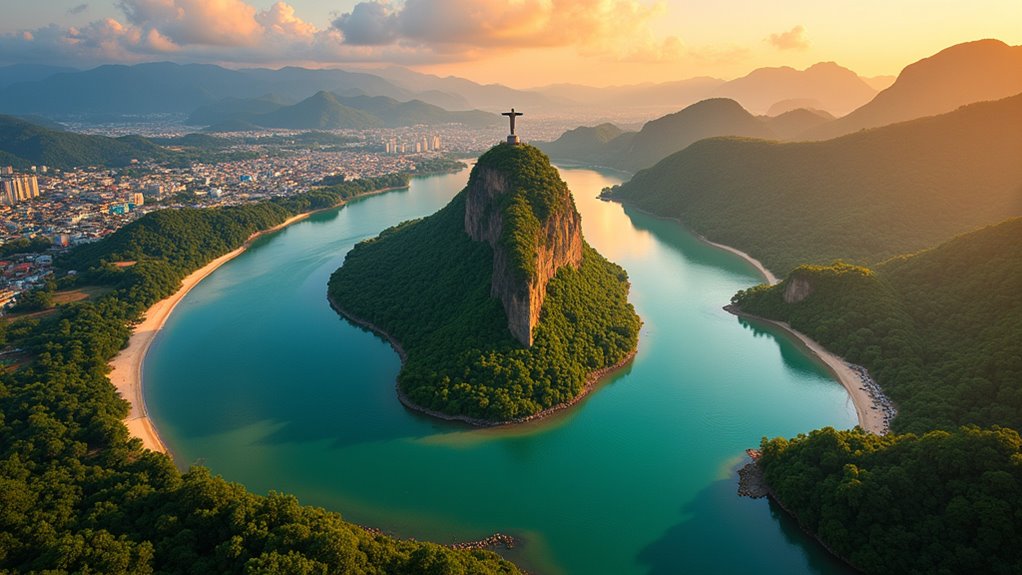
You’ll discover Brazil’s iconic Christ the Redeemer statue atop Mount Corcovado, experience Rio’s explosive Carnival celebrations, and witness the thunderous Devil’s Throat at Iguazu Falls. Ride Sugarloaf’s sunset cable car, explore Salvador’s colorful Pelourinho district, and trek the otherworldly sand dunes of Lençóis Maranhenses. Spot jaguars in the Pantanal, cruise the Amazon from Manaus, dive at Fernando de Noronha, and learn about São Paulo’s world-class culinary scene. These experiences merely scratch the surface of this enthralling South American giant.
- Marvel at Christ the Redeemer and Take the Cog Train Up
- Experience Rio’s Carnival or Time Your Visit Around It
- Stand at the Edge of Iguazu Falls Devil’s Throat
- Ride the Cable Car to Sugarloaf Mountain at Sunset
- Explore Salvador’s Pelourinho District and Afro-Brazilian Culture
- Take an Amazon River Cruise From Manaus
- Spot Jaguars in the Pantanal Wetlands
- Swim in Copacabana and People-Watch at Ipanema Beach
- Walk Through Ouro Preto’s Colonial Gold Rush Streets
- Trek the Sand Dunes of Lençóis Maranhenses National Park
- Dive and Snorkel at Fernando De Noronha
- Eat Your Way Through São Paulo’s Food Scene
- Join New Year’s Eve Celebrations on Copacabana Beach
- The Sum Up
Marvel at Christ the Redeemer and Take the Cog Train Up
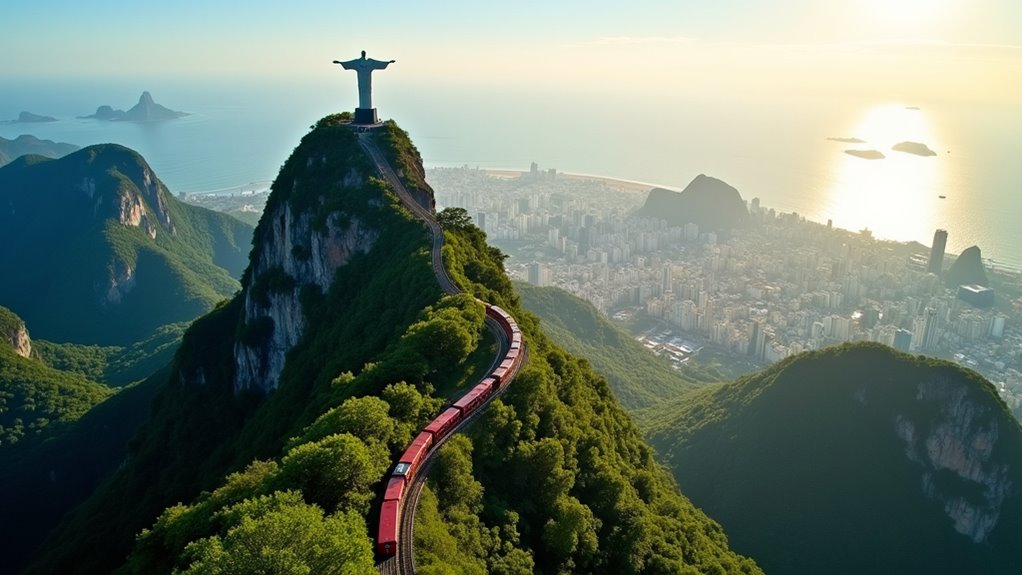
When you visit Rio de Janeiro, Christ the Redeemer stands as the city’s most iconic landmark—a towering 98-foot Art Deco statue of Jesus Christ that’s dominated the skyline since 1931. Perched atop 2,300-foot Mount Corcovado in Tijuca National Park, this 635-ton marvel offers breathtaking panoramic views of Sugarloaf Mountain, Guanabara Bay, and Copacabana Beach.
Take the historic Corcovado Train for an unforgettable journey up the steep mountainside. This cog railway provides the most scenic route to reach the statue, winding through the world’s largest urban rainforest.
The statue’s outstretched arms span 92 feet, creating a welcoming embrace that’s visible from nearly anywhere in Rio. The entire structure is built from reinforced concrete and clad in beautiful soapstone mosaic tiles that give it its distinctive appearance. You’ll witness one of the New Seven Wonders of the World while experiencing Rio’s dramatic natural beauty.
Experience Rio’s Carnival or Time Your Visit Around It
Beyond Rio’s stunning landmarks lies the city’s most explosive celebration—Carnival transforms the entire metropolis into a pulsating festival that defines Brazilian culture at its most exuberant.
You’ll witness the pinnacle at Sambódromo Marquês de Sapucaí, where twelve elite samba schools compete across three nights in elaborate parades featuring themed floats and spectacular costumes.
Grupo Especial performances occur Sunday through Tuesday during Carnival week, with tickets ranging from $15 grandstand seats to premium VIP boxes costing hundreds.
Don’t limit yourself to the Sambódromo—Rio’s street blocos create an equally thrilling experience.
These neighborhood parties begin at 6 am and sweep through districts like Copacabana, drawing massive crowds.
Plan ahead: Carnival 2026 runs February 13-18, with main parades February 15-17. The festivities culminate with the Champion’s Parade on February 21st at 10 pm, celebrating the winning school and top performers.
Book tickets months early, as they sell out quickly.
Stand at the Edge of Iguazu Falls Devil’s Throat
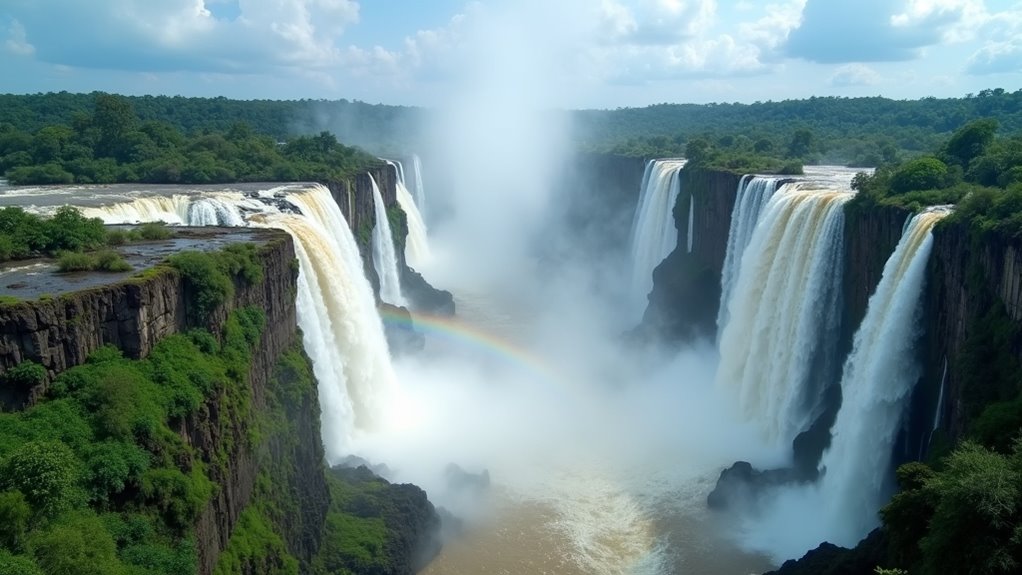
While Rio dazzles with urban spectacle, Argentina’s Devil’s Throat delivers raw natural power that’ll leave you breathless at the precipice of South America’s most magnificent waterfall. This U-shaped cataract plunges 82 meters into a thundering chasm, concentrating half the Iguazu River’s flow into one spectacular drop.
You’ll reach the brink via Argentina’s Rainforest Ecological Train, then walk a kilometer-long catwalk directly over the rushing river.
Prepare for constant soaking from 150-meter-high mist plumes. Great dusky swifts dart through the curtain while rainbows dance in the spray. Visit during spring or autumn for ideal conditions—rainy season brings incredible power but potential trail closures.
The roaring soundscape and front-row views into this 80-meter-wide abyss create an unforgettable sensory assault. Professional photographer services are available at the viewpoint to capture your experience at this thundering natural wonder.
Ride the Cable Car to Sugarloaf Mountain at Sunset
As Rio’s sun begins its descent toward Guanabara Bay, you’ll discover why Sugarloaf Mountain’s cable car ranks among the world’s most spectacular urban rides. This historic system, the third ever built globally, takes you on a two-stage journey covering 4,600 feet to the 1,299-foot summit.
You’ll start at Praia Vermelha, ascending 722 feet to Morro da Urca in three minutes, then continue to Sugarloaf’s peak. Each glass-walled car holds 65 passengers and operates from 8am to 9pm daily.
Standard tickets cost R$120, with 50% discounts for seniors, students, and disabled visitors.
Time your visit for late afternoon to catch golden hour views over Rio’s famous beaches, Botafogo, and Christ the Redeemer statue as the city transforms into a glittering panorama below. The mountain’s distinctive name comes from the Portuguese Pão de Açúcar, which refers to its resemblance to a traditional sugar loaf cone.
Explore Salvador’s Pelourinho District and Afro-Brazilian Culture
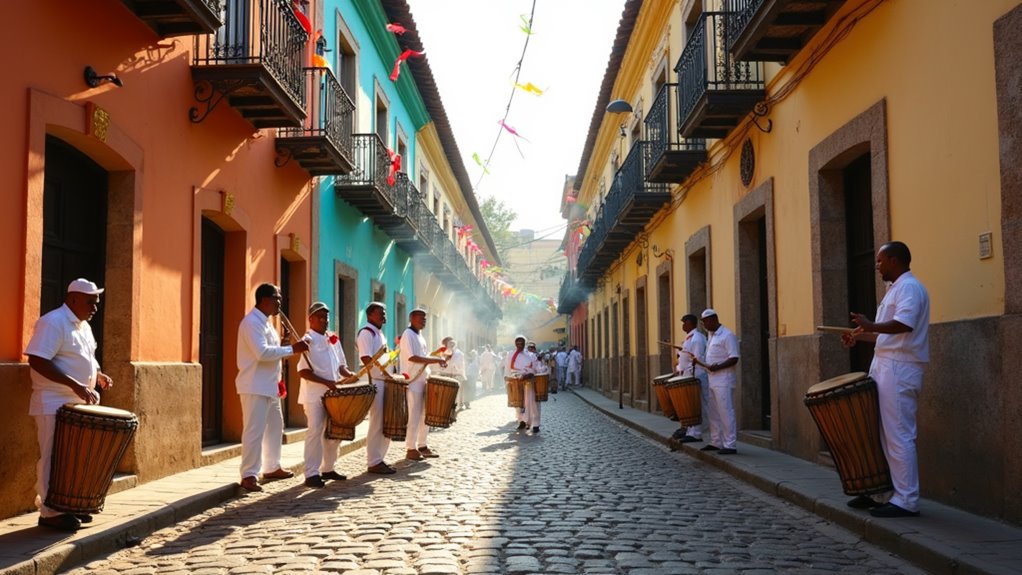
When you step into Salvador’s Pelourinho district, you’ll enter Brazil’s most significant repository of Afro-Brazilian culture and colonial history. This UNESCO World Heritage Site preserves its original 16th-century street plan, where colorful colonial townhouses line cobblestone streets that once witnessed Brazil’s painful slave trade past.
You’ll discover the district’s transformation from a site of oppression—named after the pillory where enslaved Africans were punished—into a vibrant celebration of Afro-Brazilian resilience.
Visit the Church of Our Lady of the Rosary of the Black People, built by enslaved and freed people, featuring saints with Black iconography. Explore museums dedicated to Candomblé religion, Afro-Brazilian music, and visual arts.
The district’s baroque churches, cultural centers, and street performances create an immersive experience showcasing how African heritage shaped Brazilian identity. The historic center served as Brazil’s first capital from 1549 to 1763, establishing its role as a major convergence point of European, African, and American Indian cultures.
Take an Amazon River Cruise From Manaus
From Brazil’s cultural heart in Salvador, you can venture into the country’s natural soul by starting on an Amazon River cruise from Manaus. This gateway city sits at the confluence of the Rio Negro and Solimões rivers, where you’ll witness the famous “Meeting of the Waters” phenomenon—two rivers flowing side by side without mixing.
Choose from small-ship expedition cruises with naturalist guides, budget local boats with hammock accommodations, or luxury vessels with air-conditioned cabins. Your 2-10 day journey includes guided jungle hikes, canoe trips through narrow forest streams, and wildlife spotting for pink dolphins, caimans, sloths, and colorful birds.
You’ll visit indigenous communities, explore floodplain forests, and enjoy night excursions for caiman spotting under starlit skies. The intimate Motor Yacht Tucano accommodates just 18 guests for personalized Amazon exploration with daily activities like kayaking, swimming, and fishing through pristine rainforest tributaries.
Spot Jaguars in the Pantanal Wetlands
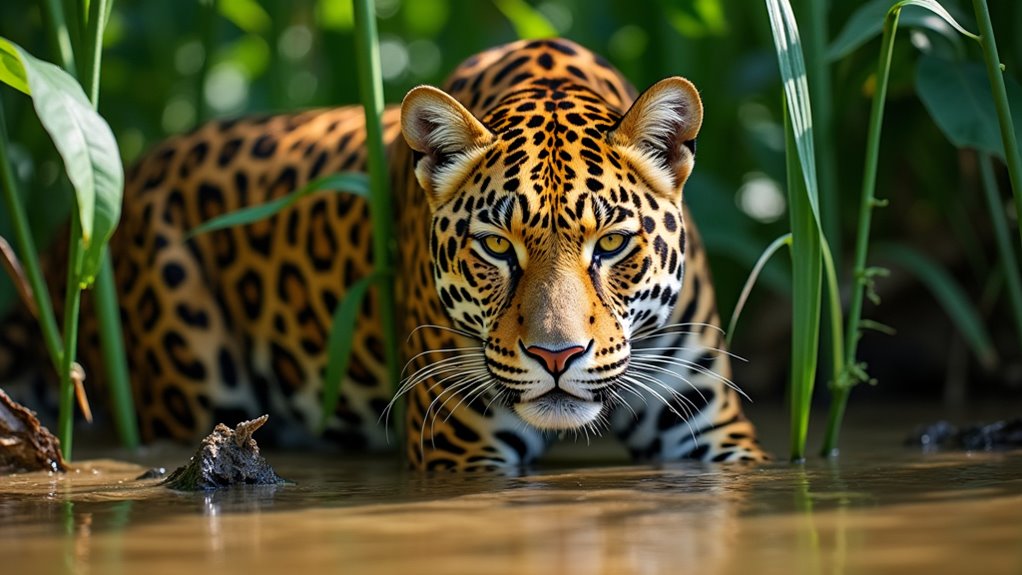
While the Amazon captures global attention, Brazil’s Pantanal wetlands offer the world’s most dependable jaguar viewing experience. This massive 151,000 km² tropical wetland harbors approximately 5,000 jaguars, creating the planet’s highest concentration of these magnificent cats.
You’ll find ideal viewing conditions during the dry season from May to October, when receding floodwaters concentrate wildlife along riverbanks. Tour operators report up to 95% daily sighting success rates during peak months of July through September.
Base yourself near Porto Jofre in the northern Pantanal, where the famous Transpantaneira Road provides access to prime jaguar territory. Jaguar tourism alone generates nearly $7 million annually in the Northern Pantanal, demonstrating the significant economic value of wildlife conservation in this UNESCO biosphere reserve.
Book multi-day packages with specialized lodges offering boat safaris along the Rio Cuiabá. Early morning and late afternoon excursions maximize your chances of witnessing jaguars hunting caimans and capybaras.
Swim in Copacabana and People-Watch at Ipanema Beach
Rio’s legendary beaches offer you two distinct yet complementary experiences that define the city’s coastal culture.
At Copacabana, you’ll swim along 4 kilometers of golden sand while watching beach volleyball and soccer matches unfold around you. The crescent-shaped beach stretches from Posto Dois to Posto Seis, with historic forts anchoring both ends. Walk the iconic wave-patterned boardwalk for stunning Sugar Loaf Mountain views from the southern section.
On Sundays, Avenida Atlântica closes to traffic, expanding your recreational space profoundly. You’ll find vendors selling caipirinhas and snacks throughout the beach.
The area hosts FIFA Beach Soccer World Cups and massive New Year’s celebrations drawing 2 million people annually. The spectacular fireworks display launches from 10 platforms positioned at sea, creating an unforgettable 15-minute show.
Multiple cafés, nightclubs, and restaurants line the waterfront’s eleven-to-thirteen-story buildings, creating endless dining and entertainment options.
Walk Through Ouro Preto’s Colonial Gold Rush Streets
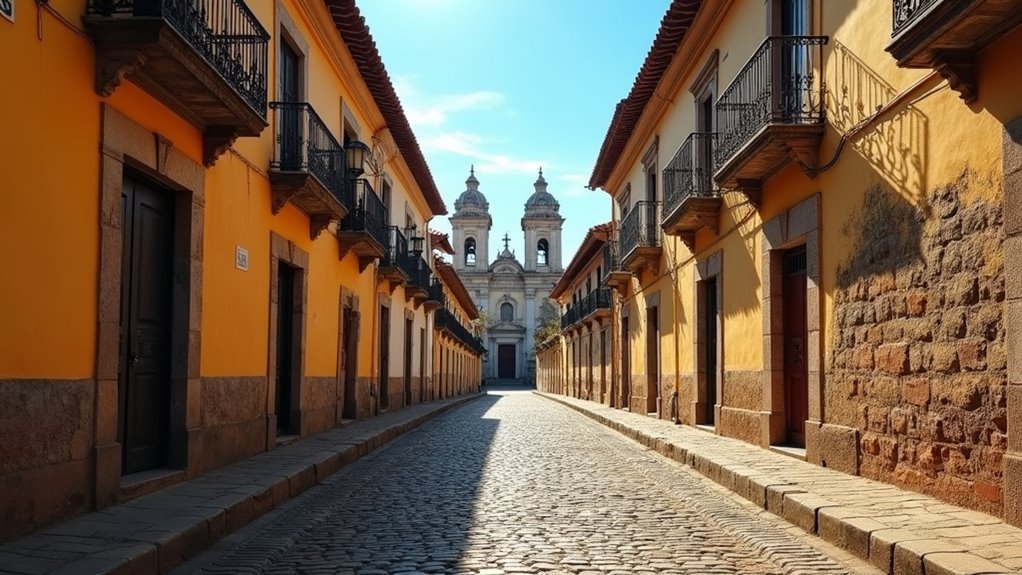
As you navigate Ouro Preto’s cobblestone streets, you’ll walk through Brazil’s most perfectly preserved colonial gold rush town, where 18th-century baroque architecture remains frozen in time since the mining boom made it one of the New World’s wealthiest cities.
This UNESCO World Heritage Site showcases whitewashed façades with colorful window trim and terracotta roofs cascading down steep hillsides. Start at Praça Tiradentes, the central square housing the Museu da Inconfidência in the former colonial courthouse.
Don’t miss Igreja de São Francisco de Assis, featuring Aleijadinho’s masterful soapstone sculptures, or the lavishly gilded Igreja Matriz de Nossa Senhora do Pilar.
The winding Rua Direita connects key landmarks through narrow lanes lined with artisan shops and colonial mansions. Originally established as Vila Rica by Portuguese settlers in the late 17th century, the town later became known as Ouro Prêto due to the distinctive dark iron oxide coating the gold deposits.
Trek the Sand Dunes of Lençóis Maranhenses National Park
From Brazil’s colonial mountain towns, head north to experience the country’s most surreal natural wonder at Lençóis Maranhenses National Park, where 600 square miles of pristine white sand dunes create South America’s largest dune field along the Atlantic coast.
You’ll trek through 60-foot dunes stretching 40 miles inland, discovering crystal-clear freshwater lagoons trapped between the sandy peaks. Despite its desert appearance, this landscape exists within a tropical rainforest climate that creates the unique conditions for both massive dunes and seasonal water-filled lagoons.
Plan your visit between May and September, with June through August offering the fullest lagoons for swimming.
Access requires a five-hour bus ride from São Luís to Barreirinhas, followed by 4×4 transport across the Preguiças River.
Choose multi-day treks covering 6-16 kilometers daily, staying in oasis communities, or opt for shorter day trips with sunset viewing.
Dive and Snorkel at Fernando De Noronha
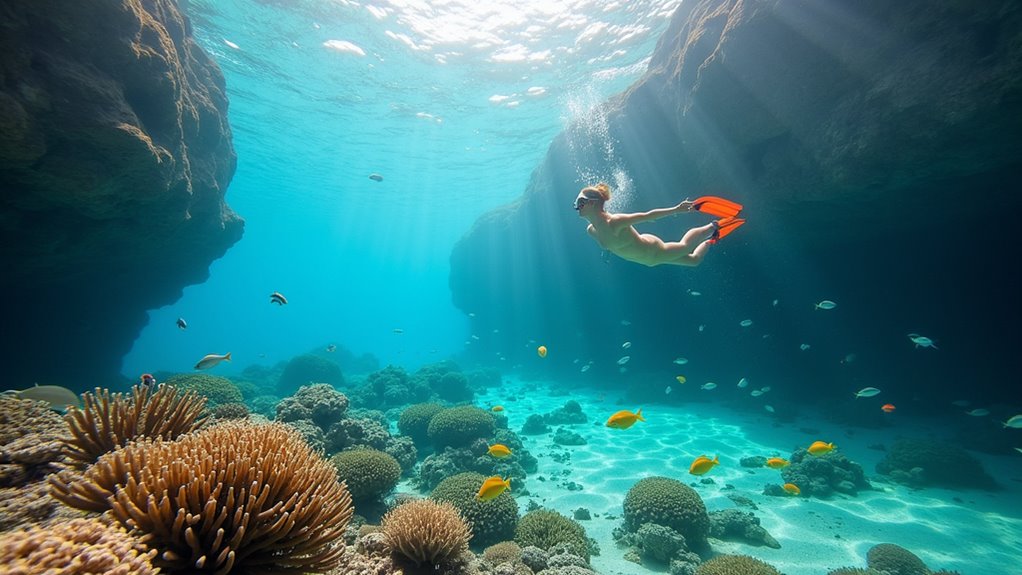
Twenty-one volcanic islands scattered 220 miles off Brazil’s northeast coast create Fernando de Noronha, where you’ll discover South America’s premier diving and snorkeling destination within a UNESCO World Heritage marine sanctuary.
You’ll encounter exceptional visibility reaching 20-30 meters and explore dramatic underwater landscapes featuring steep volcanic walls and thriving coral reefs.
The protected waters host remarkable wildlife encounters. You’ll swim alongside green and hawksbill sea turtles in shallow seagrass beds and coral slopes. Lemon sharks and nurse sharks patrol reef edges, while spinner dolphins gather in groups reaching 2,000 individuals. Brazilian cownose rays and spotted eagle rays glide through crystal-clear waters teeming with tropical fish.
Access requires following strict conservation regulations, including visitor quotas and marine park fees that protect this extraordinary Atlantic biodiversity hotspot. The park’s highest viewpoint, Morro do Pico at 1,060 feet, provides stunning panoramic views of the marine sanctuary below.
Eat Your Way Through São Paulo’s Food Scene
While Brazil’s beaches and landmarks captivate millions of visitors, São Paulo’s extraordinary culinary scene offers an equally compelling reason to visit South America’s largest city. You’ll discover sixteen restaurants ranked among Latin America’s top 100, including award-winners like A Casa do Porco and Evvai, which serves exceptional Brazilian-Italian fusion tasting menus.
Beyond fine dining, you can explore vibrant street food culture, innovative food trucks, and diverse international cuisines. The city’s 120+ food tech startups drive culinary innovation throughout the metropolitan area.
You’ll find guided food tours through local markets and high-end establishments, plus major events like the Taste of São Paulo Festival. Whether you’re seeking Michelin-starred experiences or authentic street food, São Paulo’s status as Brazil’s culinary capital delivers unforgettable gastronomic adventures. The city’s economic hub status and large population have established it as the dominant force in Brazil’s rapidly growing foodservice market.
Join New Year’s Eve Celebrations on Copacabana Beach
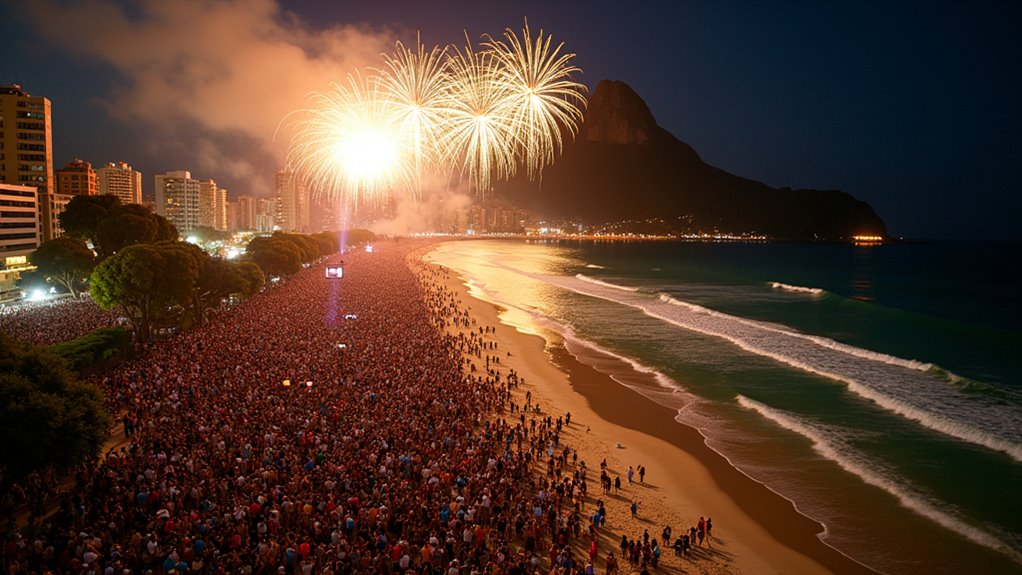
Two million revelers gather annually on Copacabana Beach for Réveillon, the world’s largest New Year’s Eve celebration that transforms Rio de Janeiro’s iconic shoreline into an unforgettable spectacle of fireworks, music, and Brazilian tradition.
You’ll witness a 12-16 minute fireworks display launched from eleven ocean barges, using 24 tons of pyrotechnics synchronized to music. Multiple stages host Brazilian and international artists throughout the night, while 1,100 illuminated drones create stunning sky patterns after midnight.
Wear white clothing for good luck and renewal—a cherished local tradition. Arrive before 8 PM to secure prime viewing spots, as the free event draws massive crowds.
You’ll experience samba dancing, Afro-Brazilian spiritual offerings to the sea, and an electric atmosphere that generates $650 million in annual tourism revenue. Officials expected approximately 2.5 million attendees for the 2024-2025 celebration, reflecting the event’s growing international appeal.
The Sum Up
You’ve got an incredible array of experiences waiting in Brazil, from iconic landmarks to hidden natural wonders. Don’t try to squeeze everything into one trip—you’ll burn out and miss the magic. Instead, pick three to five activities that genuinely excite you and dive deep. Whether you’re drawn to Rio’s energy, Amazon’s wilderness, or São Paulo’s culinary scene, give yourself time to truly absorb each experience. Brazil rewards travelers who savor rather than rush.