
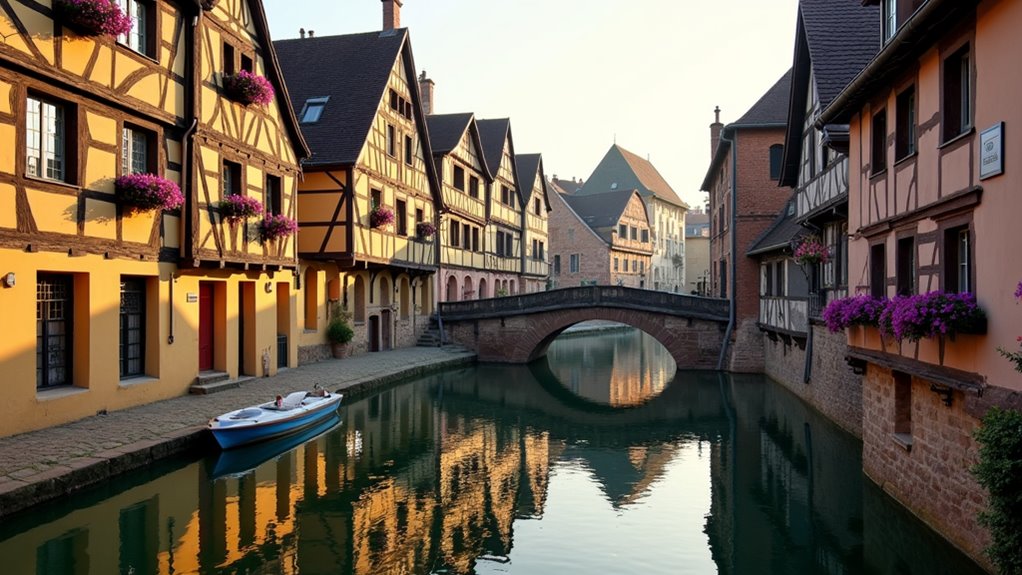
You’ve probably seen Colmar’s postcard-perfect canals on Instagram, but there’s so much more to this Alsatian gem than its photogenic facade. While most visitors stick to the obvious tourist trail, you’ll discover that the real magic happens when you know where to look—from hidden artistic masterpieces to centuries-old trading secrets tucked away in medieval corners. Here’s what the guidebooks won’t tell you about making the most of your time here.
- Wander Through Little Venice and the Fishmonger’s District
- Step Inside the Unterlinden Museum for the Isenheim Altarpiece
- Explore the Historic Merchant Streets and Renaissance Houses
- Visit St. Martin’s Church and the Dominican Church
- Browse the Covered Market Hall for Local Flavors
- Hunt for Auguste Bartholdi’s Statue of Liberty Connection
- Take a Morning Stroll Along the River Lauch
- Discover the Old Customs House and Medieval Trading History
- Day Trip to Nearby Alsace Wine Villages
- The Sum Up
Wander Through Little Venice and the Fishmonger’s District
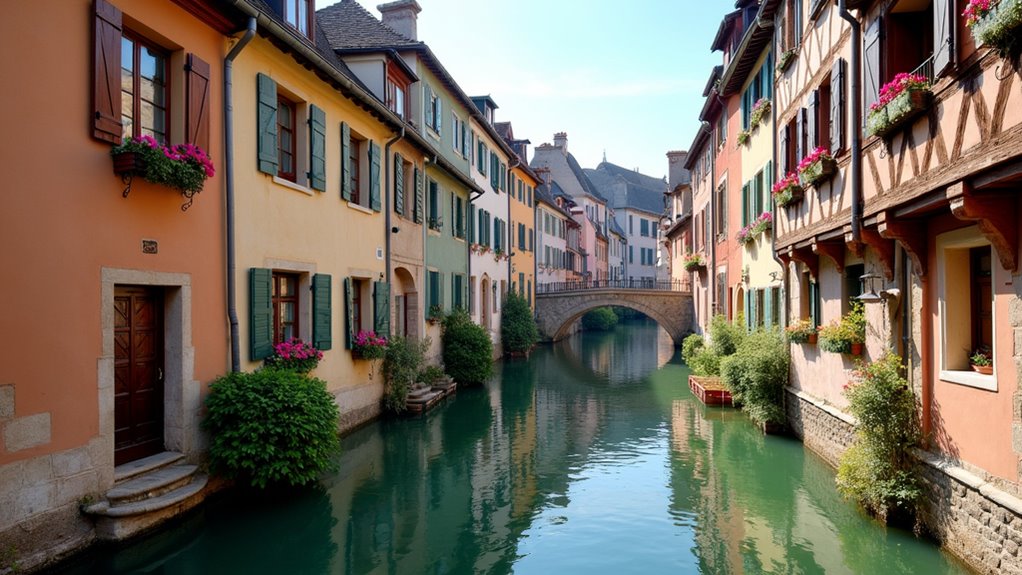
When you step into Colmar’s Little Venice, you’ll find yourself transported to a medieval merchant’s dream along the gentle Lauch River canals. You’ll discover colorful half-timbered houses from the 14th-18th centuries lining waterways where merchants once transported goods by boat. Take a traditional flat-bottomed boat tour for the best canal views and historic facades.
Next, explore the nearby Fishmonger’s District along Quai de la Poissonnerie, where medieval fishermen’s guilds once thrived. You’ll walk cobblestone streets lined with beautifully restored houses—many rebuilt after a devastating 1706 fire. The canals here originally facilitated fish transport and storage. This area was historically a trade area for butchers, fishmongers, and tanners who relied on the waterways for their businesses.
Both districts showcase authentic Alsatian architecture with their vibrant painted timber houses. Start your walking tour from the Covered Market and cross the small pedestrian bridges for Instagram-worthy shots.
Step Inside the Unterlinden Museum for the Isenheim Altarpiece
After exploring Colmar’s enchanting canals, you’ll want to dedicate at least half a day to the Unterlinden Museum—Alsace’s most visited cultural institution and home to one of Europe’s most powerful Renaissance masterpieces.
The Isenheim Altarpiece (1512–1516) by Matthias Grünewald is absolutely worth the trip alone. This monumental work’s raw emotional intensity will leave you speechless.
The museum itself beautifully merges a 13th-century Dominican convent with Herzog & de Meuron’s sleek contemporary extension, creating a stunning architectural dialogue between old and new.
Don’t rush through—the collection spans 7,000 years, from Gallo-Roman mosaics to works by Monet and Picasso. The museum stays open until 6 pm daily, giving you plenty of time to explore the extensive galleries.
The medieval cloister showcases exceptional pieces by Martin Schongauer and Lucas Cranach.
Plan your visit early to avoid crowds at this nationally recognized *Musée de France*.
Explore the Historic Merchant Streets and Renaissance Houses
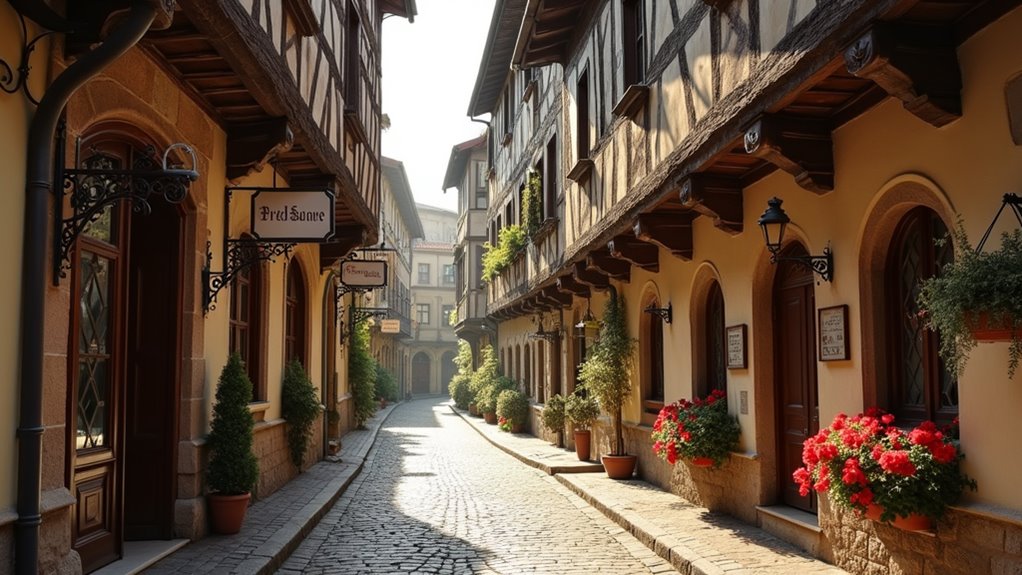
Beyond the museum’s walls, Colmar’s true architectural treasures await along the cobblestone merchant streets that’ve defined this city’s character for over 600 years. Start your exploration on Rue des Marchands, where colorful half-timbered houses showcase the perfect blend of French and German Alsatian influences through intricate carvings and vibrant paintwork.
Don’t miss Maison Pfister at number 11—this 1537 Renaissance masterpiece features stunning frescoes, an octagonal turret, and distinctive corner oriel windows that’ll transport you back to Colmar’s merchant heyday. The wealthy hatter Ludwig Scherer’s former home represents the earliest Renaissance architecture in the city.
Continue to Maison des Têtes, where 106 sculpted heads adorn the façade, demonstrating how prosperous merchants displayed their wealth through architectural artistry. The street culminates at a picturesque square offering stunning views of Saint Martin Church and additional architectural gems that complete this immersive historical experience.
Visit St. Martin’s Church and the Dominican Church
While Colmar’s merchant houses tell the story of commercial prosperity, the city’s magnificent churches reveal its deep spiritual heritage and architectural evolution spanning eight centuries.
Start with St. Martin’s Church, Colmar’s unofficial cathedral that’ll dominate your skyline photos. Built from pink Vosges sandstone between 1234-1365, it’s one of Alsace’s premier Gothic landmarks. Don’t miss the intricate Saint Nicholas Portal on the south transept and the distinctive Renaissance lantern bulb crowning the south tower. Inside, you’ll find impressive Baroque organs and medieval sculptures that showcase centuries of craftsmanship. During recent restoration work in 1982, archaeologists discovered foundations from 1000 AD, revealing that this sacred site has welcomed worshippers for over a millennium.
Then head to the smaller Dominican Church, where intimate Gothic spaces house stunning late-medieval frescoes and works by local master Martin Schongauer. The contrast between these two churches perfectly captures Colmar’s layered religious and artistic heritage.
Browse the Covered Market Hall for Local Flavors
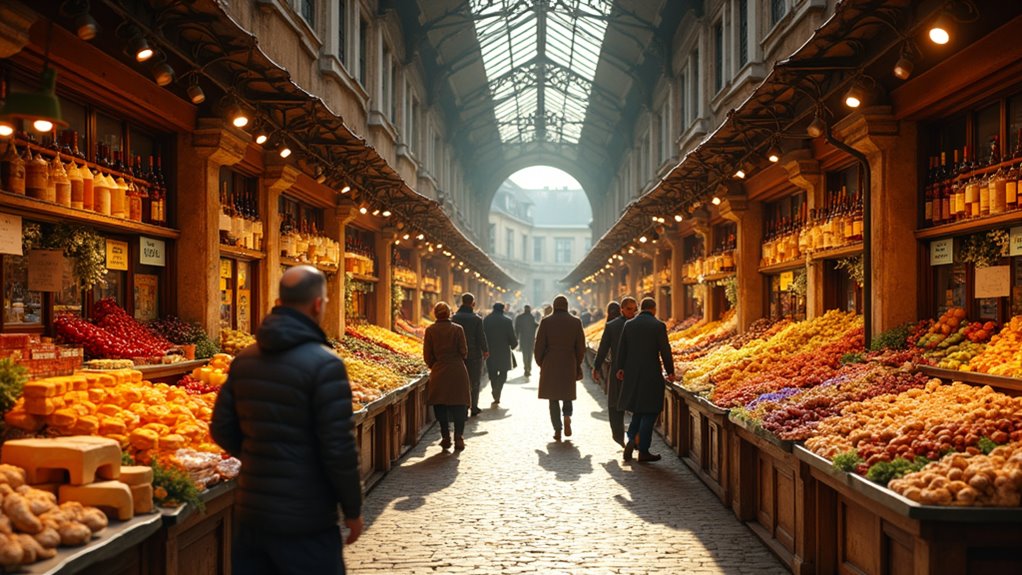
From exploring Colmar’s spiritual heritage, shift your focus to discovering the city’s culinary soul at the Covered Market Hall. Built in 1865 along the Lauch River in Petite Venise, this historic brick-and-stone marketplace houses about twenty local merchants selling fresh produce, artisanal cheeses, quality meats, and Alsatian specialties.
You’ll find the atmosphere clean and inviting, with vendors enthusiastic to offer samples of their products. The covered roof keeps you dry during unpredictable weather, while cast-iron columns create an authentic 19th-century ambiance. The market was designed by architect Louis-Michel Boltz, who created a functional yet elegant space that has served the community for over 150 years.
Visit Tuesday through Saturday (closed Mondays) for the best selection. Weekday mornings offer a more relaxed shopping experience with fewer crowds. Both cash and cards are accepted, making it easy to stock up on local delicacies.
Hunt for Auguste Bartholdi’s Statue of Liberty Connection
After sampling local delicacies, set out on a fascinating treasure hunt through Colmar’s streets to discover the artistic legacy of Auguste Bartholdi, the hometown sculptor who gave America its most iconic symbol. Start at 30 Rue des Marchands, where the Musée Bartholdi showcases original Statue of Liberty models and sketches in his actual birthplace.
Next, head to Place Rapp to see his first major work—the bronze statue of General Jean Rapp from 1856, which foreshadowed Liberty’s heroic pose and monumental scale. Don’t miss the Bruat and Schwendi fountains, plus his tribute to local craftsmen near the Old Customs House.
These monuments reveal how Bartholdi perfected his colossal sculpture techniques right here in Colmar before creating Lady Liberty. His travels through Yemen and Egypt in the 1850s first sparked his fascination with monumental sculpture, ultimately inspiring the grand scale of his most famous creation.
Take a Morning Stroll Along the River Lauch
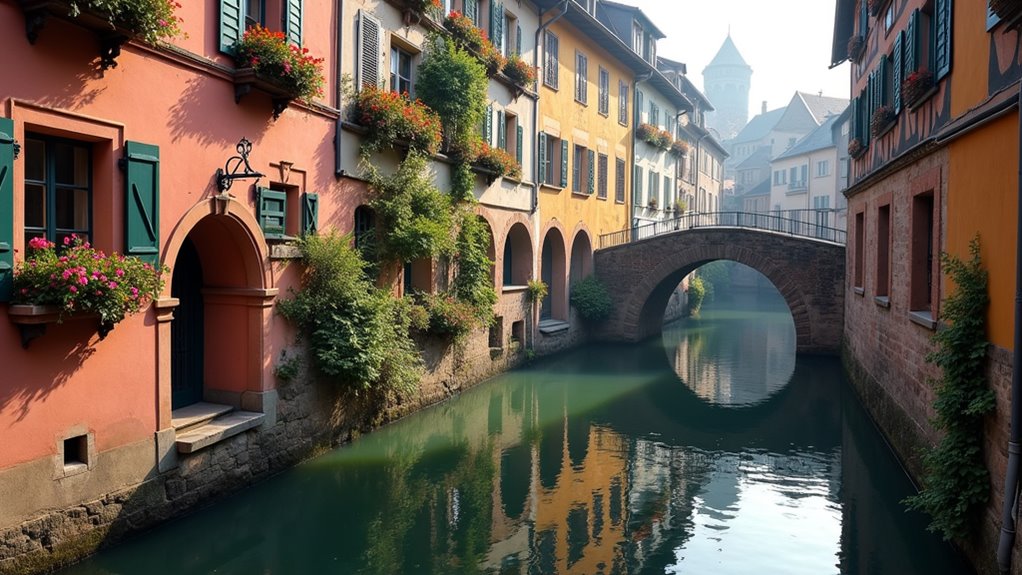
As dawn breaks over Colmar’s cobblestones, the River Lauch beckons with its mirror-like waters reflecting centuries-old timber houses in perfect stillness. You’ll want to start early at Little Venice, where the fairytale ambiance hits differently without tourist crowds.
The walk from Koïfhus to the southeast bridges reveals Instagram-worthy angles, especially from Pont Rue Turenne and Pont Saint Pierre.
Don’t miss Quai de la Poissonnerie – this former fishermen’s quarter offers the most iconic shots. Keep your eyes peeled for otters if you’re lucky.
The polychrome half-timbered houses with their cascading flower boxes create that storybook aesthetic Colmar’s famous for. For a different perspective, consider taking one of the boat cruises that glide through these historic waterways, offering unique angles of the colorful facades from river level.
Pro tip: grab coffee at Aux Amis de la Lauch mid-route, then continue exploring the quieter side streets like Rue de la Poissonnerie for artisan discoveries.
Discover the Old Customs House and Medieval Trading History
While modern Colmar charms visitors with its postcard-perfect canals, the real power center of medieval trade stands just steps away at the Koïfhus. This striking Gothic building with its iconic green-tiled roof controlled all goods entering the city from 1433 onward.
You’ll find it at the intersection of Grand’Rue and rue des Marchands—no accident, as this was Colmar’s main trade artery.
Don’t just admire the exterior; step inside to see the grand hall where the Décapole federation once met. The exposed wooden beams and stone walls tell stories of merchant negotiations and political alliances that shaped Alsace.
Today’s shops and restaurant occupy the same ground floor where medieval traders once stored their goods and paid customs duties. The building’s colorful tiled roof and timber-framed facade showcase the distinctive blend of Gothic and Renaissance architectural styles that define this remarkable structure.
Day Trip to Nearby Alsace Wine Villages
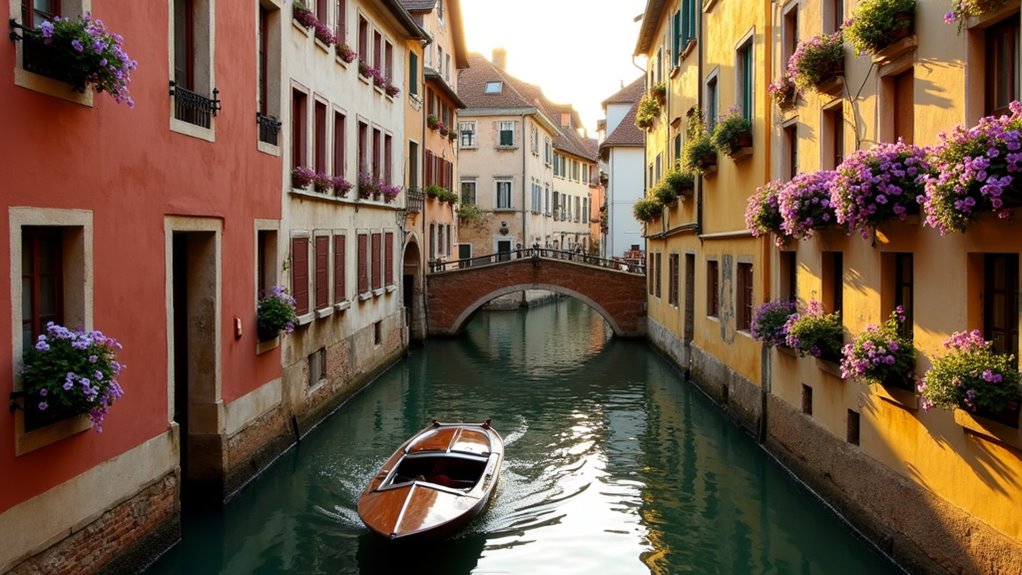
Colmar’s medieval charm provides the perfect home base for exploring Alsace’s legendary wine villages, each one more photogenic than the last. Start with Eguisheim, just 15 minutes south—this circular fairytale village earned “France’s Favorite Village” status for good reason. Its concentric streets and colorful half-timbered houses make every corner Instagram-worthy.
Riquewihr, the “Little Pearl of Alsace,” offers cobbled streets and 13-generation wine families ready to share their craft. Don’t miss the Geo Vino trail for panoramic vineyard views.
Kaysersberg combines medieval bridges with award-winning Rieslings, while Ribeauvillé provides castle ruins and quieter tastings away from crowds. The town celebrates its heritage with the 600-year-old Pfifferdaj, a lively festival that showcases centuries of local tradition.
Pro tip: Visit smaller gems like Hunawihr or Niedermorschwihr for that perfect photo without the tour bus chaos.
The Sum Up
You’ve now got the insider’s roadmap to Colmar’s best-kept secrets and must-see highlights. Don’t try to cram everything into one rushed day—this fairy-tale town deserves your time and attention. Start early with the quieter spots like Little Venice, hit the museums during midday crowds, and save the wine village day trips for when you’ve gotten your bearings. Trust me, you’ll want to return to this Alsatian gem again and again.