
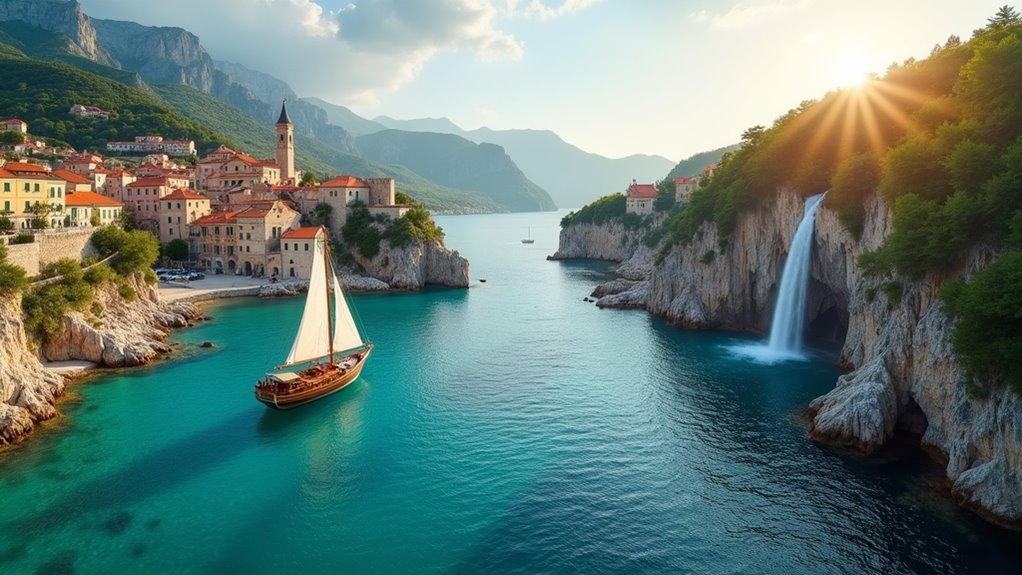
You’re probably picturing Croatia as just another expensive European destination, but here’s what most travelers don’t realize: this stunning Adriatic gem offers incredible experiences that won’t drain your bank account. From sunrise walks along ancient walls to swimming beneath cascading waterfalls, Croatia delivers unforgettable moments without the premium price tag of Western Europe. The secret lies in knowing which experiences pack the biggest punch for your travel budget—and that’s where things get interesting.
- Walk the Medieval Walls of Dubrovnik at Sunrise
- Experience the Cascading Waters of Plitvice Lakes National Park
- Explore Ancient Roman Life at Diocletian’s Palace in Split
- Swim Beneath the Waterfalls at Krka National Park
- Island-Hop Through the Pakleni Islands From Hvar
- Discover Zagreb’s Upper Town and Historic Markets
- Taste World-Class Truffles and Wine in Central Istria
- Party Under the Stars at Zrće Beach on Pag Island
- Climb Vidova Gora Peak for Croatia’s Best Island Views
- Sample Award-Winning Pag Cheese at Local Dairies
- Hear the Sea Organ’s Music in Zadar’s Old Town
- Sail to Hidden Coves Around Brač and the Golden Horn
- Visit the Museum of Broken Relationships in Zagreb
- The Sum Up
Walk the Medieval Walls of Dubrovnik at Sunrise
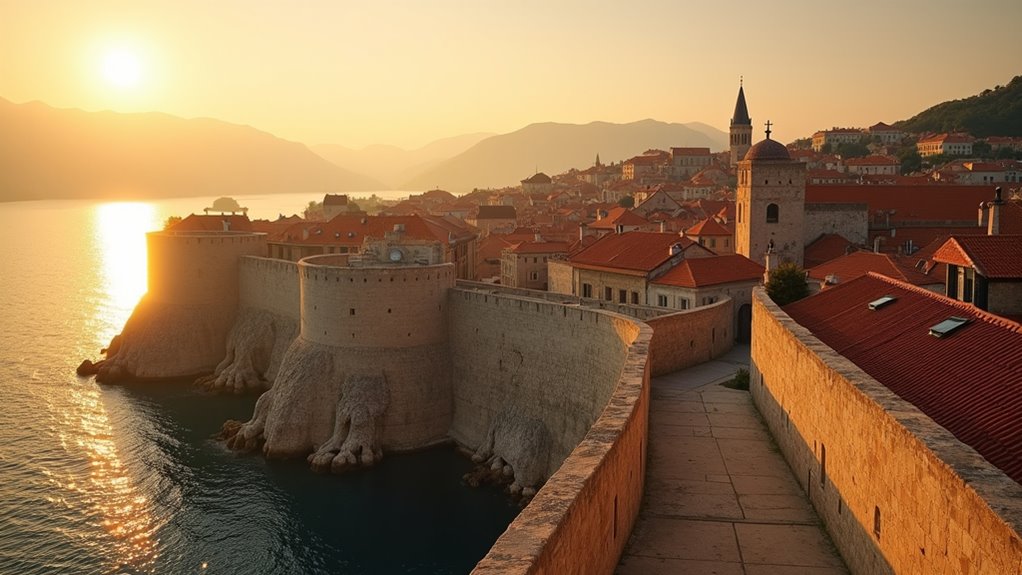
While most travelers crowd Dubrovnik’s famous walls during peak hours, you’ll have this UNESCO World Heritage Site virtually to yourself if you start your walk at sunrise. The 2-kilometer circuit takes about two hours, giving you plenty of time to capture stunning photos of terracotta rooftops against the Adriatic Sea’s soft dawn glow.
You’ll need moderate fitness for the steep stairs and cobblestone paths. Start at Pile Gate and work your way to Minceta Tower for the best panoramic views. Remember to follow the one-way traffic rule that ensures safety and proper crowd management along the medieval fortifications.
Budget around €40 for wall access, plus tour costs if you want a licensed guide sharing historical insights about these six-century-old fortifications.
Wear comfortable walking shoes and bring water. The walls’ medieval cannons and defensive forts tell stories of Dubrovnik’s resilient past.
Experience the Cascading Waters of Plitvice Lakes National Park
When you step into Plitvice Lakes National Park, you’re entering Croatia’s crown jewel—a 73,000-acre wonderland where 16 turquoise lakes cascade into each other through a maze of waterfalls and natural travertine dams.
You’ll witness the spectacular Great Waterfall plunging 78 meters, making it Croatia’s tallest. The lake colors shift from emerald to azure depending on sunlight and minerals—it’s nature’s own light show.
Take advantage of the park’s electric boats and trains included in your entrance fee to cover more ground efficiently.
You can’t swim here (ecosystem protection), but the wooden walkways get you incredibly close to the action.
With over 1,400 plant species and bears roaming the forests, you’re experiencing one of Europe’s most biodiverse destinations. The park shelters 259 animal species, including critically endangered lynx and wolves that roam these ancient forests.
Explore Ancient Roman Life at Diocletian’s Palace in Split
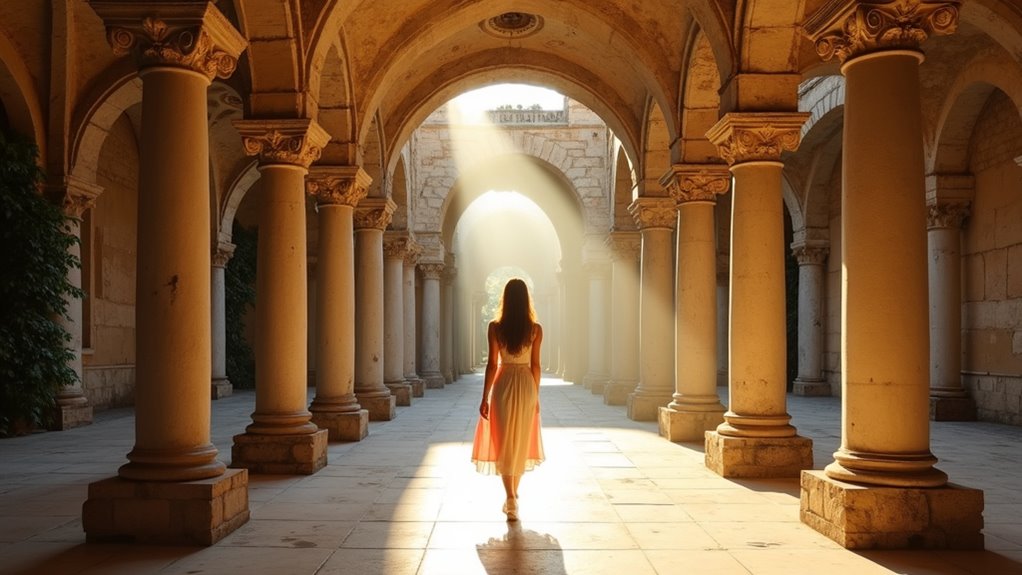
Step through the ancient gates of Diocletian’s Palace in Split, and you’re walking directly into a living piece of Roman history that’s been continuously inhabited for over 1,700 years. Built between 295-305 CE as Emperor Diocletian’s retirement home, this UNESCO World Heritage Site isn’t a museum—it’s a thriving neighborhood where 3,000 people live among Roman ruins.
You’ll discover cafes tucked inside ancient walls, shops built into former imperial chambers, and restaurants where locals dine beneath centuries-old arches. The massive complex covers 7 acres and features walls that rise up to 72 feet high on the seaside, creating an impressive fortress-like appearance. Don’t miss the cathedral, originally Diocletian’s mausoleum, and the Temple of Jupiter turned baptistery.
Walking tours offer affordable ways to understand the palace’s evolution from imperial residence to medieval fortress to modern Split‘s beating heart. It’s history you can touch, taste, and truly experience.
Swim Beneath the Waterfalls at Krka National Park
Since Croatia’s Plitvice Lakes banned swimming entirely, Krka National Park has become your best bet for diving into crystal-clear waters beneath cascading waterfalls—though you’ll need to know where you can actually take that invigorating plunge.
Swimming’s now prohibited at the famous Skradinski Buk waterfall, but you’ve got three designated spots: Roški Slap (with emerald waters beneath a 22.5-meter cascade), plus the quieter Stinice and Pisak near Visovac Island.
The official season runs June through September, though expect chilly temperatures even in summer. For the most peaceful experience, plan your visit during late spring or early autumn when the park is less crowded and temperatures are more comfortable.
Pack water shoes for sharp rocks and arrive early to beat crowds. Enter through Lozovac (best parking) or Skradin (scenic boat rides).
Limited changing facilities mean planning ahead, but you’ll experience something truly rare—swimming beneath Mediterranean waterfalls.
Island-Hop Through the Pakleni Islands From Hvar
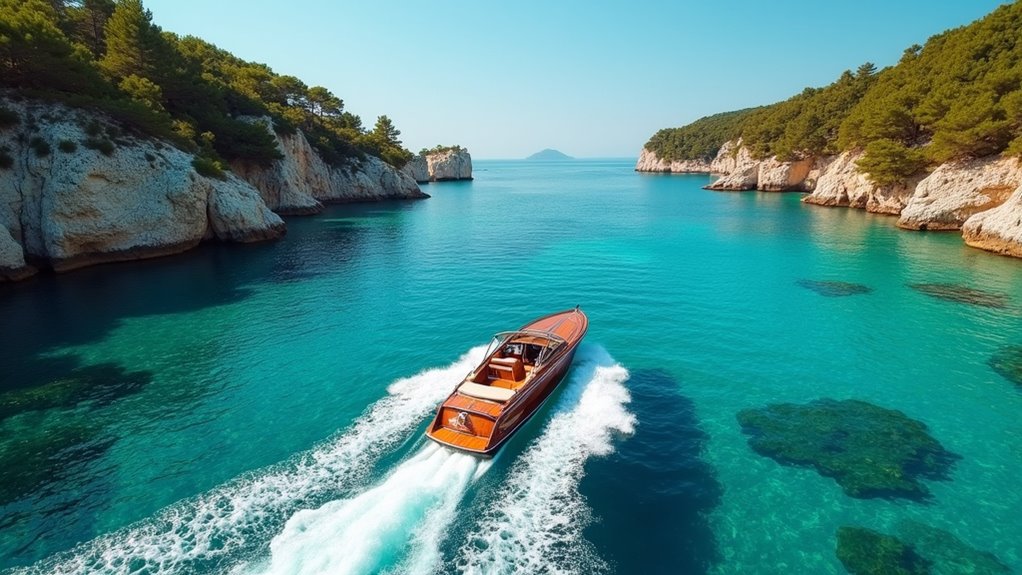
Just a short boat ride from Hvar Town, the Pakleni Islands offer Croatia’s most accessible island-hopping adventure—14 pristine islets scattered like emeralds across turquoise waters. You’ll find budget-friendly water taxis departing regularly, making day trips affordable and convenient.
Start at Sveti Klement’s Palmižana for sandy beaches and waterfront dining, then explore secluded coves like Mlini bay for swimming and snorkeling. The islands feature protected yacht marina facilities at Palmižana, making it a popular hub for boaters exploring the archipelago. Jerolim and Marinkovac offer quieter alternatives with rocky shores perfect for sunbathing.
Pack your own lunch to save money—many islands have pristine spots without restaurants.
Rent a kayak for the ultimate island-hopping experience, paddling between limestone cliffs and hidden beaches. The archipelago stretches 10 kilometers, giving you endless coves to discover while staying within sight of Hvar’s coastline.
Discover Zagreb’s Upper Town and Historic Markets
While modern Zagreb bustles below, the cobblestone streets of Upper Town transport you back centuries to a world where gas lamps flicker at dusk and medieval towers watch over baroque churches.
You’ll climb via the world’s shortest funicular or hike up for free panoramic views from Lotrščak Tower, where cannon fire marks noon daily.
Don’t miss Saint Mark’s Church with its stunning tiled roof displaying Croatian coats of arms, or the Stone Gate shrine where locals light candles.
The Museum of Broken Relationships offers quirky entertainment on a budget. For the best experience, plan your visit during weekday mornings when crowds are lighter and you can peacefully explore the historic atmosphere.
Head to nearby Dolac Market for fresh Croatian produce and authentic flavors, then stroll Tkalčićeva Street’s affordable cafés.
You’ll experience centuries of history while keeping costs down in this atmospheric medieval quarter.
Taste World-Class Truffles and Wine in Central Istria

From Zagreb’s historic charm, your taste buds await an entirely different adventure in Central Istria, where the earth yields Croatia’s most prized culinary treasures. You’ll find world-class white and black truffles hidden beneath Motovun Forest’s loamy clay soil, hunted by specially trained dogs from late September through January.
Join truffle hunting tours for €50-€150 per person, then savor your finds with traditional fuži pasta or gnocchi. Don’t miss the Zigante Truffle Days in Livade or Buzet’s September festivals, where 50,000 visitors gather annually for tastings and workshops.
Pair your truffle dishes with robust local Teran wine, grown in the same favorable microclimate. Croatian truffles are renowned for their robust flavor and aromatic intensity, comparing favorably with Italian and French varieties. Local markets offer truffle chocolates, condiments, and other affordable souvenirs to extend your gourmet experience.
Party Under the Stars at Zrće Beach on Pag Island
After savoring Istria’s earthy truffle delights, you’ll discover Croatia’s wildest party scene awaits on Pag Island’s legendary Zrće Beach. Known as “Croatian Ibiza,” this pebble beach transforms into Europe’s ultimate party destination where you’ll dance under starlit skies from sunset to sunrise.
Four major open-air clubs—Papaya, Aquarius, Noa, and Kalypso—host world-renowned DJs spinning house, EDM, and hardstyle beats. You’ll find pools built right into dance floors, creating an unforgettable party-meets-beach vibe. The seawater here is pristine and holds the Blue Flag award for exceptional water quality.
Stay in nearby Novalja town for budget-friendly accommodations and catch shuttle buses running 24/7 to the beach.
Visit during June for free after-beach parties, or embrace the peak summer energy when 60,000 partygoers create an electric atmosphere that’ll make your Croatian adventure truly unforgettable.
Climb Vidova Gora Peak for Croatia’s Best Island Views
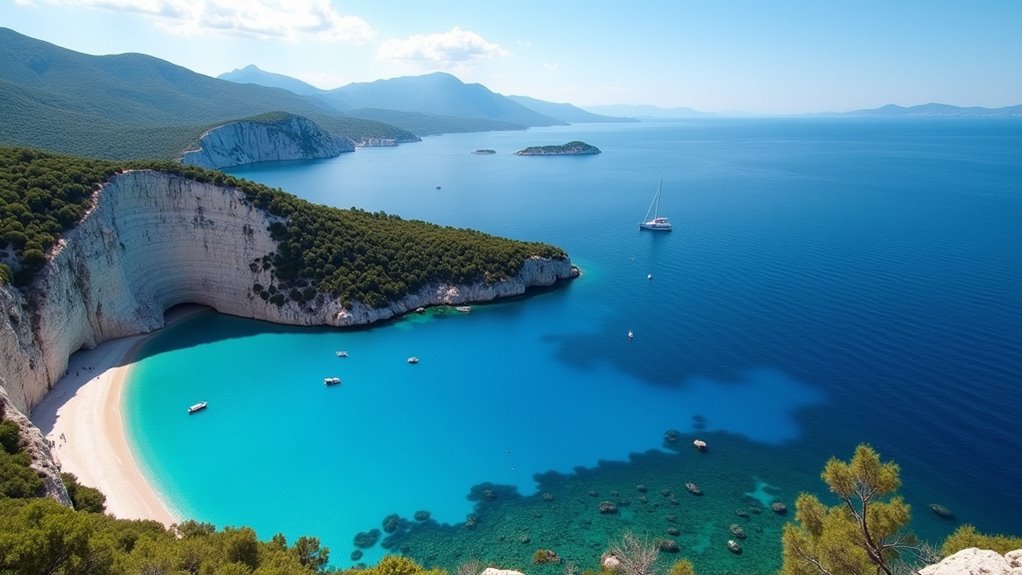
Once you’ve danced away the night at Zrće Beach, you’ll want to experience Croatia’s most breathtaking island panorama by conquering Vidova Gora Peak on Brač Island. At 778 meters, it’s the highest point on all Adriatic islands, offering unmatched views of Zlatni Rat beach and surrounding islands like Hvar and Korčula.
The 10.6-kilometer round-trip hike starts from Bol village, following red and white blazes through aromatic pine forests. You’ll gain 700 meters of elevation over moderately challenging terrain that takes 3-5 hours to complete. The rocky trail requires careful footing but rewards you with sweeping Adriatic vistas. Along the way, you’ll encounter livestock gates and pass through areas dotted with olive trees and wild rosemary.
Skip expensive tours—this adventure costs nothing but effort. The summit features a 12-meter stone cross and provides Croatia’s most spectacular island viewpoint, especially at sunrise or sunset.
Sample Award-Winning Pag Cheese at Local Dairies
While you’re exploring Brač Island’s heights, don’t miss the culinary treasures waiting on nearby Pag Island, where local dairies craft Croatia’s most celebrated cheese. You’ll discover Pag cheese‘s unique flavor comes from sheep grazing on salty, aromatic herbs influenced by the island’s bora winds.
Visit Sirana Gligora or other local dairies for guided tours and tastings that won’t break your budget. You’ll watch traditional cheesemaking using raw sheep milk, hand-pressed into wheels and aged in controlled cellars for up to two years. The Protected Designation of Origin cheese develops complex savory notes during aging.
Don’t skip trying skuta, a mild fresh cheese made from leftover whey. Many dairies offer affordable sampling sessions where you’ll taste different aging stages and learn about centuries-old production methods. Look for the authenticity label that guarantees you’re experiencing genuine Pag cheese made according to strict regional and traditional criteria.
Hear the Sea Organ’s Music in Zadar’s Old Town
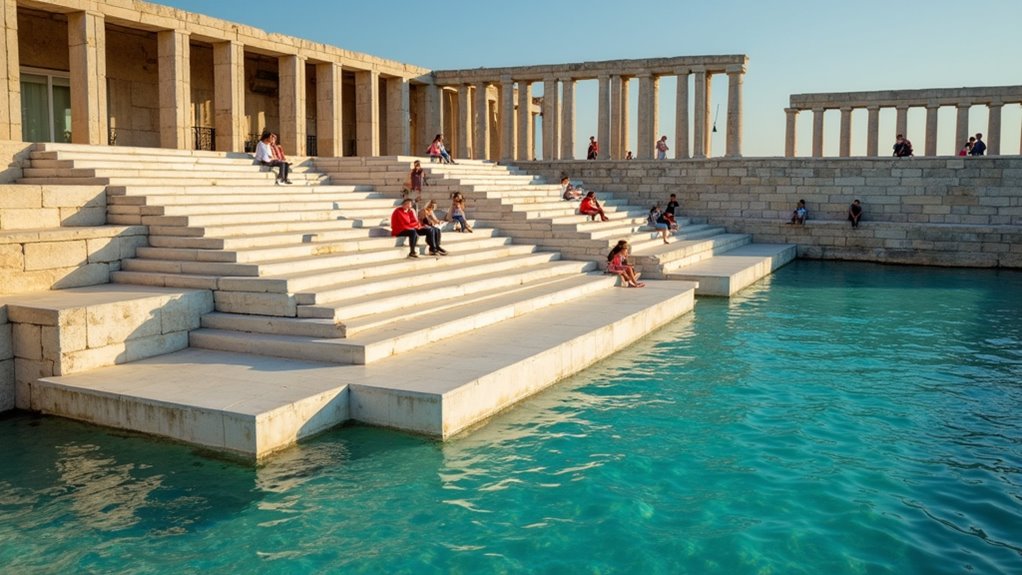
As you stroll along Zadar’s waterfront promenade, you’ll encounter one of Croatia’s most ingenious attractions—the Sea Organ, where nature itself becomes the musician. This remarkable installation stretches 70 meters along Obala Petra Krešimira IV, featuring marble steps that descend into the Adriatic.
Hidden beneath are 35 organ pipes that transform waves into hauntingly beautiful music. You’ll hear constantly changing melodies in C major and G major as waves push air through carefully tuned channels. The sounds vary with tides, wind, and wave intensity, creating a unique performance every visit.
Best of all, it’s completely free. Grab a spot on the steps during sunset when crowds gather to enjoy this natural symphony. The Sea Organ’s won international recognition for good reason—it’s truly unforgettable. This innovative creation by Croatian architect Nikola Bašić helped transform what was once an uninviting concrete shoreline into a beloved public gathering space.
Sail to Hidden Coves Around Brač and the Golden Horn
Beyond Zadar’s musical shores, Croatia’s islands offer their own symphony of hidden treasures waiting to be discovered by sail. Brač’s secluded coves provide perfect anchorage in 4-10 meters with excellent holding ground. You’ll find tranquil spots like Murvica Bay, where pine shade and sandy patches create peaceful overnight stays away from crowds.
Don’t miss Smrka Bay’s extraordinary submarine tunnel—a Yugoslav-era military relic carved 50+ meters into rock that you can explore by tender. While Zlatni Rat draws crowds, anchoring west of the famous horn offers stunning morning views before travelers arrive.
Budget-friendly options include small marinas like Povlja with essential facilities, or simply anchor in protected coves for free. For a completely different perspective, climb Vidova Gora at 778 meters to witness panoramic views stretching across Hvar and Vis on clear days.
Local skippers offer affordable transfers to inaccessible beaches, making island-hopping adventures surprisingly affordable.
Visit the Museum of Broken Relationships in Zagreb
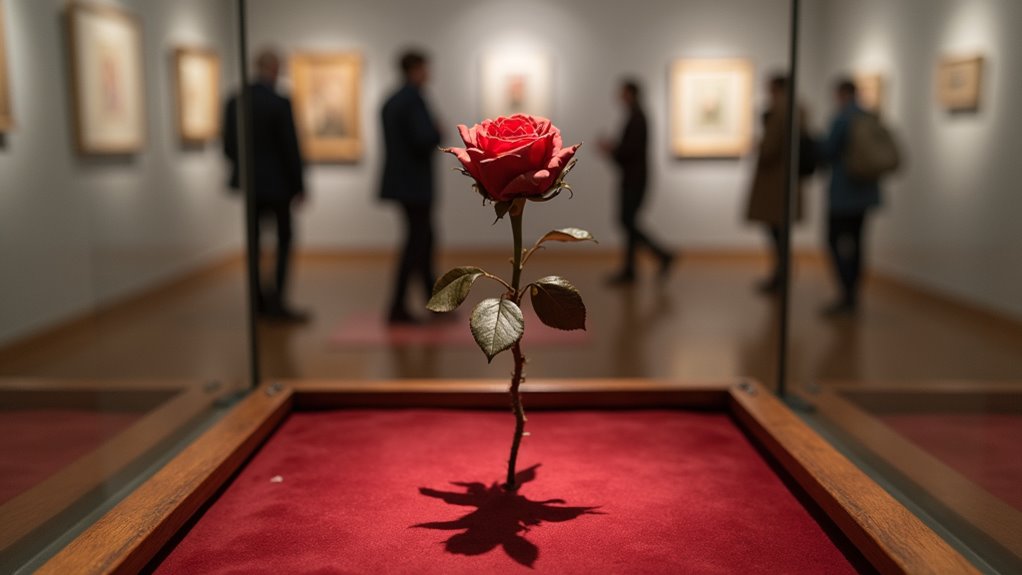
When you need a break from Croatia’s stunning coastline, Zagreb’s Museum of Broken Relationships offers one of the world’s most emotionally powerful cultural experiences. Located in the historic Upper Town’s Baroque Kulmer Palace, this unique museum displays around 90 donated objects from failed relationships worldwide—everything from love letters to unusual mementos like returned Easter eggs.
Each item comes with anonymous personal stories that’ll make you laugh, cry, or both. You can contribute your own breakup artifacts by mail or in person, becoming part of this evolving collection. The “Book of Confessions” lets you record reflections alongside international visitors.
This award-winning museum transforms heartbreak into art, creating a surprisingly healing space that celebrates human resilience and connection. The museum was born from an art project by former couple Dražen Grubišić and Olinka Vištica after their own breakup in 2006.
The Sum Up
You’ve got 13 incredible experiences waiting for you in Croatia, and you don’t need to break the bank to enjoy them. Mix free activities like walking Dubrovnik’s walls or listening to Zadar’s Sea Organ with budget-friendly adventures like exploring national parks. Book accommodations early, travel during shoulder season, and pack snacks for day trips. Croatia’s magic isn’t expensive – it’s accessible, authentic, and absolutely worth every kuna you’ll spend.