
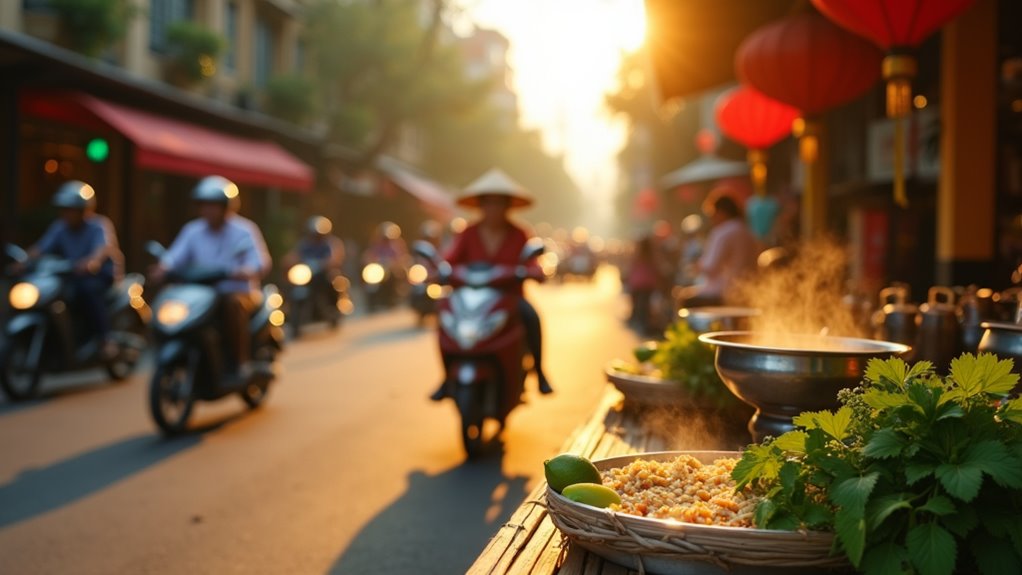
Travelers often wonder if Hanoi’s reputation for incredible experiences lives up to the hype. The Vietnamese capital doesn’t disappoint—it’s packed with affordable adventures that locals actually recommend. From sunrise prayers at ancient temples to midnight street food crawls through narrow alleys, the city offers authentic encounters that guidebooks rarely mention. These aren’t tourist traps but genuine local favorites that reveal why Hanoi captivates visitors long after they’ve returned home.
- Soak Up the Spirit at Hoan Kiem Lake and Ngoc Son Temple
- Explore Vietnam’s Scholarly Roots at the Temple of Literature
- Wander the Chaotic Charm of Hanoi’s Old Quarter
- Pay Respects at Ho Chi Minh Mausoleum Complex
- Discover Ancient History at the Imperial Citadel of Thang Long
- Experience the Thrill of Train Street’s Narrow Escapes
- Find Peace at West Lake and Tran Quoc Pagoda
- Hunt for Treasures at Long Bien Bridge Night Markets
- Savor Hanoi’s Famous Egg Coffee and Street Food Scene
- Reflect on History at Hoa Lo Prison Museum
- Marvel at the Unique One Pillar Pagoda
- Get Sky-High Views From Lotte Center Observation Deck
Soak Up the Spirit at Hoan Kiem Lake and Ngoc Son Temple
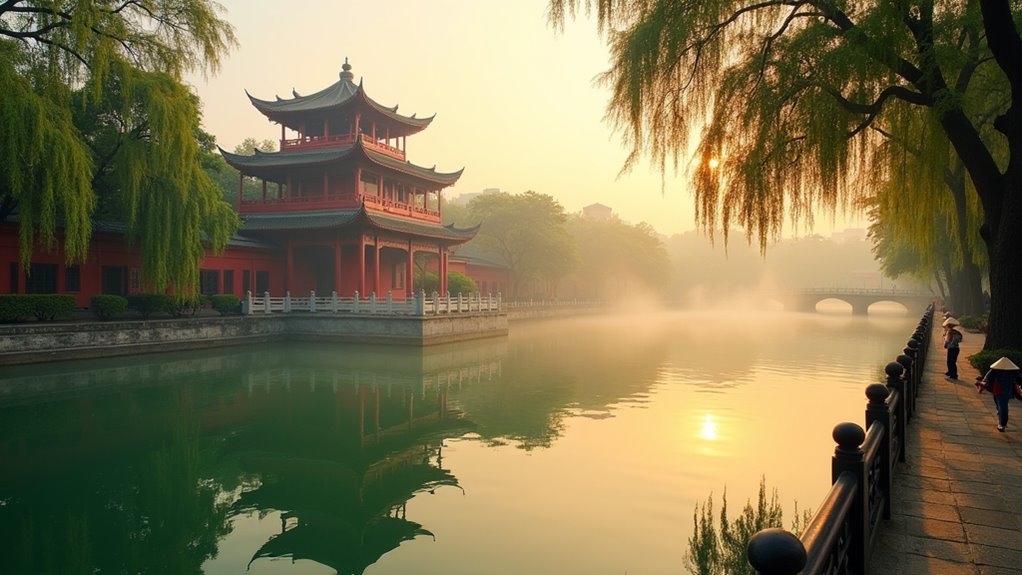
When travelers step into Hanoi’s bustling streets, they’ll find their natural gravitational pull leads them to Hoan Kiem Lake—the city’s spiritual heart that doesn’t cost a single dong to experience. This 12-hectare oasis buzzes with locals practicing Tai Chi at dawn while historic architecture creates a stunning backdrop of lush greenery.
The real gem sits on Jade Island: Ngoc Son Temple, accessible via the iconic red Thê Húc Bridge. Inside, visitors discover shrines honoring 13th-century military leader Tran Hung Dao and celebrated scholars. The temple’s classic Vietnamese architecture features ornate wooden structures and intricate stone statues that tell stories of the nation’s rich heritage.
Weekend traffic-free zones make lakeside strolls even more enjoyable, creating perfect conditions for budget-conscious exploration.
Explore Vietnam’s Scholarly Roots at the Temple of Literature
Just a short walk from Hoan Kiem Lake’s bustling energy, history enthusiasts will discover Vietnam’s most prestigious educational landmark at the Temple of Literature. Established in 1070 as Vietnam’s first university dedicated to Confucius, this remarkable site showcases traditional Vietnamese architecture through its scenic courtyards and preserved wooden halls from the 11th century.
Visitors can wander through the traditional courtyard arrangement, admiring stone steles that honor distinguished scholars throughout Vietnam’s history. The temple’s layout provides excellent photo opportunities while offering insight into the country’s deep respect for education and learning.
The peaceful atmosphere contrasts beautifully with Hanoi’s street chaos, making it an ideal spot for reflection. Entry fees remain budget-friendly, and the temple’s central location makes it easily accessible for travelers exploring the Old Quarter area.
Wander the Chaotic Charm of Hanoi’s Old Quarter
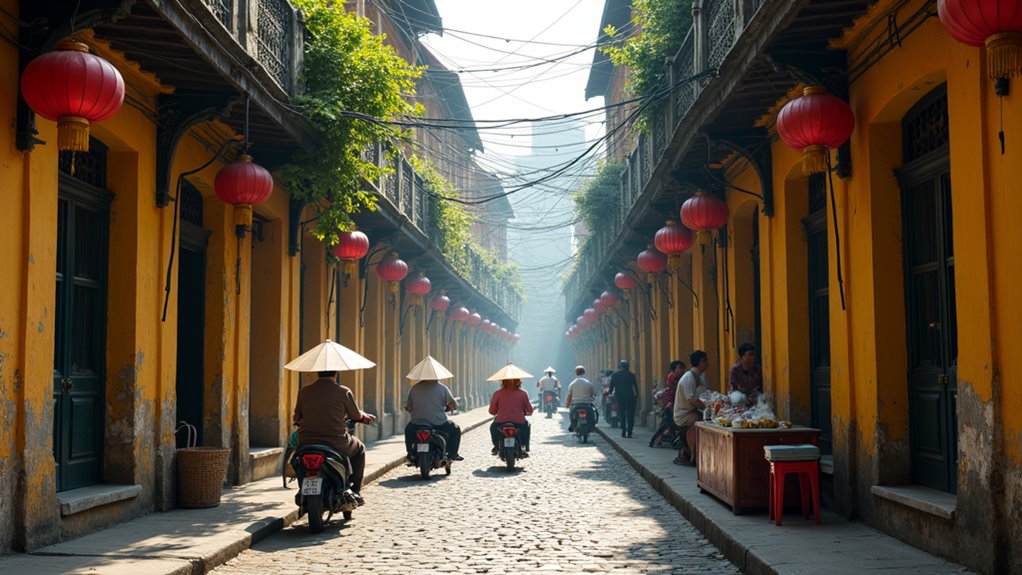
While the Temple of Literature offers scholarly tranquility, travelers seeking Hanoi’s authentic pulse will find it beating strongest in the Old Quarter‘s maze-like streets. This historic district delivers sensory overload through bustling motorbikes, colonial architecture, and aromatic street food stalls creating an immersive cultural experience.
Budget-conscious explorers can spend hours wandering these narrow lanes without spending a dong. Hang Gai Street showcases silk products and souvenirs, while countless vendors serve authentic phở and bánh mì at wallet-friendly prices. The architecture tells Vietnam’s colonial story through weathered facades and traditional shophouses.
Street food tours aren’t necessary here—simply follow your nose to discover local specialties. The Old Quarter’s chaotic energy peaks during evening hours when locals gather for dinner, making it perfect for authentic culture.
Pay Respects at Ho Chi Minh Mausoleum Complex
After experiencing the Old Quarter’s vibrant chaos, visitors seeking Vietnam’s most solemn and significant site should head to the Ho Chi Minh Mausoleum Complex. This granite monument serves as the final resting place of Vietnam’s revered leader, where his embalmed body remains on display for public viewing.
The complex offers more than just the mausoleum itself. Travelers can explore the surrounding green spaces and visit Ho Chi Minh’s modest Stilt House, which provides insight into his simple lifestyle. The commanding mid-1970s architecture embodies modern Vietnamese monumental design.
Visitors should dress respectfully and arrive early, as crowds gather quickly. The site’s free admission makes it budget-friendly, though strict protocols govern behavior inside.
This powerful experience connects travelers with Vietnam’s revolutionary history and national identity.
Discover Ancient History at the Imperial Citadel of Thang Long
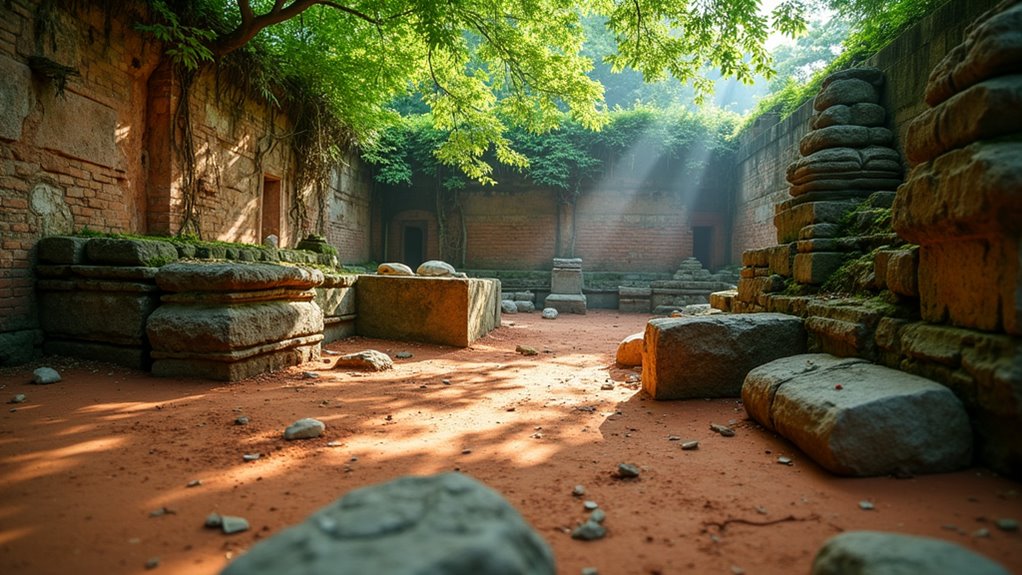
For travelers keen to explore deeper into Vietnam’s imperial past, the Imperial Citadel of Thang Long offers an extraordinary journey through over 13 centuries of political and military history. This UNESCO World Heritage site served as Vietnam’s political and military center, housing artifacts spanning from the 6th to 20th centuries that tell the nation’s compelling story.
Visitors can explore ancient foundations, royal palaces, and archaeological discoveries that reveal layers of Vietnamese civilization. The site’s museum displays pottery, weapons, and architectural remnants from different dynasties, providing tangible connections to Vietnam’s rulers and their legacies.
At approximately 30,000 VND (roughly $1.25), it’s an affordable way to understand Vietnam’s complex history. Budget-conscious travelers will appreciate the reasonable entry fee for such significant historical insights and well-preserved artifacts.
Experience the Thrill of Train Street’s Narrow Escapes
When adventurous travelers crave an adrenaline rush without spending a dime, Train Street delivers one of Hanoi’s most heart-pounding experiences. This narrow street features active train tracks where locomotives thunder past mere inches from street-side cafes and curious onlookers.
Visitors can grab Vietnamese coffee at tiny establishments lining the tracks, then step back as massive trains barrel through the cramped corridor. The proximity creates an electrifying atmosphere that’s become legendary among backpackers and thrill-seekers.
Timing varies, so locals often know the schedule better than official sources. Street-side vendors sell snacks while travelers wait for the next rumbling spectacle. It’s completely free entertainment that captures Hanoi’s unique blend of urban chaos and everyday life, making it a must-see attraction for budget-conscious adventurers.
Find Peace at West Lake and Tran Quoc Pagoda
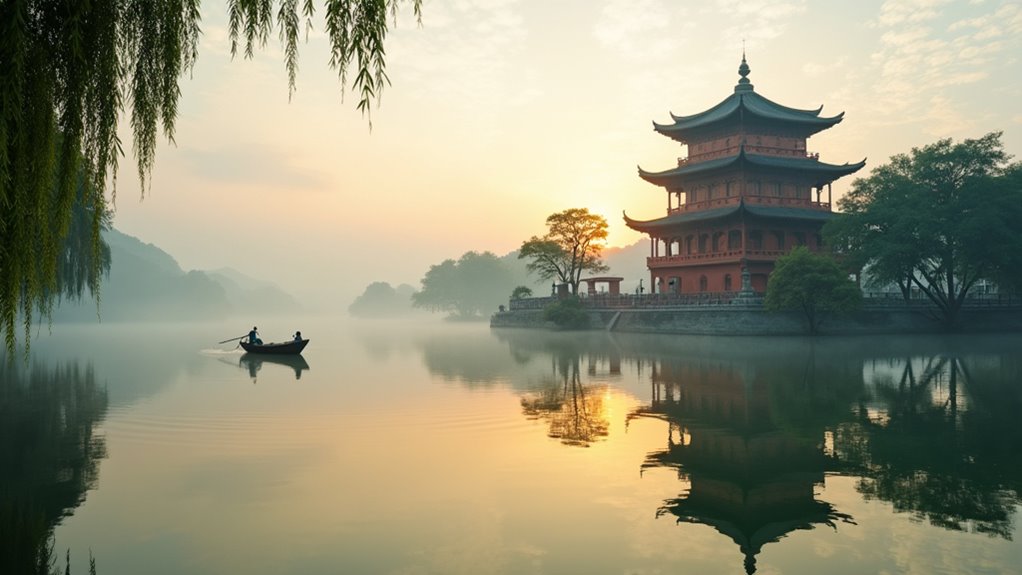
While Train Street delivers urban intensity, West Lake offers travelers a completely different side of Hanoi where tranquility replaces chaos.
Covering 500 hectares, this massive freshwater lake provides the perfect escape from the city’s relentless energy. Visitors can stroll along the peaceful shoreline parks or rent a bicycle to explore the upscale neighborhoods surrounding the water.
The lake’s crown jewel is Tran Quoc Pagoda, Hanoi’s oldest Buddhist temple. This striking reddish structure rises elegantly from the water’s edge, creating picture-perfect reflections. Built centuries ago, it’s become one of Vietnam’s most photographed religious sites.
The pagoda offers free entry, making it budget-friendly for travelers. Early morning visits provide the best experience, when locals practice tai chi and the soft light enhances the temple’s ancient beauty.
Hunt for Treasures at Long Bien Bridge Night Markets
After soaking up the serenity of West Lake, travelers seeking authentic local culture should head to Long Bien Bridge as darkness falls. This historic railway bridge transforms into a bustling marketplace where locals gather to buy and sell everything from fresh produce to handmade crafts.
The night markets here offer incredible bargains compared to tourist-heavy areas. Visitors can browse weekend craft stalls featuring local artisans’ work, then explore the early morning wholesale fruit and vegetable trading that begins around 3 AM.
The Long Bien Cultural Park beneath the bridge adds another dimension with converted railway carriage restaurants and industrial heritage exhibitions.
Smart shoppers arrive with cash and basic Vietnamese phrases for negotiating. The authentic atmosphere and rock-bottom prices make this spot perfect for budget-conscious travelers wanting genuine local experiences.
Savor Hanoi’s Famous Egg Coffee and Street Food Scene
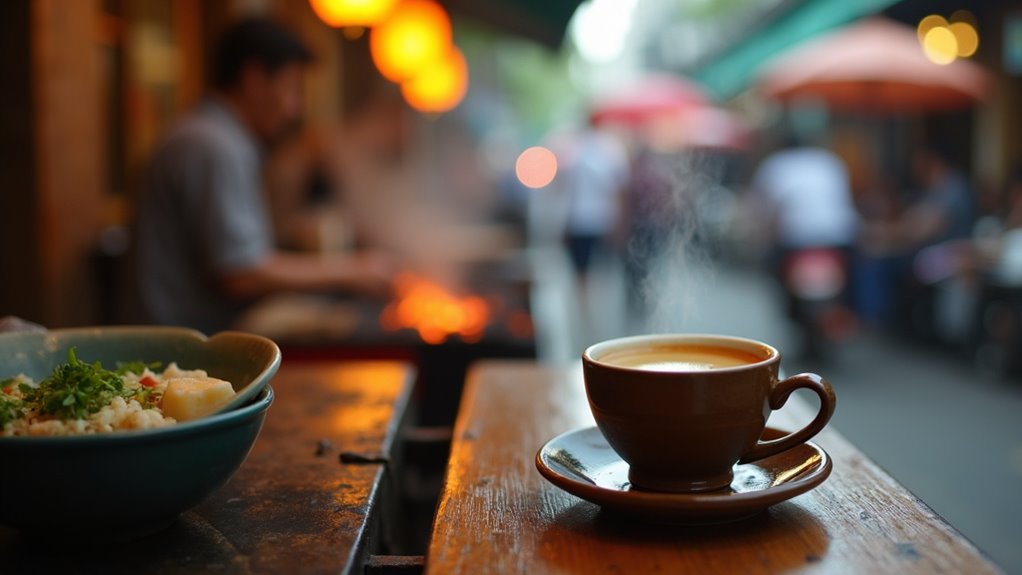
Since Hanoi’s culinary scene rivals any world-class food destination, travelers can’t leave without diving into the city’s legendary egg coffee and vibrant street food culture. This creamy coffee specialty, available throughout local cafes citywide, offers a uniquely Vietnamese twist on traditional brewing methods.
The Old Quarter serves as ground zero for authentic street food adventures. Vendors dish out steaming bowls of phở for under $2, while bánh mì sandwiches blend French and Vietnamese flavors perfectly.
Street food tours guide visitors through diverse local specialties without breaking the bank.
Markets like Long Bien showcase fresh produce, spices, and prepared foods that reveal Hanoi’s culinary DNA. Smart travelers eat where locals gather—these spots guarantee authentic flavors and wallet-friendly prices while delivering unforgettable taste experiences.
Reflect on History at Hoa Lo Prison Museum
Though Vietnam’s complex past can feel overwhelming to navigate, the Hoa Lo Prison Museum offers travelers an accessible yet profound window into the country’s colonial and wartime struggles. This symbolic museum transforms the site of the former infamous prison into a compelling historical narrative that spans decades of Vietnamese resistance and resilience.
Visitors walk through reconstructed cells and exhibits that chronicle both the French colonial period and the Vietnam War era. The museum’s displays include original artifacts, photographs, and personal accounts that bring these difficult chapters to life.
Located in Hanoi’s central district, it’s easily reached by foot or motorbike taxi. The modest entrance fee makes this an affordable cultural experience that deepens understanding of Vietnam’s journey to independence.
Marvel at the Unique One Pillar Pagoda
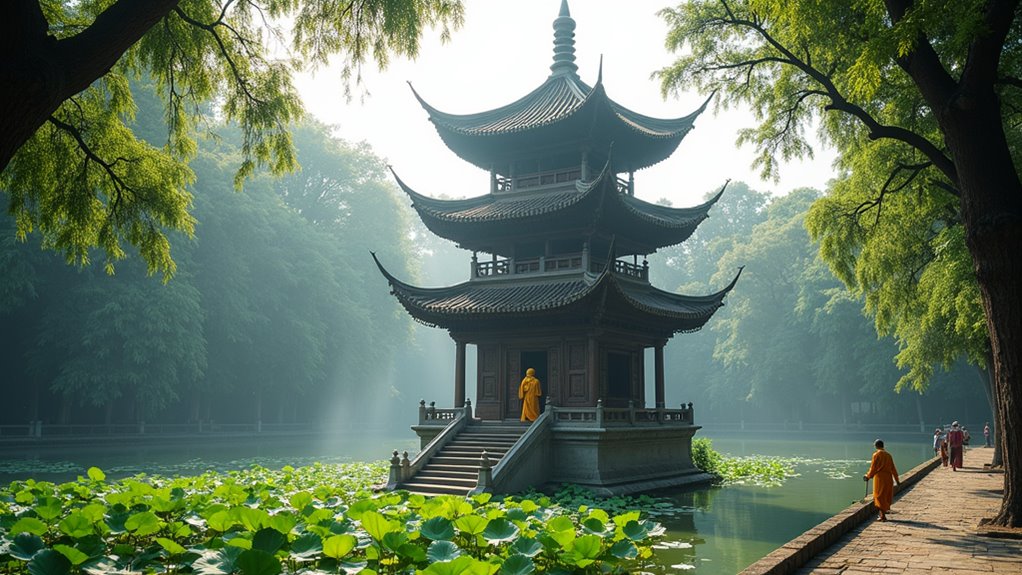
From Vietnam’s turbulent history emerges one of its most enchanting architectural treasures. The One Pillar Pagoda stands as Hanoi’s most distinctive temple, perched gracefully on a single concrete pillar like a lotus flower blooming from water.
Originally built in 1054 and rebuilt after 1954, this wooden pagoda tells stories of resilience through centuries of change.
Visitors can’t help but marvel at its unique design – there’s simply nothing else like it in Vietnam. The pagoda’s lotus-inspired architecture holds deep Buddhist symbolism, representing purity rising from muddy waters.
It’s easily accessible and won’t cost much to visit, making it perfect for budget-conscious travelers. The surrounding area offers peaceful moments for reflection and photography, capturing this one-of-a-kind architectural gem that’s become synonymous with Hanoi itself.
Get Sky-High Views From Lotte Center Observation Deck
While Hanoi’s ancient temples offer glimpses into the past, the Lotte Center Observation Deck launches visitors into the modern era with breathtaking 360-degree views from the 65th floor. This sky-high vantage point transforms the bustling streets below into an intricate urban tapestry, revealing Hanoi’s fascinating blend of old and new.
Visitors can spot iconic landmarks like Hoan Kiem Lake, the winding Red River, and the sprawling West Lake from this aerial perspective. The observation deck’s floor-to-ceiling windows provide unobstructed views that photographers and sightseers love.
Though it’s pricier than street-level attractions, the experience offers incredible value for capturing memorable photos and understanding Hanoi’s layout. Visit during sunset for the most spectacular lighting, when the city transitions from day to night in a golden glow.