
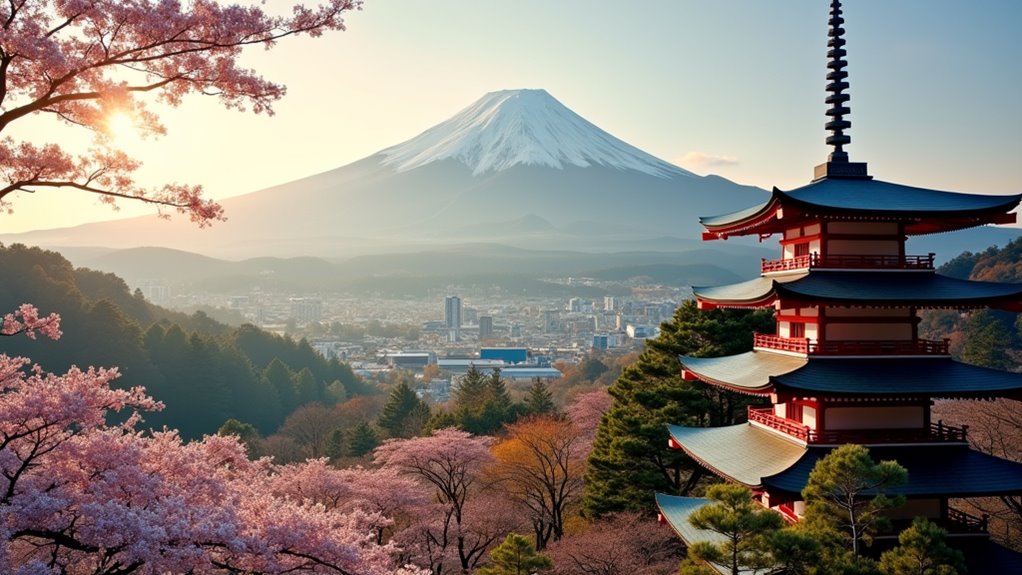
Japan offers travelers an extraordinary blend of ancient traditions and cutting-edge modernity that can’t be found anywhere else in the world. From Tokyo’s neon-lit streets to Kyoto’s peaceful temples, visitors discover experiences that range from free shrine visits to budget-friendly street food adventures. Smart travelers know that Japan doesn’t have to break the bank when they prioritize the right activities. The key lies in knowing which experiences deliver the most authentic culture for every yen spent.
- Experience the Organized Chaos of Shibuya Crossing in Tokyo
- Walk Through Thousands of Red Torii Gates at Fushimi Inari Shrine
- Feed Sacred Deer While Exploring Nara’s Ancient Temples
- Soak in Natural Hot Springs at a Traditional Ryokan in Hakone
- Marvel at the Golden Pavilion and Bamboo Groves of Kyoto
- Climb Japan’s Most Beautiful Original Castle in Himeji
- Get Lost in Digital Art at TeamLab Planets Tokyo
- Sample Street Food and Visit Osaka Castle
- Reflect at Hiroshima’s Peace Memorial and Miyajima’s Floating Shrine
- Ride the Bullet Train to Mount Fuji’s Best Viewing Spots
- Explore Tokyo’s Quirky Neighborhoods From Harajuku to Shibuya
- Discover Traditional Farmhouse Villages in Shirakawa-go
- Experience Winter Magic at Sapporo’s Snow Festival
- Find Tranquility at Matsumoto Castle With Japanese Alps Views
- Venture to Historic Hagi for Authentic Samurai Culture
Experience the Organized Chaos of Shibuya Crossing in Tokyo
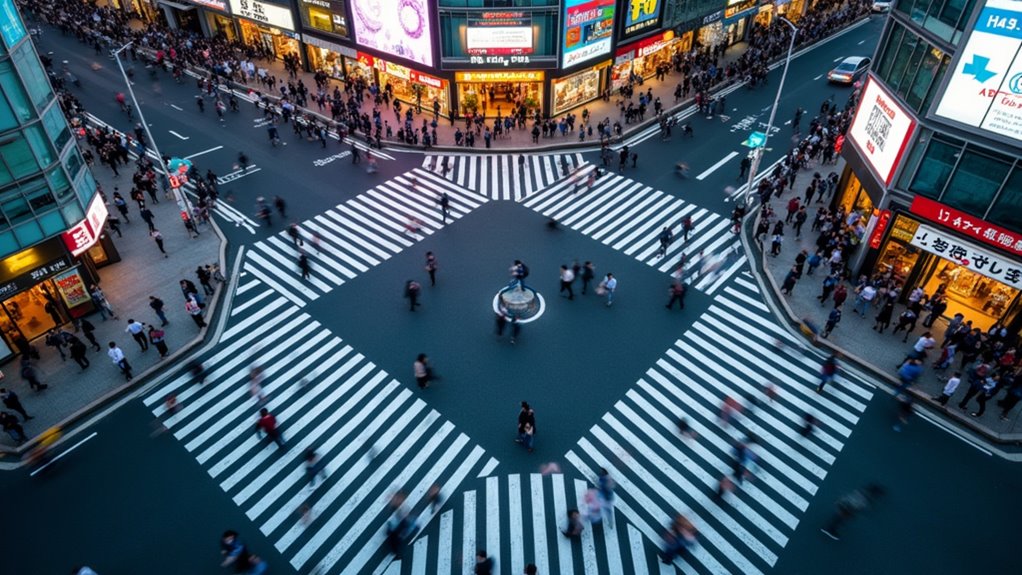
When travelers step into the heart of Tokyo’s Shibuya district, they’ll witness one of the world’s most mesmerizing urban spectacles without spending a single yen. Shibuya Crossing transforms into organized chaos every few minutes as thousands of pedestrians navigate the intersection from all directions. It’s Tokyo’s vibrant urban life condensed into one iconic moment.
For the best views, visitors can head to nearby observation decks or grab a coffee at Starbucks overlooking the crossing. The experience costs nothing but delivers unforgettable memories.
Early morning offers fewer crowds for photos, while evening rush hour showcases the crossing’s full intensity. This symbol of modern Japan perfectly captures the city’s energy, making it essential for first-time Tokyo visitors seeking authentic urban experiences.
Walk Through Thousands of Red Torii Gates at Fushimi Inari Shrine
While Tokyo showcases Japan’s modern pulse, Kyoto’s Fushimi Inari-taisha Shrine offers travelers a completely different but equally enthralling experience that won’t cost them anything.
Thousands of vermilion torii gates create mesmerizing tunnels up the mountainside, making this one of Japan’s most photographed destinations. The shrine’s open 24/7, so visitors can explore during quieter early morning or evening hours to avoid crowds and capture better photos.
The hike to the summit takes about two hours, but travelers can turn back anytime. Along the way, they’ll find smaller shrines, stone fox statues, and scenic viewpoints overlooking Kyoto.
This major Shinto pilgrimage site provides an authentic cultural experience while offering incredible Instagram opportunities—all completely free for budget-conscious travelers.
Feed Sacred Deer While Exploring Nara’s Ancient Temples
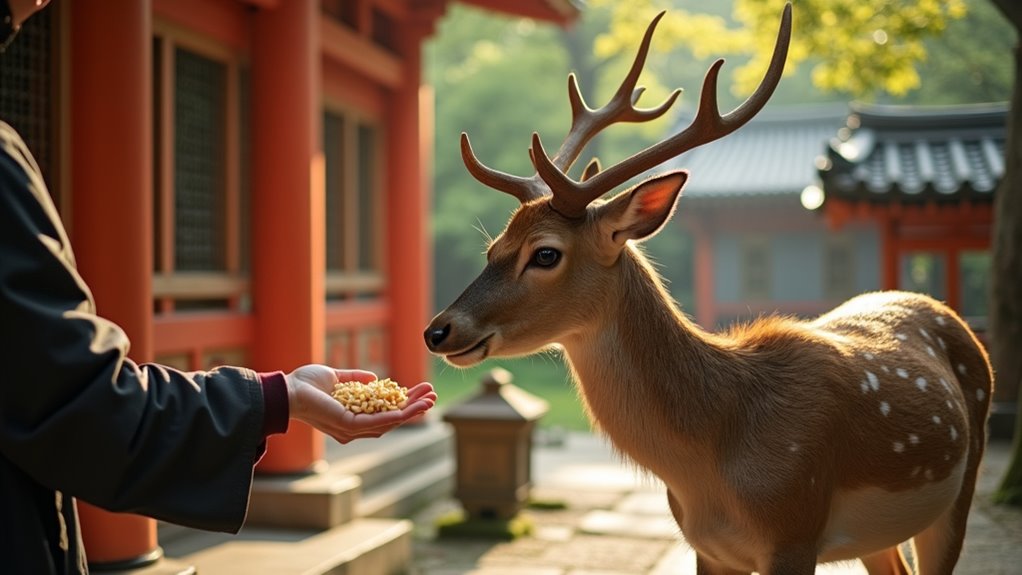
Just 45 minutes from Kyoto by train, Nara offers one of Japan’s most charming and affordable experiences—feeding sacred deer that roam freely throughout the historic city center.
These gentle creatures, considered messengers of the gods in Shinto belief, bow politely when visitors offer them special deer crackers called “shika senbei” available for just 200 yen from local vendors.
The deer inhabit Nara Park, a UNESCO World Heritage site surrounding Todai-ji Temple, which houses one of the world’s largest wooden buildings and a massive bronze Buddha statue.
Visitors can explore multiple historic temples, feed over 1,200 deer, and enjoy peaceful walks through ancient grounds—all without entrance fees to the park itself.
It’s an unforgettable day trip that won’t break the budget.
Soak in Natural Hot Springs at a Traditional Ryokan in Hakone
For travelers seeking authentic relaxation, Hakone’s traditional ryokans offer the perfect escape with natural hot spring baths called onsen, where mineral-rich volcanic waters have been soothing visitors for centuries. These mountain inns combine accommodation with the therapeutic hot springs experience, often featuring outdoor baths with stunning Mount Fuji views.
Guests can expect tatami mat rooms, kaiseki dinner service, and communal bathing facilities separated by gender. Many ryokans offer day-pass options for budget-conscious visitors who don’t want overnight stays.
The volcanic Owakudani valley provides the geothermal energy that heats these springs naturally.
Visitors should familiarize themselves with onsen etiquette: shower thoroughly before entering pools, keep towels out of water, and remain quiet.
Popular areas include Lake Ashi and Gora, where multiple ryokans compete on price while maintaining traditional standards.
Marvel at the Golden Pavilion and Bamboo Groves of Kyoto
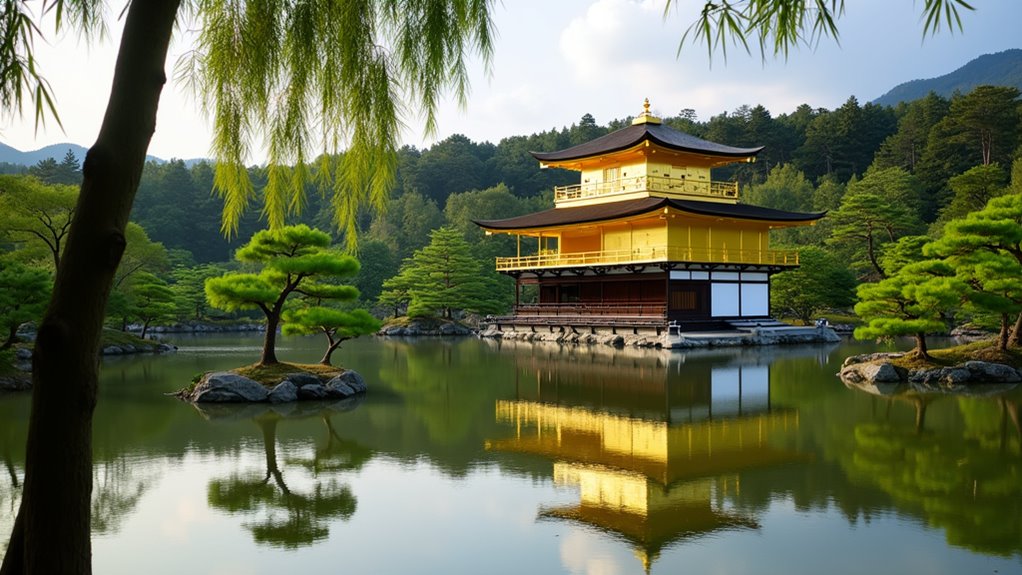
After experiencing Hakone’s therapeutic waters, Kyoto beckons with its most photographed landmark: Kinkaku-ji, the Golden Pavilion, where gold leaf coating creates stunning reflections in the surrounding pond.
Visitors can’t enter the pavilion itself, but the viewing path offers incredible photo opportunities, especially during autumn when maple leaves frame the golden structure.
From there, head to Arashiyama’s bamboo grove, where towering green stalks create natural tunnels and filtered sunlight produces an otherworldly atmosphere.
The walk’s free and takes about 20 minutes. Pro tip: arrive early morning to avoid crowds and capture the best light.
Both sites are accessible via Kyoto’s efficient bus system using a day pass that costs just 600 yen, making this culture surprisingly affordable.
Climb Japan’s Most Beautiful Original Castle in Himeji
Rising majestically from the Hyogo Prefecture landscape, Himeji Castle stands as Japan’s most stunning original fortress—a pristine white masterpiece that’s survived four centuries without reconstruction. Known as the “White Heron Castle” for its elegant silhouette, this UNESCO World Heritage site offers visitors the chance to climb through seven authentic stories of samurai history.
The castle’s wooden interior features steep, narrow staircases and defensive mechanisms that showcase feudal Japan’s military architecture. Visitors can explore the main keep’s multiple levels, each offering increasingly spectacular views of the surrounding city and countryside.
Don’t miss the adjacent Koko-en garden, where traditional landscaping complements the fortress’s beauty. The castle’s grounds provide excellent cherry blossom viewing in spring, making it worth timing visits accordingly.
Get Lost in Digital Art at TeamLab Planets Tokyo
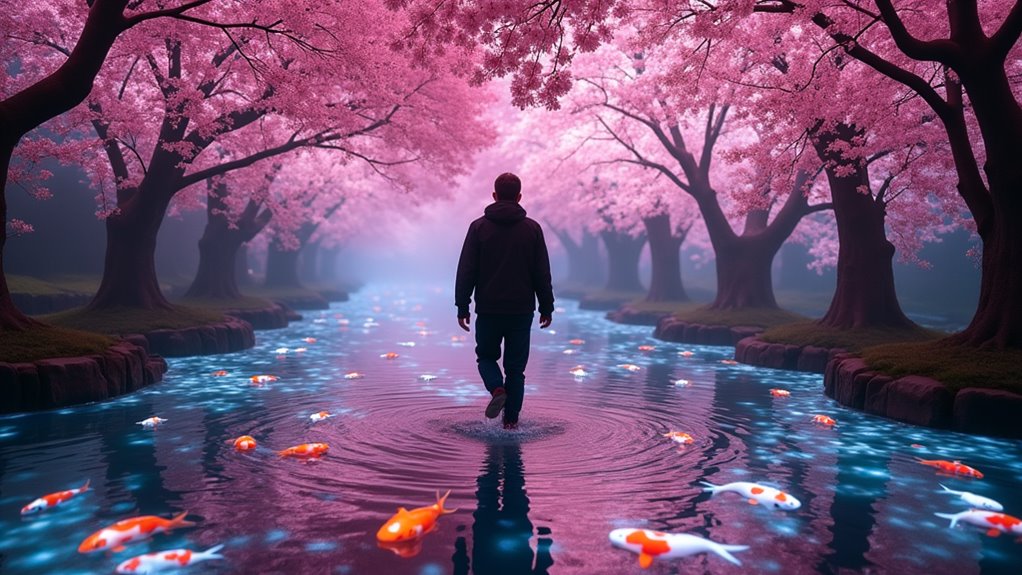
While traditional temples and historic castles showcase Japan’s past, TeamLab Planets Tokyo launches visitors into the future of interactive art. This immersive digital art museum transforms visitors into part of the artwork through cutting-edge technology and sensory experiences.
Guests wade through water, walk on mirrors, and interact with floating digital elements that respond to movement and touch. The museum’s borderless concept means artworks flow from room to room, creating an ever-changing environment.
Popular exhibits include crystal worlds, floating nest installations, and infinite rooms filled with digital butterflies and flowers.
Book tickets online in advance, as they often sell out. Budget around ¥3,200 for adults. Wear comfortable clothes you don’t mind getting wet, and prepare to spend 2-3 hours exploring this otherworldly experience that perfectly captures Tokyo’s innovative spirit.
Sample Street Food and Visit Osaka Castle
Though Tokyo dazzles with futuristic attractions, Osaka delivers Japan’s most authentic culinary adventure alongside one of its most impressive historical landmarks.
Dotonbori district serves as food heaven, where travelers can sample takoyaki (octopus balls), okonomiyaki (savory pancakes), and kushikatsu (fried skewers) from street vendors for just a few hundred yen per item. The neon-lit canal area buzzes with energy and affordable eats around the clock.
Just minutes away, Osaka Castle stands as a magnificent seven-story fortress showcasing samurai history and architecture. The castle grounds offer spectacular cherry blossom views in spring, making it perfect for budget-friendly hanami picnics.
Entry costs only 600 yen for adults, and the surrounding park provides free exploration opportunities with panoramic city views from the top floors.
Reflect at Hiroshima’s Peace Memorial and Miyajima’s Floating Shrine
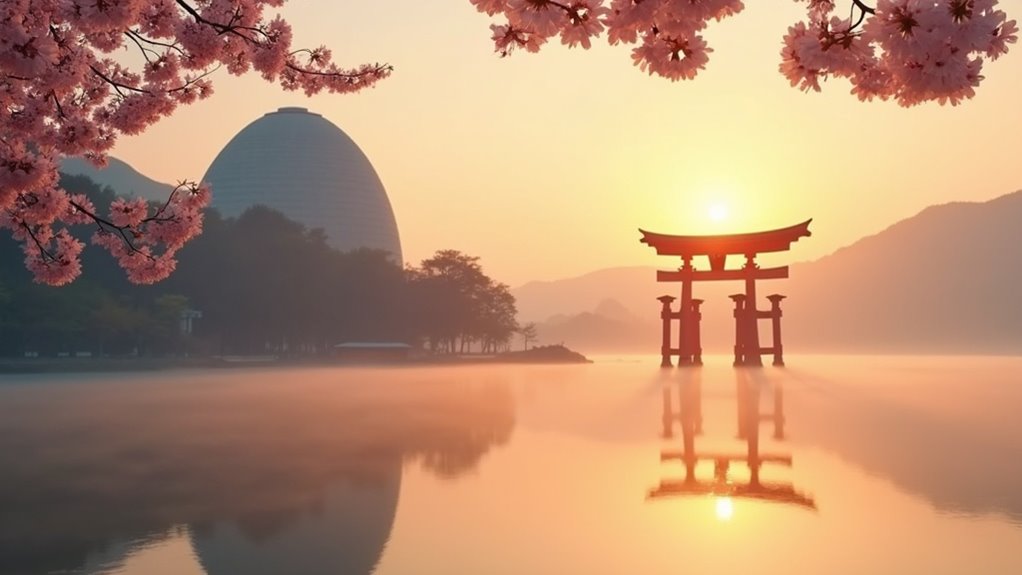
A short train ride from Osaka’s bustling food scene leads to Hiroshima, where Japan’s most profound historical sites offer travelers meaningful experiences that won’t strain their wallets.
The Peace Memorial Park and Museum provide powerful insights into atomic bomb history, with free entry to the park and modest museum fees. Visitors can reflect at the iconic A-Bomb Dome, a UNESCO World Heritage site preserved exactly as it stood after 1945.
A quick ferry ride takes travelers to nearby Miyajima Island, home to the famous Itsukushima Shrine. The vermillion torii gate appears to float on water during high tide, creating one of Japan’s most photographed scenes.
Island entry is free, though the shrine charges a small fee. Both destinations offer profound cultural experiences that balance historical reflection with natural beauty.
Ride the Bullet Train to Mount Fuji’s Best Viewing Spots
After soaking in Hiroshima’s historical significance, travelers can experience Japan’s engineering marvel firsthand by boarding the shinkansen toward the country’s most iconic natural landmark. Mount Fuji’s 3,776-meter peak offers spectacular viewing opportunities from several accessible locations that won’t break the budget.
The bullet train efficiently connects visitors to prime viewing spots around Fuji’s base. Hakone provides excellent vantage points alongside volcanic hot springs and affordable ryokan accommodations.
Budget-conscious travelers should consider day trips to Lake Kawaguchi, where clear reflections of Fuji create perfect photo opportunities. The Chureito Pagoda offers Instagram-worthy shots, especially during cherry blossom season.
For ideal visibility, visit during clear winter months when skies are typically clearer. Early morning hours provide the best lighting and fewer crowds at popular viewpoints.
Explore Tokyo’s Quirky Neighborhoods From Harajuku to Shibuya
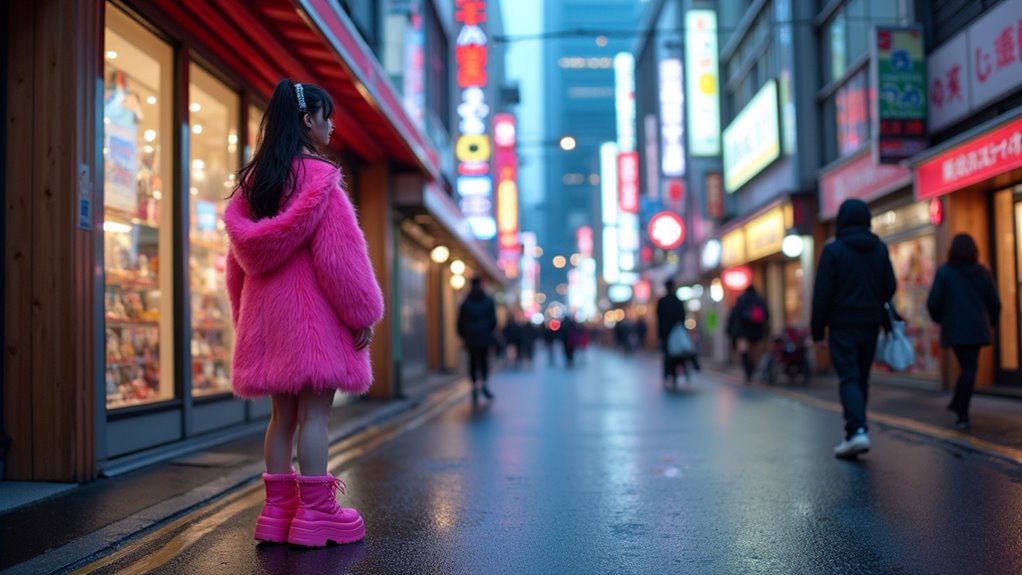
Where else can travelers witness fashion extremes, experience the world’s busiest pedestrian crossing, and plunge into cutting-edge digital art all within walking distance? Tokyo’s Harajuku and Shibuya districts offer an unmatched urban adventure that won’t break the bank.
Start at Harajuku’s Takeshita Street, where extreme fashion and youth culture create a vibrant spectacle. Browse quirky shops, sample affordable street food, and people-watch among Tokyo’s trendiest crowds. The area’s eclectic energy costs nothing to experience.
Next, head to Shibuya Crossing, the world’s busiest pedestrian intersection that symbolizes Tokyo’s dynamic pulse. For a premium experience, visit TeamLab Planets’ immersive digital art museum, where cutting-edge interactive exhibits create unforgettable memories.
These neighborhoods perfectly capture Tokyo’s blend of traditional culture and futuristic innovation.
Discover Traditional Farmhouse Villages in Shirakawa-go
How does one step back in time to experience Japan’s agricultural heritage without leaving the modern world behind? Shirakawa-go offers that perfect escape. This UNESCO World Heritage village showcases traditional gassho-zukuri farmhouses with steep thatched roofs designed to withstand heavy snowfall. These centuries-old structures reflect Japan’s rural history and ingenious architecture.
Visitors can explore the village on foot, admiring the distinctive A-frame buildings that once housed large families and silkworms. Several farmhouses operate as museums, displaying traditional tools and daily life artifacts. Budget-conscious travelers should visit during weekdays to avoid crowds and higher accommodation costs.
The nearby observation deck provides stunning panoramic views, especially during winter when snow blankets the village. Plan a full day here – it’s an authentic glimpse into Japan’s agricultural past that’s increasingly rare in today’s urbanized landscape.
Experience Winter Magic at Sapporo’s Snow Festival
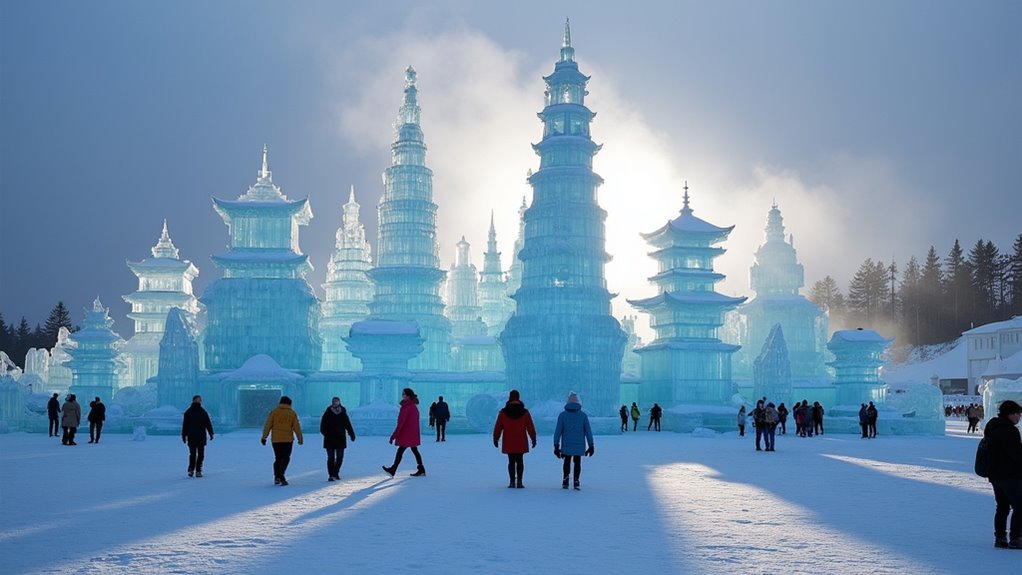
When February arrives in Sapporo, the city transforms into a winter wonderland that rivals any fairy tale. The Sapporo Snow Festival showcases massive snow and ice sculptures that’ll leave visitors speechless. Artists from around the world create intricate displays ranging from famous landmarks to anime characters, turning the city into an outdoor art gallery.
The festival spans three main sites, with Odori Park serving as the centerpiece. Visitors can explore illuminated sculptures after dark for a magical experience.
Food stalls offer warming treats like hot ramen and grilled corn at reasonable prices.
Since accommodation fills up quickly, booking early saves money. The festival’s free admission makes it budget-friendly, though warm clothing is essential for enjoying this spectacular winter celebration.
Find Tranquility at Matsumoto Castle With Japanese Alps Views
While most travelers flock to the crowded castles near major cities, Matsumoto Castle offers something rare: authentic samurai history without the massive crowds. Known as Crow Castle for its striking black exterior, this fortress stands magnificently against the Japanese Alps backdrop in Nagano Prefecture.
Visitors can explore all six floors of this original wooden structure, discovering samurai artifacts and weapons collections. The climb rewards you with panoramic mountain views that’ll take your breath away.
Unlike heavily touristed castles, Matsumoto maintains its peaceful atmosphere, making it perfect for contemplative exploration.
Budget tip: combine your visit with nearby hiking trails for a full day of adventure without extra costs. The castle’s moat and surrounding park provide excellent photo opportunities, especially during cherry blossom season.
Venture to Historic Hagi for Authentic Samurai Culture
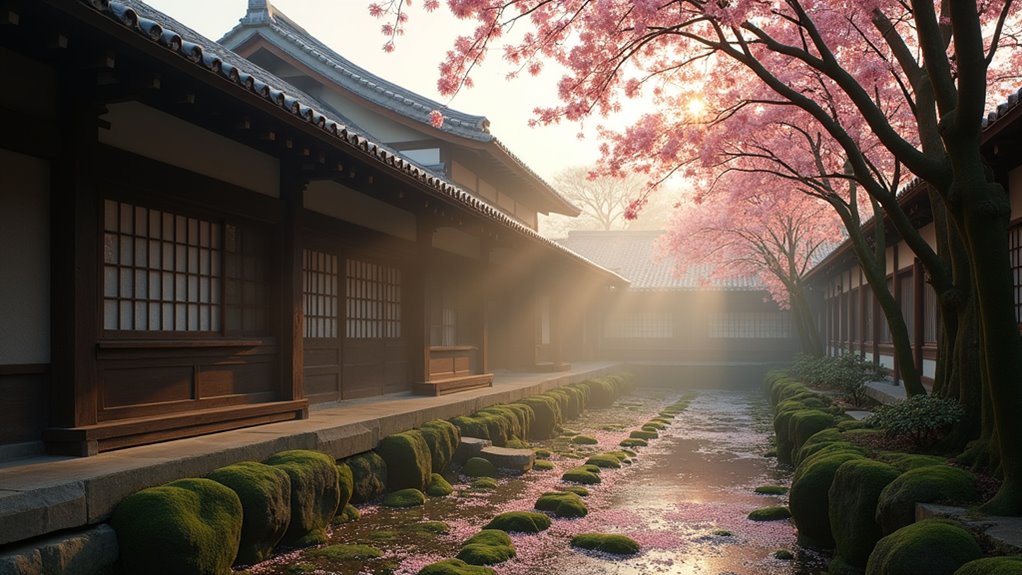
Though most travelers chase famous landmarks in Tokyo and Kyoto, Hagi in Yamaguchi Prefecture delivers an unfiltered glimpse into Japan’s samurai past without the tourist masses. This small historic town preserves entire samurai districts where visitors can walk cobblestone streets lined with traditional residences and defensive walls made from volcanic stone.
The town’s affordability makes it particularly appealing for budget travelers. Local guesthouses and ryokans offer authentic experiences at reasonable prices, while street food vendors serve regional specialties without Tokyo’s markup.
Hagi’s cultural sites include well-maintained samurai homes, ancient temples, and pottery workshops where artisans continue centuries-old techniques.
Unlike crowded destinations, Hagi allows travelers to interact genuinely with locals and experience Japan’s feudal heritage at their own pace, making it an ideal off-the-beaten-path destination.