
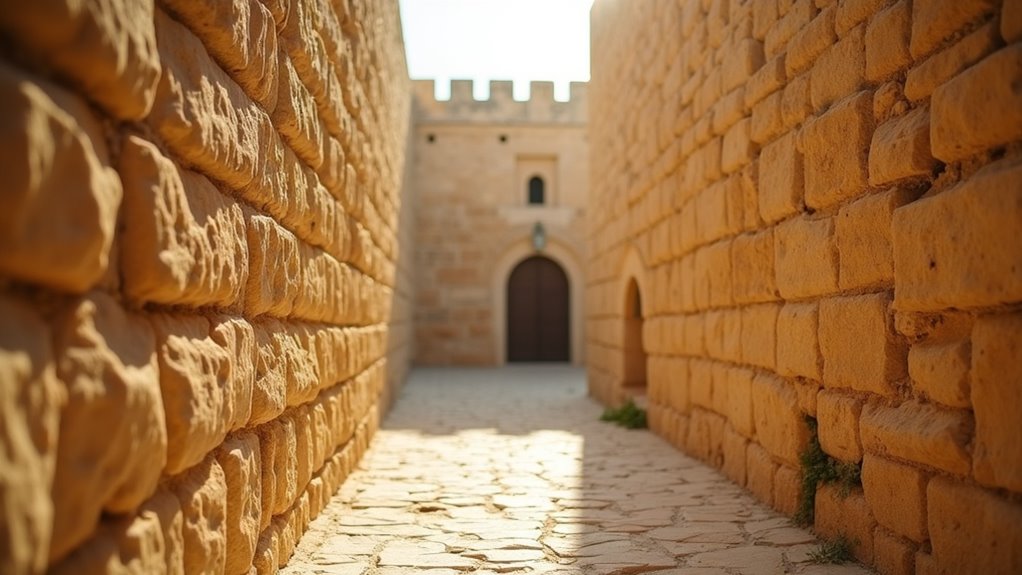
You’re standing at the threshold of one of the world’s most historic cities, but Jerusalem can overwhelm first-time visitors with its maze of ancient streets and countless must-see sites. Don’t worry—you don’t need a massive budget or weeks to experience its magic. With smart planning and insider knowledge, you’ll navigate Jerusalem’s four quarters, discover hidden viewpoints, and connect with 3,000 years of history without breaking the bank or missing the experiences that matter most.
- Walk the Old City’s Four Quarters Before the Crowds Hit
- Stand at the Western Wall During Evening Prayers
- Follow the Via Dolorosa to the Church of the Holy Sepulchre
- Climb the Ramparts for the Best Views in Jerusalem
- Spend a Morning at Yad Vashem Holocaust Memorial
- See the Dead Sea Scrolls at the Israel Museum
- Watch Sunrise From the Mount of Olives
- Navigate the Mahane Yehuda Market Like a Local
- Walk Through the Garden of Gethsemane at Golden Hour
- Explore the City of David Archaeological Site
- Take the Audio Tour at the Tower of David Museum
- Find Peace in the Jerusalem Botanical Gardens
- Day Trip to Bethlehem and the Judean Desert
- The Sum Up
Walk the Old City’s Four Quarters Before the Crowds Hit
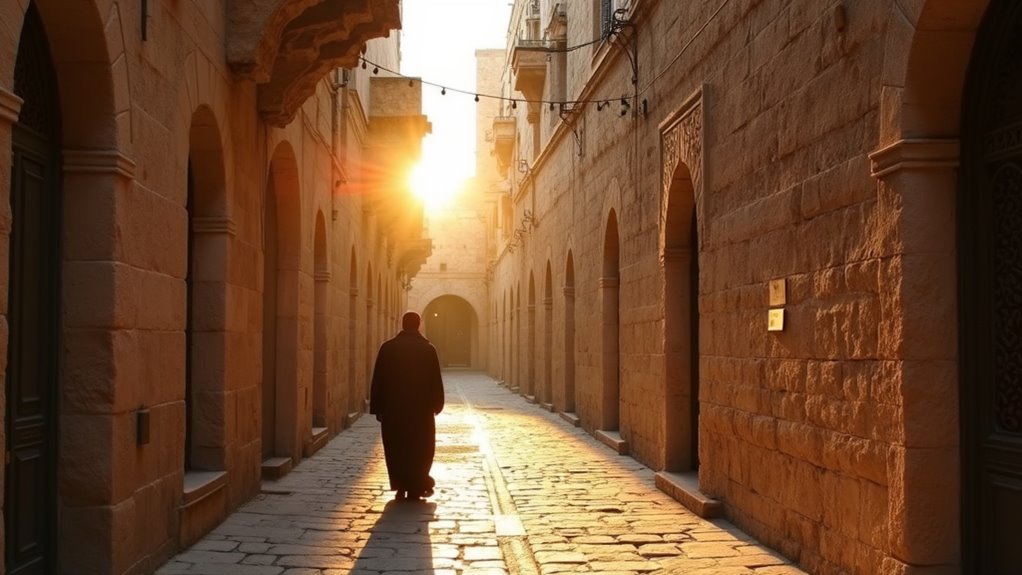
Before Jerusalem’s narrow alleys fill with tour groups and vendors, you’ll want to lace up comfortable walking shoes and enter the Old City at dawn. Between 6:00–8:00 AM, you’ll have these ancient quarters mostly to yourself. Start at Damascus Gate or Jaffa Gate when they open at sunrise.
The Old City’s compact 0.9 square kilometers contains four distinct quarters you can walk in 1.5–2 hours. Begin with the quiet Armenian Quarter in the southwest, featuring St. James Cathedral and ceramic workshops. Move to the rebuilt Jewish Quarter near the Western Wall, then explore the Christian Quarter’s narrow passages leading to the Holy Sepulchre. Finish in the sprawling Muslim Quarter, the largest and most commercial area extending to the Temple Mount.
As you navigate these historic streets, you’ll be walking along walls that stretch approximately 4.5 kilometers around the Old City, built by Suleiman the Magnificent in the 16th century.
Stand at the Western Wall During Evening Prayers
Twenty-four hours a day, the Western Wall welcomes visitors, but you’ll witness something extraordinary when evening prayers begin after sunset. Hundreds gather in the plaza for Maariv, creating a powerful atmosphere of communal worship. You’ll hear Hebrew prayers, singing, and occasionally the shofar echoing off ancient stones.
Arrive around 7:00-8:00 PM on weekdays (earlier on Fridays). No tickets needed—it’s completely free. Men and women pray in separate sections, and modest dress is required. Head coverings are available on-site if you don’t have one.
The experience becomes electric during special occasions like Jerusalem Day, when thousands participate alongside national ceremonies. Allow extra time for security checks, especially during holidays. Visitors can also submit prayers online that will be printed and deposited at the Western Wall.
This spiritual moment offers profound insight into Judaism’s living connection to this sacred space.
Follow the Via Dolorosa to the Church of the Holy Sepulchre
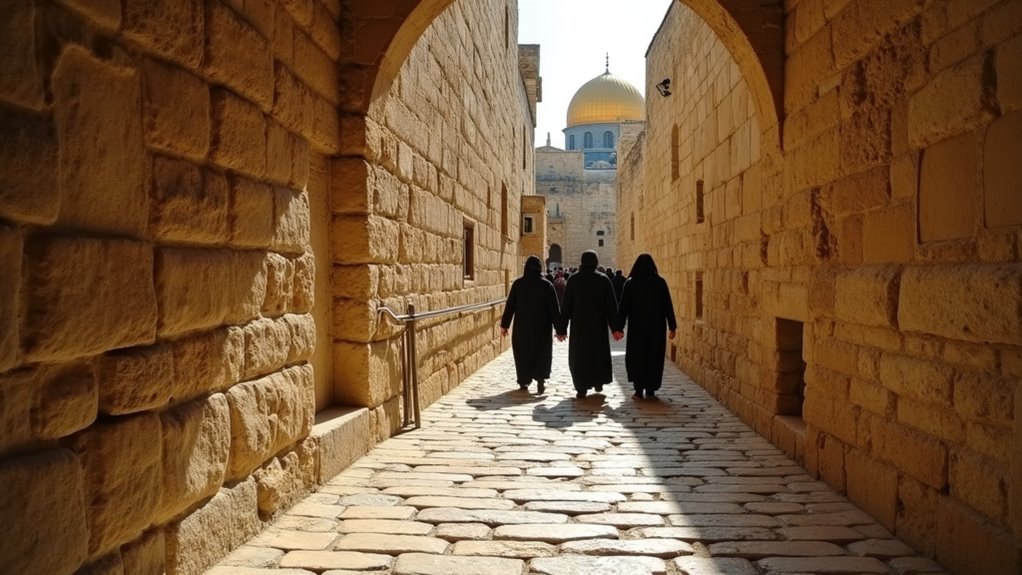
Just steps away from the Western Wall, another profound spiritual journey awaits in Jerusalem’s Christian Quarter. You’ll walk the Via Dolorosa, the “Way of Suffering” that traces Jesus’s path to crucifixion. This 600-meter route through the Old City’s narrow streets is completely free to experience.
Follow the 14 Stations of the Cross, starting near the Antonia Fortress where Jesus was condemned. Nine stations line the outdoor path, while the final five are inside the Church of the Holy Sepulchre. You’ll pass the Convent of the Sisters of Zion and Church of the Flagellation before reaching Christianity’s holiest site. Each station is marked with a Roman numeral plaque, though they’re often small and easy to miss among the busy streets.
Join the Friday processions for the full pilgrimage experience, or walk quietly at your own pace. The spiritual significance transcends the exact historical locations—it’s about connecting with faith’s most pivotal moments.
Climb the Ramparts for the Best Views in Jerusalem
Where else can you walk along 500-year-old Ottoman walls while enjoying Jerusalem’s most spectacular panoramic views? The Ramparts Walk offers exactly that experience. Purchase your ticket near Jaffa Gate‘s tourist information center – one ticket covers both northern and southern sections for two days.
The southern walk (Jaffa Gate to Dung Gate) showcases the Armenian and Jewish Quarters, plus views of the Western Wall and Mount Zion.
The northern section (Jaffa Gate to Lions Gate) provides stunning vistas of the Temple Mount, Church of the Holy Sepulchre, and Mount of Olives.
Each section takes about an hour. Wear comfortable shoes for uneven stones, bring water and sun protection – there’s no shade. The walls feature seven gates that have served various purposes throughout Jerusalem’s history.
The northern ramparts close Fridays, but southern sections stay open until 10 PM during summer.
Spend a Morning at Yad Vashem Holocaust Memorial
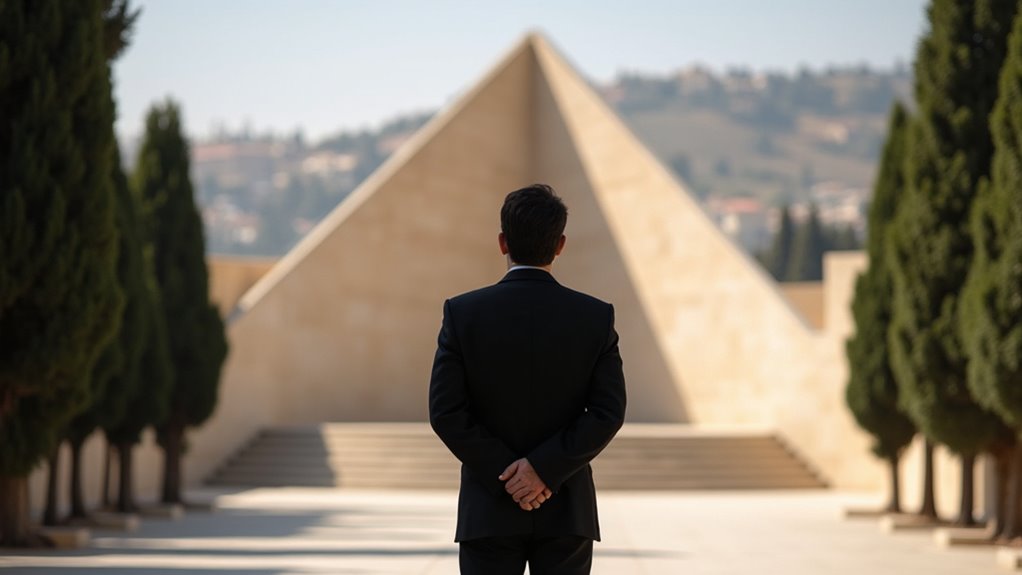
Although visiting Yad Vashem requires emotional preparation, it’s an essential experience that’ll deepen your understanding of Jewish history and human resilience.
Located on Mount Herzl’s western slope, this powerful memorial offers free admission to its world-class Holocaust History Museum, designed by Moshe Safdie with a striking underground structure.
You’ll walk through chronological galleries that use natural light and darkness to create an impactful narrative journey.
Don’t miss the Hall of Names, where victims’ photographs reflect in water, and the Hall of Remembrance with its eternal flame.
The memorial also honors the Righteous Among the Nations—non-Jewish heroes who saved Jewish lives. Over 27,921 individuals have been recognized in this program as of 2021.
Plan at least three hours for your visit, and consider bringing tissues for this profoundly moving experience.
See the Dead Sea Scrolls at the Israel Museum
After experiencing Yad Vashem’s emotional journey, you’ll find a different but equally profound connection to Jewish history at the Israel Museum’s Shrine of the Book.
Here, the world’s most significant archaeological discovery awaits. You’ll see the actual Dead Sea Scrolls, dating from 520 BCE to 70 CE—the oldest Hebrew Bible copies ever found.
The museum’s striking white dome symbolizes the jars that preserved these ancient texts for nearly 2,000 years. You’ll view rotating displays of biblical manuscripts and sectarian writings that illuminate Jewish life during the Second Temple period.
Since scrolls rotate to prevent damage, each visit offers something different. The entrance features a dramatic black Basalt Wall and passage that resembles the deep caves where these treasures were originally discovered.
Located near the Knesset, admission costs around 54 NIS (about $16). You can also explore digital versions online before your visit.
Watch Sunrise From the Mount of Olives
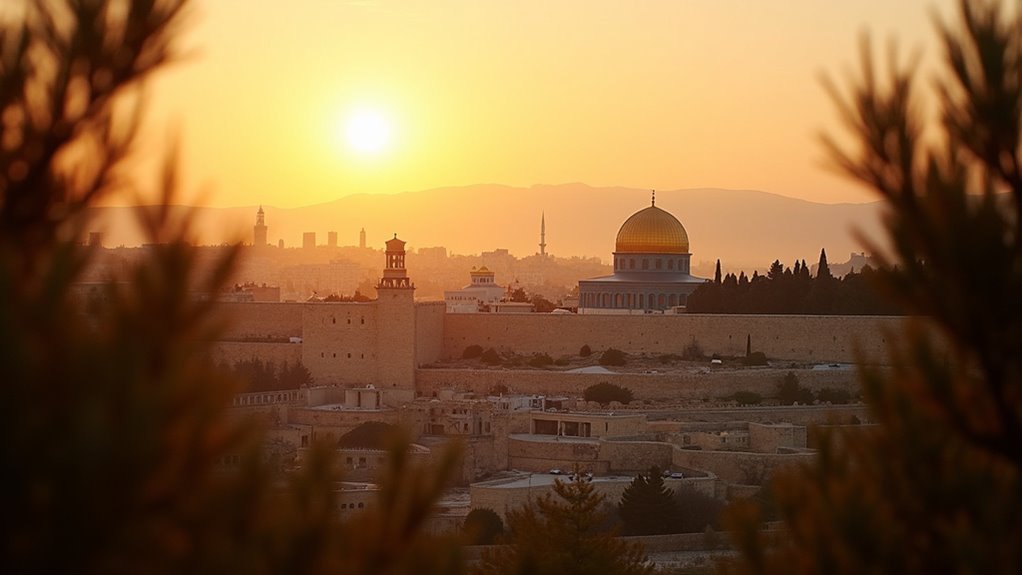
From the profound historical discoveries at the Israel Museum, you’ll want to experience Jerusalem’s living history from above at the Mount of Olives. This mountain ridge east of the Old City offers spectacular sunrise views that’ll leave you speechless.
Start your 30-minute walk from Lion’s Gate around 4:45 am to catch the golden hour light illuminating the Dome of the Rock and Eastern Wall.
The uphill climb’s moderately challenging, so wear comfortable walking shoes and prepare for uneven terrain. You’ll save money by walking instead of taking a taxi, and the experience is worth every step.
The Mount holds deep religious significance for both Judaism and Christianity, making sunrise here emotionally moving as natural beauty meets 3,000 years of history. This mountain ridge actually consists of three peaks that provide different vantage points for viewing the Old City below.
Navigate the Mahane Yehuda Market Like a Local
When hunger strikes after your sunrise adventure, head straight to Mahane Yehuda Market—Jerusalem’s vibrant food paradise where locals shop for their weekly groceries and travelers discover authentic Middle Eastern flavors.
Navigate the two main streets: Mahane Yehuda Street for fresh produce and Etz Chayim Street for prepared foods. Visit weekday mornings for a relaxed experience, avoiding the Thursday-Friday pre-Shabbat rush.
Sample everything—vendors expect tastings at spice, nut, and pastry stalls. Ask “what’s fresh today?” to build rapport with sellers.
Bring cash for small vendors, though cards work at most places. Don’t miss falafel, sabich, fresh juices, and halva varieties.
Pack a reusable bag and explore the historic alleyways for hidden gems beyond the main thoroughfares. This bustling marketplace features over 200 shops, vendor stands, and eateries, creating an immersive cultural experience that captures the essence of Jerusalem’s local commerce and traditions.
Walk Through the Garden of Gethsemane at Golden Hour
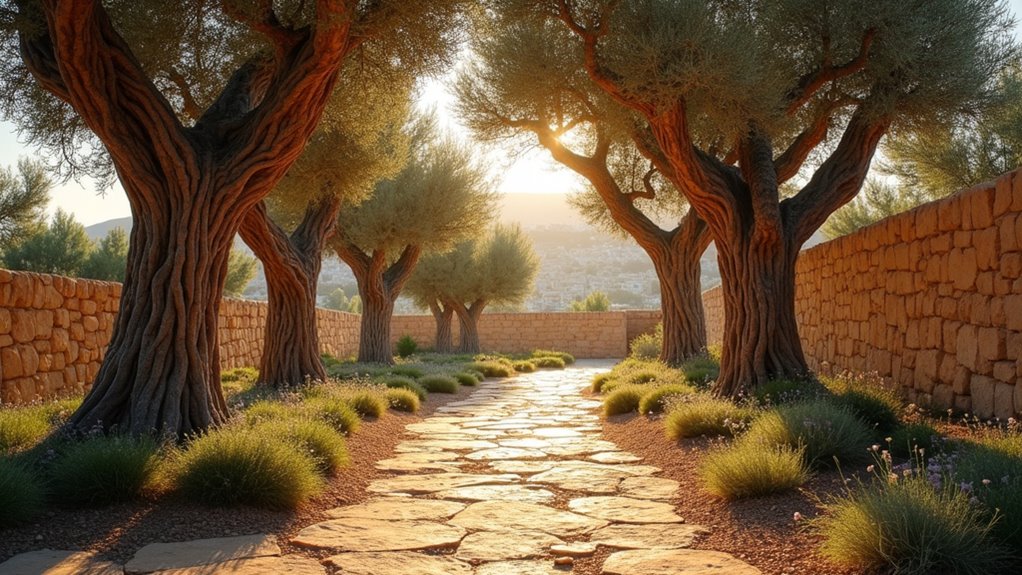
As the afternoon light begins to soften, make your way to the Garden of Gethsemane at the foot of the Mount of Olives—this sacred olive grove becomes particularly moving during golden hour when warm light filters through branches of trees that have witnessed nearly a millennium of history.
You’ll find it just 500 meters downhill from Lions Gate, and entry’s free. Visit between 4:00-5:30 PM depending on season to catch that perfect light while avoiding morning crowds.
The ancient olive trees and Church of All Nations create a peaceful atmosphere that’s perfect for reflection. The adjacent Gethsemane Basilica operates with specific visiting hours from 8:00 am to 12:00 noon and 2:00 pm to 6:00 pm if you want to explore the interior. Wear modest clothing and comfortable shoes since the ground’s uneven.
You can easily combine this with nearby sites like the Tomb of Mary for a complete Mount of Olives experience.
Explore the City of David Archaeological Site
After your peaceful time in Gethsemane, head to the City of David Archaeological Site—just a 10-minute walk south of the Old City walls—where you’ll literally walk through 3,000 years of Jerusalem’s history beneath your feet.
You’ll explore the original fortress King David conquered from the Jebusites and see where Solomon built the First Temple above.
Don’t miss Hezekiah’s Tunnel, a 2,700-year-old underground waterway you can actually wade through (bring water shoes and a flashlight). The tunnel showcases ancient engineering that protected Jerusalem’s water supply during Assyrian sieges.
You’ll also discover charred remains from Babylonian destruction and well-preserved structures like the Ashlar House. The site features a visitor center with a 3D video presentation and biblical-era hall design that brings ancient Jerusalem to life.
Purchase tickets online beforehand—they’re often cheaper than at-the-gate prices.
Take the Audio Tour at the Tower of David Museum
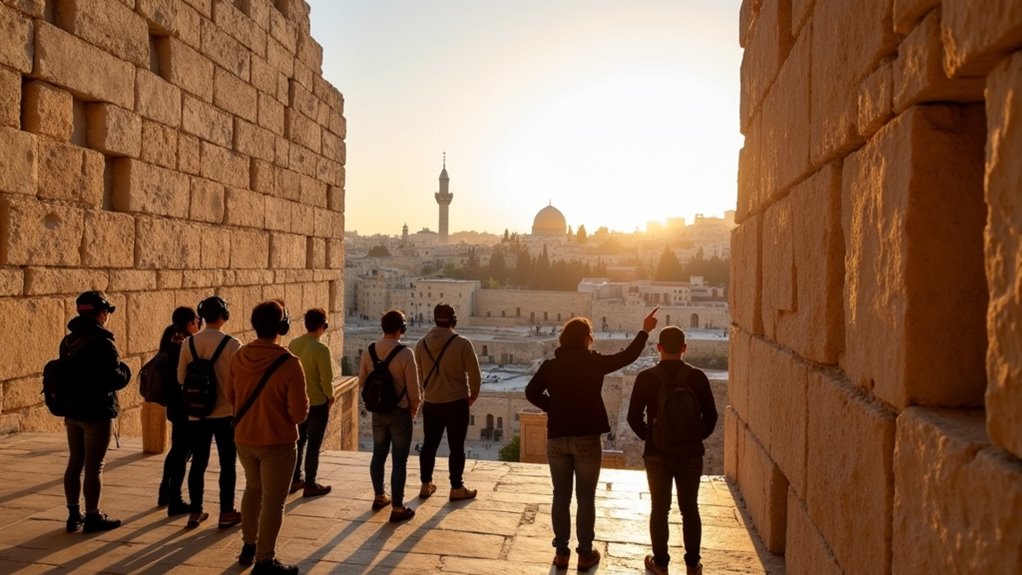
Head back toward Jaffa Gate and make the Tower of David Museum your next stop—it’s the perfect place to get your historical bearings before exploring the rest of Jerusalem. The museum’s “A Bird’s Eye View of Jerusalem” audio tour takes you through the open-air citadel, offering panoramic views while explaining 4,000 years of history chronologically.
You’ll learn why Jerusalem’s holy to Judaism, Christianity, and Islam, plus how different civilizations—from Canaanites to Ottomans—shaped the city. The audio guide’s included with admission and available in multiple languages on rented devices or your smartphone.
Interactive displays and archaeological finds make complex history easy to follow. The museum also features authentic artifacts dating back approximately 1500 years BCE, many displayed in their original locations for the first time. This overview gives you essential context for everything else you’ll see in the Old City.
Find Peace in the Jerusalem Botanical Gardens
When the sensory overload of Jerusalem’s Old City becomes overwhelming, you’ll find an unexpected sanctuary at the Jerusalem Botanical Gardens in the Nayot neighborhood. This 60-acre oasis houses over 6,400 plant species organized by geographic regions, from Mediterranean flora to North American conifers.
You’ll pay a modest entrance fee to explore walking paths that wind through specialized areas like the tropical conservatory and Japanese bonsai wing. The gardens are perfect for picnics and quiet contemplation, with shaded areas and lawns throughout. Families with children will enjoy the interactive Discovery Trail designed specifically for young explorers to learn about plant life and ecology.
Located near the Knesset and Israel Museum, it’s easily accessible via buses 17, 19, 31, or 32. The gardens typically open 10:00-14:00 in winter and 10:00-16:00 in summer, making it an ideal afternoon retreat.
Day Trip to Bethlehem and the Judean Desert
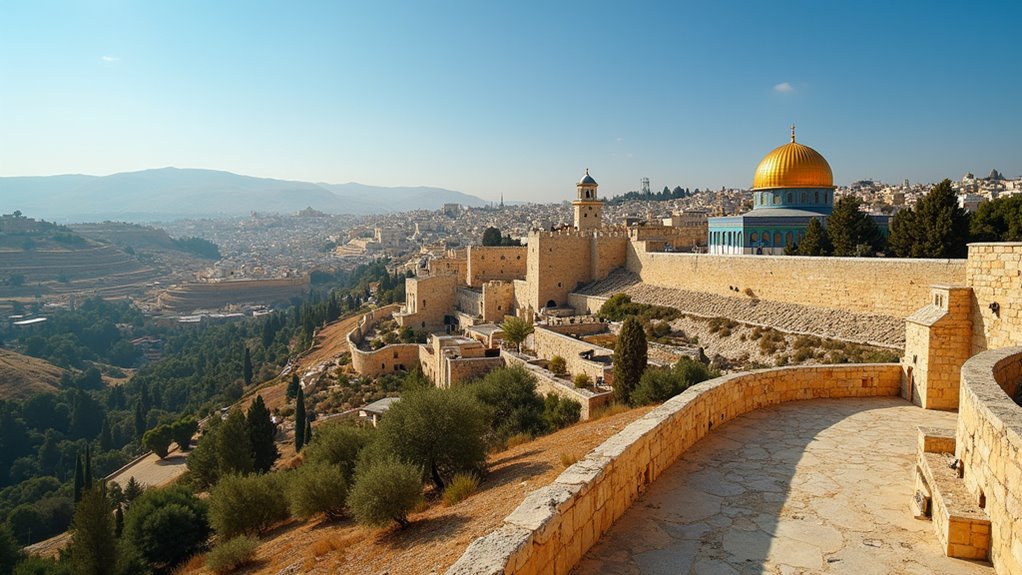
Why limit yourself to Jerusalem when one of Christianity’s most sacred sites lies just eight miles south? A day trip to Bethlehem lets you stand where Jesus was born at the Church of the Nativity, marked by a silver 14-pointed star. You’ll explore Manger Square and descend into ancient grottoes beneath Saint Catherine’s Church.
Most tours include the stunning Judean Desert drive, where you’ll stop at the Sea Level sign marking Earth’s lowest point. Budget-conscious travelers can join group tours starting from Jerusalem or Tel Aviv, with transportation included. Remember to bring your passport for checkpoint entry.
Consider extended tours that add Shepherd’s Fields or local olive wood workshops for authentic souvenirs without breaking the bank. Many tour operators offer comprehensive packages that include both Bethlehem and Jerusalem’s Old City for around $100 per person.
The Sum Up
You’ve got enough here to fill several trips, so don’t stress about seeing everything at once. Pick three or four activities that speak to you most and save your energy for what matters. Many of these experiences are free or low-cost, so you won’t break the bank exploring. Take your time, wear comfortable shoes, and remember that Jerusalem’s been here for thousands of years – it’ll wait for your next visit.