
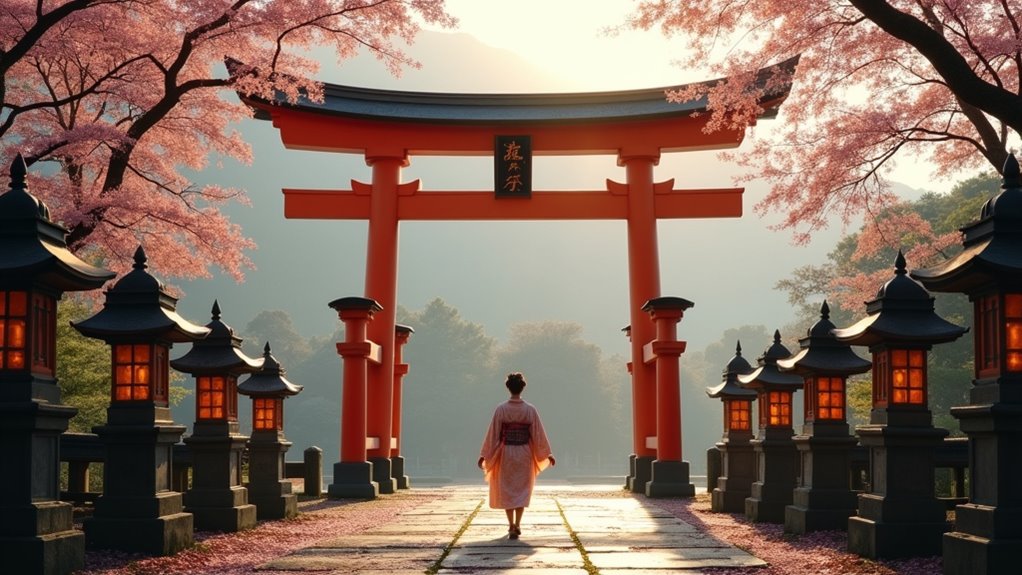
Kyoto’s ancient temples and modern crowds don’t mix well for most travelers. Seasoned visitors know the city’s best experiences happen when travelers are still sleeping, eating breakfast at their hotels, or following the same overcrowded routes everyone else takes. The difference between a mediocre trip and an unforgettable one often comes down to timing, knowing which free alternatives exist, and understanding where locals actually go. Smart planning transforms Kyoto from expensive and overwhelming into something entirely different.
- Walk Through Fushimi Inari’s 10,000 Torii Gates at Dawn
- Experience the Golden Pavilion Without the Crowds
- Stand on Kiyomizu-dera’s Famous Wooden Stage
- Meditate in Ginkaku-ji’s Perfect Zen Gardens
- Wander the Arashiyama Bamboo Grove and Tenryu-ji Temple
- Explore Nijo Castle’s Nightingale Floors and Palace Rooms
- Stroll the Philosopher’s Path Between Temples
- Hunt for Geishas in Gion’s Historic Streets
- Taste Sake at Gekkeikan Museum in Fushimi District
- Climb to Monkey Park Iwatayama for City Views
- Sample Buddhist Vegetarian Cuisine at Temple Restaurants
- Browse Nishiki Market’s 400-Year-Old Food Stalls
- Take a Free English Tour of Kyoto Imperial Palace
- Watch Seasonal Illuminations at Traditional Gardens
Walk Through Fushimi Inari’s 10,000 Torii Gates at Dawn
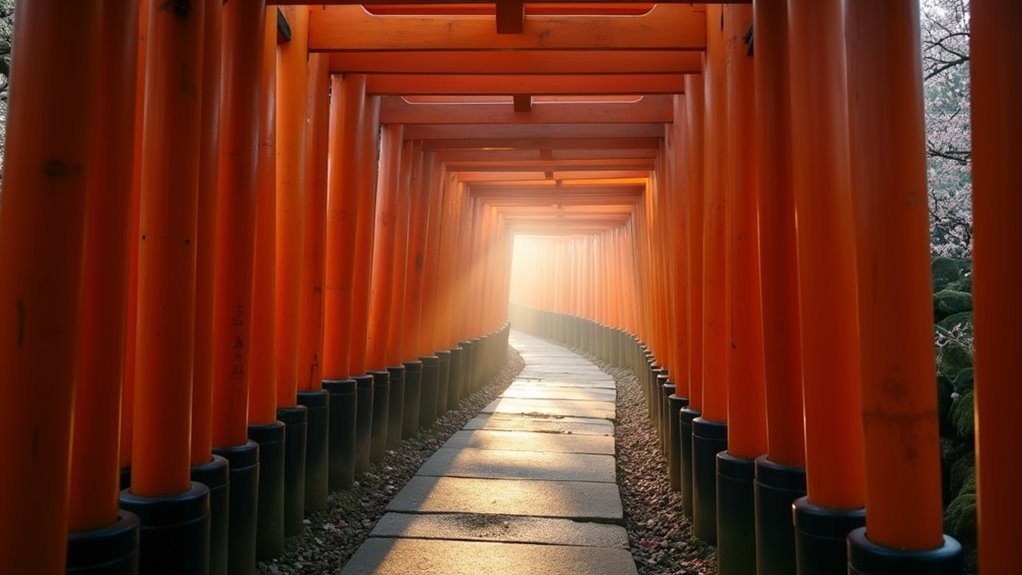
Since most travelers arrive during peak daylight hours, visitors who wake early can experience Fushimi Inari Taisha’s thousands of vermilion torii gates in near solitude. The ancient Shinto shrine, established in 711 AD, transforms into a mystical experience at dawn when soft light filters through the iconic gate tunnels.
The hike up Mount Inari takes about two hours to reach the summit, but travelers can turn back at any point.
Early morning visits offer cooler temperatures and dramatic photo opportunities without crowds blocking the pathways. The shrine operates 24/7 and charges no admission fee, making it perfect for budget-conscious explorers.
Nearby vendors won’t open until later, so visitors should bring water and snacks. The peaceful atmosphere at sunrise creates an almost spiritual journey through Japan’s most photographed shrine.
Experience the Golden Pavilion Without the Crowds
Why fight through shoulder-to-shoulder travelers when Kinkaku-ji’s golden reflection can be enjoyed in peaceful solitude? The secret’s timing: arrive when gates open at 8 AM or during winter months when crowds thin considerably. Early morning visitors witness the pavilion’s gold leaf catching first light across the mirror-like pond—a photographer’s dream without elbowing for position.
The temple’s landscaped gardens reveal intricate details when there’s space to breathe. Visitors can actually pause at viewing spots, appreciate the late 14th-century architecture, and explore the old temple halls beyond the main attraction.
Winter offers bonus perks: potential snow-dusted scenes and notably lower entrance fees at nearby accommodations. Smart travelers pack layers and grab coffee from vending machines outside—Kyoto’s golden gem rewards those who beat the rush.
Stand on Kiyomizu-dera’s Famous Wooden Stage
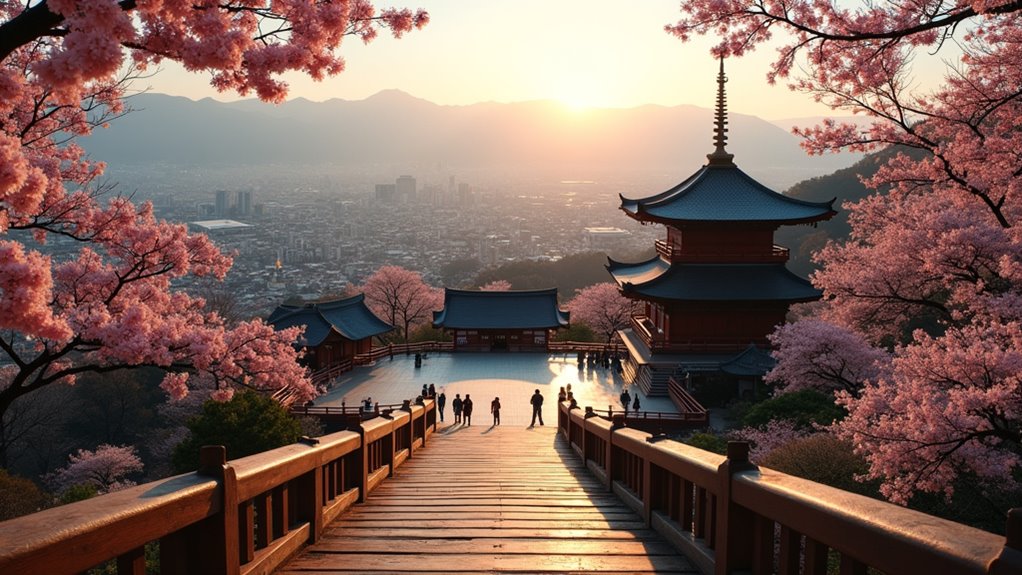
While most visitors expect creaking and swaying from a 1,200-year-old wooden platform, Kiyomizu-dera’s famous stage stands rock-solid beneath their feet—a proof to ancient engineering that used zero nails in its construction.
The wooden platform juts 13 meters above the hillside, offering panoramic views of Kyoto’s cityscape and seasonal foliage below.
Founded in 778 AD, this UNESCO World Heritage site‘s main hall houses the stage where visitors can fully appreciate the temple’s architectural marvel.
The complex includes seven major buildings and multiple pagodas to explore beyond the iconic platform.
Budget-conscious travelers should visit early morning or late afternoon when entrance fees remain reasonable and crowds thin out, allowing better photo opportunities and peaceful moments on this historic wooden wonder.
Meditate in Ginkaku-ji’s Perfect Zen Gardens
From Kiyomizu-dera’s bustling wooden stage, travelers seeking quieter contemplation should head to Ginkaku-ji, where the Silver Pavilion’s meticulously designed gardens offer perfect spaces for meditation and reflection. This Zen temple in the Southern Higashiyama District creates an atmosphere that’s worlds apart from Kyoto’s crowded attractions.
The gardens here aren’t just beautiful—they’re engineered for inner peace. Visitors can find secluded spots among carefully placed stones, raked gravel patterns, and ancient moss formations that encourage mindful breathing and quiet observation. Unlike its famous Golden Pavilion counterpart, Ginkaku-ji maintains a more intimate scale that feels less overwhelming.
The temple’s thoughtful layout guides visitors naturally through different meditation zones, each offering unique perspectives on traditional Japanese garden design. It’s an affordable way to experience authentic Zen principles firsthand.
Wander the Arashiyama Bamboo Grove and Tenryu-ji Temple
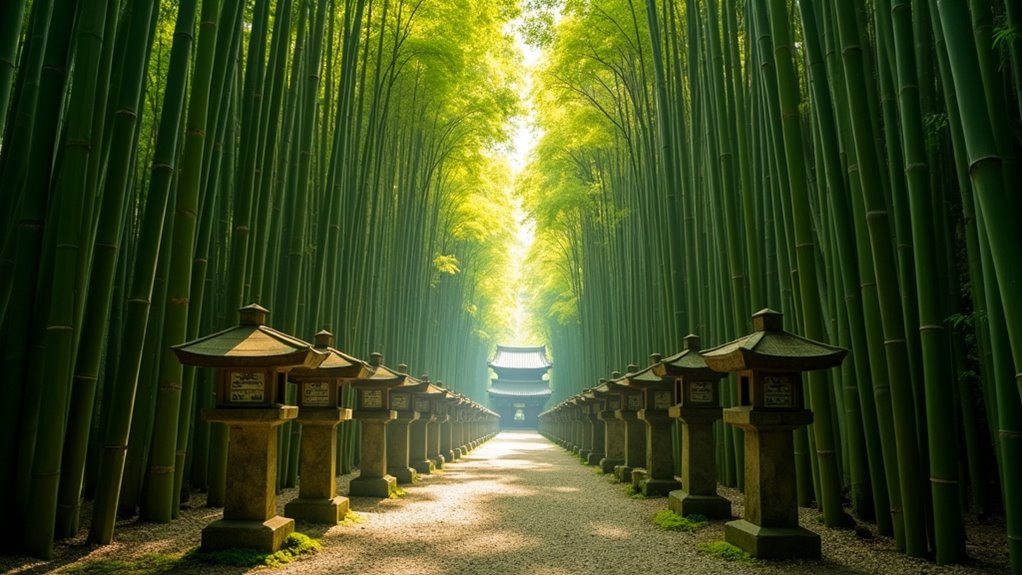
When meditation time ends at Ginkaku-ji, travelers should head west to Arashiyama, where the iconic Bamboo Grove creates one of Kyoto’s most Instagram-worthy yet genuinely peaceful experiences. The towering bamboo stalks filter sunlight into ethereal green hues, creating natural cathedral corridors that cost nothing to explore.
Just steps away, Tenryu-ji Temple offers exquisite gardens that inspired the Golden Pavilion‘s design. This popular Zen temple features meticulously landscaped grounds perfect for contemplation. The temple’s proximity to the bamboo forest makes it an efficient two-for-one destination.
Budget-conscious visitors can pack snacks since food options here are pricier than central Kyoto. Early morning visits beat crowds and capture the best lighting for photos. The combination delivers quintessential Kyoto beauty without breaking the bank.
Explore Nijo Castle’s Nightingale Floors and Palace Rooms
After experiencing Arashiyama’s natural beauty, visitors should make their way to Nijo Castle, where history comes alive through ingenious architectural features designed for protection and surveillance. The castle’s famous nightingale floors squeak deliberately when walked upon, alerting occupants to intruders’ presence.
This UNESCO World Heritage site served as the shogun’s residence and showcases original palace buildings with intricate sliding doors and painted screens.
Travelers can explore the extensive grounds and multiple rooms that tell Japan’s feudal history. The castle offers free English tours, making it budget-friendly for international visitors.
The ornate chambers display period artwork and furniture, while the defensive layout reveals strategic thinking.
Plan at least two hours to fully appreciate the architecture and gardens that surround this remarkable fortress.
Stroll the Philosopher’s Path Between Temples
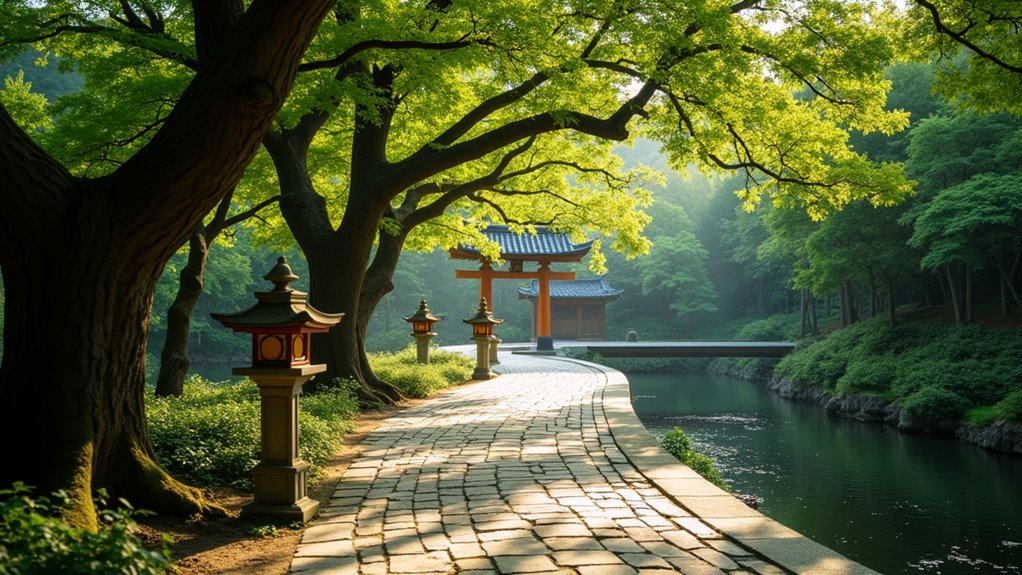
Why not combine temple visits with one of Kyoto’s most scenic walks? The Philosopher’s Path (Tetsugaku no michi) offers exactly that—a peaceful one-mile walkway connecting Ginkaku-ji and Nanzenji temple areas.
This stone path follows a canal lined with hundreds of cherry trees, making spring visits particularly stunning, though it’s beautiful year-round.
Travelers can start at either end, exploring temples along the way without paying extra for transportation.
The walk takes about 30-45 minutes at a leisurely pace, with plenty of spots to rest and take photos.
Small cafes and traditional shops dot the route, offering affordable refreshments and local crafts.
It’s completely free to walk, making it perfect for budget-conscious visitors who want to experience Kyoto’s contemplative side while efficiently visiting multiple temples.
Hunt for Geishas in Gion’s Historic Streets
While spotting a real geisha requires patience and luck, Gion district offers visitors the best chance to glimpse these elusive figures in their natural habitat. This historic entertainment quarter comes alive during evening hours when geishas hurry between traditional tea houses for appointments.
The narrow cobblestone streets of Hanami-koji and surrounding alleys provide the perfect backdrop for geisha spotting. Visitors should walk quietly and respectfully, keeping cameras discreet since these are working professionals, not tourist attractions.
Early evening around 5-6 PM offers the best opportunities as geishas travel to their engagements. The traditional shops and restaurants along these historic streets make the hunt worthwhile even without sightings.
Budget-conscious travelers can simply wander freely through Gion’s atmospheric lanes, soaking up centuries of cultural heritage.
Taste Sake at Gekkeikan Museum in Fushimi District
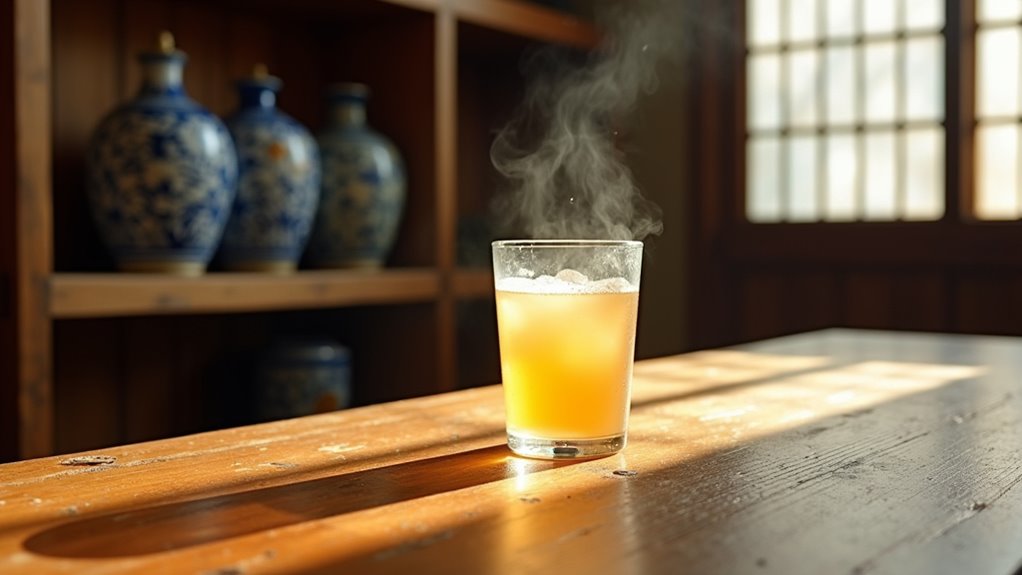
Three centuries of sake brewing expertise await visitors at the Gekkeikan Okura Sake Museum, where Japan’s oldest continuously operating sake company shares its secrets through interactive exhibits and tastings. Located in Kyoto’s historic Fushimi district, this museum offers an affordable way to learn about traditional sake production methods while sampling different varieties.
The museum’s exhibits showcase antique brewing equipment, wooden barrels, and traditional tools used in sake making. Visitors can explore the fermentation process through hands-on displays and English explanations.
The highlight comes during the tasting session, where guests sample several sake types ranging from sweet to dry.
At just a few hundred yen for admission, it’s budget-friendly entertainment that includes souvenir sake cups. The Fushimi district itself deserves exploration, with its canal-side breweries and traditional architecture creating an authentic Japanese experience.
Climb to Monkey Park Iwatayama for City Views
Although the hike to Monkey Park Iwatayama requires some effort, visitors who make the climb are rewarded with spectacular panoramic views of Kyoto and an entertaining encounter with wild Japanese macaques. The 20-minute uphill trek through forested trails leads to an observation deck where playful monkeys roam freely while visitors enjoy sweeping city vistas.
Located in Arashiyama, the park offers an affordable outdoor adventure that’s perfect for budget travelers. Entry costs just a few hundred yen, making it one of Kyoto’s best value attractions. Visitors can observe the macaques’ natural behaviors while taking in views of temples, mountains, and urban landscapes below.
The experience combines nature, wildlife, and sightseeing in one memorable outing that’s especially rewarding during clear weather conditions.
Sample Buddhist Vegetarian Cuisine at Temple Restaurants
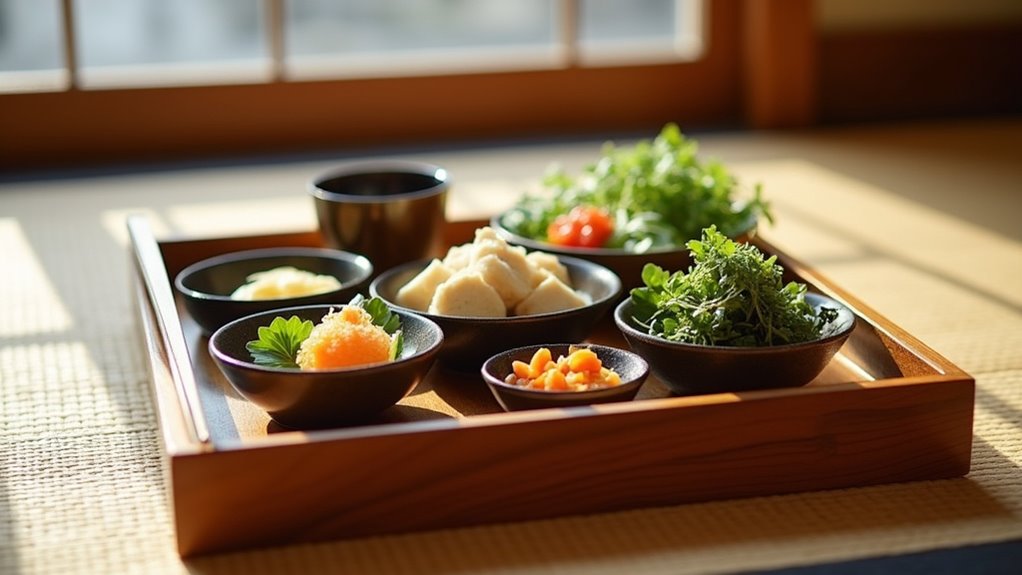
After working up an appetite from hiking and sightseeing, visitors can discover one of Kyoto’s most authentic culinary experiences at temple restaurants serving shojin ryori, traditional Buddhist vegetarian cuisine. Tenryu-ji temple in Arashiyama offers particularly accessible options for trying these beautifully presented, multi-course meals that emphasize seasonal ingredients and natural flavors.
Shojin ryori follows Buddhist principles by using no meat, fish, or strong-flavored vegetables like garlic or onions. Instead, chefs create satisfying dishes from tofu, seasonal vegetables, rice, and pickles. The presentation emphasizes harmony and balance, with each dish thoughtfully arranged.
These temple meals typically cost between 3,000-5,000 yen and provide insight into centuries-old Buddhist philosophy through food. It’s a peaceful, meditative dining experience that contrasts beautifully with Kyoto’s bustling tourist areas.
Browse Nishiki Market’s 400-Year-Old Food Stalls
While temple cuisine offers spiritual nourishment, Nishiki Market delivers Kyoto’s most vibrant food adventure just steps from the city center. This 400-year-old covered market stretches five blocks through downtown, packed with vendors selling fresh ingredients, pickles, and unique Kyoto delicacies that won’t break the bank.
Visitors can sample tofu skin, matcha-flavored sweets, and handmade mochi while traversing the narrow aisles. Local pickles showcase Kyoto’s preservation techniques, and specialty shops offer everything from premium sake to handcrafted knives.
The market’s compact layout makes it perfect for a quick food tour between temple visits.
Arrive early morning for the freshest selections and smaller crowds. Most vendors accept cash only, so budget accordingly for this authentic taste of Kyoto’s culinary heritage.
Take a Free English Tour of Kyoto Imperial Palace
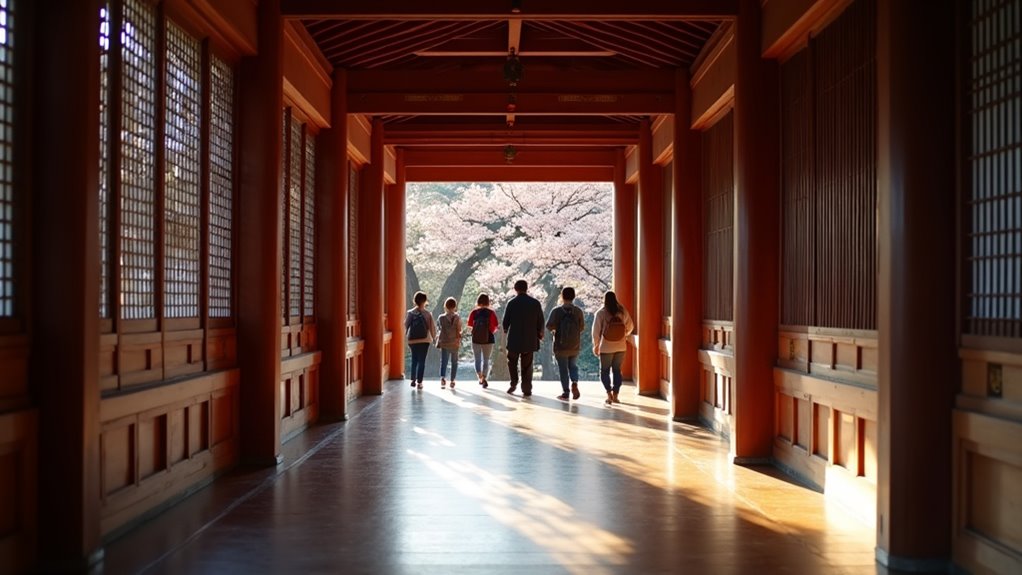
From Kyoto’s bustling food scene, travelers can explore the city’s imperial history without spending a yen at Kyoto Imperial Palace. These free English tours require advance reservations online, but they’re worth the planning effort. The guided walks take visitors through the expansive grounds, revealing stories about Japan’s former emperors and court life.
The palace complex sits within a massive public park that’s perfect for cycling or leisurely strolls between tours. Visitors can also explore Sento Palace on the same grounds with separate free tours. The park itself stays open year-round, offering peaceful green space in central Kyoto.
Budget-conscious travelers should book tours several days ahead, especially during cherry blossom season when demand peaks considerably.
Watch Seasonal Illuminations at Traditional Gardens
When darkness falls over Kyoto’s historic gardens, dramatic lighting transforms these ancient spaces into magical wonderlands that cost nothing to admire from public viewpoints. Shozan Resort Garden offers spectacular seasonal illuminations, including special moon viewing events that highlight traditional Japanese aesthetics.
Nijo Castle hosts autumn foliage illuminations that showcase the UNESCO World Heritage site’s gardens in stunning detail.
These nighttime displays typically run during peak seasons—cherry blossom time in spring and autumn leaf season. Visitors can experience a completely different perspective of familiar daytime attractions without additional entrance fees at many locations.
The illuminations create perfect photography opportunities while providing a peaceful evening activity. Smart travelers plan their visit around these seasonal events to witness Kyoto’s gardens in their most enchanting state.