
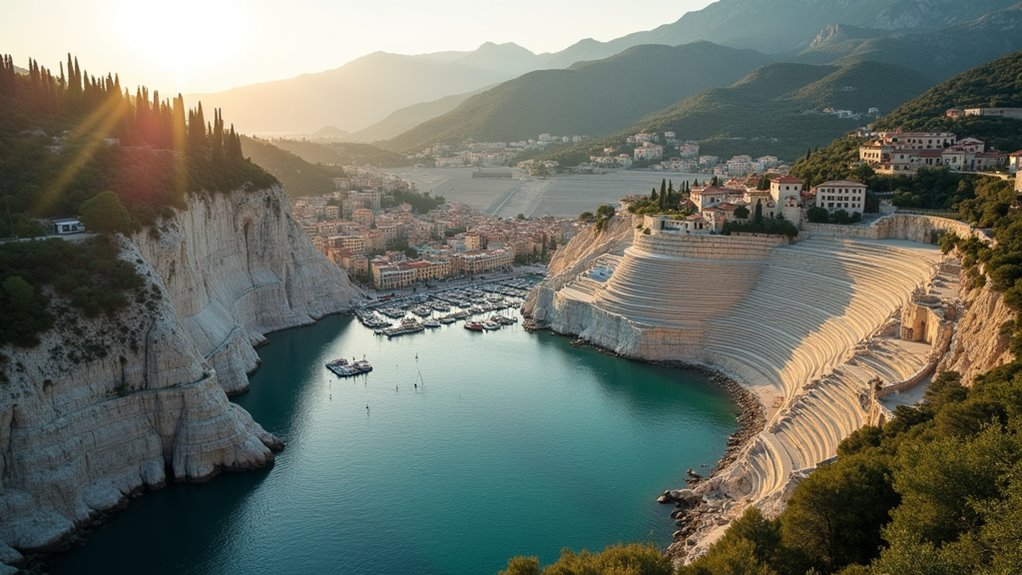
You’ll find Massa and Carrara tucked between the Ligurian Sea and the marble-rich Apuan Alps, offering experiences that won’t drain your wallet. This often-overlooked corner of Tuscany delivers everything from ancient quarries where Michelangelo sourced his stone to thermal springs perfect for budget-friendly relaxation. Whether you’re drawn to medieval castles, mountain hikes, or authentic local flavors, this region combines history and natural beauty without the crowds—or prices—of Italy’s tourist hotspots. Here’s what shouldn’t miss your itinerary.
- Tour the Carrara Marble Quarries Where Michelangelo Got His Stone
- Explore Malaspina Castle and Hunt Down Michelangelo’s Hidden Crucifix
- Soak in San Carlo Hot Springs With Mountain Views
- Hike the Apuan Alps for Dramatic Sea-to-Summit Scenery
- Taste Lardo Di Colonnata in Its Marble-Cave Birthplace
- Wander Fosdinovo’s Medieval Streets and Castle
- Discover Renaissance Art at the Diocesan Museum
- The Sum Up
Tour the Carrara Marble Quarries Where Michelangelo Got His Stone
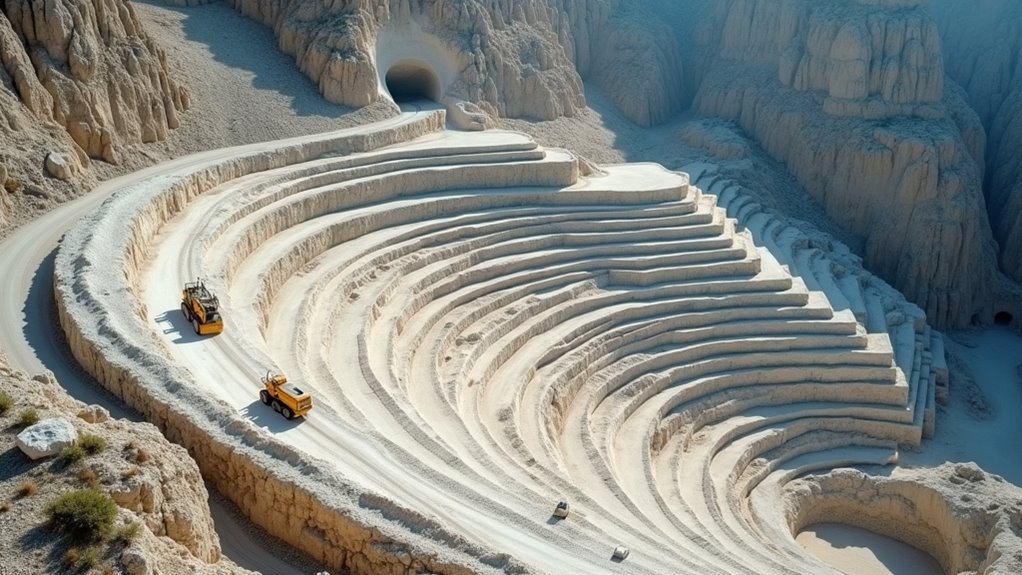
For over two thousand years, the Carrara marble quarries have carved their way into the Apuan Alps, producing the pristine white stone that Romans used for the Pantheon and Michelangelo selected for his David and Pietà.
You’ll find these legendary quarries near Carrara, where guided tours let you walk the same paths Michelangelo used when personally selecting marble blocks. The Torano quarries remain the crown jewel, known for their exceptional purity that earned marble its nickname “white gold.”
Today’s tours show you active quarries alongside historic sites where you can still see ancient stone-sliding roads (vie di lizza) carved into mountainsides. The white mountains themselves are a testament to the extensive marble extraction that has shaped this landscape over millennia.
You’ll witness the dramatic landscape scarred by centuries of extraction and understand why this marble became the world’s most coveted sculptural material.
Explore Malaspina Castle and Hunt Down Michelangelo’s Hidden Crucifix
After exploring the marble quarries where Michelangelo sourced his stone, you’ll want to visit the imposing Malaspina Castle that’s dominated Massa’s skyline since the 12th century. The Malaspina family transformed this medieval fortress into a Renaissance residence, creating stunning frescoed interiors you can explore today.
Beyond the castle’s elegant courtyards and panoramic views of the Tyrrhenian Sea, there’s another treasure to hunt: Michelangelo’s rumored hidden crucifix. Local guides often incorporate searching for this secretive masterpiece into tours of nearby churches and chapels around Massa and Carrara. Legend suggests that the castle sits above a funnel-shaped cave that some believe inspired literary works about the underworld.
Visit during weekday mornings for smaller crowds and better photos. Wear comfortable shoes for the uneven castle surfaces, and consult local churches or museums about authenticated Michelangelo displays in the area.
Soak in San Carlo Hot Springs With Mountain Views
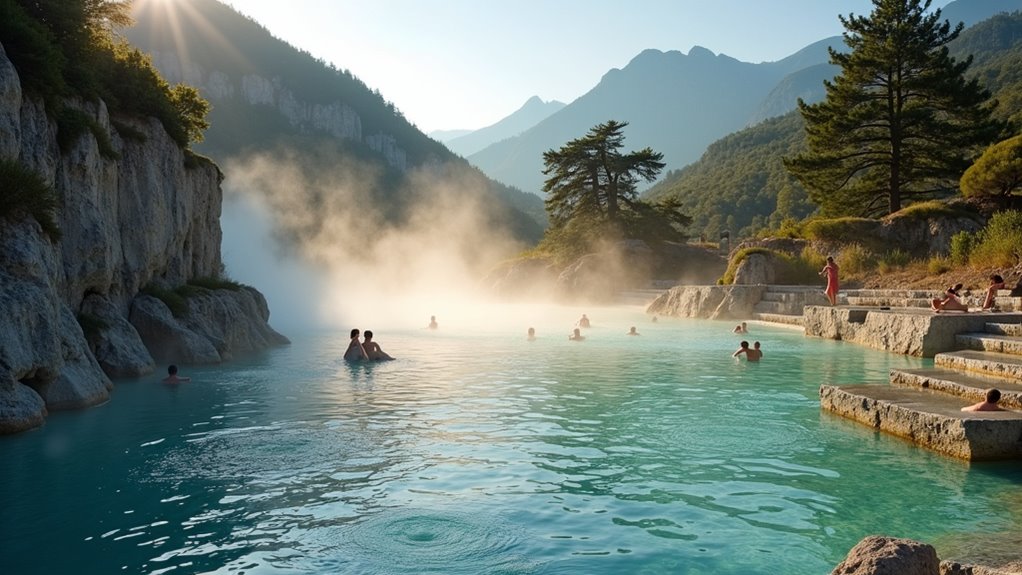
When you need a break from marble quarries and medieval castles, San Carlo hot springs offer the perfect mountain retreat just 0.9 miles from Massa’s center. You’ll soak in thermal waters that’ve been healing visitors since Roman times, with the bonus of stunning Apuan Alps views.
The mineral-rich Acqua San Carlo emerges at a comfortable 55°F and helps with digestion, skin conditions, and detox.
The thermal park reopened in 2017 with updated facilities, walking paths, and historic fountains surrounded by beech and chestnut woods. From the springs, you can enjoy panoramic views of both the coast and the Alps stretching into the distance.
Visit between May and October when the springs operate seasonally. You can grab traditional Tuscan meals at the on-site restaurant or stay nearby at Hotel San Carlo.
The location within UNESCO’s Parco delle Alpi Apuane makes it worth the short trip from town.
Hike the Apuan Alps for Dramatic Sea-to-Summit Scenery
Beyond the relaxing thermal waters, the towering Apuan Alps beckon with some of Italy’s most spectacular hiking terrain. You’ll find trails ranging from easy one-hour walks to challenging 16-kilometer adventures with breathtaking 360-degree panoramas spanning the Ligurian Sea to the Apennines.
Start with the accessible Monte Sagro hike – 9.5 kilometers with moderate elevation gain and stunning summit views. For something unique, tackle Monte Forato’s circular route to see its famous natural arch.
Advanced hikers shouldn’t miss Pania della Croce’s challenging 16.4-kilometer trek with chain-assisted sections. For thrill-seekers, the park offers short via ferrata routes on peaks like Monte Procinto and Monte Forato, providing easy access to summits with steel cables and fixed anchors.
Most trails take 4-5 hours and are accessible by car from nearby villages like Levigliani. Pack trekking poles for steep sections, and you’ll discover marble quarries, waterfalls, and dramatic karstic landscapes throughout this protected regional park.
Taste Lardo Di Colonnata in Its Marble-Cave Birthplace
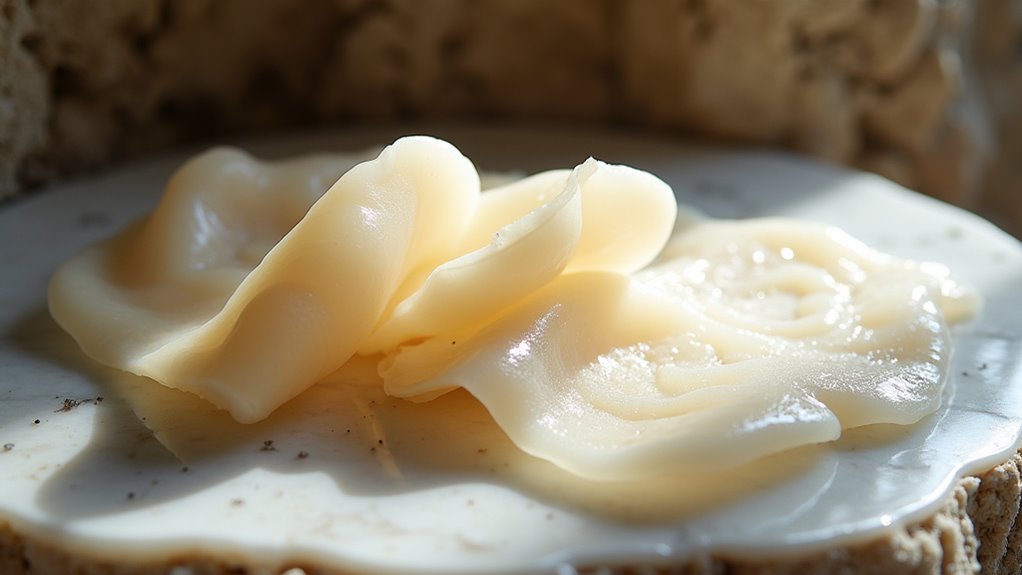
Where else can you taste Italy’s most prized cured pork fat in the very marble caves where it’s aged? Head to Colonnata village, nestled in Carrara’s marble quarries, where local producers cure lardo in hand-carved Canaloni marble basins.
You’ll discover how centuries-old tradition transforms simple pork fatback into culinary gold using coarse sea salt, rosemary, garlic, and black pepper.
Visit family-run shops where you can watch artisans slice paper-thin portions of this delicate, herbaceous delicacy. The marble’s unique porosity creates perfect curing conditions that you can’t replicate anywhere else.
Try it simply on warm bread or paired with local honey. Most tastings cost just a few euros, making this an affordable way to experience authentic Italian craftsmanship while surrounded by the same Carrara marble Michelangelo once used. This delicacy holds Protected Geographical Indication status, recognizing its unique heritage and traditional production methods.
Wander Fosdinovo’s Medieval Streets and Castle
Perched dramatically on a hilltop between the Apuan Alps and Tyrrhenian coast, Fosdinovo’s medieval castle commands sweeping 360-degree views that stretch from marble quarries to distant islands like Elba and Corsica.
You’ll explore the 12th-century fortress where Dante allegedly stayed during his 1306 exile, wandering through rooms displaying frescoes commemorating his visit.
The castle’s quadrangular structure features four circular towers connected by defensive walkways, built directly into sandstone rock.
Below the castle, you’ll stroll through Fosdinovo’s well-preserved medieval streets, discovering St. Remigius Church and ancient oratories with notable religious artifacts.
Don’t miss remnants of the old theater and coin minting facility.
The fortress has operated as a cultural center since 2008, hosting interdisciplinary initiatives that blend literature, arts, and nature programming.
This budget-friendly destination lets you experience authentic medieval atmosphere while enjoying panoramic vistas across Val di Magra’s historic landscape.
Discover Renaissance Art at the Diocesan Museum
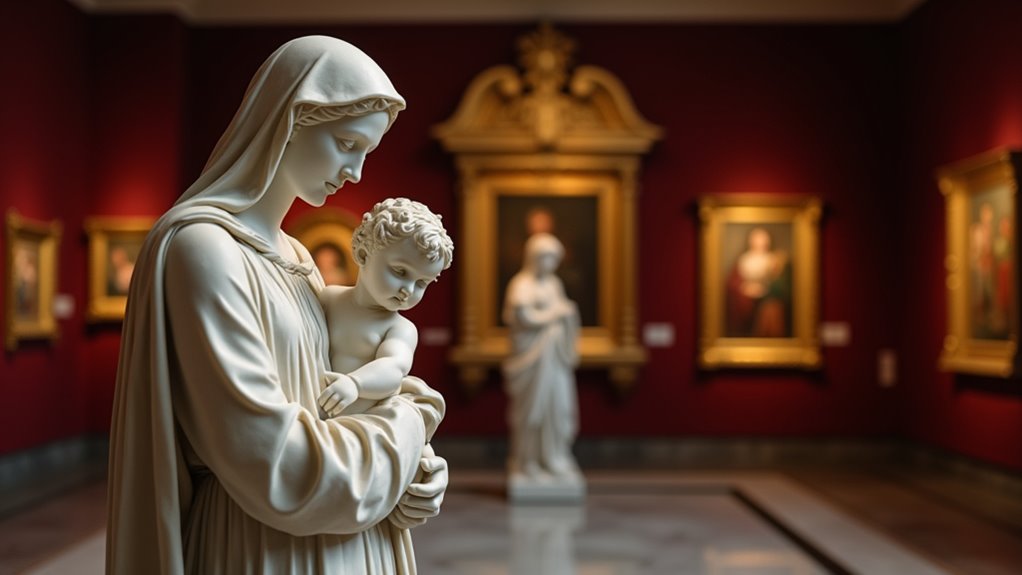
After exploring medieval castles and cobblestone streets, you’ll find Massa’s Diocesan Museum offers an intimate glimpse into the region’s Renaissance artistic heritage without the crowds or steep admission fees of major galleries.
Housed in a 16th-century former Bishop’s Palace, this hidden gem showcases sacred art from local churches, including works by Rosso Fiorentino and a statue by Jacopo della Quercia from around 1420.
You’ll discover marble sculptures, Renaissance altarpieces, and exquisite goldsmithery that reveal how local artisans blended regional craftsmanship with Renaissance innovations. The museum’s collection includes paintings and sacred objects that tell the story of the area’s deep religious traditions and artistic evolution.
The rotating exhibitions let you explore different aspects of the area’s religious art history.
If you’re traveling with kids, they offer treasure hunts to keep young visitors engaged while learning about sacred art traditions.
The Sum Up
You’ve got seven incredible ways to experience Massa and Carrara without breaking the bank. From free hikes in the Apuan Alps to affordable marble quarry tours, this region offers amazing value. Don’t miss the hot springs for a budget-friendly spa day, and definitely splurge a little on authentic Lardo di Colonnata – it’s worth every euro. Pack comfortable shoes, bring your camera, and you’ll discover why this corner of Italy captivates visitors year-round.