
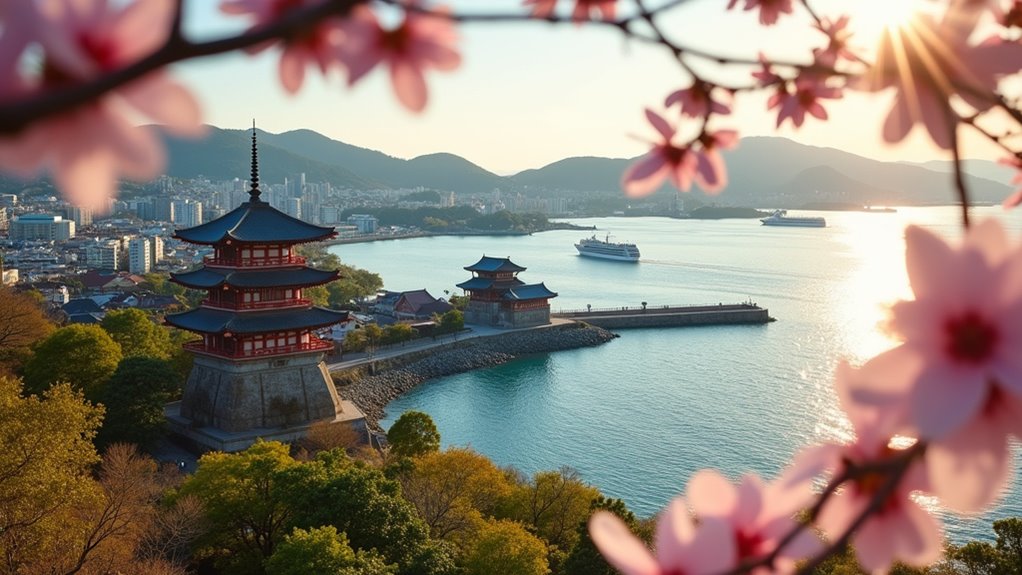
Travelers seeking depth beyond typical tourist attractions will find Nagasaki uniquely compelling. This historic port city seamlessly blends sobering atomic history with stunning natural beauty and rich cultural heritage. Visitors can stand where history changed forever, explore abandoned industrial islands, and discover hidden Christian sites that survived centuries of persecution. From panoramic night views to nostalgic tram rides, each experience offers genuine connection to Japan’s complex past and vibrant present. The question isn’t whether to visit, but which meaningful moments will resonate most.
- Stand at Ground Zero: Atomic Bomb Hypocenter Park
- Reflect at the Nagasaki Atomic Bomb Museum
- Catch Japan’s Best Night View From Mount Inasa
- Explore the Abandoned Mining Island of Gunkanjima
- Walk Through History at Glover Garden
- Temple-Hop Along Teramachi Street
- Experience Japan’s Oldest Chinatown
- Visit Ohura Church and the Hidden Christian Sites
- Take a Nostalgic Tram Ride Through the City
- Time Your Visit for the Daffodil Bloom at Suisen-no-Sato Park
Stand at Ground Zero: Atomic Bomb Hypocenter Park
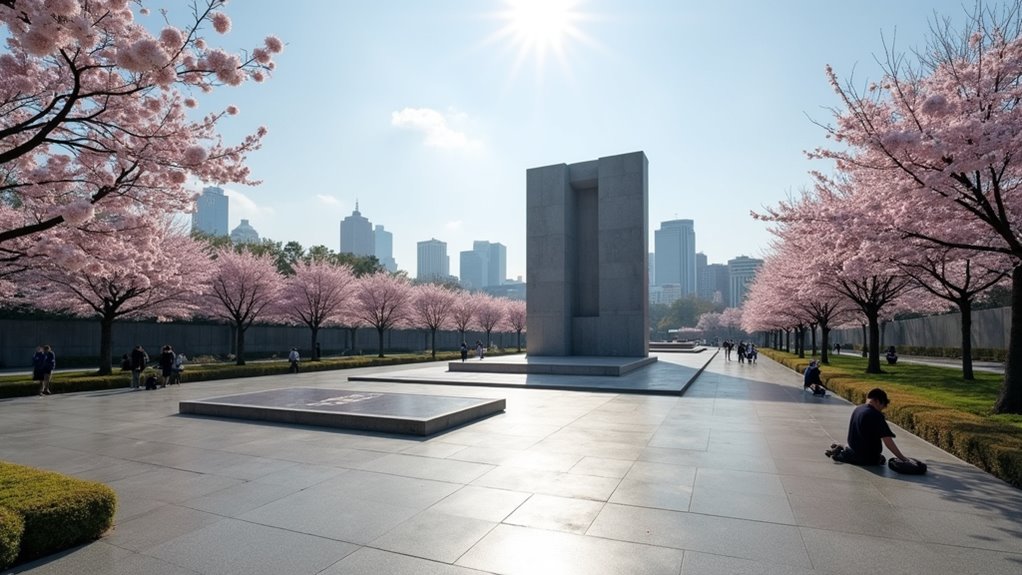
Where exactly did the atomic bomb detonate over Nagasaki on August 9, 1945? The Atomic Bomb Hypocenter Park marks the precise spot where the plutonium bomb exploded 500 meters above ground. This small but profoundly significant park provides free access to one of history’s most sobering locations.
A black stone monolith stands at the epicenter, surrounded by concentric circles that represent the blast’s devastating reach. Visitors can walk the grounds at no cost, reading informational plaques that explain the bombing’s immediate impact on the surrounding Urakami district.
The park’s simplicity is intentional—there’s no elaborate memorial here, just the stark reality of ground zero.
Located near the Peace Park, it’s easily accessible by tram, making it an essential stop for anyone seeking to understand Nagasaki’s tragic yet resilient history.
Reflect at the Nagasaki Atomic Bomb Museum
While the Hypocenter Park shows where the bomb fell, the Nagasaki Atomic Bomb Museum reveals why it happened and what it meant for humanity. Visitors walk through exhibits detailing the events leading up to August 9, 1945, including personal belongings, photographs, and survivor testimonies that bring the tragedy into sharp focus.
The museum doesn’t just document destruction—it chronicles Nagasaki’s remarkable post-war reconstruction and ongoing peace efforts. Interactive displays and multilingual audio guides help visitors understand the broader context of nuclear warfare and its lasting impact.
At just 200 yen admission, it’s an accessible yet profound experience. The museum’s message of peace resonates long after leaving, making it essential for understanding both Nagasaki’s history and humanity’s responsibility to prevent future nuclear devastation.
Catch Japan’s Best Night View From Mount Inasa
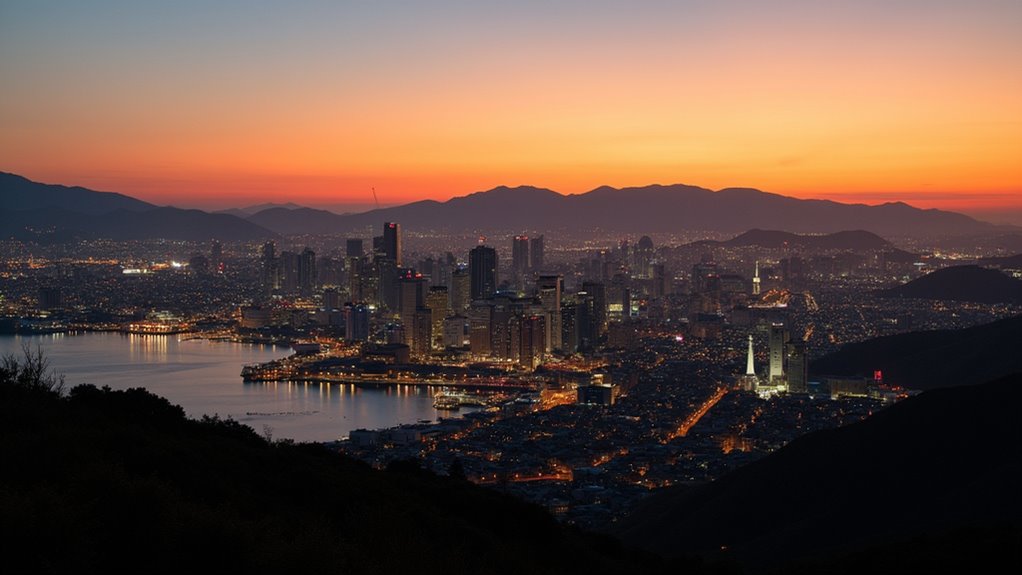
After absorbing Nagasaki’s weighty history, visitors can shift perspectives—literally—by heading 333 meters up Mount Inasa for what’s officially recognized as one of Japan’s top three night views.
The ropeway ride costs around ¥1,250 roundtrip, but it’s worth every yen for the 360-degree panorama of sparkling city lights cascading down hillsides toward Nagasaki Bay.
The observation deck showcases the city’s unique geography, with scattered islands dotting the harbor and urban sprawl weaving between mountains.
Sunset offers dramatic colors, while nighttime transforms the scene into a glittering carpet of lights.
The ropeway runs until 10 PM, giving plenty of time to catch both golden hour and full darkness.
Pack a light jacket—it’s cooler at the summit.
Explore the Abandoned Mining Island of Gunkanjima
How does a concrete fortress rising from the sea capture imaginations worldwide? Gunkanjima, also known as Hashima Island, sits 20 kilometers from Nagasaki as one of Japan’s most haunting destinations. This abandoned coal mining island operated from 1887 to 1974, housing thousands of workers in towering concrete apartments that created its battleship-like silhouette.
Visitors can explore this UNESCO World Heritage site through guided boat tours departing from Nagasaki Port. The tours cost around 4,000-5,000 yen and include fascinating commentary about the island’s industrial past. Weather conditions affect accessibility, so booking flexibility helps.
Walking designated paths, travelers witness crumbling buildings, rusted machinery, and nature reclaiming concrete structures. Gunkanjima’s eerie atmosphere and historical significance make it an unforgettable experience that connects visitors to Japan’s rapid industrialization period.
Walk Through History at Glover Garden
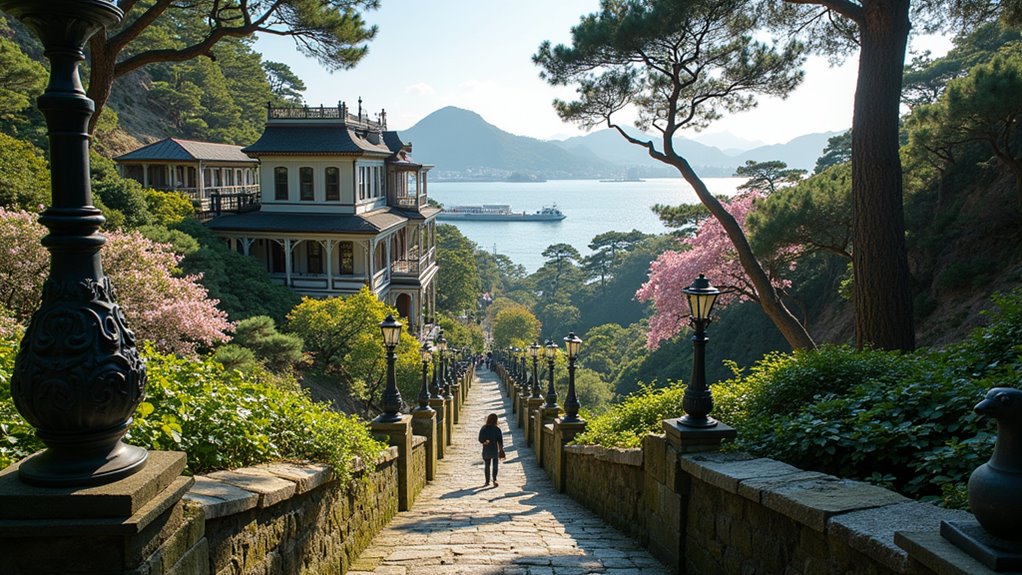
Perched on Nagasaki’s hillside, Glover Garden transports visitors into Japan’s fascinating encounter with Western culture during the mid-1800s. This open-air museum preserves beautifully restored Western-style residences, including the home of Scottish merchant Thomas Blake Glover, who played a pivotal role in Japan’s modernization.
Visitors can explore nine historic buildings while enjoying panoramic views of Nagasaki’s harbor below. The garden’s moving walkways make the uphill climb effortless, though walking up saves money on the escalator fee. Each residence tells stories of foreign merchants who shaped Japan’s industrial revolution.
Don’t miss the former Glover House, where visitors often spot heart-shaped stones—local legend claims finding one brings luck in love. The garden offers excellent value, combining history, architecture, and scenic views in one affordable attraction.
Temple-Hop Along Teramachi Street
Where else can visitors explore 14 temples and two shrines within a single historic street? Teramachi Street offers an incredible temple-hopping experience that won’t break the bank. Walking this historic thoroughfare, travelers discover architectural treasures including Sofukuji and Kofukuji temples, both designated national treasures.
The street’s name literally means “temple town,” and it lives up to its reputation.
Each temple showcases unique design elements and spiritual significance, reflecting Nagasaki’s diverse religious heritage. Visitors can spend hours wandering between these sacred sites, photographing intricate details and soaking in the peaceful atmosphere.
Most temples allow free entry to their grounds, making this an ideal budget-friendly activity. The concentrated layout means travelers can experience centuries of Japanese religious architecture without extensive travel between locations.
Experience Japan’s Oldest Chinatown
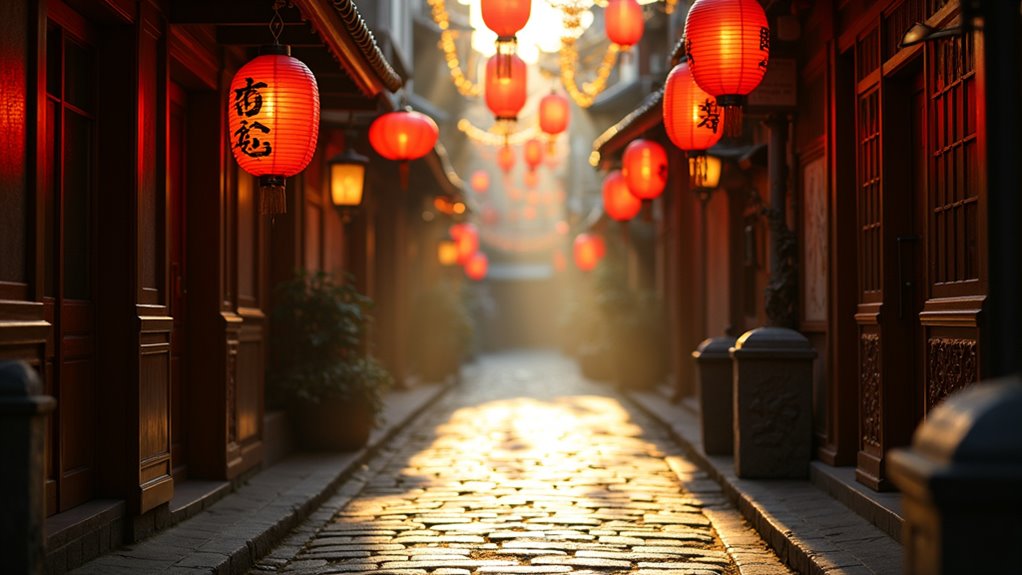
While many cities across Japan feature Chinese districts, Nagasaki’s Chinatown holds the distinction of being the country’s oldest, making it a must-visit cultural destination that doesn’t require deep pockets.
Visitors can wander through vibrant streets lined with authentic restaurants serving champon and sara udon, two local noodle dishes that blend Chinese and Japanese flavors. The area’s colorful gates and traditional architecture create perfect photo opportunities without admission fees.
Small shops sell affordable souvenirs and ingredients, while food stalls offer budget-friendly snacks. The district comes alive during festivals, especially the spectacular Lantern Festival in winter when thousands of lanterns illuminate the streets.
This compact neighborhood provides an authentic cultural experience that’s both accessible and wallet-friendly.
Visit Ohura Church and the Hidden Christian Sites
Standing as Japan’s oldest church, Ohura Church represents a remarkable chapter in the country’s complex religious history that visitors can explore for a modest entrance fee.
Built in 1864 by French missionaries, this Gothic-style church honors the 26 Christian martyrs executed in Nagasaki centuries earlier.
What makes this site truly special is its connection to Japan’s Hidden Christian heritage. When Christianity was banned for over 200 years, secret believers maintained their faith underground, developing unique practices that blended Christian and Buddhist elements.
The church became a symbol of religious freedom when these hidden believers finally revealed themselves to the French priests.
Today, visitors can tour the beautifully preserved interior and learn about this UNESCO World Heritage-designated story of persecution, survival, and ultimate religious tolerance in Japan.
Take a Nostalgic Tram Ride Through the City
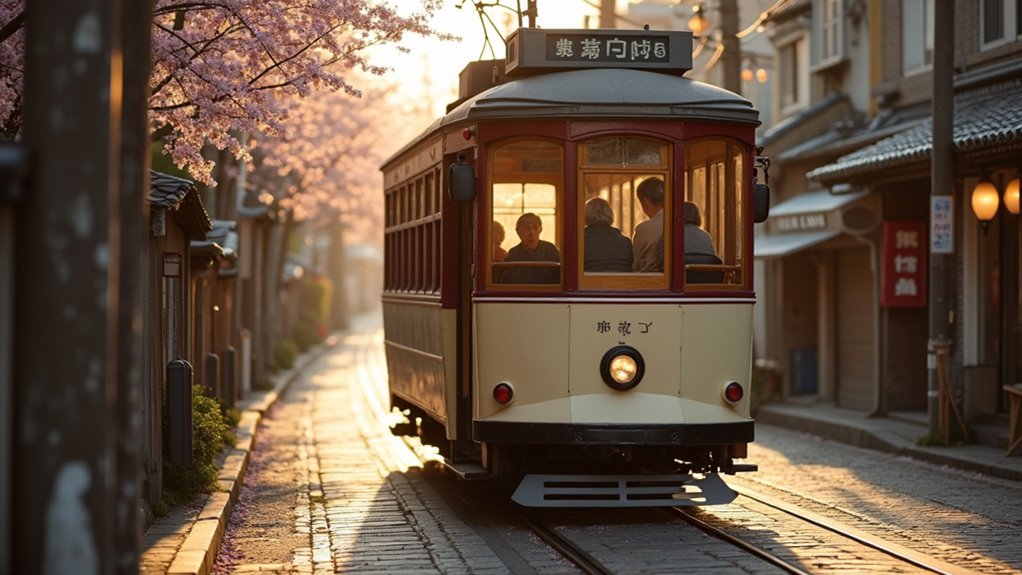
Since 1915, Nagasaki’s electric tramway has carried passengers through the city’s winding streets, offering travelers an authentic and affordable way to explore major attractions.
The vintage trams connect key destinations like Peace Park, Chinatown, and Glover Garden for just 140 yen per ride, making it the most budget-friendly transportation option in the city.
Visitors can purchase a day pass for 500 yen, allowing unlimited rides while experiencing local daily life alongside residents.
The colorful trams themselves tell Nagasaki’s story, with some cars dating back decades.
The gentle rocking motion and open windows provide intimate views of neighborhoods that buses and taxis can’t access.
It’s transportation and sightseeing rolled into one charming experience that captures the city’s unhurried pace.
Time Your Visit for the Daffodil Bloom at Suisen-no-Sato Park
After exploring the city by tram, nature lovers should plan their Nagasaki trip around one of the region’s most spectacular seasonal displays. Suisen-no-Sato Park transforms into a breathtaking wonderland each January when approximately 10 million daffodils bloom across its hillsides.
This free natural attraction offers incredible value for budget-conscious travelers seeking Instagram-worthy moments without spending money on entrance fees.
The timing’s essential – early January delivers peak blooms, though weather can affect exact dates. Visitors can wander through endless fields of yellow and white flowers while enjoying panoramic views of the surrounding countryside.
The park’s relatively remote location means fewer crowds compared to Nagasaki’s main attractions. Pack a picnic lunch to maximize your time among the flowers and create an affordable, memorable experience that showcases Japan’s natural beauty.