
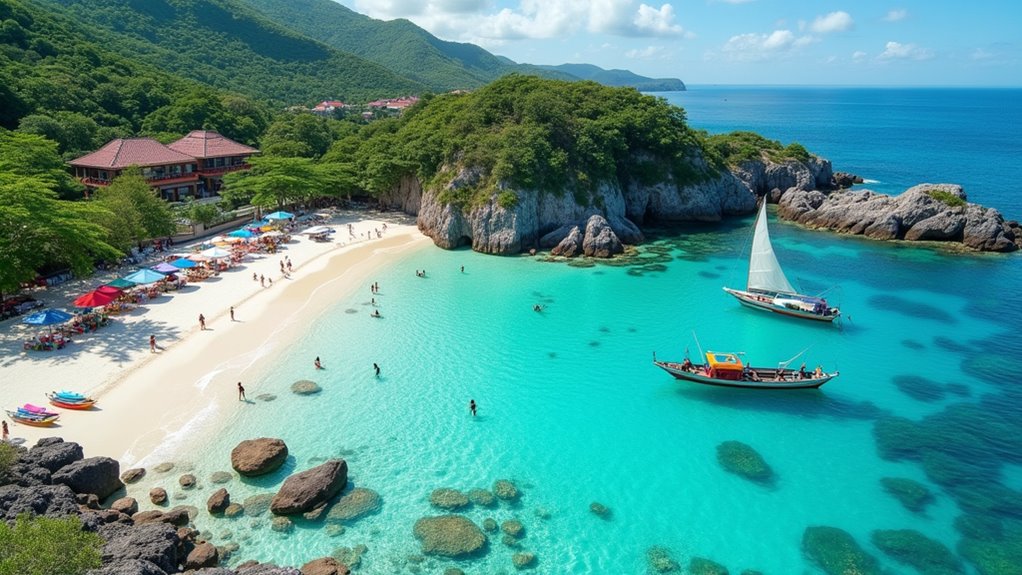
Travelers seeking authentic experiences in Okinawa will find the island offers far more than typical tourist attractions. From UNESCO World Heritage sites steeped in Ryukyu Kingdom history to underwater adventures in pristine coral reefs, the prefecture balances culture with natural wonders—all without breaking the bank. Smart visitors know that Okinawa’s true treasures lie in activities that connect them directly with local traditions, whether that’s crafting protective talismans or exploring sacred spaces that have guided islanders for centuries.
- Marvel at Marine Life at Okinawa Churaumi Aquarium
- Explore the Sacred Grounds of Sefa-Utaki
- Dive Into Crystal Clear Waters at Blue Cave
- Stroll Through Historic Shuri Castle Grounds
- Create Your Own Shisa Lion-Dog Guardian
- Experience Traditional Water Buffalo Cart Rides
- Trek to Pinaisara Falls on Wild Iriomote Island
- Hunt for Treasures Along Kokusai-dori Street
- Paddle Through Mangrove Forests by Kayak
- Soak Up Dramatic Ocean Views at Cape Manzamo
- Sample Local Flavors With Blue Seal Ice Cream
Marvel at Marine Life at Okinawa Churaumi Aquarium
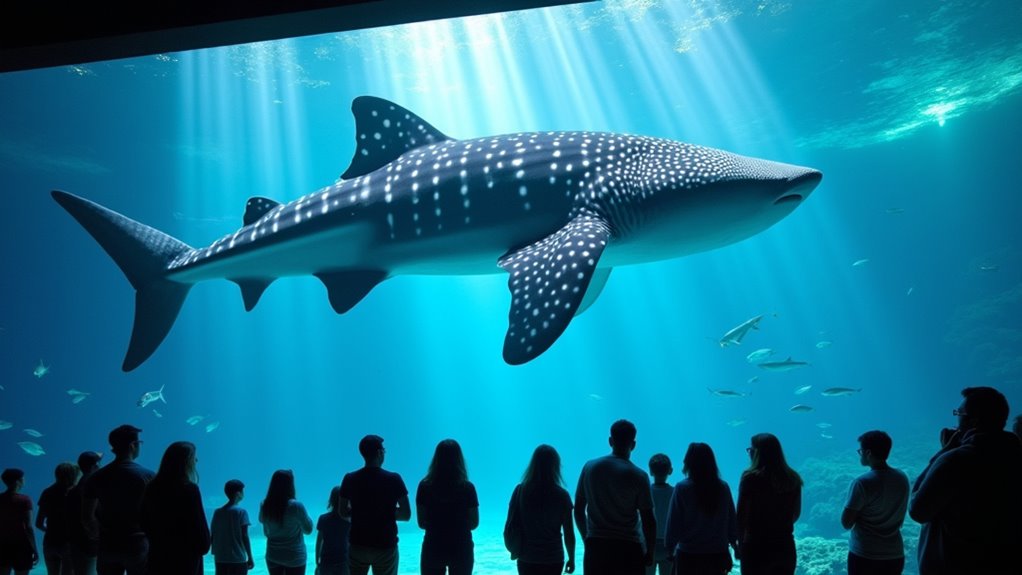
Ranked 9th globally among aquariums, the Okinawa Churaumi Aquarium transforms a visit into an unforgettable marine adventure without breaking the bank. The massive “Coral Sea” tank houses 80 coral species, creating an underwater paradise that rivals actual reef diving at a fraction of the cost. Visitors can spend hours watching whale sharks glide through crystal-clear waters while manta rays dance overhead.
The aquarium’s 20-meter tall banyan tree provides a stunning natural backdrop, blending Okinawan culture with marine science. Smart travelers arrive early to avoid crowds and maximize their experience. The facility’s educational displays offer insights into local marine ecosystems, making it perfect for families seeking both entertainment and learning.
Photography enthusiasts will find countless opportunities to capture breathtaking underwater scenes.
Explore the Sacred Grounds of Sefa-Utaki
While many travelers flock to Okinawa’s beaches, spiritually curious travelers discover profound meaning at Sefa-Utaki, a UNESCO World Heritage site that serves as the Ryukyu Kingdom’s most sacred shrine. This ancient spiritual center costs nothing to visit, making it perfect for budget-conscious explorers seeking authentic cultural experiences.
Visitors should approach respectfully, as locals still use this site for prayers and ceremonies. The shrine’s natural limestone formations create mystical chambers where Ryukyu priestesses once conducted sacred rituals.
Early morning visits offer the most peaceful atmosphere and better photography opportunities.
Wear comfortable walking shoes for the rocky terrain, and bring water since facilities are limited. The site’s spiritual significance provides deep insight into Okinawan culture beyond typical tourist attractions, revealing the islands’ rich indigenous heritage.
Dive Into Crystal Clear Waters at Blue Cave

Beneath Okinawa’s turquoise waters lies the Blue Cave, a natural wonder where sunlight filters through underwater openings to create an ethereal glowing effect that rivals expensive theme park attractions—except this magical experience costs a fraction of the price.
Located near Maeda Point, this underwater cavern offers snorkeling and diving tours suitable for beginners and experienced swimmers alike. The cave’s luminous blue glow occurs when sunlight passes through an underwater entrance, illuminating the interior with otherworldly light.
Tour operators provide equipment and guidance, making this accessible even for first-time snorkelers. Visitors can spot tropical fish swimming through the glowing waters while experiencing one of Okinawa’s most photographed natural phenomena without breaking their travel budget.
Stroll Through Historic Shuri Castle Grounds
Although reconstruction efforts continue following the devastating 2019 fire, Shuri Castle’s grounds remain an enthralling journey through Ryukyu Kingdom history that doesn’t require an expensive guided tour to appreciate fully.
Visitors can explore the UNESCO World Heritage site‘s remaining structures, traditional gardens, and stone foundations while learning about Okinawa’s unique cultural heritage. The castle grounds offer stunning views of Naha city and showcase distinctive Ryukyu architecture that blends Chinese, Japanese, and indigenous influences.
Walking paths wind through restored sections where travelers can photograph ornate gates and pavilions. Audio guides are available in multiple languages for budget-conscious visitors wanting deeper historical context.
Plan two hours to fully absorb the cultural significance of this former royal palace.
Create Your Own Shisa Lion-Dog Guardian

After exploring Okinawa’s royal heritage, visitors can engage with local culture through hands-on Shisa crafting workshops that transform clay into protective guardians. These iconic lion-dog statues traditionally guard Okinawan homes and buildings from evil spirits, making them meaningful souvenirs with cultural significance.
Workshop sessions typically cost 1,500-3,000 yen and include all materials plus expert instruction. Participants shape clay into their unique Shisa design, learning about the creatures’ folklore and symbolism. The process takes 1-2 hours, with firing and glazing completed by artisans afterward.
Studios throughout Naha and resort areas offer these experiences, often combining them with pottery painting or glass crafting. Visitors receive their finished Shisa within a week, either shipped home or collected before departure, creating lasting memories of Okinawan tradition.
Experience Traditional Water Buffalo Cart Rides
While modern transportation dominates Okinawa’s landscapes, traditional water buffalo cart rides offer visitors an authentic glimpse into the island’s agricultural heritage at surprisingly affordable rates. These gentle giants provide peaceful journeys through rural villages and sugarcane fields, typically costing around 500-1,000 yen per person for 15-20 minute rides.
Visitors can find these experiences at various locations across the main island, with operators often combining rides with cultural demonstrations or farm visits. The slow-paced excursions appeal especially to families with children, who delight in the novelty of buffalo-powered transportation.
Riders should wear comfortable clothing and bring sun protection, as most routes traverse open countryside. These authentic cultural experiences connect travelers to Okinawa’s agricultural traditions while supporting local communities that maintain this centuries-old practice.
Trek to Pinaisara Falls on Wild Iriomote Island
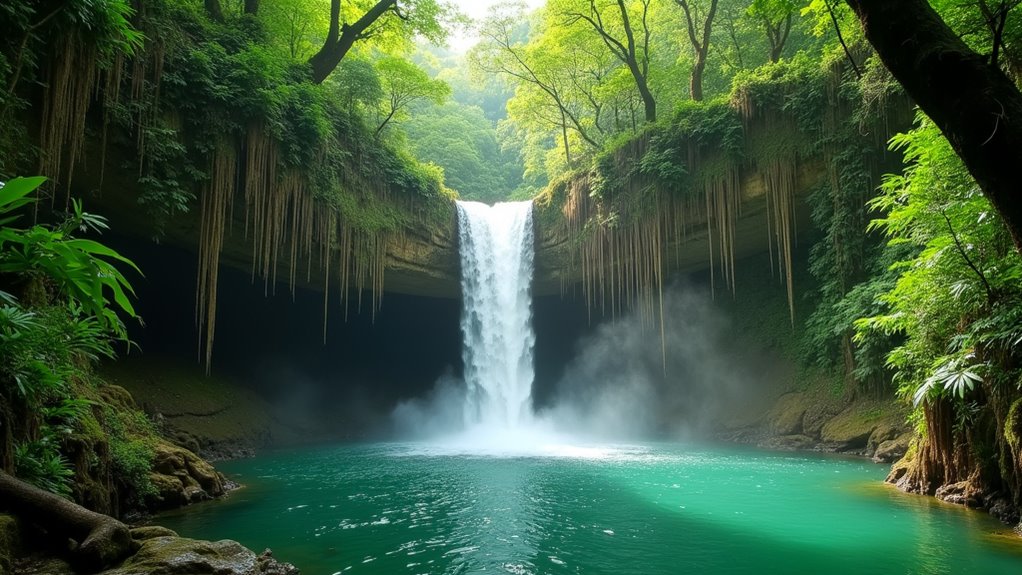
Deep in the subtropical wilderness of Iriomote Island, Pinaisara Falls thunders 54 meters down moss-covered cliffs, rewarding adventurous travelers with Okinawa’s tallest waterfall after a challenging jungle trek.
The hike typically takes two to three hours through dense mangrove forests and rocky terrain. Visitors can book guided tours that include kayaking through mangrove rivers before the trek begins, offering better value than separate activities. Most tours cost around ¥8,000-10,000 per person and include equipment.
During the trek, hikers encounter unique wildlife like Iriomote wildcats and colorful tropical birds.
The falls create a natural swimming pool where visitors can cool off after the demanding hike. Bring water, insect repellent, and sturdy shoes. Tours operate year-round, though summer offers warmer swimming conditions.
Hunt for Treasures Along Kokusai-dori Street
Stretching for 1.6 kilometers through Naha’s heart, Kokusai-dori Street pulses with energy as vendors hawk everything from traditional shisa lion-dogs to quirky Spam musubi keychains.
Smart shoppers hit the side alleys where prices drop and authenticity increases. Local craftspeople sell handmade Ryukyu glass pieces, while souvenir shops offer budget-friendly Okinawan snacks like purple sweet potato treats.
Don’t miss Okashigoten for premium local confections or the covered Heiwa-dori market for cheaper alternatives. Bargaining isn’t common, but buying multiple items often nets discounts.
Visit during weekday afternoons to avoid weekend crowds and tour groups. Sample free tastings of awamori rice wine and unique ice cream flavors. Street food stalls serve quick, affordable meals between shopping sessions.
Paddle Through Mangrove Forests by Kayak
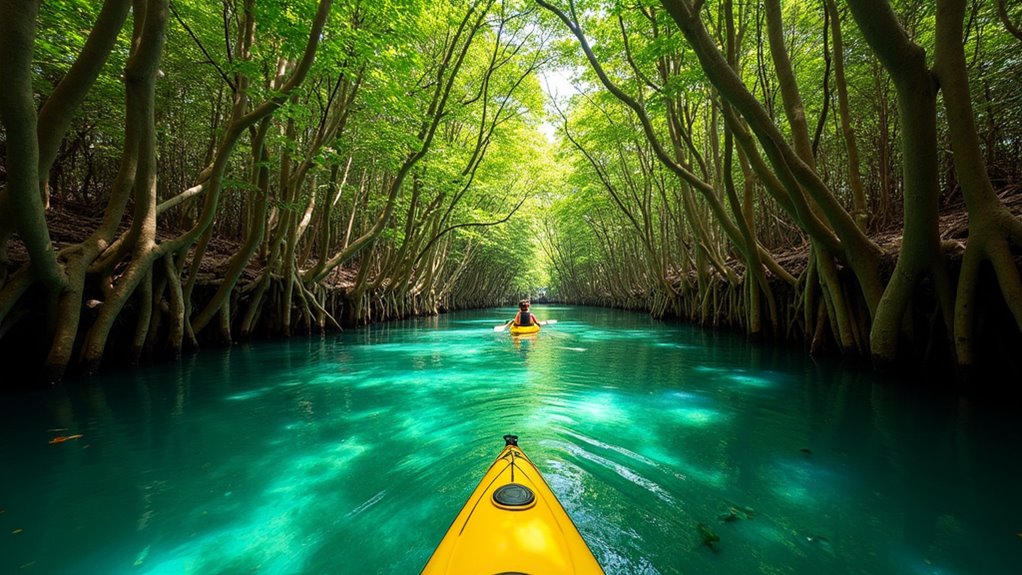
After exploring Naha’s bustling streets, adventurers can escape to Okinawa’s tranquil waterways where mangrove forests create natural tunnels perfect for kayaking. These peaceful river ecosystems offer an affordable way to connect with Okinawa’s natural heritage while paddling through emerald canopies.
Tour operators provide guided mangrove canoeing and kayaking experiences at reasonable rates, including equipment and safety briefings. Visitors glide silently through twisted root systems where crabs scuttle along muddy banks and tropical birds call from overhead branches.
The slow-paced activity suits all skill levels and provides excellent photo opportunities.
Early morning tours offer cooler temperatures and better wildlife spotting chances. Many operators combine mangrove exploration with cultural stops at nearby villages, giving paddlers insight into traditional Okinawan fishing communities and their sustainable relationship with these essential coastal ecosystems.
Soak Up Dramatic Ocean Views at Cape Manzamo
While mangrove kayaking offers intimate nature encounters, Cape Manzamo delivers Okinawa’s most spectacular coastal panorama from its towering limestone cliffs. This free attraction sits on Okinawa’s western coast, where dramatic rock formations frame endless Pacific views. The name translates to “field where 10,000 people can sit,” reflecting the spacious grassy plateau perfect for picnicking.
Visitors should arrive before sunset for golden hour photography and cooler temperatures. The short walk from the parking area takes five minutes, making it accessible for all ages. Strong winds can make cliff edges dangerous, so families should supervise children closely.
The site lacks facilities, so bring water and snacks. Cape Manzamo’s rugged beauty showcases Okinawa’s natural drama without commercial development, offering authentic island experiences that won’t strain travel budgets.
Sample Local Flavors With Blue Seal Ice Cream
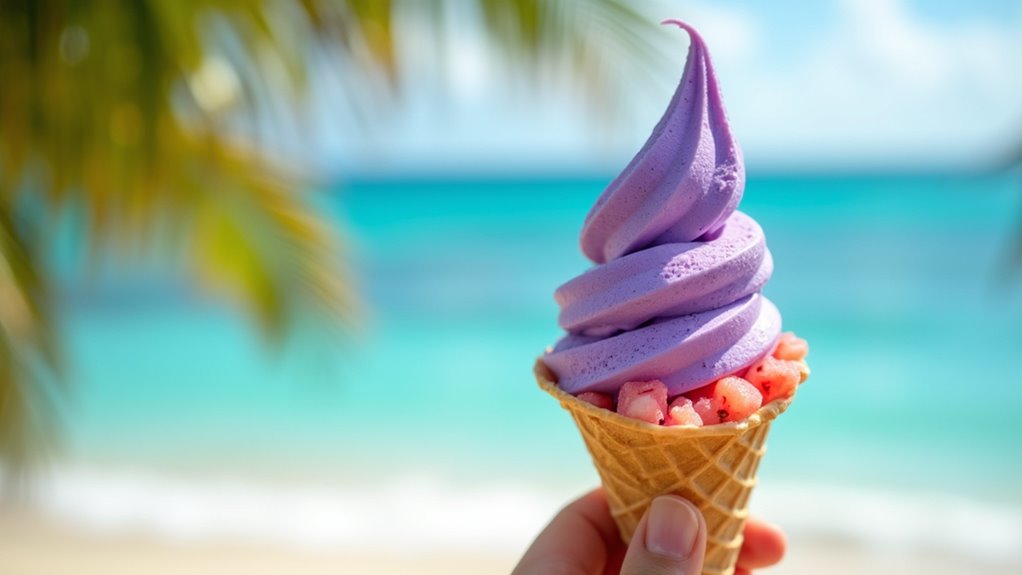
Blue Seal Ice Cream represents Okinawa’s unique cultural fusion, blending American influences with local island flavors since 1948. This beloved local chain offers distinctive tastes you won’t find elsewhere, including Okinawan sweet potato, purple yam, and brown sugar flavors that reflect the island’s agricultural heritage.
Visitors can find Blue Seal locations throughout Okinawa, with affordable scoops starting around 300 yen. The brand’s history connects to the American military presence, making it a living piece of Okinawa’s cultural story.
Don’t miss seasonal specialties like shikuwasa citrus or goya bitter melon varieties.
For budget travelers, Blue Seal provides an inexpensive way to experience authentic local culture. The ice cream parlors often feature retro American décor, creating Instagram-worthy moments while savoring flavors that capture Okinawa’s multicultural identity in every bite.