
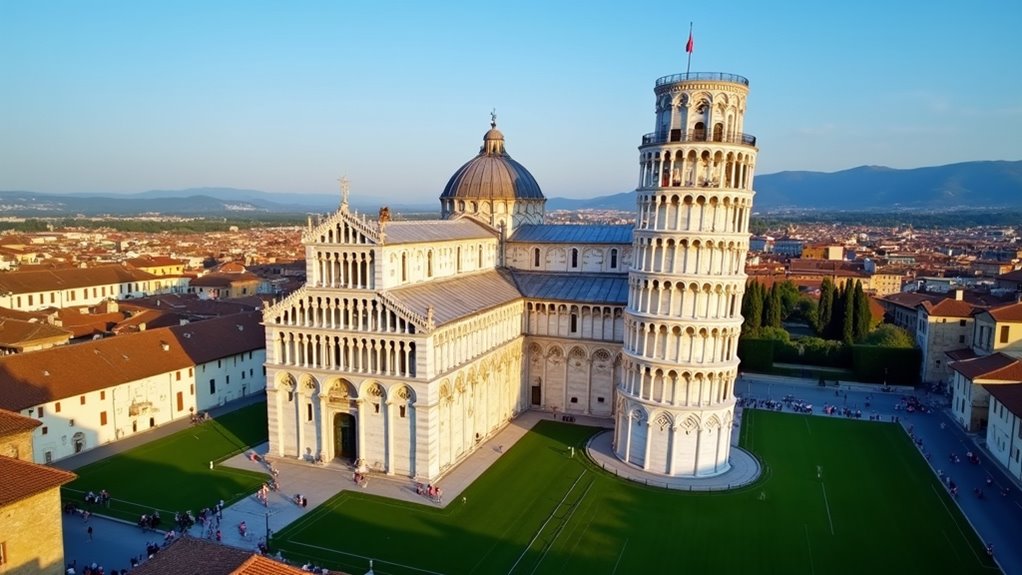
You’ve probably seen countless photos of Pisa’s famous leaning tower, but there’s so much more waiting beyond that iconic shot. This charming Tuscan city offers medieval walls to explore, hidden Renaissance squares, and Europe’s oldest botanical garden—all without the crushing crowds you’ll find in Florence or Rome. Whether you’re working with a tight budget or simply want authentic Italian experiences, Pisa delivers surprising depth that most visitors completely miss.
- Climb the Leaning Tower and Explore Piazza Dei Miracoli
- Visit the Pisa Cathedral and Its Hidden Art Treasures
- Experience the Acoustics at the Baptistery of San Giovanni
- Walk Through the Historic Camposanto Monumentale Cemetery
- Discover Piazza Dei Cavalieri and Renaissance Pisa
- Stroll Along the Arno River to Santa Maria Della Spina
- Browse Borgo Stretto for Shopping and Local Life
- Explore Pisa’s Ancient Botanical Gardens
- Walk the Medieval City Walls for Scenic Views
- Take a Day Trip to San Gimignano’s Tuscan Countryside
- The Sum Up
Climb the Leaning Tower and Explore Piazza Dei Miracoli
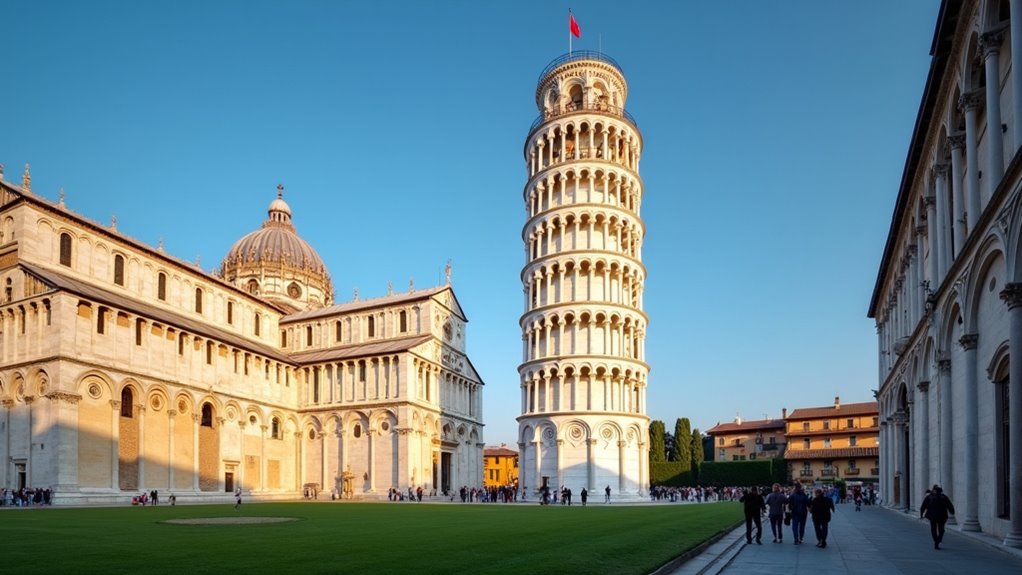
While most visitors snap photos from ground level, climbing the iconic Leaning Tower of Pisa offers an unforgettable experience that’s worth the advance planning and €25 ticket price.
You’ll tackle 294 spiraling steps to reach the observation level, 57 meters above Piazza dei Miracoli’s green lawn.
Book your timed-entry tickets online weeks ahead—they sell out fast during peak season.
The UNESCO World Heritage square houses four stunning medieval monuments: the cathedral, baptistery, tower, and monumental cemetery.
You can explore the piazza for free, but monument access requires separate tickets.
A standard combo ticket costs around €11.
Arrive early morning or late afternoon to dodge crowds.
Wear comfortable shoes for uneven ground and steep tower steps.
Don’t forget your camera for those iconic shots.
The monuments showcase the distinctive Pisan Romanesque style with their luminous white marble facades and refined architectural details.
Visit the Pisa Cathedral and Its Hidden Art Treasures
Though crowds flock to photograph the Leaning Tower, you’ll find Pisa’s true artistic masterpiece just steps away in the cathedral itself. This 11th-century Romanesque gem houses incredible treasures without the tower’s hefty entrance fee.
Inside, you’ll discover Giovanni Pisano’s stunning marble pulpit and golden Byzantine mosaics. Don’t miss the unique symbolism—look for the small round window on the south side that illuminates a mysterious egg on March 25th, symbolizing resurrection.
The cathedral’s marble façade incorporates ancient Roman ruins with Islamic-influenced arches, while sixty-eight monolithic columns from Sardinia showcase Pisa’s medieval reach. The nearby Camposanto Monumentale houses remarkable preparatory sketches discovered beneath wartime-damaged frescoes, offering rare insight into medieval artists’ creative processes.
For art lovers on a budget, the nearby Opera del Duomo museum concentrates the cathedral’s greatest treasures in one accessible location.
Experience the Acoustics at the Baptistery of San Giovanni
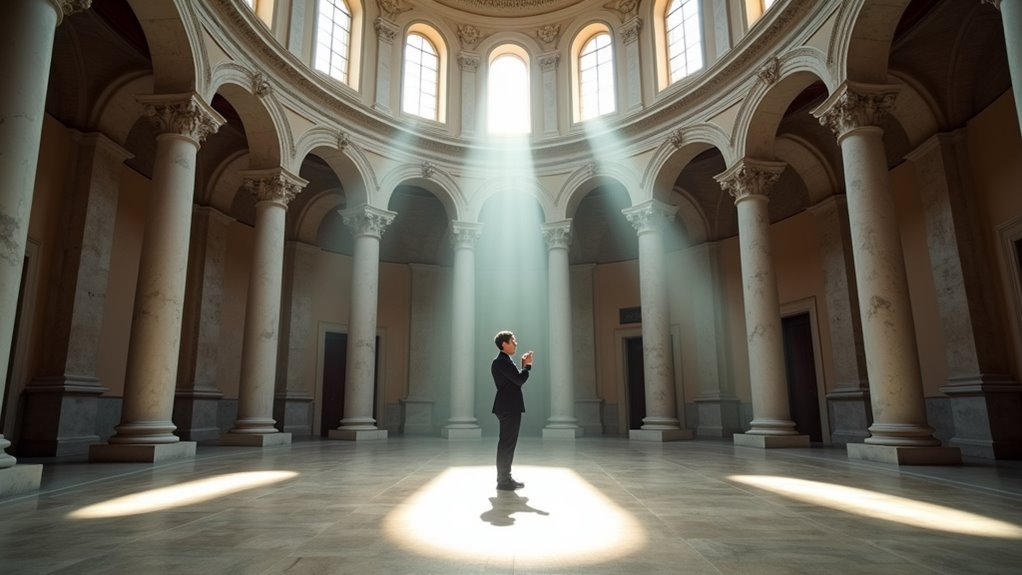
Just around the corner from the cathedral stands Italy’s largest baptistery, where you’ll discover one of Europe’s most remarkable acoustic phenomena without spending an extra euro. Every thirty minutes, attendants demonstrate the building’s extraordinary reverberation by singing a few notes that echo for an incredible duration throughout the circular space.
Head to the upper gallery for the best acoustic experience—you’ll hear layered chords suspended in air much longer than typical buildings. The double dome structure and smooth marble surfaces create this “musical instrument” effect that once enhanced medieval Gregorian chants. The baptistery’s impressive 107.24 meter circumference makes it a monumental space where sound travels uniquely through the vast interior.
Stand near Nicola Pisano’s marble pulpit where sound sources historically created notable effects. This archaeoacoustic marvel lets you experience how medieval architects designed buildings specifically for liturgical music.
Walk Through the Historic Camposanto Monumentale Cemetery
After exploring the cathedral’s acoustic wonders, step into the Camposanto Monumentale, where Pisa’s most prestigious citizens have rested since the 13th century on soil legendarily brought from Jerusalem’s Golgotha.
You’ll walk through Gothic cloisters surrounded by elaborate round arches and discover ancient Roman sarcophagi scattered across the peaceful green courtyard.
Don’t miss the three historic chapels, including the oldest Chapel Ammannati. While WWII bombing damaged most original frescoes, ongoing restoration efforts continue revealing medieval masterpieces.
The cemetery’s 43 blind arches and ornate doorways showcase Pisa’s maritime power during its golden age. This magnificent structure houses over 2,600 square meters of frescoes, creating an artistic space even larger than the famous Sistine Chapel.
Budget tip: Limited signage means researching beforehand enhances your experience. This tranquil space combines spiritual reflection with art history, making it one of Europe’s earliest public museums.
Discover Piazza Dei Cavalieri and Renaissance Pisa
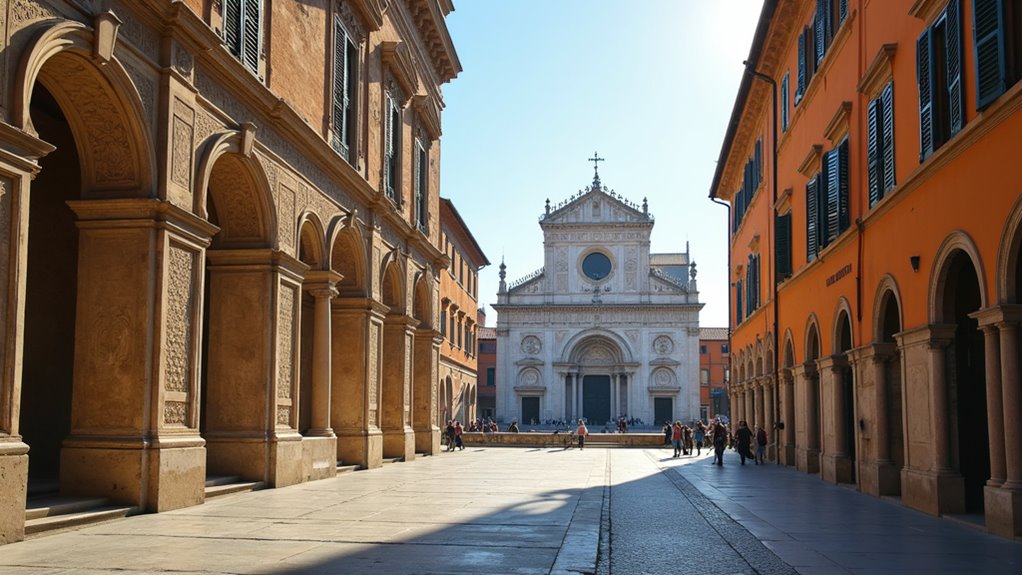
From the spiritual tranquility of Camposanto, head to Piazza dei Cavalieri to witness how Renaissance power transformed medieval Pisa. This stunning square showcases Giorgio Vasari’s masterful urban planning from the 1560s, when Cosimo I de’ Medici redesigned it as headquarters for his Knights of Santo Stefano.
You’ll admire the elaborate Palazzo della Carovana with its intricate sgraffito decorations and geometric motifs – now home to the prestigious Scuola Normale Superiore. Don’t miss the Church of Santo Stefano dei Cavalieri, displaying captured Ottoman naval banners from the knights’ Mediterranean battles.
The Clock Palace connects two medieval towers through Vasari’s graceful arch design. This square evolved from the ancient Roman Forum that served as Pisa’s original commercial and administrative center.
This free attraction perfectly demonstrates how Florence’s Medici rulers transformed conquered Pisa from independent republic into Renaissance showcase of architectural harmony.
Stroll Along the Arno River to Santa Maria Della Spina
As you leave the Renaissance grandeur of Piazza dei Cavalieri, a leisurely walk along the Arno River leads you to one of Pisa’s most photogenic treasures – the tiny Gothic church of Santa Maria della Spina. This jewel-box church sits on the south bank between Ponte di Mezzo and Ponte della Vittoria, making it perfect for a riverside stroll.
Built around 1230 for seafarers, the church earned its name in 1333 when it housed a thorn from Christ’s crown. The elaborate marble facade showcases Pisan Gothic architecture with intricate sculptures by Andrea Pisano and his sons.
Though moved stone-by-stone in 1871 to prevent flood damage, it retains its medieval charm. Inside, the simple interior houses the notable Madonna of the Rose statue by Andrea and Nino Pisano, contrasting beautifully with the ornate exterior design.
Now deconsecrated, it serves as an exhibition space. The riverside promenade offers ideal photo opportunities, especially during morning light.
Browse Borgo Stretto for Shopping and Local Life
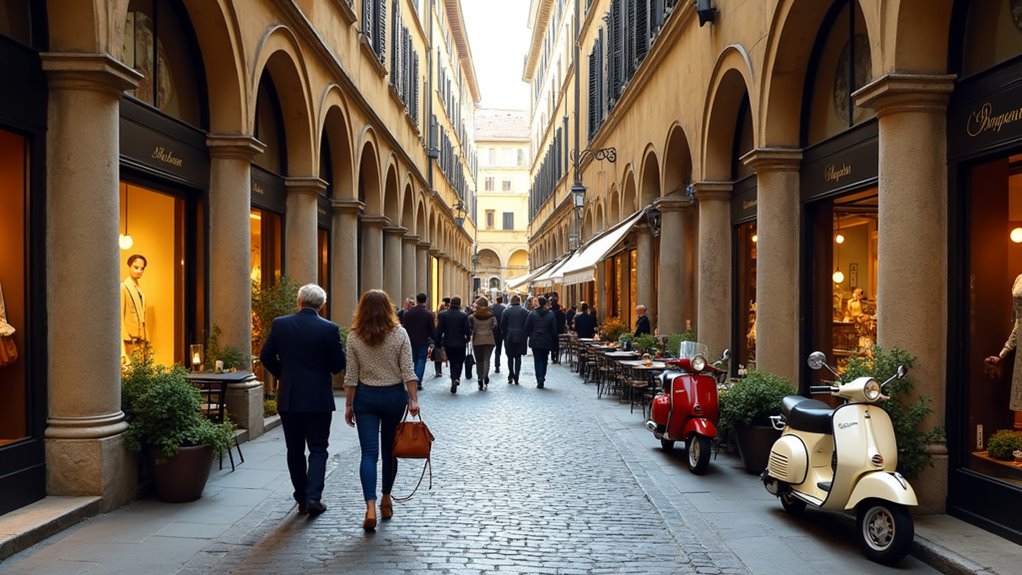
Just two blocks from the riverfront, Borgo Stretto beckons with its vibrant mix of medieval charm and modern local life. You’ll find yourself wandering through colorful facades and wrought-iron balconies while browsing independent boutiques, artisan shops, and local craft stores.
The street offers authentic “Made in Italy” goods without the commercialized feel of other shopping areas. Stop for gelato at nearby favorites like La Bottega del Gelato or grab an affordable meal at cozy trattorias—most dishes stay under €10.
You’ll catch street performers and musicians adding to the cultural atmosphere as locals and university students go about their daily routines. Don’t miss the Church of San Michele in Borgo, which showcases impressive Medieval architecture.
This pedestrian-friendly street perfectly captures Pisa’s authentic neighborhood character. The smaller side streets off Borgo Stretto lead to hidden gems where you’ll discover handcrafted items and unique artisan treasures.
Explore Pisa’s Ancient Botanical Gardens
While most travelers rush between Pisa’s famous landmarks, you’ll discover Europe’s oldest university botanical garden tucked quietly between Piazza dei Miracoli and Piazza dei Cavalieri.
Founded in 1544, this 3-hectare oasis houses plant species from all five continents, including centuries-old treasures like a Ginkgo biloba from 1787.
You’ll wander through peaceful paths past medicinal plants, a bamboo forest, and water lily ponds.
Don’t miss the 17th-century greenhouses and the fascinating Botanical Museum with over 300,000 herbarium samples.
Located at Via Luca Ghini 5, entry fees are modest, and students often enter free.
The garden’s 16th-century layout showcases original geometric divisions with historic fountains and organized plant beds that reflect Renaissance botanical design principles.
It’s perfect for escaping crowds while exploring living history that’s been cultivating knowledge for nearly 500 years.
Walk the Medieval City Walls for Scenic Views
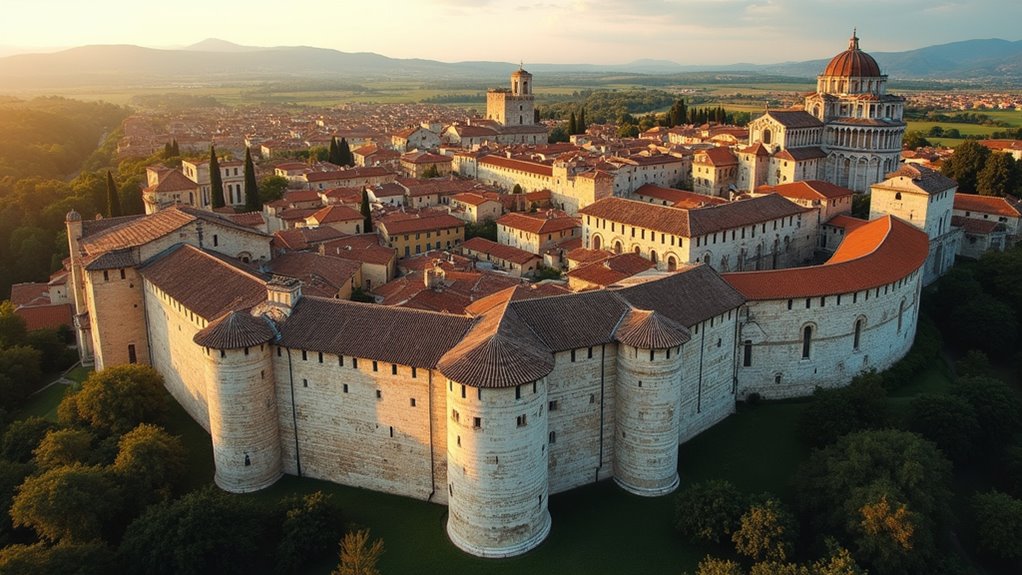
Five kilometers of Pisa’s original medieval walls still stand today, and you can walk along three kilometers of ramparts for some of the city’s best panoramic views.
Dating back to 1154, these imposing 11-meter-high fortifications offer unique perspectives of the Cathedral complex and Pisa’s rooftops that you can’t get from street level.
The walking path takes you around the city’s northern sector, crossing four main gates including Porta Nuova and Porta a Lucca.
You’ll see a fascinating mix of architectural styles reflecting Pisa’s historic trade connections, from classical to Islamic influences. The walls showcase different construction materials, with early sections built from gray limestone and later portions constructed with pink grey stone.
The route provides excellent photo opportunities of the Piazza dei Miracoli and surrounding countryside.
Visit during spring through autumn for the best weather conditions and ideal visibility for your wall-walking adventure.
Take a Day Trip to San Gimignano’s Tuscan Countryside
Although San Gimignano sits about 90 minutes from Pisa by car or public transport, this UNESCO World Heritage hilltop town makes for an unforgettable day trip that’ll transport you back to medieval Tuscany.
You’ll be amazed by the 14 surviving medieval towers that create San Gimignano’s iconic skyline. Climb Torre Grossa for panoramic views of rolling vineyards and cypress-lined hills.
Wander the cobblestone streets between Piazza della Cisterna and Piazza del Duomo, exploring local artisan shops and sampling world-class gelato. Don’t miss the Collegiate Church’s stunning 14th-century frescoes or a visit to Parco della Rocca for sunset views over the countryside.
End your day tasting the region’s famous Vernaccia white wine at local vineyards. The town’s fascinating history comes alive at SanGimignano1300 Museum, where free miniature reconstructions and videos showcase how this medieval settlement evolved over the centuries.
The Sum Up
You’ve got plenty to explore in Pisa without breaking the bank. Start with the free attractions like wandering Borgo Stretto and walking the medieval walls, then splurge on climbing the Leaning Tower for those must-have photos. Don’t skip the botanical gardens – they’re cheap and peaceful. Pack snacks for your San Gimignano day trip to save on restaurant costs. With smart planning, you’ll experience Pisa’s best while keeping your wallet happy.