
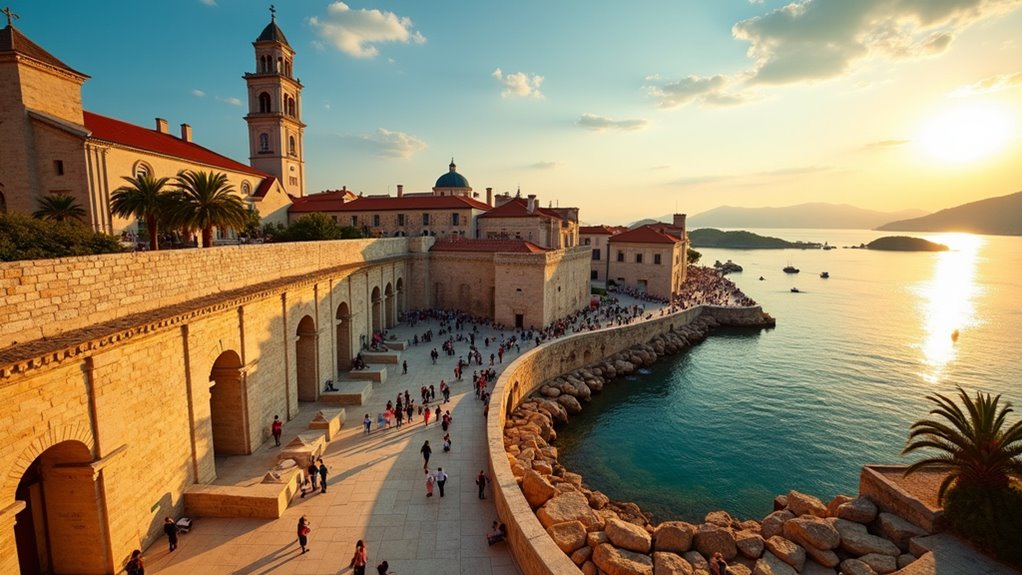
You’ve just stepped off the ferry in Split, and the ancient limestone walls of Diocletian’s Palace stretch before you like a living museum. This isn’t your typical Croatian coastal town—it’s where 1,700-year-old Roman architecture houses trendy cafes, where emperors once walked the same stones you’re about to explore. But here’s what most first-time visitors don’t realize: the real Split isn’t just inside those palace walls, and timing your adventures makes all the difference.
- Wander Through Diocletian’s Palace at Golden Hour
- Climb the Cathedral Bell Tower for Split’s Best Views
- Stroll the Riva Promenade at Sunset
- Hike Up Marjan Hill to Telegrin Peak
- Learn to Play Picigin at Bačvice Beach
- Explore the Underground Cellars Where Dragons Once Roamed
- Take a Day Trip to Ancient Salona’s Roman Ruins
- Escape the Crowds at Kašjuni Beach
- Visit Klis Fortress for Game of Thrones Views
- Browse the Quirky Exhibits at Froggyland
- Navigate the Cobblestone Maze Around People’s Square
- The Sum Up
Wander Through Diocletian’s Palace at Golden Hour
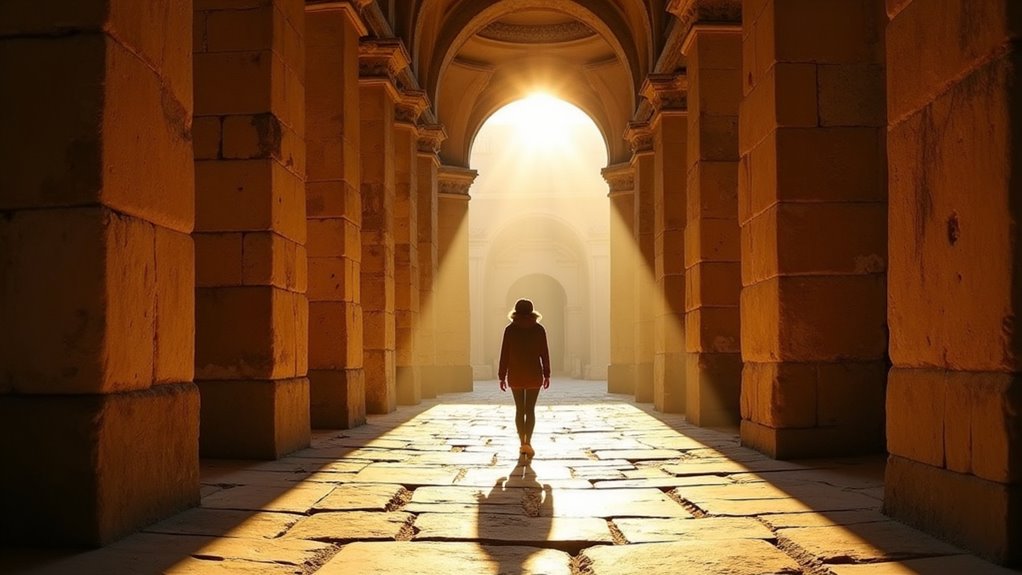
When the late afternoon sun begins its descent toward the Adriatic, Diocletian’s Palace transforms into something extraordinary. You’ll find the warm Dalmatian stone glowing with golden hues while dramatic shadows emphasize the Roman arches and open dome.
Each of the Four Gates offers unique lighting experiences—the Brass Gate provides stunning sea-to-palace views, while the Golden Gate’s ornamental details shine brilliantly.
You’ll encounter fewer crowds during this magical hour, creating a relaxed atmosphere for exploration. The acoustic properties enhance any live klapa music you might hear echoing through the ancient corridors.
Don’t miss photographing the light shafts streaming through arches and the textural details of stone carvings. The palace becomes a living, breathing piece of history bathed in atmospheric ambiance. In the heart of it all, the Peristyle Square serves as the emperor’s former reception area, where you can pause at Café Luxor and truly lounge like a Roman amid the golden hour splendor.
Climb the Cathedral Bell Tower for Split’s Best Views
After capturing the palace’s golden-hour magic at ground level, you’ll want to experience Split from above by tackling the Cathedral Bell Tower‘s challenging but rewarding climb. For just 20 kuna, you’ll ascend roughly 190 steep, narrow steps through ancient stone passages and modern steel stairs.
The climb’s demanding—expect tight spaces and uneven steps that’ll test your fitness and comfort with heights. About halfway up, you’ll reach a viewing platform that provides a welcome rest break before continuing to the summit.
Your effort pays off spectacularly at the 60-meter summit. You’ll enjoy Split’s supreme 360-degree panorama: terracotta rooftops revealing Roman grid patterns, the sparkling Adriatic, distant islands, and mountain ranges.
The exposed viewing platform offers no shelter, so dress accordingly. Visit during daylight for ideal views and safer navigation, arriving early to beat crowds at this iconic photography spot.
Stroll the Riva Promenade at Sunset
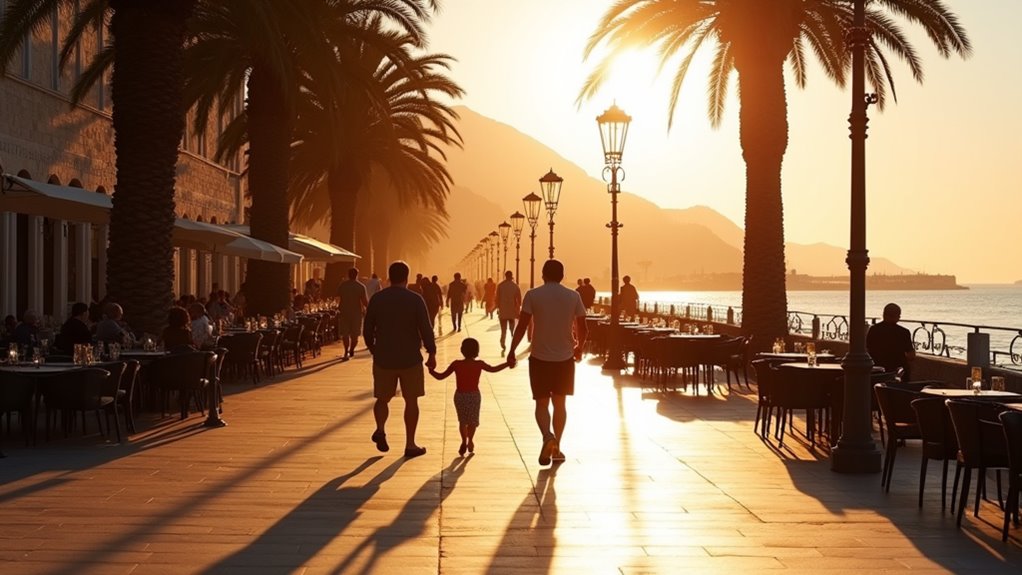
As the day winds down, you’ll discover that Split’s Riva Promenade transforms into the city’s most enchanting social stage. This palm-lined waterfront stretch becomes Split’s premier sunset destination, where vivid colors paint the Adriatic sky and reflect off the glistening sea.
You’ll find comfortable benches and outdoor seating perfect for watching this daily spectacle unfold against silhouettes of nearby islands.
The promenade buzzes with energy as locals and travelers gather for evening strolls. Street performers and live music create a vibrant atmosphere while waterfront cafes spill onto the walkway.
You can grab Croatian coffee, fresh seafood, or local wine at numerous establishments offering outdoor seating with stunning views. Like other Croatian coastal destinations, the diverse eateries cater to various preferences while maintaining the seaside charm that makes sunset dining so memorable.
The flat, easily walkable area provides ideal conditions for people-watching and photography during golden hour.
Hike Up Marjan Hill to Telegrin Peak
Just fifteen minutes from the bustling Riva Promenade, you’ll find yourself at the base of Marjan Hill, Split’s 178-meter forested peninsula that locals call their “green lungs.”
The climb to Telegrin Peak involves tackling 314 stone steps along the most direct route, but you can choose from several well-marked trails depending on your fitness level and time constraints.
Start near St. Nicholas Church or behind Hotel Ambassador for the steepest ascent, or take the gentler Forest Trail for a more leisurely 45-minute climb.
Pack water and wear sturdy shoes—those stone steps can be challenging. The hill’s dense pine forest showcases remarkable ecological recovery from centuries of past deforestation, creating today’s peaceful natural sanctuary.
Your reward? Panoramic views of the Adriatic Sea, surrounding islands, and Split’s red-roofed cityscape from the summit marked by Croatia’s flag and a stone cross.
Learn to Play Picigin at Bačvice Beach

Once you’ve worked up an appetite exploring Split’s elevated viewpoints, head down to Bačvice Beach to experience the city’s most beloved homegrown sport—picigin. This century-old tradition involves keeping a small ball called a balun from touching the shallow water using only your palm.
You’ll join five players arranged in a pentagon—two anchors stay put while three runners chase spectacular saves.
Don’t worry about winning; there’s no score in picigin. Focus on cooperation and artistic flair instead. The sandy beach and ankle-deep water make diving safe and fun. Watch locals first to learn positioning and timing, then jump in.
Wear water shoes for grip, and embrace the acrobatic spirit. The game was created in 1908 by students as an alternative to water polo in shallow water. Even if you’re clumsy initially, Split residents appreciate anyone willing to try their cultural treasure.
Explore the Underground Cellars Where Dragons Once Roamed
Where else can you walk through chambers that once echoed with the footsteps of a Roman emperor? Diocletian’s Palace cellars offer exactly that experience. These 4th-century vaulted halls originally supported the emperor’s living quarters above while housing essential palace functions like cooking and winemaking.
You’ll discover chambers that perfectly mirror the imperial apartments overhead, helping historians reconstruct Diocletian’s private world. The cellars remained sealed for over 500 years until recent renovations revealed this underground marvel. Recent archaeological work has uncovered a hidden corridor that connected the eastern rampart directly to these very cellars, offering new insight into how Roman guards moved secretly through the palace complex.
As you explore, you’ll see ancient waste deposits, wine-making equipment remnants, and wooden doors with 13th-century biblical carvings preserved under glass.
The eastern portion opened to visitors in 1995, connecting directly to the famous Peristyle courtyard above. It’s living Roman history beneath your feet.
Take a Day Trip to Ancient Salona’s Roman Ruins
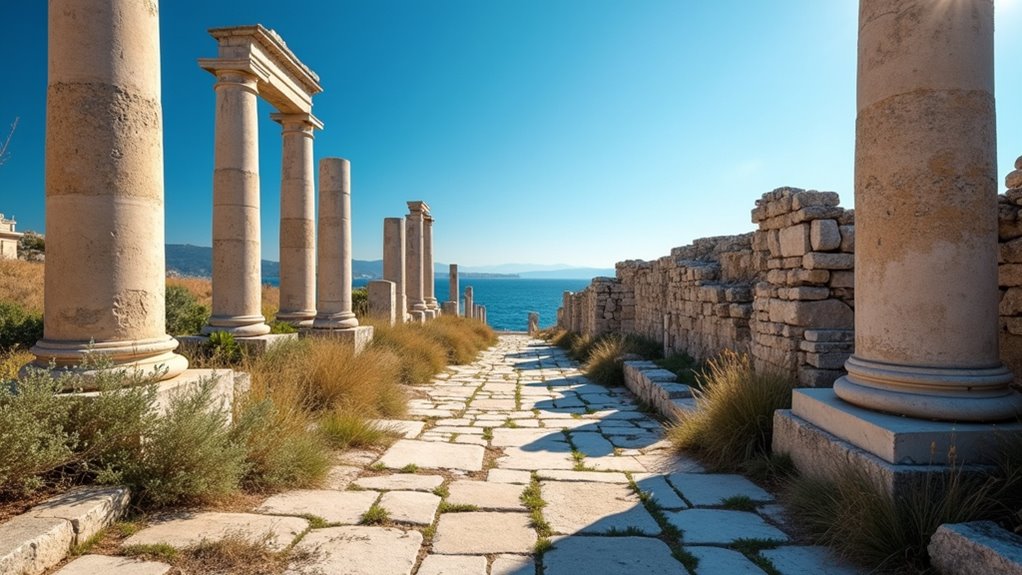
While Split’s Diocletian’s Palace showcases imperial Roman grandeur, a short drive northeast reveals where it all began. Ancient Salona, just 15 minutes from Split, was once Dalmatia’s bustling provincial capital with 60,000 residents—and reportedly Emperor Diocletian’s birthplace.
You’ll explore remarkably preserved ruins across this archaeological park, including a massive amphitheatre that seated 17,000 spectators, ancient city walls with fortified gates, and forum remains. The amphitheatre’s elliptical design measures an impressive 125 by 100 metres with a central arena spanning 65 by 40 metres. Don’t miss the early Christian basilicas outside the original walls, where you can trace the evolution from pagan to Christian burial practices through funerary inscriptions.
Since Salona remains pleasantly under-visited compared to other Croatian sites, you’ll enjoy peaceful exploration without crowds. The Archaeological Museum in Split displays many artifacts that’ll enhance your understanding of this fascinating Roman precursor to modern Split.
Escape the Crowds at Kašjuni Beach
When Split’s main beaches feel overwhelmed with travelers, you’ll find your sanctuary at Kašjuni Beach, tucked beneath the pine-covered slopes of Marjan Hill just 3 kilometers west of the city center.
You’ll reach this pebble paradise via a scenic 30-minute walk through Marjan’s forest trails, or catch bus number 12 if you’d rather skip the hike.
The beach’s protective breakwater creates calm, crystal-clear waters perfect for swimming and snorkeling, though the shore drops off quickly into deeper water. Pack water shoes—the pebbles can be tough on bare feet.
You’ll discover a relaxed atmosphere that locals prefer over crowded Bačvice Beach, complete with a stylish beach bar serving refreshments. Dog-loving families will appreciate that this is one of the few beaches where pets are welcome during daytime hours.
Visit weekday mornings for the most peaceful experience.
Visit Klis Fortress for Game of Thrones Views
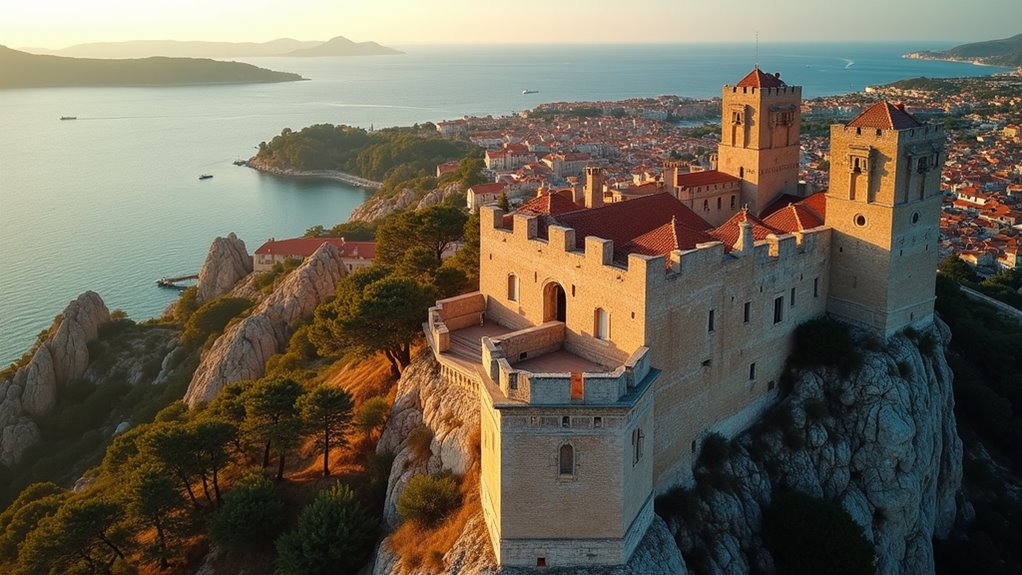
After soaking up the sun at Split’s beaches, you’ll want to explore the dramatic clifftop fortress that brought Meereen to life on your television screen. Klis Fortress sits just 30 minutes from Split by car, perched strategically between mountain ranges where it’s defended this “key” position for over 2,000 years.
You’ll recognize the gates and walls where Daenerys liberated slaves and crucified masters. The fortress houses a dedicated Game of Thrones exhibition with set photos and memorabilia alongside historical displays covering its journey from Delmati tribal stronghold to Ottoman control.
Climb the watchtowers for commanding views over Split, the Adriatic Sea, and nearby islands. Walking tours blend medieval Croatian history with filming insights, while the adjacent 600-year-old stone mill adds another recognizable location to your Game of Thrones pilgrimage. Entry costs EUR10 and includes access to both the fortress grounds and the on-site Olive Museum.
Browse the Quirky Exhibits at Froggyland
Though it sounds like something from a fever dream, Froggyland houses the world’s largest collection of frog taxidermy in 21 meticulously crafted glass dioramas just steps from Diocletian’s Palace. You’ll discover 507 frogs posed in human scenarios—from school classrooms to tennis matches—created by Hungarian taxidermist Ferenc Mere between 1910 and 1920.
Each scene’s incredibly detailed with miniature props like desks, books, and curtains that’ll keep you studying every display.
The museum’s open 10 AM to 10 PM, perfect for late-afternoon visits when you need a break from ancient Roman ruins. At 15 euros admission, it’s quirky entertainment that’s earned TripAdvisor Hall of Fame status. Photography isn’t permitted inside, but you can purchase postcards to take home a memento of this unusual collection.
You’ll spend about 30 minutes here, leaving with photos and stories your friends won’t believe.
Navigate the Cobblestone Maze Around People’s Square
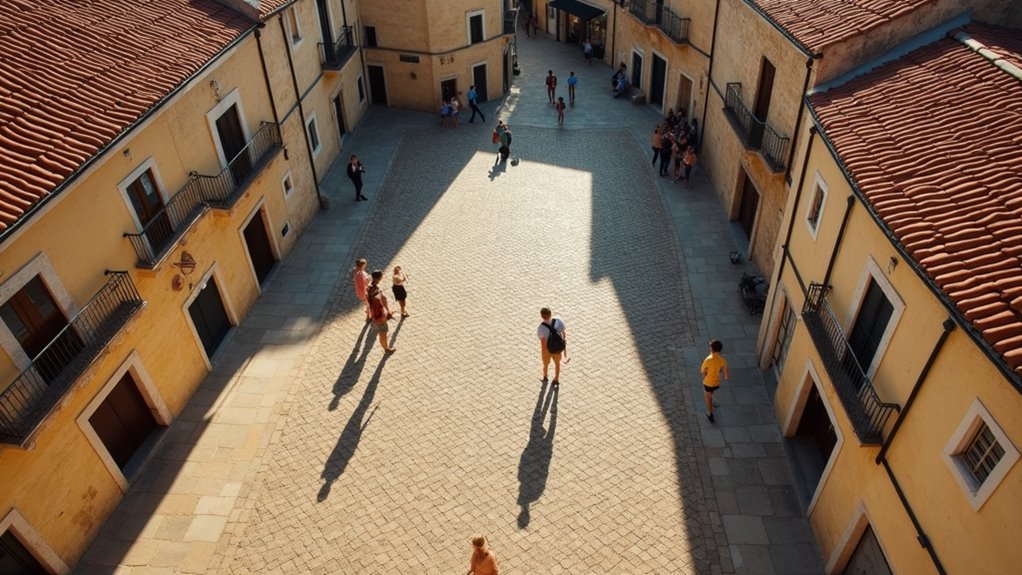
Stepping back into Split’s historic heart from Froggyland’s whimsical world, you’ll find yourself facing one of Croatia’s most charming navigational challenges. People’s Square‘s cobblestone maze extends through centuries-old streets that organically developed from Diocletian’s Palace, creating a labyrinth that’ll test your sense of direction.
Wear sturdy shoes—these uneven cobblestones date back centuries and can trip you up. Use the medieval clock tower with its 24 Roman numerals as your reference point when you’re lost in the winding alleys.
The square itself serves as your navigational anchor, surrounded by Renaissance palaces and buzzing with cafes. This historic meeting place features trendy shops alongside outdoor concerts that bring the medieval setting to life with contemporary entertainment.
Don’t stress about getting lost; it’s part of the experience. The maze leads to hidden shops, restaurants, and courtyards that you’d miss on main routes.
The Sum Up
You’ve got your Split bucket list sorted—now get out there and tick these boxes. Don’t try cramming everything into one day; you’ll burn out faster than a tourist in July heat. Pick three or four spots that speak to you, leave room for spontaneous discoveries, and remember that Split’s magic happens in the moments between planned stops. Trust your instincts, wear comfortable shoes, and let this ancient city work its charm on you.